
Why Harrison Ford Prefers TV’s Ensemble Vibe to Movie Star Status?
via Imago
Credits: IMAGO / Cover-Images
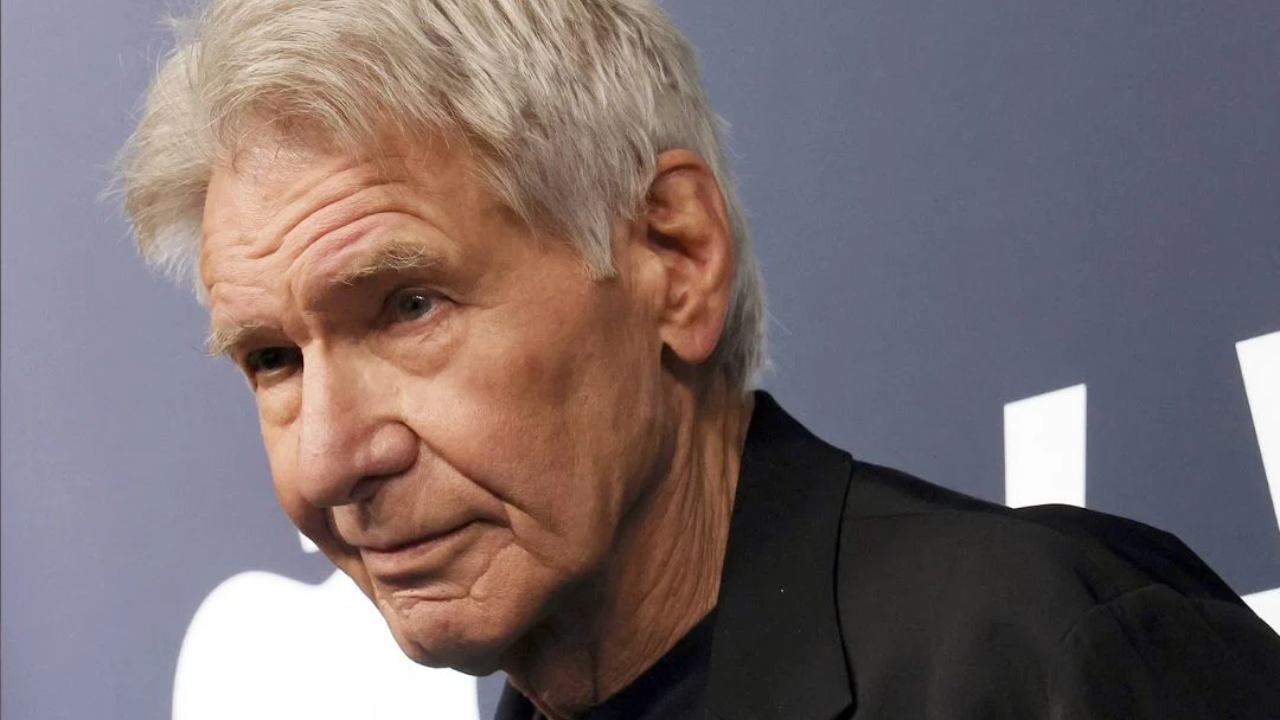
Harrison Ford has a strong opinion about why he prefers television to movies. Ford has spent decades commanding the silver screen as cinema's ultimate lone hero, yet his recent shift to television reveals a surprising preference for shared storytelling. Exploring his late-career transition unveils why the legendary actor now favours collaborative small-screen dynamics over the singular spotlight of Hollywood blockbusters.
The veteran actor finds a renewed sense of artistic freedom when working closely within a dedicated creative community.
Harrison Ford’s reason of embracing the power of the TV
ADVERTISEMENT
Article continues below this ad
According to Harrison Ford, this ongoing collaboration transforms into a genuine community where shared experiences create a real bond that holds the production together. He explained on The Hollywood Reporter's Comedy Actor Roundtable podcast, talking about Shrinking, that he thoroughly enjoys the deep relationships built with fellow actors, writers, and the production staff.
“Working in television with the same group of people over a period of time, it becomes more than just an ensemble experience,” he said. He still views feature films as a great adventure; television offers the unique joy of developing a fully fleshed-out character over an extended period.
“Movies are still a great adventure, and I still love doing that kind of work. But there's something very different about working on a sustained basis over seasons on a character and having that audience have that relationship to a fully fleshed out character,” he said.
The collaborative environment completely alters the dynamic of the performance for everyone involved on the set. "It is lovely to see Harrison really lean into comedy and just love playing," notes director Zach Braff. He observes that instead of the pressure of being the sole star, the entire cast constantly bounces creative ideas off each other.
This uncertainty mirrors real life, allowing him to enter a scene without knowing whether he will laugh or cry. The freedom of television allows the veteran actor to truly embrace raw, unscripted human emotion.

Shifting away from massive film sets has allowed the Hollywood icon to redefine his illustrious career.
Harrison Ford’s rules the small screen
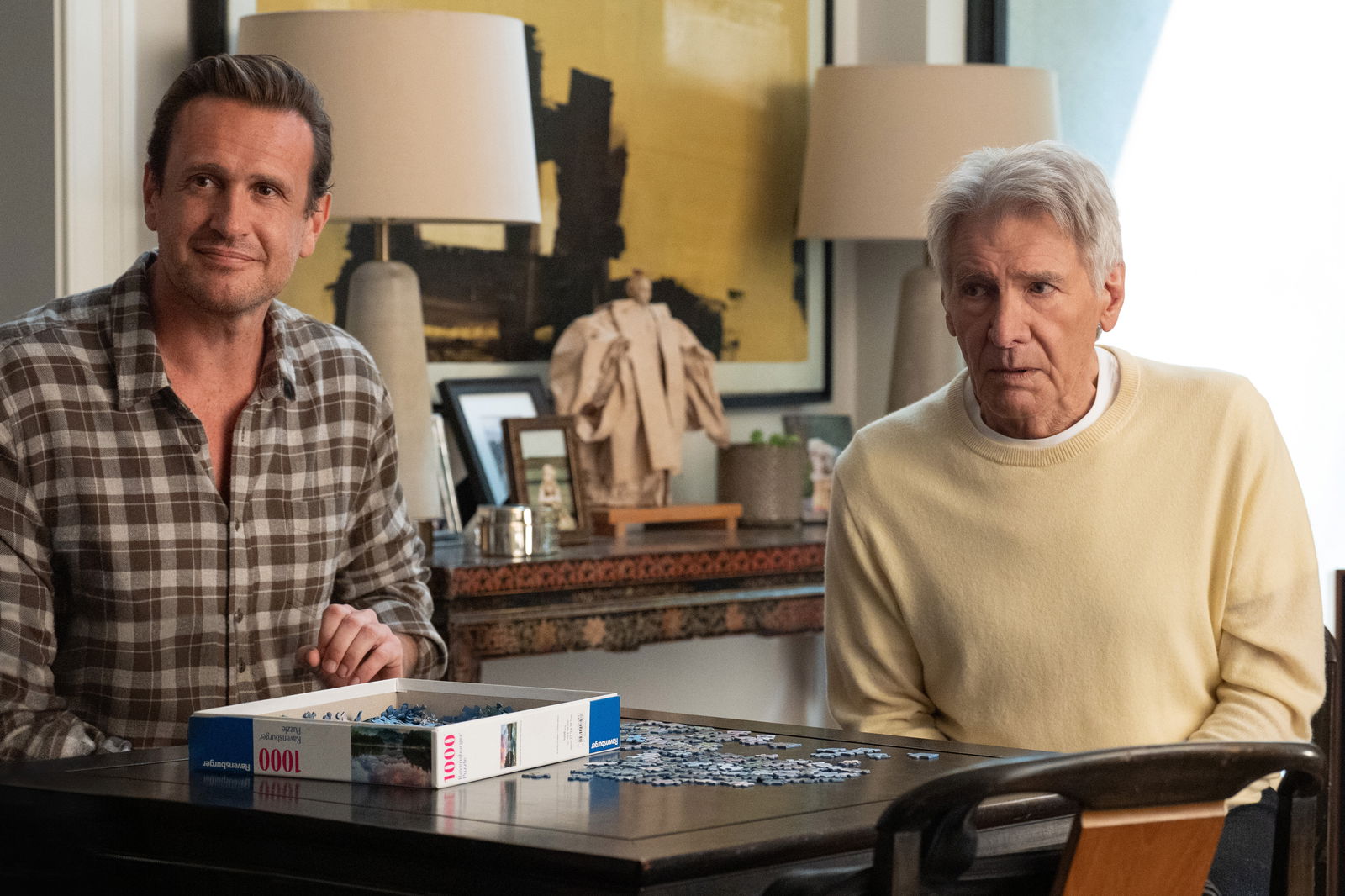
In the comedy-drama series Shrinking on Apple TV+, Harrison Ford portrays Dr. Paul Rhoades, a sharp-witted therapist managing a Parkinson's diagnosis. Serving as a mentor to a grieving colleague, he delivers impeccable comedic timing mixed with genuine emotional depth. The role highlights his willingness to embrace vulnerability and shared screen time with a talented comedic cast.
Meanwhile, the Paramount+ Western drama 1923 features him as Jacob Dutton, the rugged patriarch of a powerful ranching family. This sweeping prequel explores the harsh realities of the American West during the Great Depression. The performance proves that the actor can anchor a massive, character-driven television universe while sharing the spotlight with an expansive cast.
ADVERTISEMENT
Article continues below this ad
Ford built his legendary status through blockbuster films, but he successfully transitioned to television with two highly acclaimed starring roles. These projects demonstrate his incredible versatility outside of traditional cinematic formats. Ford finds his greatest artistic fulfilment not in solitary movie stardom, but in the unpredictable, real-life chemistry of a television ensemble.
ADVERTISEMENT
Article continues below this ad
What do you think about Harrison Ford's opinion on television versus movies? Let us know in the comments.
ADVERTISEMENT

Edited By: Itti Mahajan
ADVERTISEMENT
ADVERTISEMENT
