
Why Does Stephen King Hate 'The Shining' Movie? How Did His Vision Differ From Stanley Kubrick’s
Some authors see their creations reborn in film, but it seems not every adaptation inspires the lone-drop-of-tear trope from the original storyteller. When Stanley Kubrick’s iconic lens met the haunted halls of The Overlook, what followed was a cold shoulder rather than applause from Stephen King. King, whose voice transformed sleepless nights for millions, famously found little solace in The Shining’s cinematic chill. But what exactly has been the root of such frosty feelings over a silver screen classic?
The Overlook was a wintry hotel where the walls seemed to whisper, and reality blurred into nightmare. It was here that a man’s mind had unravelled as the shadows grew longer. But what exactly does Kubrick’s camera capture in this chilling tale?
What is Stanley Kubrick’s The Shining about?
ADVERTISEMENT
Article continues below this ad
Stanley Kubrick’s The Shining, released in 1980, follows Jack Torrance, an aspiring writer and recovering alcoholic, who accepts a job as winter caretaker at the isolated Overlook Hotel. He brings his wife Wendy and son Danny, whose psychic "shining" would sense supernatural presences. When winter sealed them inside, Jack gradually succumbed to madness, transforming into a threat to his family.
The film, marked by eerie music, striking visuals, and Jack Nicholson's intense performance, diverged noticeably from the empathetic tone of Stephen King’s novel from 1977.
Why is The Shining controversial even now?
The Shining’s legacy remains split: Stanley Kubrick’s cold narrative infuriated Stephen King, who imagined a tale of tragic human unraveling. The movie omitted crucial emotional arcs, distorted Jack’s subtle descent into violence, and recast characters drastically, especially Wendy, as less complex. Kubrick’s focus on ambiguity over catharsis led the audience and critics to debate its artistic merit versus its faithfulness. To King, the film's icy veneer missed the tragic heart at the center of his story, fueling the enduring controversy.
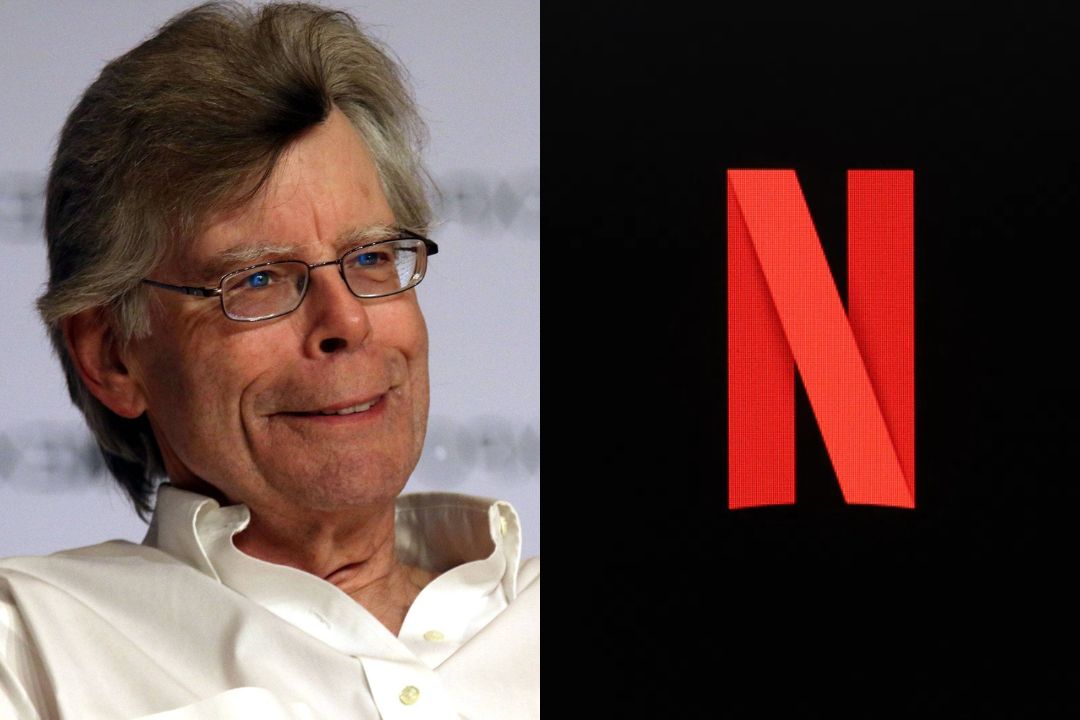
Behind the creeping fog of Stanley Kubrick’s masterpiece lay an author’s storm of resentment. Stephen King’s pen burned with dissatisfaction—what skeletons lurk in the closet of this iconic adaptation?
Reasons why Stephen King hated Stanley Kubrick’s The Shining
Stephen King’s vision for The Shining spotlighted Jack as a flawed, sympathetic man overtaken by supernatural evil and addiction. Stanley Kubrick’s casting of Jack Nicholson, who played Jack as menacing from the start, deeply conflicted King’s design. And unlike his fondness for Marianne, some core reasons underline King’s distaste for The Shining were its stripped emotional warmth, altered character arcs, abandonment of novel’s themes, a cynical worldview, and Kubrick’s overall dismissal of King’s intended spirit.
ADVERTISEMENT
Article continues below this ad
Kubrick’s The Shining turns the Overlook into a monument of psychological dread, but for King, the adaptation chills more than it thrills. The film’s legacy has become as much about creative discord as about horror itself. While celebrated for cinematic innovation, The Shining’s transformation into an ambiguous, icy spectacle left King and even some enthusiasts longing for the tragic, haunted narrative he had penned.

ADVERTISEMENT
Article continues below this ad
Which of the two versions of The Shining do your opinions align with? Stanley Kubrick or Stephen King? Let us know in the comments below.
ADVERTISEMENT

Edited By: Hriddhi Maitra
More from Netflix Junkie on Hollywood News




ADVERTISEMENT