
Who Is Samar Hejazi? Meet the Palestinian Artist Behind the Met Gala’s Mirrored Mannequin Heads
Credits: Instagram / Samar Hejazi / @samarhejazi via Instagram
Credits: Instagram / Samar Hejazi / @samarhejazi via Instagram
The 2026 Met Gala delivered fashion moments that stopped the internet cold. From Beyoncé's skeletal goddess look to Blue Ivy's debut, the night was packed with spectacle. Yet tucked beneath the glamour, Palestinian Canadian artist Samar Hejazi did something quieter and far more thought-provoking: mannequins wearing historical costumes, each topped with a head that did something no mannequin had ever done before.
From Toronto to the Met, one artist turned fashion's biggest night into a mirror held up to humanity itself.
Samar Hejazi, the Palestinian Canadian artist redefining the Met Gala
ADVERTISEMENT
Article continues below this ad
Samar Hejazi is a Palestinian Canadian multidisciplinary visual artist, born in 1987 in California, now based in Dubai. She works across textiles, sculpture, installation, and printmaking. Her art orbits identity, perception, and cultural memory. Palestinian embroidery, polished steel, mirrors, and light are her tools. Hejazi earned a BFA in New Media from Ryerson University and has exhibited at venues like the Textile Museum of Canada and Warehouse 421 in Abu Dhabi. The 2026 Met Gala became her most visible stage yet.
For the 2026 Met Gala's Costume Art exhibition, head curator Andrew Bolton commissioned Hejazi to create over 200 bespoke mirrored mannequin heads. Each head is polished stainless steel with a smooth, reflective surface instead of a face, making visitors see themselves staring back while viewing centuries of historical fashion. The whole thing started with a cold email that Hejazi initially mistook for an AI-generated s***.
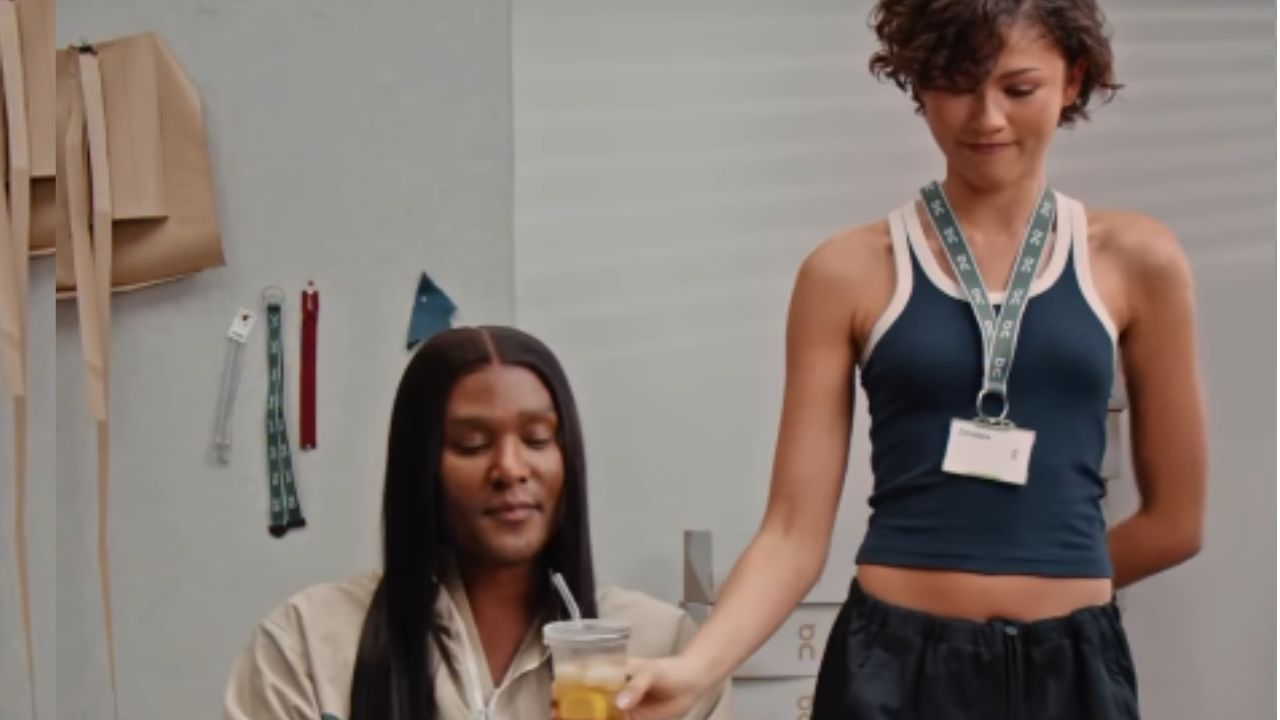
As those mirrored heads reflected the Met's glittering guests, Hejazi's decade-long obsession with reflection was finally getting its biggest stage.
Samar Hejazi's decade-long obsession that led her to the Met Gala
Samar Hejazi's mirrored mannequin concept did not appear overnight. Her earlier 2014 to 2015 sculptures already featured reflective surfaces using mirrors, crystals, and plaster. Her signature approach uses light, shadow, and distortion to dissolve the boundary between viewer and artwork. For the Met Gala 2026, she developed master molds across different genders and body types that were replicated at scale using 3D printing and mold-making techniques.
ADVERTISEMENT
Article continues below this ad
Speaking to The Globe and Mail, Hejazi described mixed feelings about participating. When Jeff Bezos's name came up, she acknowledged having an opinion but pivoted to a stronger one, her identity as a Palestinian artist. Despite Bezos facing public boycott calls as the gala's key funder, Hejazi chose presence over absence. She attended in a custom gown by Palestinian designer Zaid Farouki, a quiet but deliberate statement, leaving the mirrored heads as fashion's loudest night's most quietly radical moment.
ADVERTISEMENT
Article continues below this ad
What are your thoughts on Samar Hejazi's mirrored mannequin heads at the Met Gala? Let us know in the comments.
ADVERTISEMENT

Edited By: Aliza Siddiqui
More from Netflix Junkie on Hollywood News



ADVERTISEMENT