
Who is Cecilia Shen and Utopai? Meet The Ex-Google Engineer and Her AI-Driven Hollywood Studio

Credits: Cecilia Shen/ CeciliaShen888/ X
Credits: Cecilia Shen/ CeciliaShen888/ X
A new generation of technology entrepreneurs is attempting to reshape Hollywood through artificial intelligence, and one of the most prominent names in this movement is Cecilia Shen. The former Google X engineer transformed a startup focused on AI-generated 3D environments into Utopai Studios, the venture that recently attracted basketball icon Carmelo Anthony to join the company as a strategic partner alongside Asani Swann and Creative 7, with a reported investment of $1B.
This naturally raises curiosity about what went on behind the scenes to bring such an ambitious innovation to life. So, here's a closer look at Cecilia Shen’s journey and how this AI-driven Utopai Studios could help shape the future of Hollywood.
How Cecilia Shen went from Google X to Hollywood
ADVERTISEMENT
Article continues below this ad
Before becoming one of the most talked-about names in AI-powered filmmaking, Cecilia Shen was already building a career at the intersection of technology and artificial intelligence. Born in China and raised in Toronto, she developed an early fascination with robotics and emerging technologies, eventually enrolling at the University of Waterloo, one of Canada's most respected engineering and computer science institutions. Her passion for innovation only grew as the tech industry entered a new era shaped by rapid advances in artificial intelligence.
When the COVID-19 pandemic disrupted traditional career paths, Shen made the bold decision to leave university and pursue opportunities in the fast-growing AI sector. She first worked in artificial intelligence roles at the Royal Bank of Canada before joining Google X, Google's experimental moonshot division. It was there that she met future co-founder Jie Yang, and together they began exploring how AI could transform digital world-building and content creation. In 2022, the pair launched Cybever, a startup focused on generating detailed 3D virtual environments for video games and digital experiences, laying the groundwork for what would eventually evolve into Utopai Studios.
In August 2025, Shen officially rebranded Cybever as Utopai Studios, marking a major shift in the company's vision. Instead of focusing solely on providing AI tools for filmmakers, she set the startup on becoming a full-scale entertainment studio, developing and producing its own films and television projects. The move reflected a growing belief that artificial intelligence could play a role not just in production, but in shaping stories from the ground up.
However, the transition was about more than just technology for her. She argued that the real value in entertainment lies in creating and owning original intellectual property rather than simply supplying software to the industry.
“The problem is that selling the tool and positioning us as the next generation of a [visual effects] company, isn’t sey at all,” Shen told Forbes. “You can’t become a $10 billion dollar company as just a technology provider, you have to become a studio.”
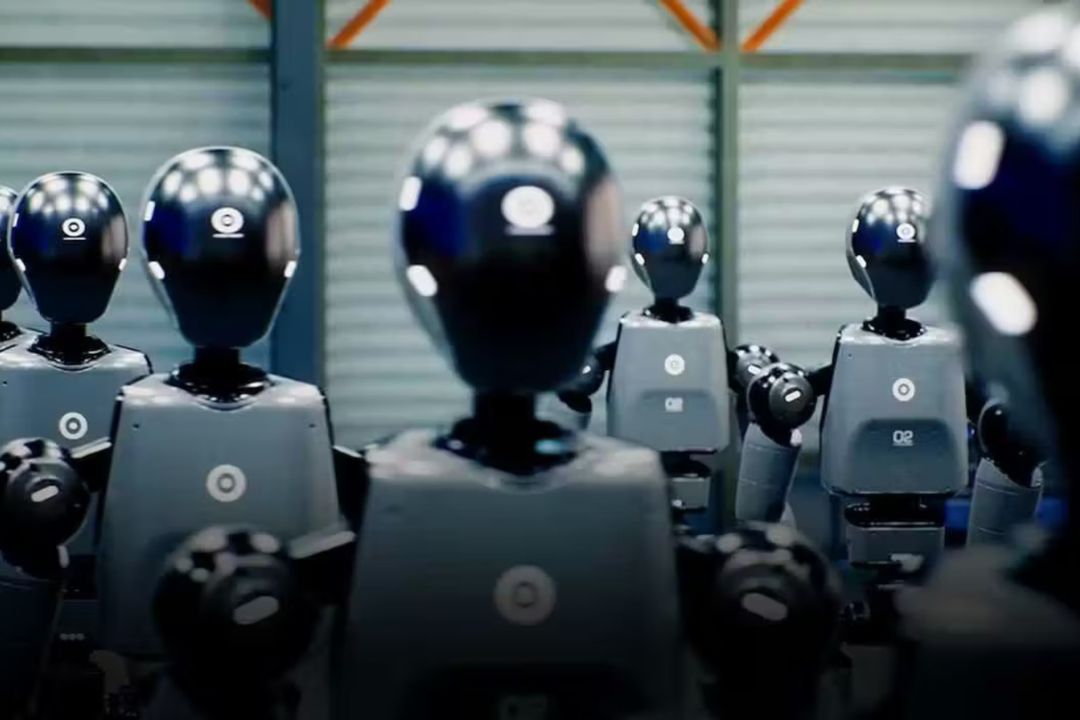
So, that philosophy became her driving force behind Utopai, and she transformed the company from an AI technology provider into a studio focused on bringing its own stories and creative projects to the screen.
Confidence in Shen's vision for Utopai grew significantly as well when Carmelo Anthony joined the company as an investor and strategic partner, with Forbes reporting that the partnership pushed the studio's valuation to roughly $1 billion, a remarkable milestone for a company that has only just begun developing its slate of film and television productions.
“What stood out to me wasn’t just how advanced the technology is, but the vision and intention behind it,” Anthony said via Forbes.
“Sports has always been grounded in real human stories that can translate to powerful entertainment IP, but bringing those stories to life hasn’t always been easy. [Utopai] changes that. It gives us a more accessible way to create and build something with long-term value.”
For Shen, building original films was not just a business decision but also a way to embrace new technology without losing sight of the importance of artistic integrity.
Cecilia Shen understands the importance of Art
In an interview with David Leichner of Authority Magazine, Cecelia Shen emphasized that creative authorship remains an important consideration in Utopai's approach to artificial intelligence. Rather than viewing AI as a replacement for artists, she described it as a tool that should work alongside creators while respecting the value of human creativity.
Shen also addressed broader concerns about generative AI, including the controversy over AI-generated artwork that mimics Studio Ghibli's distinctive style. Many critics have pointed to examples in which AI recreated visuals reminiscent of films such as Spirited Away or My Neighbor Totoro without the direct involvement or consent of their creator, Hayao Miyazaki. While discussing this, Shen acknowledged that the technology also brings significant challenges involving artistic ownership, attribution, and the protection of original creative work.
“How do we protect the integrity of human creativity when AI can replicate it so easily? As tools become more powerful, the conversation around ownership, attribution, and intent becomes even more urgent,” She said.
According to Shen, AI isn't just a tool for the final stages of production. She sees it as something that can support filmmakers from day one, helping them build worlds, refine stories, visualize scenes, and solve creative challenges along the way. Looking at Utopai's growing slate of movie and TV projects, it is clear that this vision is already beginning to take shape.
The Film and TV productions powering Utopai's vision
After rebranding as Utopai Studios in August 2025, the company made its ambitions clear with Cortés, a sweeping historical epic from Oscar-nominated writer Nicholas Kazan. Set against the backdrop of 1519, the two 100-minute feature films project chronicles Hernán Cortés' expedition and the fall of the Aztec Empire.
The story has often been viewed as too large and expensive to bring to life on screen, but Utopai sees it differently. By leveraging its AI-driven production pipeline, Cecilia Shen and her team believe they can tackle projects of this scale more efficiently, turning a long-considered "unfilmable" epic into one of the studio's flagship productions.
Another major title on Utopai's slate is Space Nation, an eight-episode science-fiction series first introduced as Project Space. Blending the high-flying action of Top Gun with the alien invasion stakes of War of the Worlds, the story follows a team of young pilots fighting to protect Earth from an extraterrestrial threat. The series is currently in development and has not yet received an official release date, with Utopai positioning it as one of the flagship projects showcasing its AI-powered production pipeline.
Despite still being in development, Space Nation has already attracted international attention. The project secured a co-production partnership with Brazil's Globoplay, one of the most significant deals announced by the studio to date.
Beyond Cortés and Space Nation, Utopai Studios has made it clear that its ambitions extend far beyond a handful of flagship productions. The company is actively developing original intellectual property across film, television, streaming, animation, and digital media, building a diverse slate designed to showcase its AI-assisted approach to storytelling.
One of the studio's most notable collaborations arrived in April 2026, when NBA superstar James Harden expanded his partnership with Utopai through his production company Thirteen Media. Together, they produced the animated short film Red and White, which follows a young basketball player pursuing his professional dreams while navigating the pressures and sacrifices that come with the sport.
ADVERTISEMENT
Article continues below this ad
The project offered an early glimpse into Utopai's broader vision for creator-driven entertainment. By pairing athlete-led storytelling with the studio's AI-powered production pipeline, Red and White demonstrated how original stories can be brought to the screen more quickly and efficiently while allowing creators to maintain ownership of their ideas and creative direction.

ADVERTISEMENT
Article continues below this ad
Will Cecilia Shen redefine modern filmmaking? Let us know in the comments.
ADVERTISEMENT

Edited By: Hriddhi Maitra
ADVERTISEMENT
ADVERTISEMENT
