
Which Spider-Man Is LGBTQ? Is There a Queer Spidey in Marvel?

SPIDER-MAN 3, Tobey Maguire, 2007. Sony Pictures/courtesy Everett Collection Sony Pictures/Courtesy Everett Collection ACHTUNG AUFNAHMEDATUM GESCHÄTZT PUBLICATIONxINxGERxSUIxAUTxONLY Copyright: xSonyxPictures/CourtesyxEverettxCollectionx MCDSPID EC200
SPIDER-MAN 3, Tobey Maguire, 2007. Sony Pictures/courtesy Everett Collection Sony Pictures/Courtesy Everett Collection ACHTUNG AUFNAHMEDATUM GESCHÄTZT PUBLICATIONxINxGERxSUIxAUTxONLY Copyright: xSonyxPictures/CourtesyxEverettxCollectionx MCDSPID EC200
Spider-Man has always represented the idea that anyone can wear the mask. From the streets of Queens to the furthest corners of the Spider-Verse, every new reality has expanded what that promise can look like. As Marvel's multiverse continues to grow, it has also created space for heroes whose identities reflect a broader world. That evolution has naturally sparked one recurring question among fans: Is there an LGBTQ+ Spider-Man? The answer is more nuanced than many expect, especially when separating the films from the comics.
The answer begins in the comics, where Marvel has introduced several queer Spider variants that continue to reshape the legacy of the web-slinger.
Is there an LGBTQ+ Spider-Man? Marvel's comics say yes
For fans of the live-action Spider-Man films starring Tobey Maguire, Andrew Garfield, or Tom Holland, the answer is straightforward. None of the cinematic Spider-Men have been portrayed as LGBTQ+, and Peter Parker has consistently been written as heterosexual across the major film franchises. The same largely applies to Marvel's primary Earth-616 comic version of Peter Parker. However, Marvel's Spider-Verse has never been limited to one wall-crawler. Across alternate realities, the publisher has introduced Spider heroes with different backgrounds, identities, and experiences.
The first canonical LGBTQ+ Spider-Man is Web-Weaver, also known as Cooper Coen, who debuted in Edge of Spider-Verse #5 in 2022. Created by writer Steve Foxe and artist Kris Anka, Cooper is Marvel's first openly gay Spider-Hero.
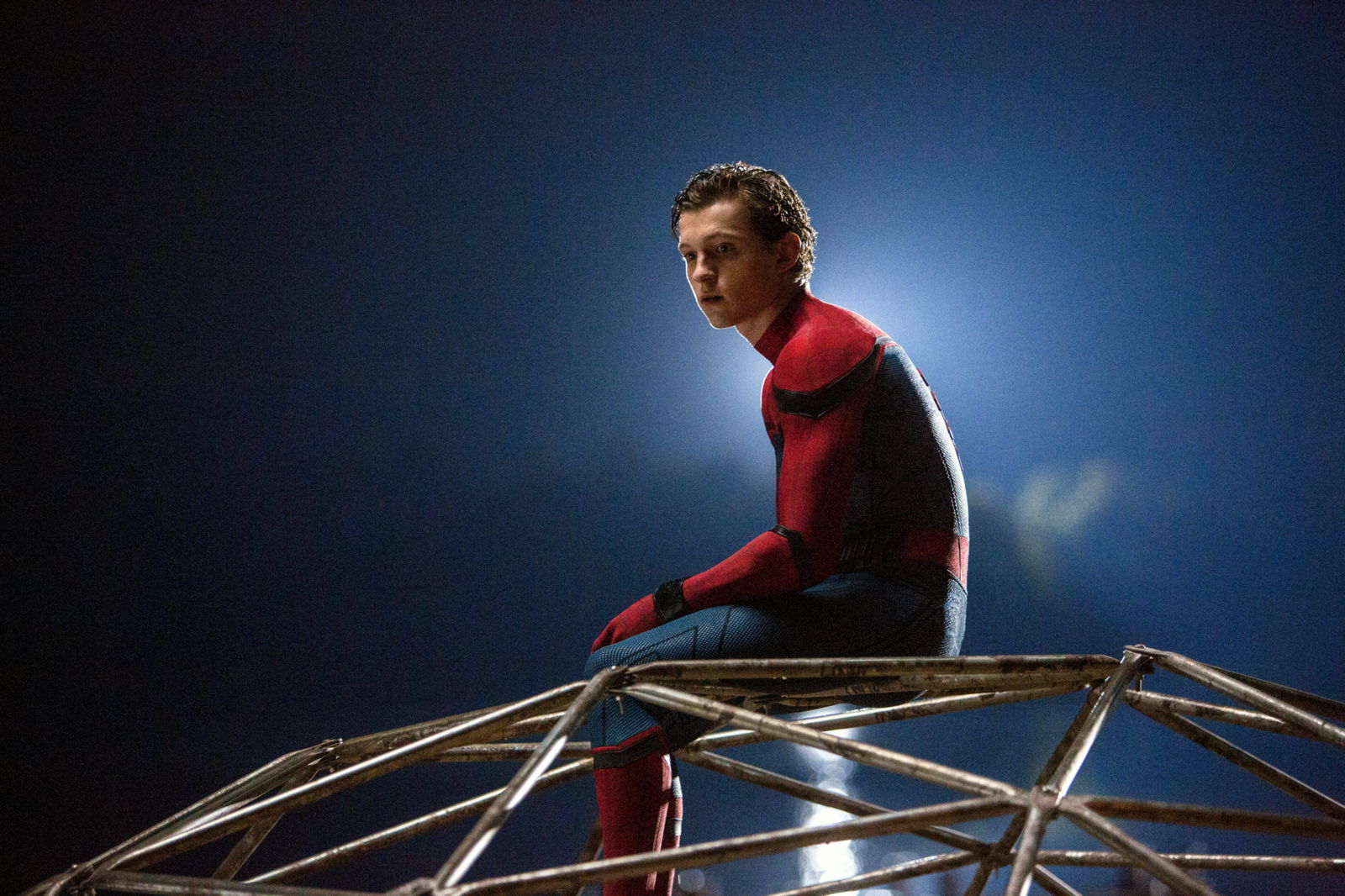
SPIDER-MAN: HOMECOMING, Tom Holland, 2017. ph: Chuck Zlotnick Columbia Pictures Courtesy Everett Collection !ACHTUNG AUFNAHMEDATUM GESCHÄTZT!
SPIDER-MAN: HOMECOMING, Tom Holland, 2017. ph: Chuck Zlotnick Columbia Pictures Courtesy Everett Collection !ACHTUNG AUFNAHMEDATUM GESCHÄTZT!
A talented fashion designer from Earth-71490, he balances runway sketches with super-heroics while bringing a distinctly stylish energy to the Spider-Verse. Rather than redefining Peter Parker, Web-Weaver expands the mythology by proving that the spider legacy belongs to far more than one person.

Beyond Web-Weaver, Marvel's multiverse introduces several other queer Spider characters and stories that continue to broaden the web.
Ultimate Jessica Drew offered another unique perspective
In Marvel's Ultimate Universe (Earth-1610), Jessica Drew is a female clone of Peter Parker who eventually embraces her own identity instead of living in Peter's shadow. Later stories establish her as a lesbian, adding another layer to one of the Ultimate line's most fascinating Spider characters. Although she shares Peter's DNA, Jessica's journey focuses on self-discovery, independence, and carving out a life that is entirely her own.
Spider-Woman Mary Jane Watson expanded the multiverse
Another lesser-known variant appears on Earth-8545, where Mary Jane Watson becomes Spider-Woman. Unlike the mainstream Mary Jane, this alternate version is depicted as bisexual. She is a reminder that Marvel's multiverse allows familiar faces to take on entirely new roles while exploring identities that differ from their Earth-616 counterparts.
Gwen Stacy's story resonates with queer audiences
Spider-Gwen, particularly through the Spider-Verse animated films, has never been officially confirmed as LGBTQ+. However, many fans have embraced her story as a powerful queer and transgender allegory. From the now-famous "Protect Trans Kids" poster in her universe to the pink, blue, and white palette surrounding many of her emotional scenes, Gwen's narrative has become deeply meaningful for many viewers, even if Marvel has not made those interpretations canon.
Marvel's Spider-Man games celebrate LGBTQ+ visibility
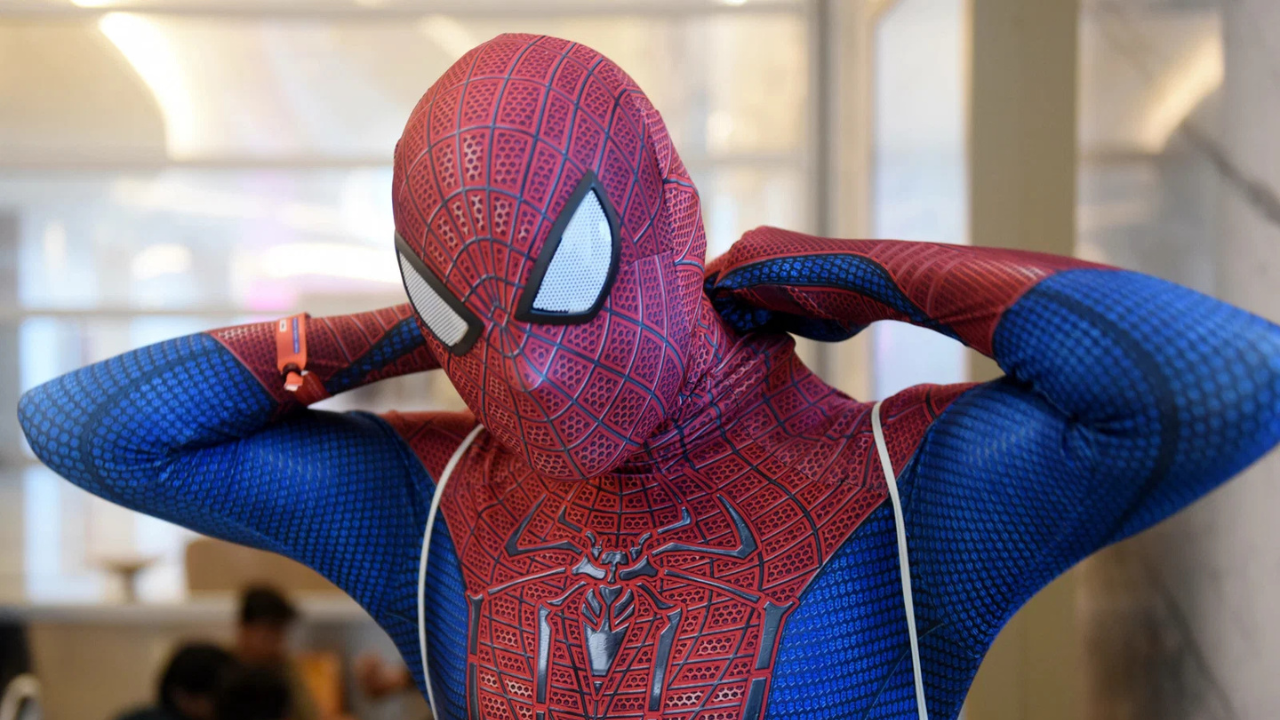
Insomniac Games' Marvel's Spider-Man series also embraces inclusion in quieter but memorable ways. Players can find a permanent Pride mural in New York City's Upper West Side, and one side mission has Peter Parker helping a gay couple during a heartfelt marriage proposal. These moments do not make Peter Parker LGBTQ+, but they show Marvel's wider Spider-Man universe acknowledging and celebrating diverse communities.
via Imago
Credits: Imago
While Peter Parker's identity remains unchanged in Insomniac Games' Marvel's Spider-Man universe, the developers have quietly woven LGBTQ+ representation into the fabric of New York City itself. Beginning with Marvel's Spider-Man: Miles Morales and continuing through Marvel's Spider-Man 2, players can spot a permanent Pride mural in Manhattan's Upper West Side, reflecting the city's real-world diversity rather than treating inclusion as a one-off event. It is the kind of environmental storytelling that superhero games often excel at, where the world feels alive because its people do. Instead of making representation the centerpiece of the narrative, Insomniac allows it to exist naturally in the background, making the digital version of New York feel more authentic.
Marvel's Spider-Verse continues to prove that the famous mask can represent countless lives and experiences without changing the essence of Spider-Man himself. As the multiverse keeps expanding, so will the stories woven into its web.

What are your thoughts on Marvel's LGBTQ+ Spider characters? Share your favorite Spider-Verse hero and join the conversation in the comments.

Edited By: Itti Mahajan
