
Where Is the Sundance Film Festival Held and How a Mountain Town Became the Heart of Indie Film
For more than four decades, the Sundance Film Festival has reshaped the landscape of independent cinema. It was at Sundance that S--, Lies, and Videotape by Steven Soderbergh won the inaugural Audience Award and helped redefine indie filmmaking as commercially and critically viable, while Quentin Tarantino’s Reservoir Dogs built his reputation as a bold new voice in cinema after its Sundance debut.
This story of discovery and elevation is central to Sundance’s identity and influence, an influence that has enriched global cinema for nearly 50 years.
Where is the Sundance Film Festival held?
ADVERTISEMENT
Article continues below this ad
The Sundance Film Festival did not begin as a global tastemaker. Its origins trace back to 1978, when it launched as the Utah/US Film Festival in Salt Lake City, created by Robert Redford to draw attention to American films operating outside the Hollywood system. At the time, independent cinema had limited visibility, and the festival functioned as a regional attempt to give non-studio filmmakers a platform.
By 1981, the festival had fully settled in Park City and aligned itself with the newly established Sundance Institute, which Redford founded the same year to support independent storytellers year-round. The festival eventually adopted the name Sundance Film Festival, a reference to Redford’s character in Butch Cassidy and the Sundance Kid, signaling its formal identity and long-term mission.
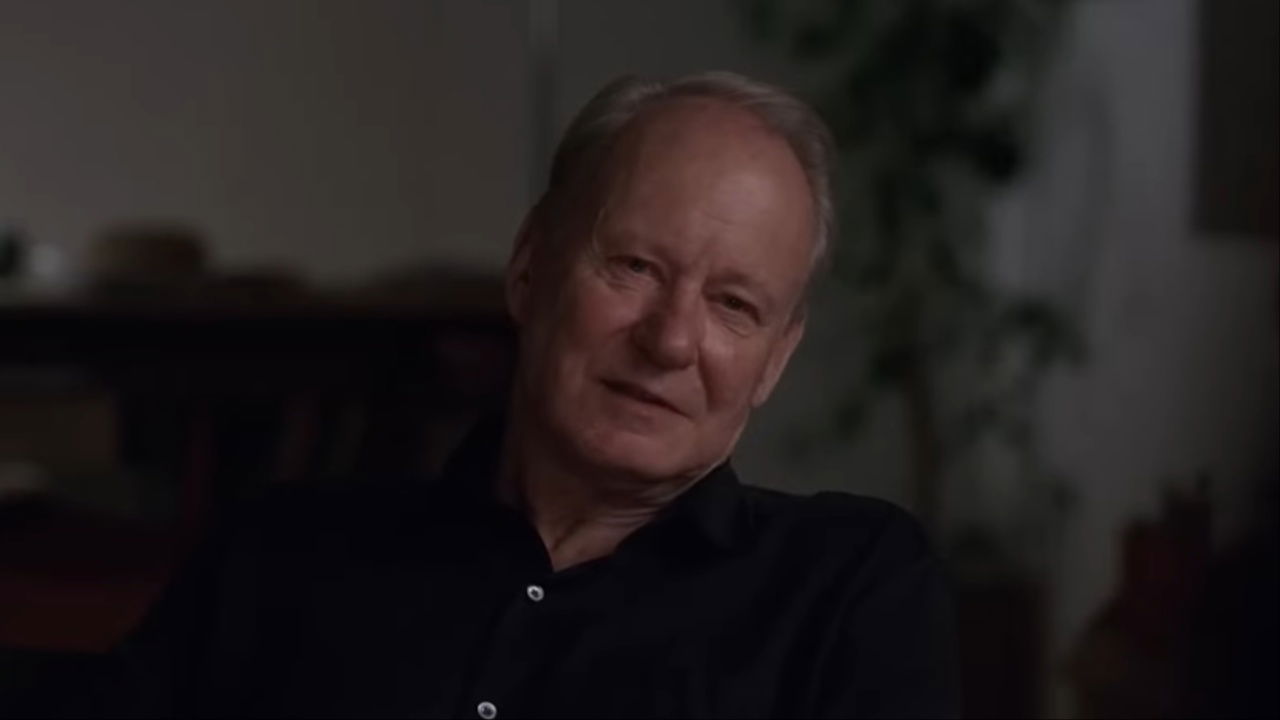
Yet change is coming. After decades in Utah, Sundance will make a historic move to Boulder, Colorado, beginning in 2027, marking the end of an era in Park City. But how did this film festival shaped the 'indie' scene of world cinema.
When a place became a brand for Sundance
Over time, Park City became inseparable from Sundance’s reputation. Each January, the mountain town transformed into a temporary crossroads for filmmakers, critics, distributors, and journalists. The festival’s selection process emerged as one of the most competitive in global film culture, amidst the likes of Cannes. In the 2025 edition, the festival received 15,775 submissions from 156 countries, including over 4,000 feature films, yet only 93 projects were chosen for feature and episodic programs. Being featured at Sundance has real career and industry consequences.
ADVERTISEMENT
Article continues below this ad
Films that premiere there often become acquisition targets for distributors, streaming platforms, and awards campaigns, providing filmmakers with exposure far beyond what typical release circuits offer. Notable Sundance discoveries include CODA, which premiered at the festival before winning the Academy Award for Best Picture in 2022, the first Sundance premiere to do so. Sundance has also helped launch directors who now define modern cinema, including Quentin Tarantino, Ava DuVernay, Chloé Zhao, and Ryan Coogler.
From a modest regional festival to the world’s most influential independent film showcases, Sundance’s story is one of artistic courage and industry transformation. As it prepares for its final Utah edition and future in Boulder, the festival’s legacy endures in the filmmakers it has elevated and the stories that continue to redefine cinema.

ADVERTISEMENT
Article continues below this ad
Share your thoughts on Sundance’s journey and what films you’re most excited to see this year.
ADVERTISEMENT

Edited By: Hriddhi Maitra
More from Netflix Junkie on Hollywood News



ADVERTISEMENT