
What Exactly Is InterPositive? Is It Going To Make AI Movies for Netflix? Ben Affleck’s Creative Vision Explained
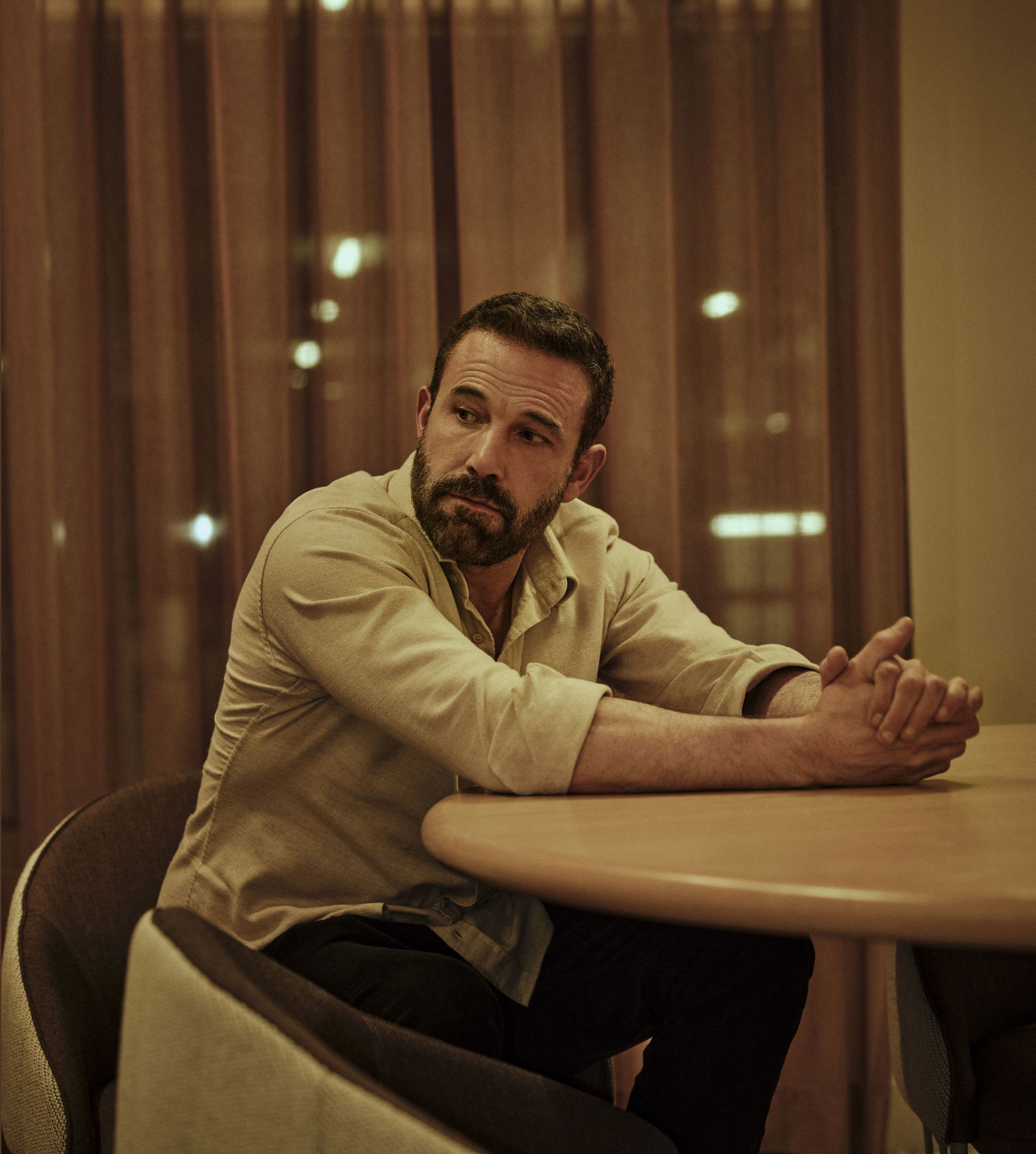
For a company that just lost what looked like a near-finished licensing deal with Warner Bros. to Paramount Pictures, Netflix is not behaving like a studio licking its wounds. Inside the streamer’s content corridors, the strategy appears almost preloaded. Deals keep moving, projects keep launching, and the latest headline, Netflix acquiring InterPositive, the AI filmmaking startup founded by Ben Affleck, has generated the exact kind of industry chatter the platform thrives on.
But amid the buzzwords and algorithm anxiety, one question keeps surfacing across production offices and film-Twitter threads alike: what exactly is Ben Affleck’s AI company supposed to do?
What is InterPositive? Is it another AI-generated slop maker?
ADVERTISEMENT
Article continues below this ad
InterPositive, founded by Ben Affleck in 2022, was conceived less as a text-to-video generator and more as a filmmaker’s backstage assistant. On March 5, 2026, Netflix confirmed it had acquired the startup, folding its technology directly into the platform’s creative workflow.
Unlike generative AI systems that attempt to conjure entire scenes from prompts, InterPositive focuses on creator-led tools that work with existing footage. Affleck originally built the platform after observing early AI models in film production and realizing they lacked a filmmaker’s understanding of the craft.
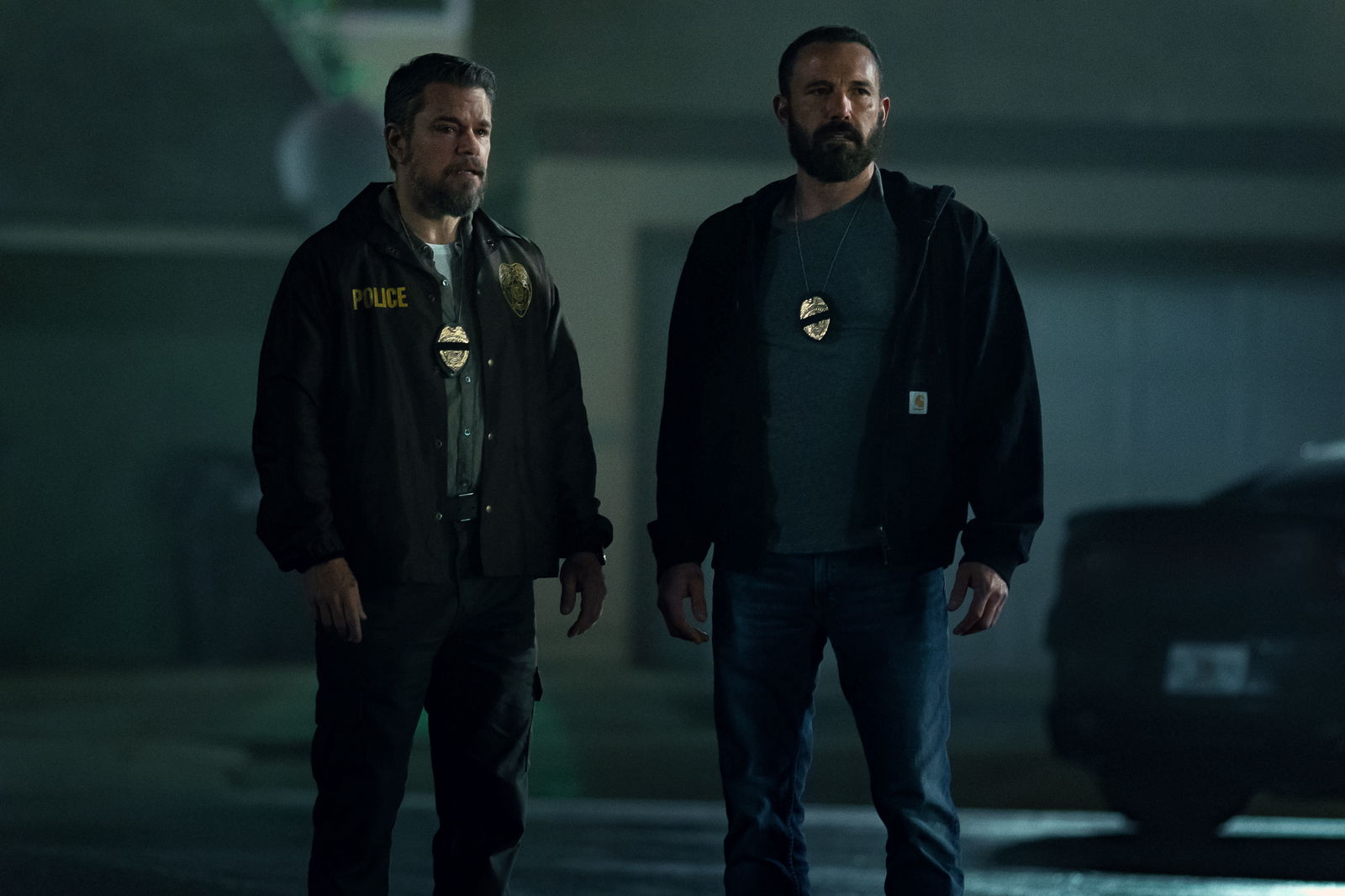
The acquisition also marks Netflix’s second deal with Affleck in less than a week. The streamer recently partnered with Matt Damon and Affleck’s production banner Artists Equity, a collaboration that already had Hollywood insiders whispering about a deeper strategic alignment.
Netflix executives framed the move as a creator-first innovation. Chief content officer Bela Bajaria said the technology gives filmmakers amplified reins over their vision, while chief technology officer Elizabeth Stone emphasized that the goal is better filmmaking, not cheaper or faster production.
But the bigger question hanging in the air is what this technology could actually change on set.
Could InterPositive quietly reshape filmmaking?
One of the platform’s most immediate uses is in post-production. Directors and editors can adjust lighting, color balance, and environmental details after a scene is shot, or digitally remove stunt wires and background errors. It also tackles common production problems like missing coverage or inconsistent backgrounds while preserving the visual logic of a scene.
The system was trained on a proprietary dataset filmed on a controlled soundstage designed to mimic real production environments. That training allows the model to understand cinematography principles, lens distortion, lighting changes, and editorial continuity, rather than simply generating imagery.
ADVERTISEMENT
Article continues below this ad
Crucially, the design philosophy remains artist-centric. Creative decisions stay with filmmakers instead of being automated away. Netflix plans to integrate the entire 16-person InterPositive team into its technology division.
For now, the company says these tools will be offered only to Netflix’s creative partners, not sold commercially. Which means the real test will not be in press releases or demos, it will be in the next wave of shows and films quietly refined by technology audiences may never even notice.
ADVERTISEMENT
Article continues below this ad
What do you think about Netflix integrating AI tools like InterPositive into filmmaking? Share your thoughts.
ADVERTISEMENT

Edited By: Adiba Nizami
ADVERTISEMENT
ADVERTISEMENT
