
"We Were Out by Lunch"- Tim Robbins Reveals How Efficiently Clint Eastwood Shoots
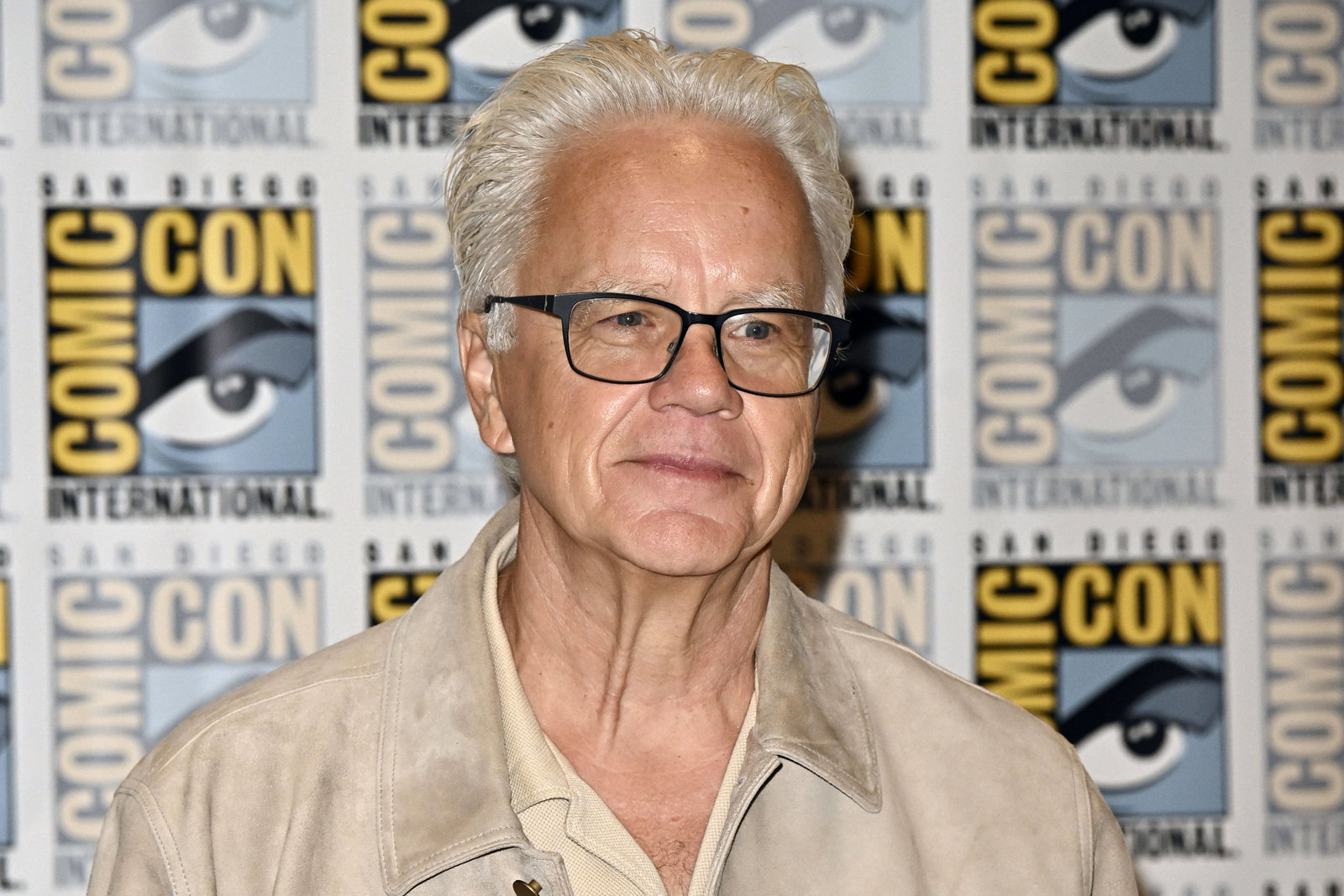
Tim Robbins beim Photocall zur 3. Staffel der Apple TV Serie Silo auf der San Diego Comic-Con International 2026 im Hilton Bayfront Hotel. San Diego, 25.07.2026 *** Tim Robbins at the photo call for Season 3 of the Apple TV series *Silo* at San Diego Comic-Con International 2026 at the Hilton Bayfront Hotel in San Diego, July 25, 2026 Foto:xD.xStarbuckx xFuturexImagex silo_6720
Tim Robbins beim Photocall zur 3. Staffel der Apple TV Serie Silo auf der San Diego Comic-Con International 2026 im Hilton Bayfront Hotel. San Diego, 25.07.2026 *** Tim Robbins at the photo call for Season 3 of the Apple TV series *Silo* at San Diego Comic-Con International 2026 at the Hilton Bayfront Hotel in San Diego, July 25, 2026 Foto:xD.xStarbuckx xFuturexImagex silo_6720
Some filmmakers are known for sprawling production schedules, countless setups, and repeated takes until every frame feels meticulously controlled. Others take a far more restrained approach, trusting preparation, instinct, and the performances in front of the camera. That difference can shape not only a movie’s production but also the experience of everyone working on it. Tim Robbins recently offered an intriguing look at one legendary director whose filmmaking philosophy embraced exactly that kind of discipline.
Robbins lifted the curtain on a director who was least interested in watching the same scene twice.
Tim Robbins on the filmmaker who left little room for retakes
Speaking on the SmartLess podcast, Tim Robbins recalled working with Clint Eastwood and revealed just how quickly the director could move through a shooting day. Eastwood’s no-nonsense approach meant there was little room for endless rehearsals or repeated takes. For Robbins, the experience demonstrated how preparation and trust could keep a major production moving without exhausting its cast and crew.
“We had like 6 hour days, 7 hours day. Most of the time, we were out by lunch. Because we would do one take,” said Tim Robbins on the SmartLess podcast.
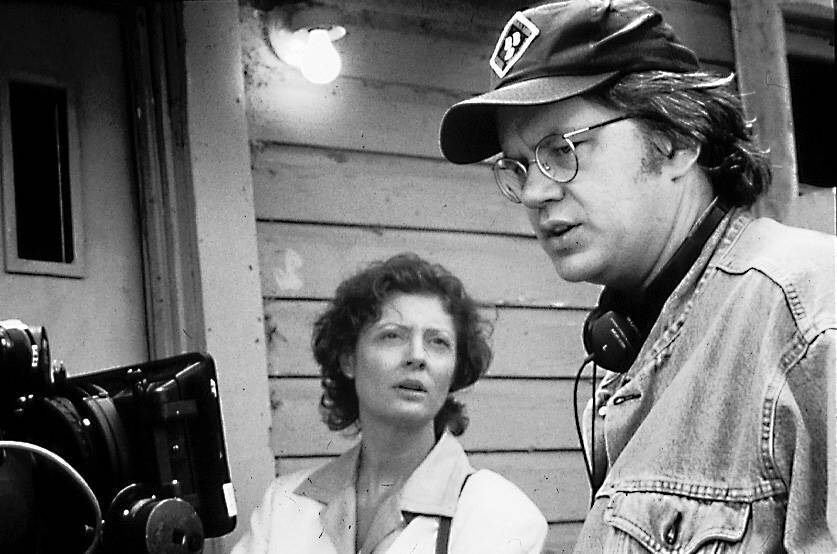
Dead Man Walking Set Susan Sarandon Tim Robbins,Regisseur Robbins mit Hauptdarstellerin und Ehefrau Susan Sarandon Copyright: TBM UnitedArchives9638026
Dead Man Walking Set Susan Sarandon Tim Robbins,Regisseur Robbins mit Hauptdarstellerin und Ehefrau Susan Sarandon Copyright: TBM UnitedArchives9638026
Tim Robbins’ comments on SmartLess podcast highlight Eastwood’s famously economical directing style. Rather than repeatedly shooting the same scene, Eastwood often trusted his actors to arrive prepared and capture the performance with minimal fuss. The approach demanded focus but also created a notably relaxed working environment compared with productions where 12- or 16-hour days are common.
That philosophy was especially evident during Robbins’ work on Mystic River (2003), where he delivered his Oscar-winning performance as Dave Boyle. The actor has previously described Eastwood’s sets as highly efficient, with short days allowing cast and crew to maintain lives away from the production.
That emphasis on realism and restraint also connects with another important part of Robbins’ career: his longstanding interest in the criminal justice system.
His personal history shaped his prison advocacy
Academy Award-winning actor and director Tim Robbins recently joined the SmartLess podcast. During the exchange, the host asked Robbins if his prison advocacy work began when he directed the acclaimed 1995 film Dead Man Walking. Robbins corrected the host, explaining that his awareness of the correctional system began much earlier, in his youth.
“I was kind of aware of it growing up. I had friends that went to jail,” Robbins shared, acknowledging how a supportive family background helped keep his own life on a different path. He further clarified that his formal active involvement with prison organizations began in New York following his breakout acting role in Bull Durham.
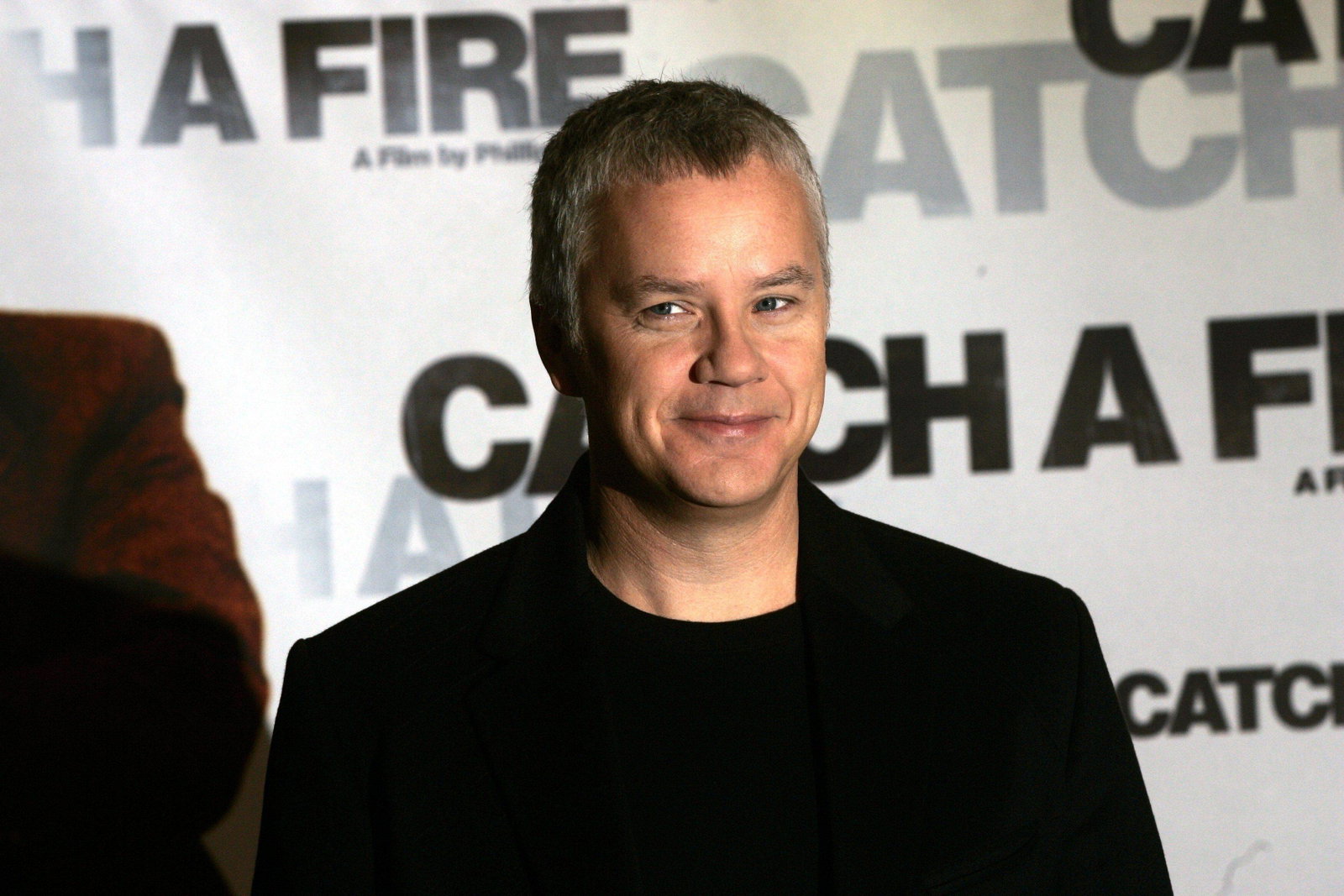
via Imago
Credits: IMAGO / Mauersberger
“But, and then I did some work with some prison organizations back in New York when I first, you know, after Bull Durham. But then I did Shawshank (The Shawshank Redemption) and then Dead Man Walking,” he said on the SmartLess podcast.
The timeline shows that Robbins’ advocacy preceded his most famous films dealing with incarceration and the justice system. His experiences, performances, and directing work have therefore remained closely connected to his interest in the human stories behind the institutions.
From Eastwood’s disciplined sets to his own work exploring incarceration, Robbins’ career reflects a commitment to authenticity. Whether acting in front of the camera or directing behind it, he has repeatedly embraced filmmaking that values performance, humanity, and purpose over unnecessary excess. For Robbins, Eastwood’s efficient approach remains a memorable example of how preparation and trust can produce great work without sacrificing everyone’s time.
What do you think of Clint Eastwood’s one-take filmmaking style? Share your thoughts in the comments!

Edited By: Aliza Siddiqui
