
“We Are the Antidote” – Wim Wenders Clarifies Controversial Comments on Cinema and Politics
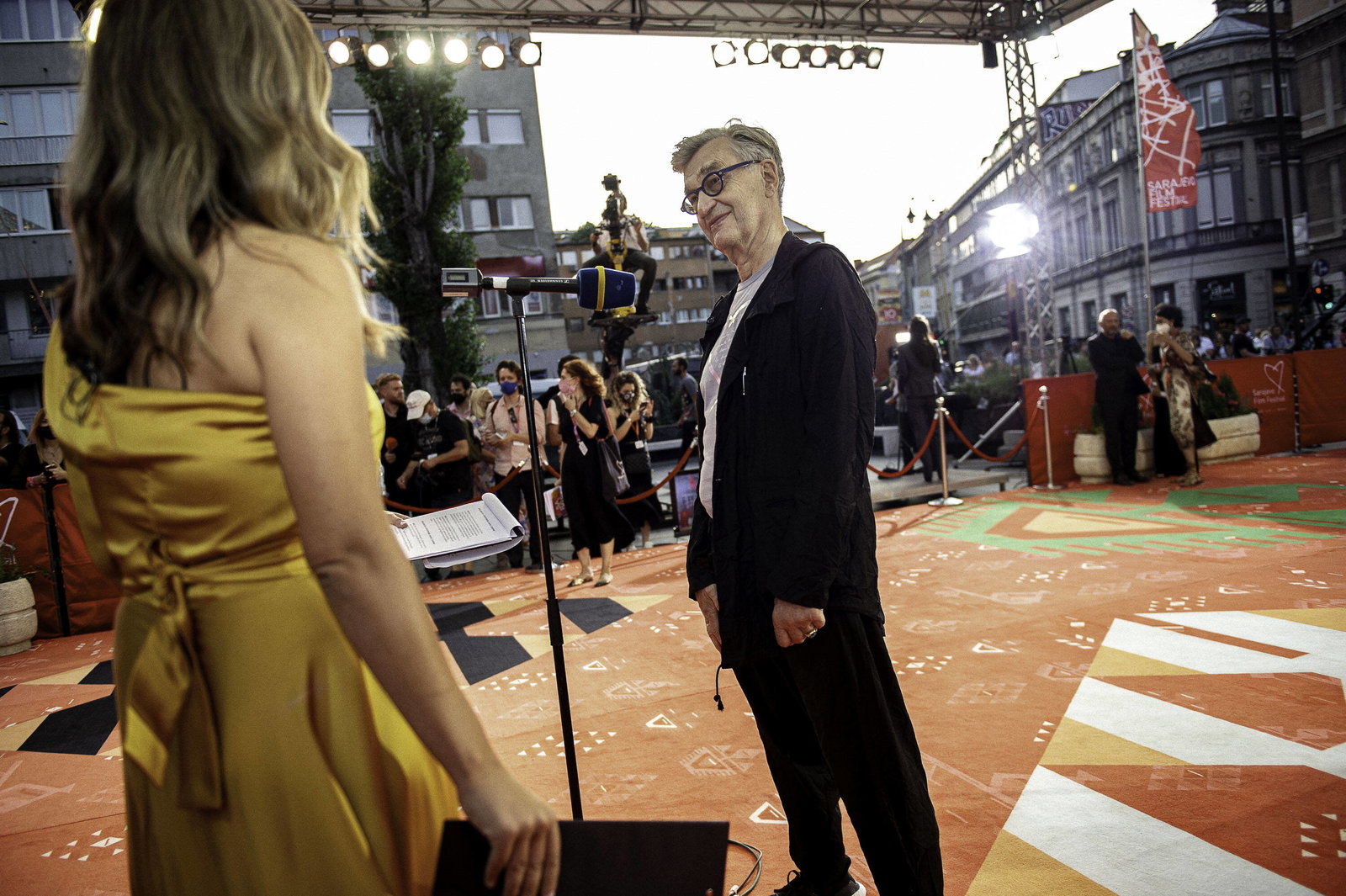
August 13, 2021, Sarajevo, Bosnia and Herzegovina: Film director, Wim Wenders speaks to members of the press at the opening of the 27th Sarajevo Film Festival. Sarajevo Bosnia and Herzegovina - ZUMAs197 20210813_zaa_s197_137
August 13, 2021, Sarajevo, Bosnia and Herzegovina: Film director, Wim Wenders speaks to members of the press at the opening of the 27th Sarajevo Film Festival. Sarajevo Bosnia and Herzegovina - ZUMAs197 20210813_zaa_s197_137
Wim Wenders has provided an explanation for his comments on cinema and politics made earlier this year. While speaking one’s mind is essentially a fundamental right of an individual, the implications of this drastically differ when fame, power, and influence enter the equation.
For those who are some of the most listened-to voices in the world, their words hold the power either to divide or to unite the masses. Even though most people in such positions go for the first option, they sometimes end up in the latter category. This is exactly what happened with the famous German filmmaker Wim Wenders earlier this year at the Berlin Film Festival.
But he has now addressed the controversy and gone into the actual meaning of these statements.
Wim Wenders clarifies stance on political filmmaking
Wim Wenders has provided clarification on his widely publicized remarks regarding the political duty of filmmakers, which sparked a heated debate at the 2026 Berlin Film Festival earlier this year. Wenders was the focus of a contentious discussion at the Berlinale in February after the renowned German director, who presided over the jury, stated during the opening press conference that filmmakers should avoid getting involved in politics.
When asked about his remarks on Sunday at a press conference at the Venice Film Festival, where he is showcasing his most recent documentary, From Inside Out – The Architecture of Peter Zumthor, Wenders acknowledged that he should be more precise but stated he could reiterate the same phrase.
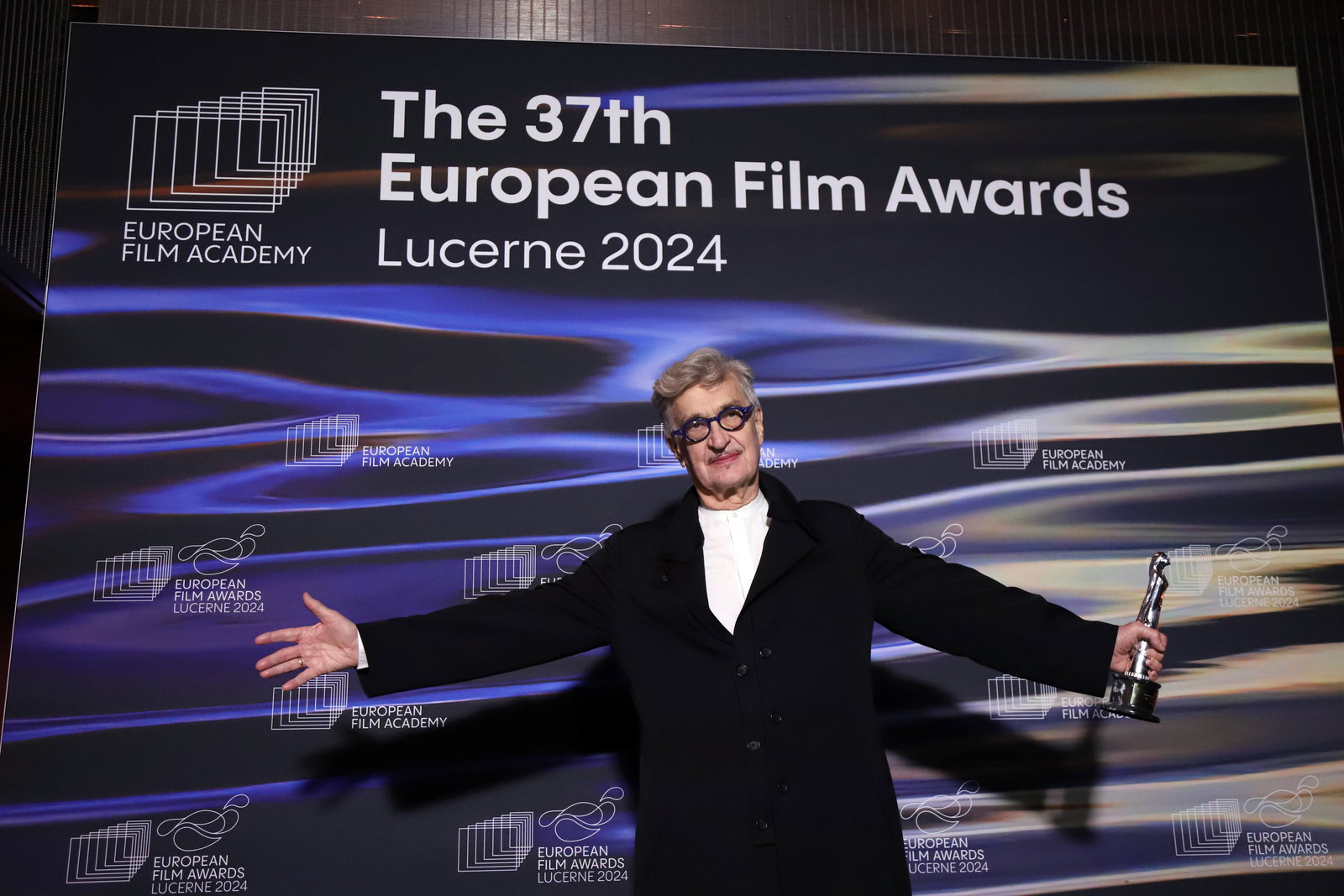
Shot on December 7, 2024 European Film Awards 2024 at the Culture and Convention Center Lucerne KKL Luzern in Lucerne, Switzerland Wim Wenders European Lifetime Achievement Award
Shot on December 7, 2024 European Film Awards 2024 at the Culture and Convention Center Lucerne KKL Luzern in Lucerne, Switzerland Wim Wenders European Lifetime Achievement Award
“What I said then was, as filmmakers, we are the opposite of politicians. We have empathy. Politics work without empathy; that’s all I said,” Wenders said.
“I said it again, and I hope you’re not misquoting me and say we have to stay out of politics, because we do the opposite. We are the antidote,” the German director added.
Addressing how his earlier words were interpreted, the director pushed back against reports claiming he suggested filmmakers should stay entirely out of politics. Instead, Wenders emphasized that he meant filmmakers must not adopt a political mindset, noting that cinema follows an entirely different set of rules.
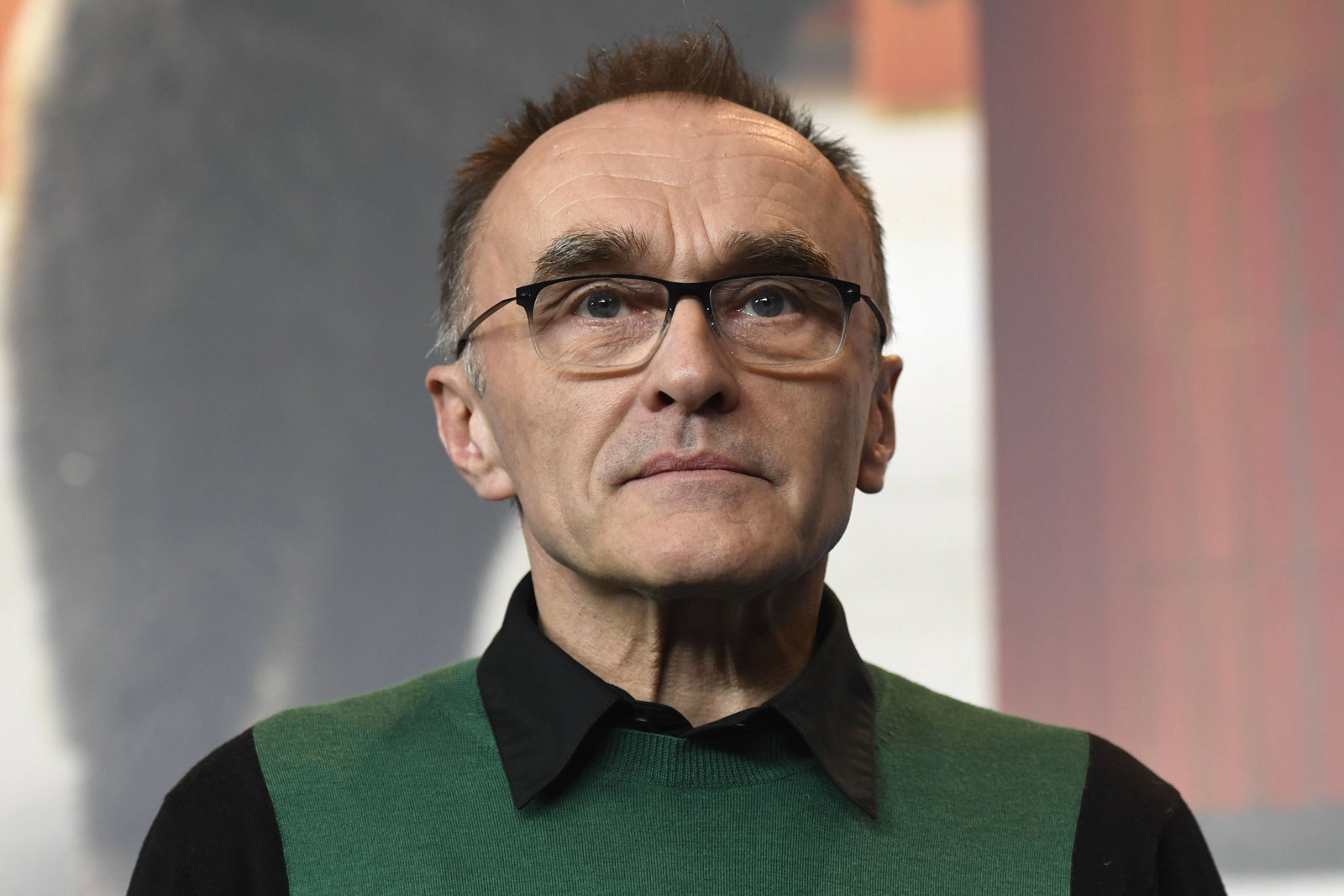
Since the filmmaker’s initial comments, many famous figures around the world have expressed their opinion on this, the latest of whom is Maggie Gyllenhaal.
Maggie Gyllenhaal gives her take on this whole matter
Speaking at the festival's opening press conference in Venice, jury president Maggie Gyllenhaal addressed the somber backdrop of the event, querying how the industry could justify celebrating cinema while the world finds itself in a state of emergency. Answering her own question, Gyllenhaal asserted that movies are "fundamentally, undeniably political," arguing that their ultimate purpose lies in cultivating empathy by providing audiences with a unique gateway to discover compassion within themselves.
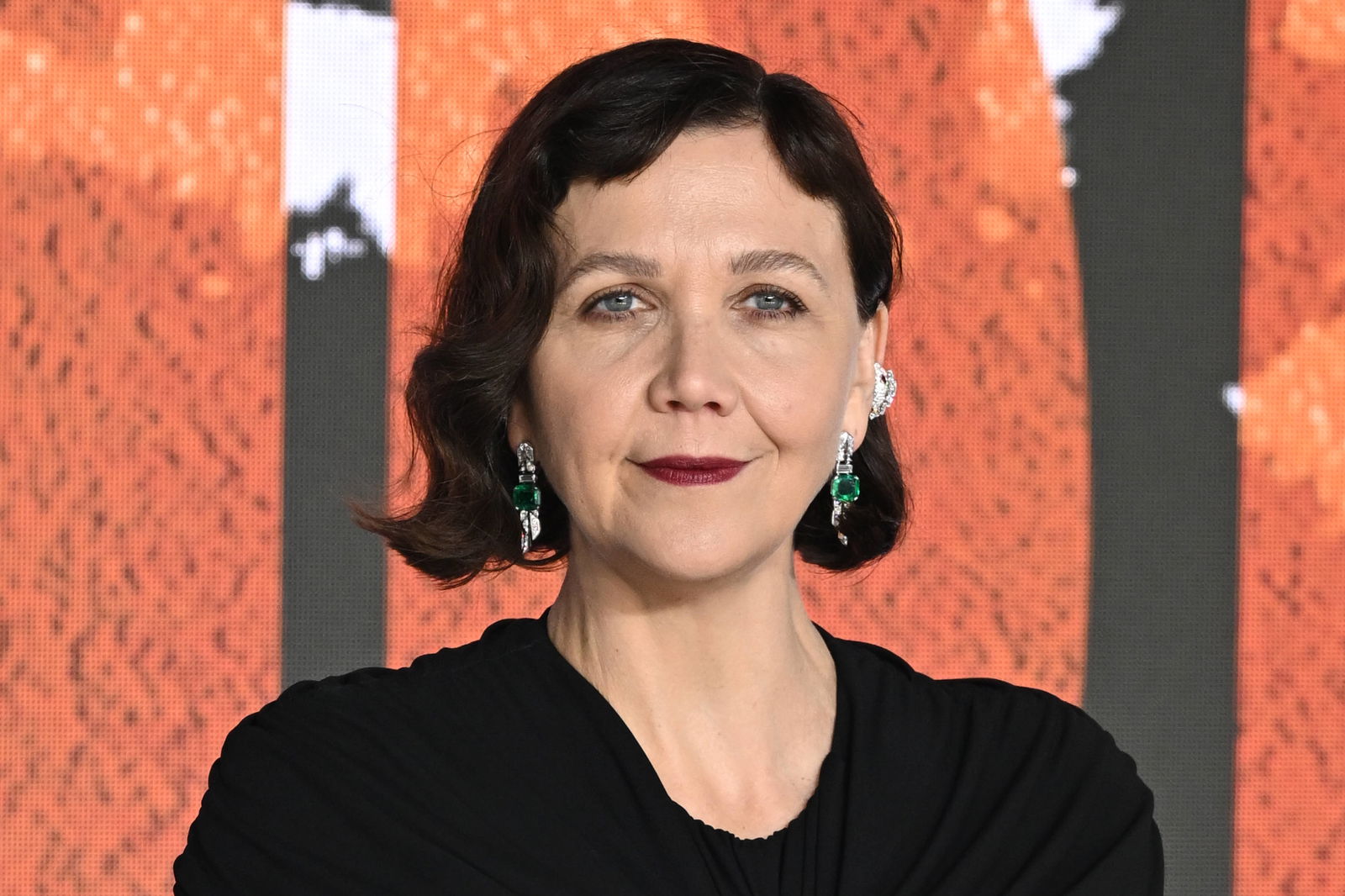
via Imago
Credits: Imago
Despite Wim Wenders’ clarification, the debate still remains pretty much alive, drawing in more and more reactions. The discourse, much like the AI in films topic, has a certain nuance to it that incites so many diverse opinions on the matter. While politics is an undeniable part of society, can it really be separated from films if cinema, in general, is a mirror to society?
What do you think of Wim Wenders’ clarification of his previous statements? Do let us know.

Edited By: Hriddhi Maitra
