
Watch: ‘The Bride’ New Looks Flaunt Golden Globe-Winner Jessie Buckley, Christian Bale in the Classic Tale
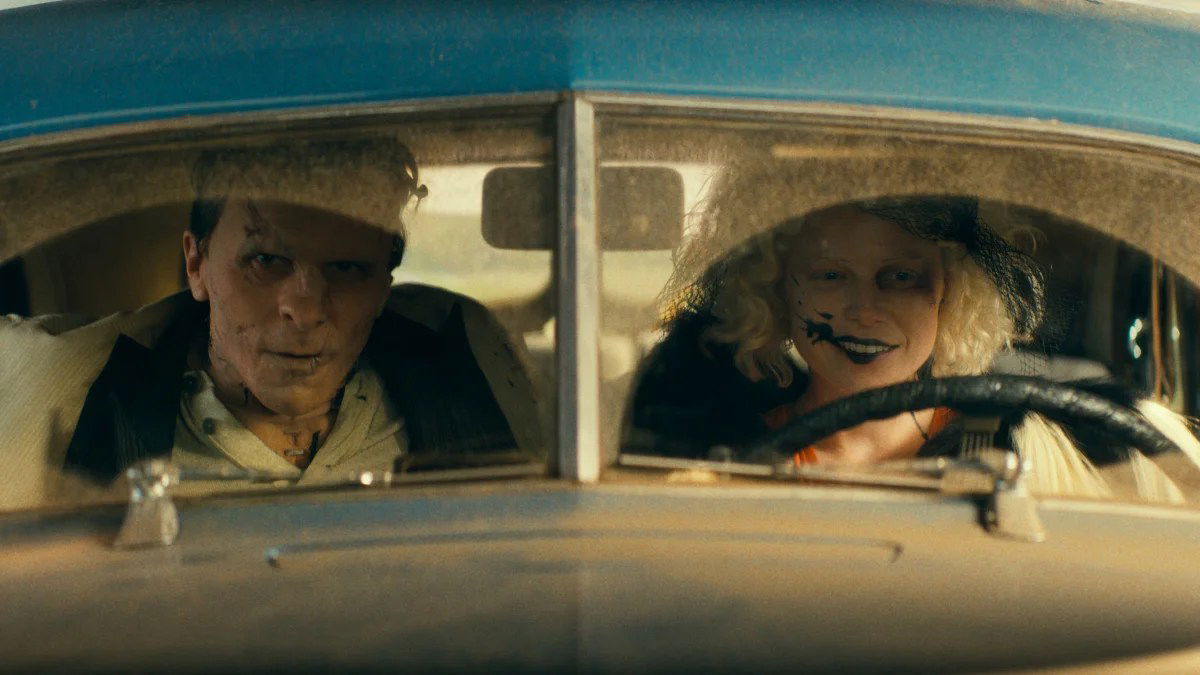
Brides, in cinema, have long existed as ornamental conclusions rather than narrative engines, stitched together, unveiled, then quietly forgotten. Nowhere is that more literal than in the Frankenstein mythos, where the bride has historically arrived as a final flourish, denied interiority, voice, or consequence. Maggie Gyllenhaal’s The Bride detonates that tradition.
At its center is Jessie Buckley, no longer an accessory to myth but its axis, reimagining The Bride not as an endpoint, but as an awakening.
Fresh images from The Bride suggest a film steeped in gothic extremity, feral, confrontational, and unafraid of excess. The newly revealed looks hint at something closer to a punk-romance fever dream.
ADVERTISEMENT
Article continues below this ad
Jessie Buckley’s new look as The Bride reveals a gothic rebellion
In a striking Entertainment Weekly photoshoot, Jessie Buckley appears less assembled than summoned, a corpse bride clawing her way out of shadow and fog, her movements erratic, defiant, almost possessed. The imagery leans hard into physicality: contorted limbs, severed illusions, a body that refuses stillness. This Bride is not delicate, she is dangerous.
Christian Bale’s Frankenstein’s monster, who pointedly calls himself Frank contrasts her volatility with aching restraint, as seen in Entertainment Weekly. Scarred, weighted, and mournful, his presence evokes Karloff’s tragedy filtered through a modern existential lens. Together, their visual language suggests a romance forged in collision rather than completion.
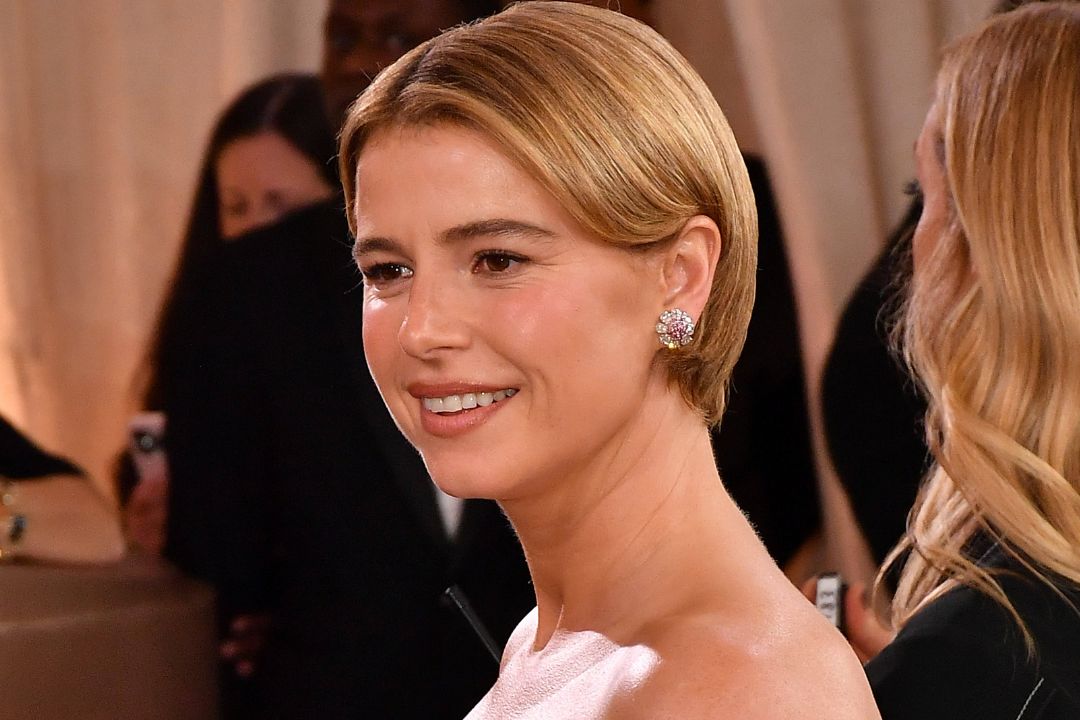
What these images suggest is not a reverent remake, but a rupture. The Bride looks less interested in honoring the Frankenstein legacy than in unsettling it, stripping the myth of its restraint.
The Bride is more than a monster love story
Where The Bride truly mutates the familiar legend is in scope. Inspired loosely by James Whale’s 1935 classic, and more intimately by Elsa Lanchester’s iconic silhouette, Maggie Gyllenhaal reframes the story. She puts it as a meditation on identity, authorship, and autonomy. Frank, after a century of isolation, seeks companionship not out of domination, but desperation, turning to Dr. Euphronious (Annette Bening) to make him someone who might understand his loneliness.
ADVERTISEMENT
Article continues below this ad
Jessie Buckley’s performance anchors this ambition by splitting itself three ways. After playing Shakespeare's bride in Hamnet, she embodies Mary Shelley herself, speaking beyond the grave; Ida, a murdered woman erased by history; and the Bride, an amnesiac force who names herself anew. Each role interrogates creation, who controls it, who survives it, and who gets to be remembered.
The Bride does not ask to be accepted by Frankenstein purists, it challenges them to keep up. Gyllenhaal and Buckley deliver a gothic reinvention that treats the female body not as an object of horror, but as its author.
ADVERTISEMENT
Article continues below this ad
What do you think? Is this the Bride Frankenstein always owed us? Share your thoughts.
ADVERTISEMENT

Edited By: Hriddhi Maitra
ADVERTISEMENT
ADVERTISEMENT
