
UK Government Calls BBC, Netflix and Live Nation to Address Growing Abuse Concerns
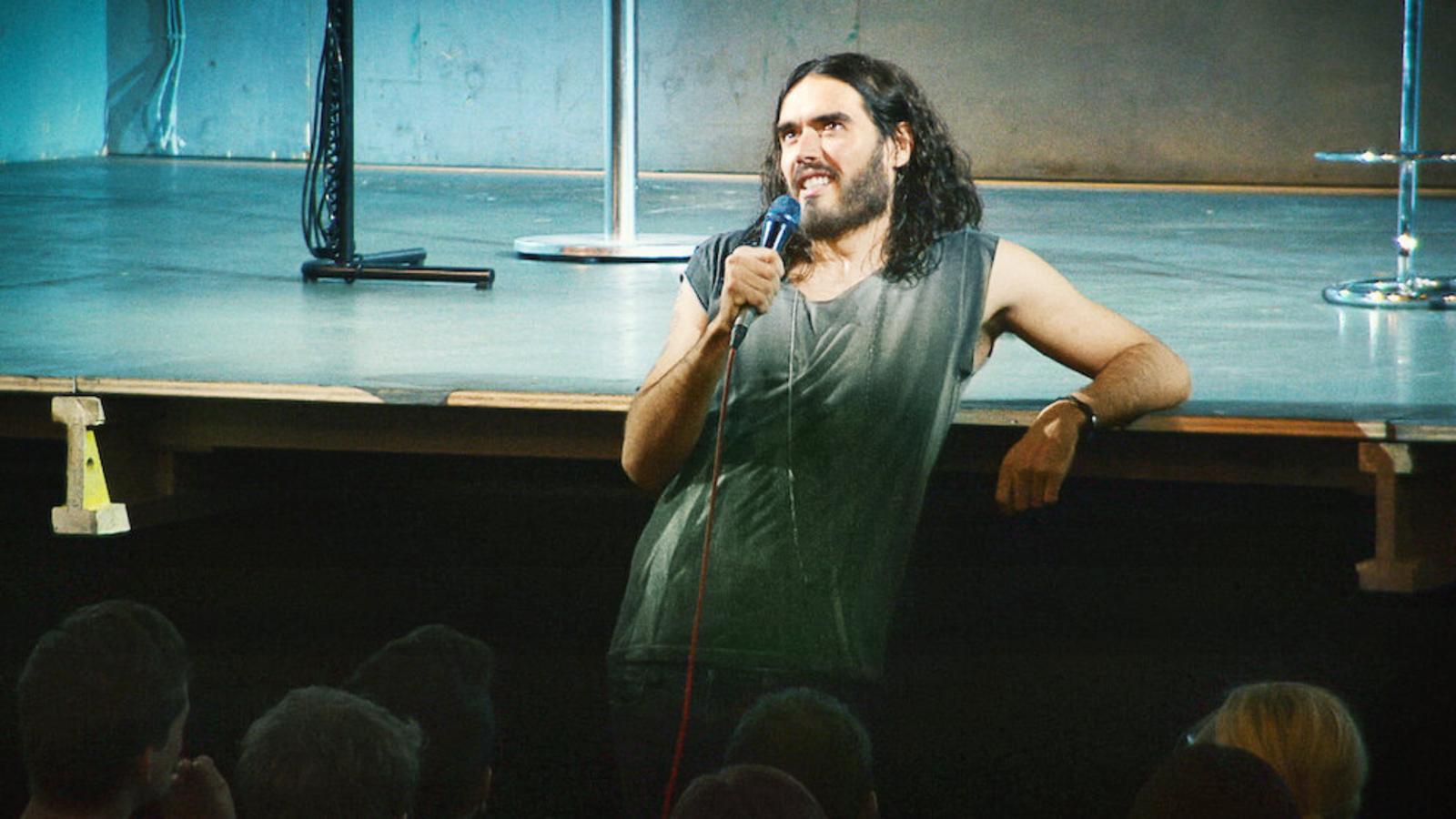
Russell Brand’s 10-year-and-six-month prison sentence for r*** and s***** a****** has brought renewed attention to the entertainment industry's history of protecting powerful personalities. The conviction has also intensified questions about how individuals accused of serious misconduct continued to find professional opportunities across television, film, music, and broadcasting. Now, some of Britain's biggest entertainment companies are being called upon to confront the industry's long-standing accountability problem.
The reckoning is no longer limited to individual careers or isolated production scandals. With fresh allegations emerging and questions about workplace safeguards growing louder, the UK government is looking to make the industry's response considerably more than another round of public assurances.
BBC, Netflix and Live Nation among entertainment giants called to account
According to Variety, Culture Secretary Lisa Nandy convened a government meeting on Monday, November 16, bringing together representatives from the BBC, Netflix, Live Nation, ITV, NBCUniversal, Amazon, and HarperCollins, alongside sports organizations and other industry bodies. The meeting was organized against the backdrop of multiple abuse scandals that have raised questions about how entertainment companies protect employees, performers, and production contributors.
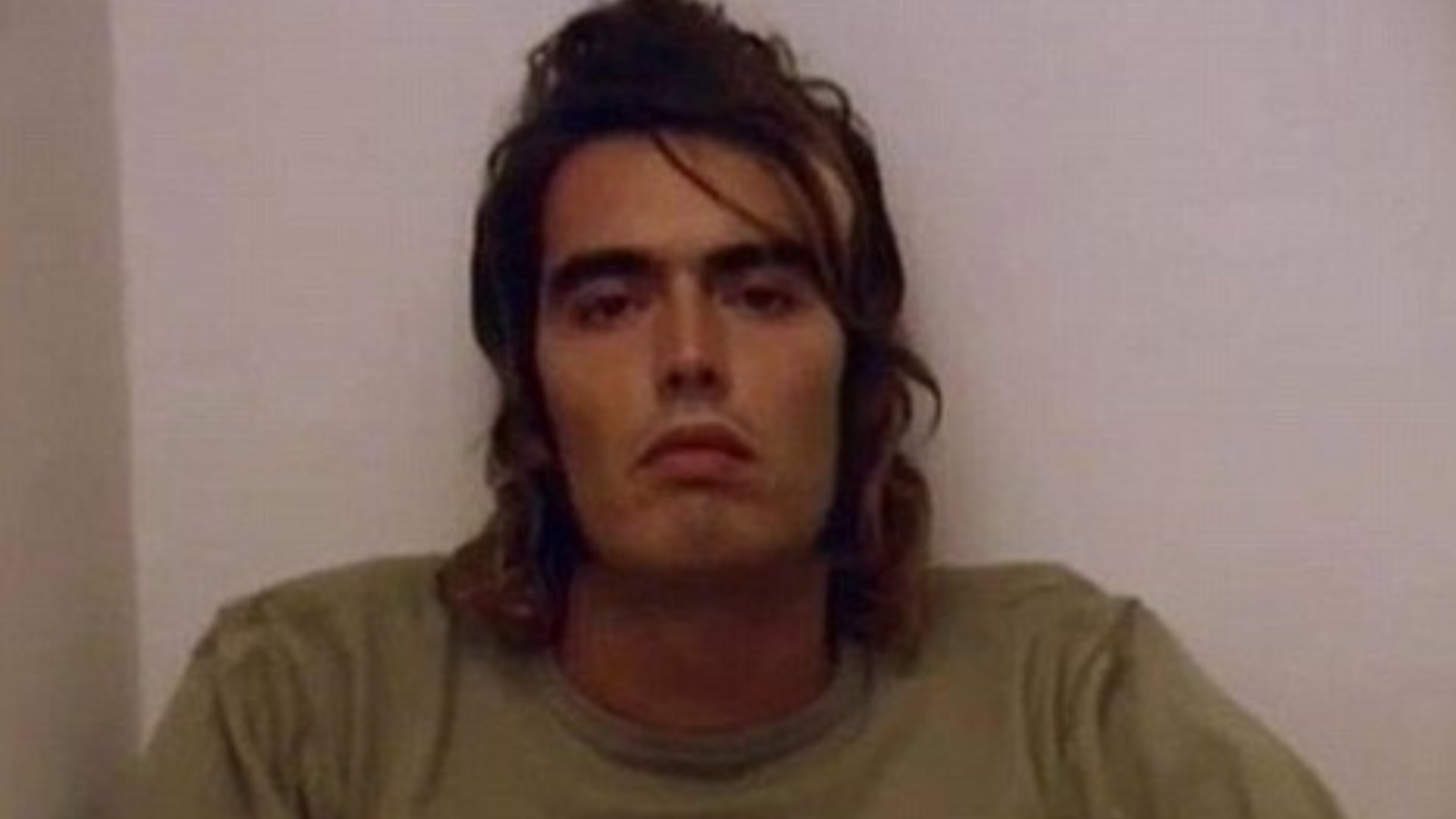
The timing is particularly significant. Brand was convicted on November 5 of one count of r*** and three counts of s***** a****** involving four women, with the offences dating from 2004 to 2009. He was sentenced on November 9. Meanwhile, the Metropolitan Police has opened an investigation into allegations of non-recent serious s***** offences involving David Walliams, who denies wrongdoing. Variety also noted the cancellation of Channel 4's Married at First Sight UK following serious allegations made by female contestants.
But meaningful reform requires more than executives acknowledging that the problem exists. One of the central challenges has always been giving workers a safe, independent route to report misconduct, particularly when the individuals involved hold considerable professional influence.
CIISA pushes for stronger whistleblower protections across entertainment
The Creative Industries Independent Standards Authority (CIISA) was also represented at the meeting. Lisa Nandy reiterated her support for the organization, which emerged from the UK's Me Too movement to establish independent standards and improve workplace accountability. Its chief executive, Jen Smith, urged the assembled organizations to support its work and help strengthen protections across the creative sectors.
CIISA's role is particularly important because it has been formally designated a Prescribed Person under UK whistleblowing legislation, effective June 2, 2026. This allows workers in film, television, music, and theatre to raise concerns about harassment, discrimination, victimization, and harmful workplace practices outside their immediate organizations, potentially accessing additional legal protections even where nondisclosure agreements are involved.
The meeting also brought together representatives from organizations including the 2026 May awards host BAFTA, BFI, BECTU, Equity, Sony, Universal Music, Warner Music, Sky, Skydance, Penguin Random House, and the Musicians' Union. Their presence underscored how widely the issue extends beyond broadcasters and streaming platforms into publishing, live performance, and the wider creative workforce.
The government's intervention marks an important moment for an industry that has repeatedly faced questions about power imbalances and institutional accountability. Whether the meeting translates into enforceable safeguards, however, remains to be seen.
Do you think stronger government intervention is necessary to address abuse across the entertainment industry? Share your thoughts in the comments.

Edited By: Adiba Nizami
