
TV’s Most Powerful Coming-Out Scenes And Why They Still Matter

[data:image/gif;base64,R0lGODlhAQABAAAAACH5BAEKAAEALAAAAAABAAEAAAICTAEAOw==]https://www.staging.netflixjunkie.com/wp-content/uploads/2022/04/sex-education-bridge.jpg
[data:image/gif;base64,R0lGODlhAQABAAAAACH5BAEKAAEALAAAAAABAAEAAAICTAEAOw==]https://www.staging.netflixjunkie.com/wp-content/uploads/2022/04/sex-education-bridge.jpg
Coming-out scenes have long been some of television's most emotional and defining moments. Whether met with acceptance, uncertainty, heartbreak, or celebration, these scenes often capture a turning point in a character's journey toward living authentically. More than just memorable plot developments, they have helped shape conversations about LGBTQ+ representation, giving audiences stories that reflect real experiences and struggles.
From groundbreaking moments that challenged television norms to recent portrayals that showcase the growing diversity of queer narratives, these coming-out scenes continue to resonate years later. Here are 10 of TV's most powerful coming-out moments and why they still stir up reminiscence today.
1. Robin Buckley in Stranger Things (Season 3)
Robin Buckley's coming-out scene in Season 3, Episode 7, Chapter Seven: The Bite of Stranger Things is one of the series' most heartfelt moments. Set in a bathroom inside Hawkins' Starcourt Mall after she and Steve Harrington escape Soviet captivity, the scene begins like a familiar teen romance confession. After growing close to Robin throughout the season, Steve admits he has feelings for her, leading viewers to expect a romantic payoff. Instead, Robin reveals that she never liked Steve that way. The person she was secretly obsessed with in high school was Tammy Thompson, a girl from their class.
The scene stands out because of its sincerity. Robin doesn't make a dramatic announcement or deliver an emotional speech. Instead, she opens up about the jealousy and insecurity she felt while watching Tammy interact with Steve, knowing she could never express her own feelings.
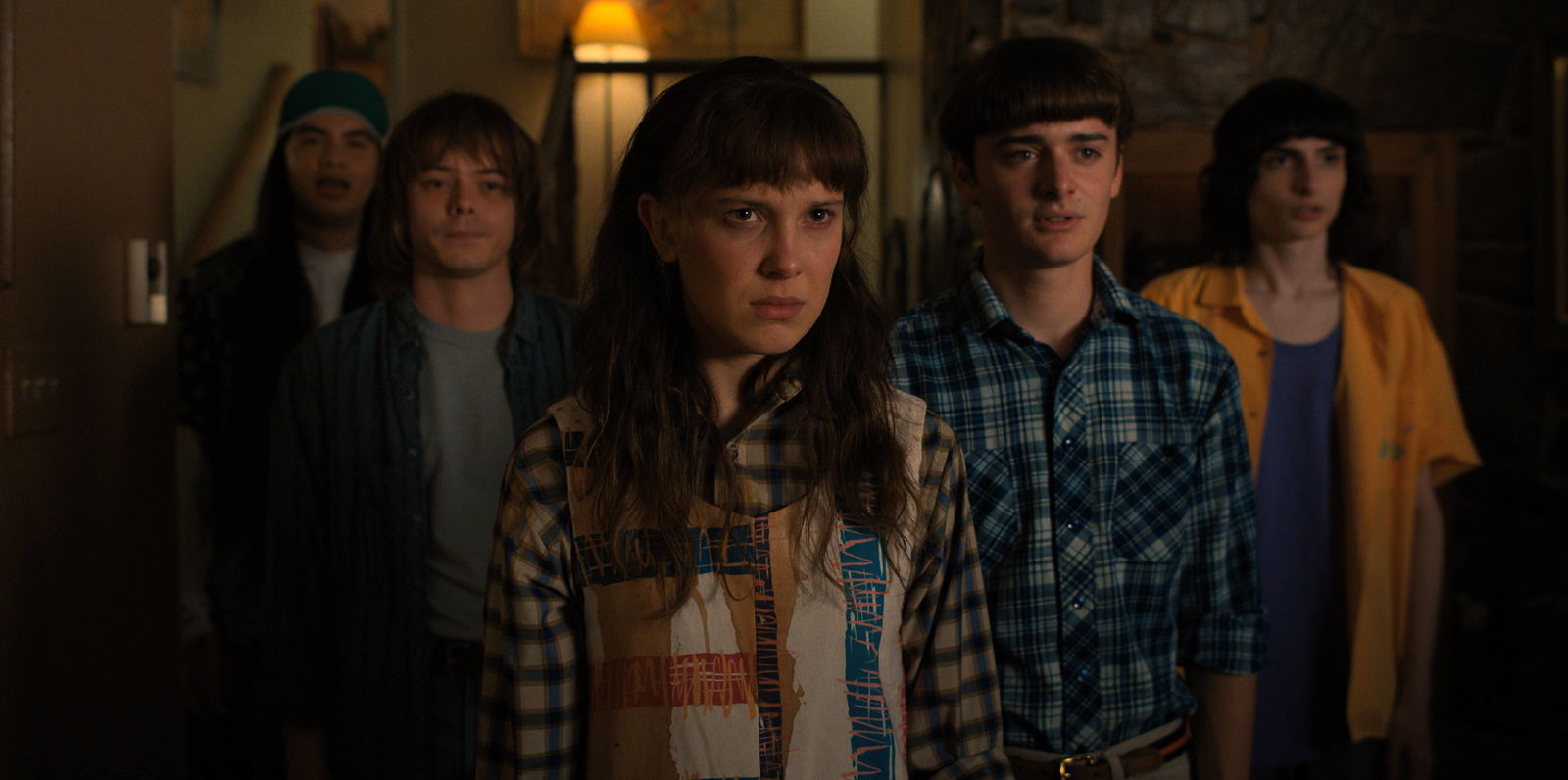
In a story set in 1985, when coming out carried significant risks, the moment feels authentic, vulnerable, and refreshingly understated.
2. Fabiola Torres in Never Have I Ever (Season 1)
In Never Have I Ever, Fabiola Torres' coming-out scene is memorable not because it is dramatic, but because it is filled with warmth, humor, and unwavering friendship. After spending much of Season 1 struggling to understand and accept her sexuality, Fabiola finally tells her best friend Eleanor that she is gay in Season 1, Episode 5, ...started a nuclear war.
The conversation takes place during a school trip as Fabiola opens up about feelings she has been keeping to herself for months. Eleanor immediately embraces her friend and enthusiastically begins asking questions, including the now-iconic one: whether Fabiola's celebrity crush is Kristen Stewart from Twilight or Kristen Stewart from Charlie's Angels, making it a standout scene because it portrays coming out as a moment of support rather than conflict. Eleanor's instant acceptance allows Fabiola to feel seen and understood, creating one of the show's most heartfelt depictions of friendship and LGBTQ+ representation.
3. Rosa Diaz in Brooklyn Nine-Nine (Season 5)
Few sitcoms have tackled coming out with as much sincerity as Brooklyn Nine-Nine. Rosa Diaz's coming-out scene is powerful because it doesn't rely on a perfect ending. Instead, it embraces the complicated reality many LGBTQ+ people face when sharing their identity with family. The episode reminds viewers that courage isn't measured by the reaction you receive, but by your willingness to be honest in the first place, balancing heartbreak with hope and highlighting the importance of finding support when acceptance doesn't come from where you expected.
The scene takes place in Season 5, Episode 10, Game Night, when Rosa sits down with her parents after first coming out to her colleagues at the Nine-Nine. Hoping for acceptance, she tells them that she is bisexual. Instead, her parents dismiss her sexuality as a phase and struggle to understand who she is, leaving Rosa devastated.
The storyline is elevated by Stephanie Beatriz's nuanced performance and the show's refusal to offer an easy resolution. While Rosa's relationship with her parents remains strained, she finds unwavering support from Jake, Captain Holt, and the rest of the squad, transforming the episode into a moving story about resilience, found family, and living authentically despite rejection.
4. Sophie Moore in Batwoman (Season 1)
In Season 1, Episode 14, Grinning From Ear to Ear, of Batwoman, when Sophie Moore comes out to her mother, she faces a heartbreaking rejection, making this scene especially powerful because it highlights how difficult self-acceptance can be when family expectations and fear of rejection are involved.
Throughout the series, Sophie struggles with her feelings for Kate Kane and the pressure to hide her sexuality, having spent years denying parts of herself out of fear of disappointing her mother. Rather than presenting coming out as a single triumphant moment, the show portrays it as the culmination of a long and painful personal journey.
After years of avoiding the conversation, Sophie finally tells her mother the truth about her sexuality and admits that she has been hiding who she really is. The response is heartbreaking to say the least. Her mother makes it clear that she cannot accept Sophie's identity, forcing Sophie to confront one of her greatest fears. While the rejection is devastating, the scene underscores Sophie's determination to stop hiding who she is, even if it means losing the approval of someone she deeply loves.
5. David Rose in Schitt's Creek (Season 1)
What makes David Rose's coming-out scene in Schitt's Creek one of television's most memorable moments is its effortless portrayal of pansexuality. Rather than treating David's identity as a source of conflict, confusion, or shame, the show presents it with warmth, humor, and complete acceptance. Stevie understands immediately, and the conversation moves on naturally, reflecting the inclusive and judgment-free world that Schitt's Creek intentionally created.
The moment takes place in Season 1, Episode 10, Honeymoon, when David is talking with Stevie Budd after the two have slept together, and she becomes curious about his sexuality. While shopping together, Stevie asks whether he prefers "red wine" or "white wine," using wine as a metaphor for men and women. David responds that he enjoys red wine, white wine, rosé, and even "a Merlot that used to be a Chardonnay" before delivering the now-iconic line: "I like the wine, not the label." The simple analogy remains one of television's clearest explanations of sexual fluidity.
6. Omar Shanaa in Elite (Season 2)
One of the most emotional coming-out storylines in Elite belongs to Omar Shanaa, whose relationship with Ander Muñoz forces him to confront the expectations of his conservative family. Throughout the series, Omar struggles to balance his love for Ander with the fear of being rejected by his parents, particularly his father. Rather than treating his sexuality as a simple revelation, Elite portrays coming out as a difficult and deeply personal journey, shaped by cultural, religious, and family pressures.
Season 2, Episode 2, 34 horas missing finds this anchor after Omar publicly kisses Ander at a nightclub and begins refusing to hide who he is any longer. When he returns home, his parents confront him, and the tension that has been building for years finally erupts. The conversation ends with Omar's father ordering him to leave the family home, forcing Omar to choose authenticity over acceptance. The scene is heartbreaking because it reflects a reality many LGBTQ+ people face, yet it also marks a turning point in Omar's life as he decides to live openly and moves in with Ander, embracing his identity despite the consequences.
7. Callie Torres in Grey's Anatomy (Season 6)
In Grey's Anatomy, Callie Torres' confrontation with her father stands as one of the series' most powerful LGBTQ+ storylines because it explores the painful reality of seeking acceptance from someone you love. After coming out and revealing her relationship with Arizona Robbins, Callie is forced to confront her father, Carlos Torres' refusal to accept her sexuality. Rather than glossing over the conflict, the show portrays the emotional toll of family rejection with honesty and nuance.
The pivotal confrontation unfolds in Season 6, Episode 5, Invasion, at Seattle Grace Hospital. After arriving with a priest in an attempt to convince Callie to leave Arizona and "become straight," Carlos sparks a heartbreaking confrontation with his daughter. Callie refuses to back down, challenging both his interpretation of faith and his rejection of her identity. The scene becomes even more emotional when Arizona defends their relationship, explaining how her own military father accepted her for who she was. Rather than choosing her father's approval, Callie chooses herself, making the storyline a powerful portrayal of self-acceptance, resilience, and the courage to live authentically.
8. Eric Effiong in Sex Education (Season 1)
In Sex Education Season 1, Episode 7, Episode 7, just before the school dance, Eric Effiong shares one of the show's most powerful coming-out moments. Dressed in a vibrant outfit and makeup that fully reflect who he is, Eric is stopped by his father, who worries that standing out will make him a target. But the conversation quickly becomes something much deeper when Eric calmly explains that hiding parts of himself will not protect him from pain and that this is simply who he is.
What makes the scene so memorable is that it isn't really about revealing Eric's sexuality. He has already been openly gay for years. Instead, it is about refusing to shrink himself to make others comfortable. After facing bullying, rejection, and constant pressure to tone down his flamboyant personality, Eric reaches a point where he would rather be hurt for being himself than accepted for pretending to be someone else. The moment beautifully captures the difference between being tolerated and being truly seen. Inspired by his son's courage, Eric's father tells him how proud he is, transforming the scene into a powerful celebration of self-acceptance, parental love, and living authentically.
9. Waverly Earp in Wynonna Earp (Season 1)
One of the sweetest coming-out moments in Wynonna Earp arrives not through a grand speech or dramatic confession, but through a single question. The scene is memorable because it captures the uncertainty, vulnerability, and tentative hope that often accompany the realization that you're attracted to someone of the same sex. Rather than making Waverly's sexuality a shocking twist, the series treats it as a natural part of her journey of self-discovery.
The moment takes place in Season 1, Episode 7, Walking After Midnight, shortly after Waverly begins developing feelings for Officer Nicole Haught. After Waverly is injured, Wynonna tries to reassure her by saying that "guys like scars." Hesitantly, Waverly responds with a simple question: "Do chicks?" The line instantly reveals what Waverly is really asking, not about scars, but about whether another woman could like her back. What follows is less a formal coming-out scene and more an acknowledgment of feelings she is only beginning to understand. The understated approach resonated with fans because it felt authentic, allowing Waverly's relationship with Nicole to develop organically into one of television's most beloved queer romances.
10. Alex Danvers in Supergirl (Season 2)
In Season 2, Episode 6, Changing of Supergirl, Alex Danvers comes out during a quiet walk and conversation with her sister, Kara Danvers. Struggling to find the right words, Alex admits that she has feelings for Maggie Sawyer and reveals that she may have buried similar feelings in the past. Chyler Leigh's vulnerable performance captures every hesitation and fear, while Kara's unconditional support transforms the scene into a moving portrayal of acceptance.
The moment stands as one of the most heartfelt LGBTQ+ scenes in superhero television because, rather than presenting Alex's realization as a sudden revelation, the series portrays it as a gradual journey of self-discovery. After developing feelings for Detective Maggie Sawyer, Alex begins questioning parts of herself she had long ignored, reflecting the confusion, fear, and uncertainty that often accompany coming out later in life, and it resonated with viewers and critics alike for its realism, emotional honesty, and its emphasis on self-acceptance, family, and the courage to embrace one's true identity. These 10 unforgettable coming-out scenes showcase some of television's most powerful moments of honesty, courage, and self-acceptance.
Which one resonates with you the most? Let us know in the comments.

Edited By: Hriddhi Maitra
