
Tom Cruise Has Writers Read Their Scripts to Him Before He Weighs In- “I Just Sit There”
Credit: Warner Bros. Pictures
Credit: Warner Bros. Pictures
Tom Cruise has spent more than four decades turning preparation into something of an art form. Whether he is learning to fly, mastering a stunt or building an entirely new character, the actor has rarely approached filmmaking as something to simply show up for. His latest explanation, however, reveals a quieter part of that process.
According to him, the process begins long before he puts his own ideas anywhere near the page. For an actor famous for preparation, Cruise’s first move is to shed his actor's skin and assume an audience's stance.
Tom Cruise lets the filmmakers speak before he starts creating
ADVERTISEMENT
Article continues below this ad
While promoting Digger on the New Heights podcast with Jason and Travis Kelce, Tom Cruise explained that his approach with directors and writers is deliberately removed from acting.
“What I do with directors and writers is I don't read the scripts, I have them read it to me,” he said. And the reason he gave was equally specific.
“I want to understand what is their communication vision,” Cruise said, explaining that the writers and directors have already spent time developing the material and that he wants to hear what they have put there before adding his own instincts.
“So they come to me, you know, and I just sit there and I'm like, 'I want you to read it to me' and they'll read it to me. And I'm the audience,” the actor elaborated.
Credits: Warner Bros. Pictures
Credits: Warner Bros. Pictures
That audience perspective matters to Cruise. He wants to know where he is engaged, where he is not and whether the material is moving him before he starts thinking about what he can contribute. The same principle extends beyond the script: he said he wants to understand how everyone from the wardrobe and lighting departments approaches the film, he explained while speaking on New Heights.
Only after that understanding forms does Cruise begin allowing his own ideas to surface.
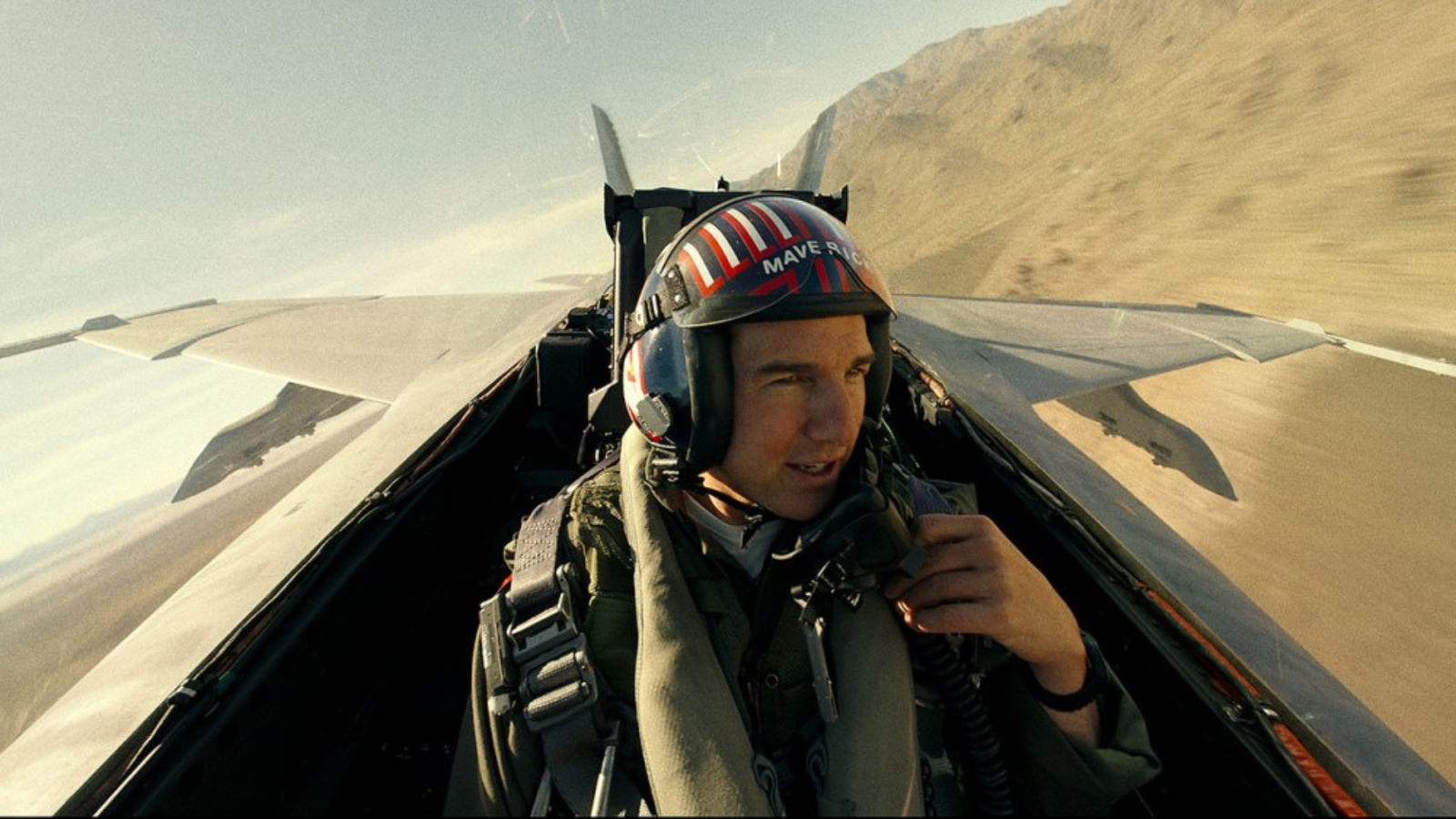
And while the methods may sound restrained on paper, Tom Cruise has often made sure the results look nowhere near restrained on screen.
From Maverick to Ethan Hunt, Tom Cruise has made instinct part of the performance
Tom Cruise’s career is packed with characters who feel intensely constructed, yet cleanly evade turning out mechanical. For example, Joel Goodson in Risky Business became his breakout role. Pete “Maverick” Mitchell turned Top Gun into a defining piece of his screen identity, and Ethan Hunt eventually became the center of one of Hollywood’s biggest action franchises.
Then there are the roles that pulled him away from the obvious Cruise template: Charlie Babbitt in Rain Man, Jerry Maguire, Vincent in Collateral, Frank T.J. Mackey in Magnolia and his grotesquely comic Les Grossman in Tropic Thunder are a few to name.
Credits: Paramount Pictures
Credits: Paramount Pictures
ADVERTISEMENT
Article continues below this ad
Cruise has also described filmmaking as a continuous process of learning, studying and developing skills, an attitude that sits neatly beside his script-reading ritual. On Digger, that meant understanding Alejandro G. Iñárritu’s vision before finding his own way into the character.
The irony is rather fitting. One of cinema’s most famously prepared performers begins by doing something remarkably un-Cruise-like: he sits down, listens and lets someone else tell the story first.
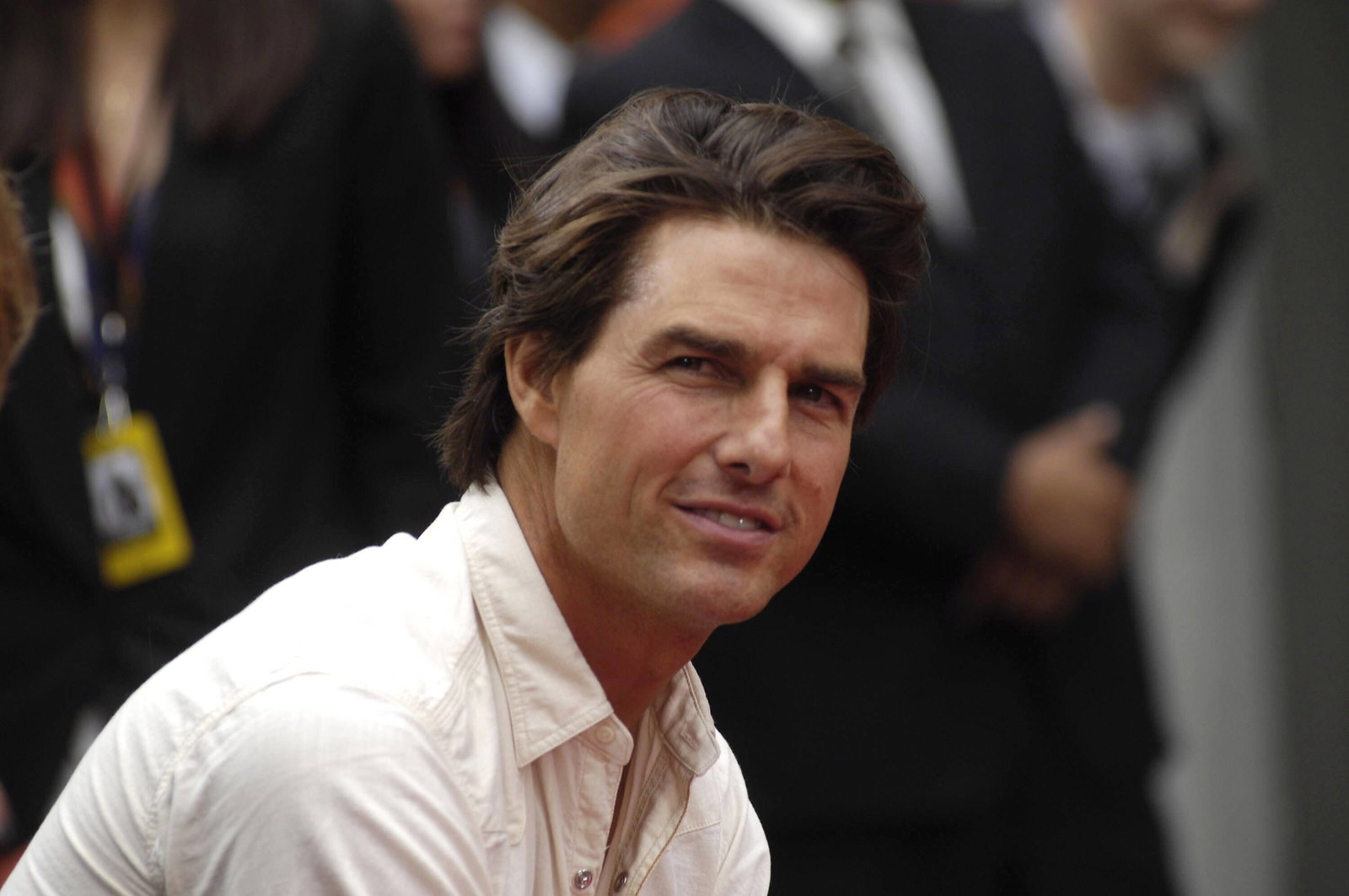
“I Expect a Lot and I’m Upfront About It” – Tom Cruise Openly Embraces His Intense On-Set Reputation
ADVERTISEMENT
Article continues below this ad
What do you think of this step in Tom Cruise's process? Let us know in the comments.
ADVERTISEMENT

Edited By: Hriddhi Maitra
More from Netflix Junkie on Hollywood News
ADVERTISEMENT