
3 Reasons You’ll Have to Beg Someone to Watch ‘Avengers: Doomsday’
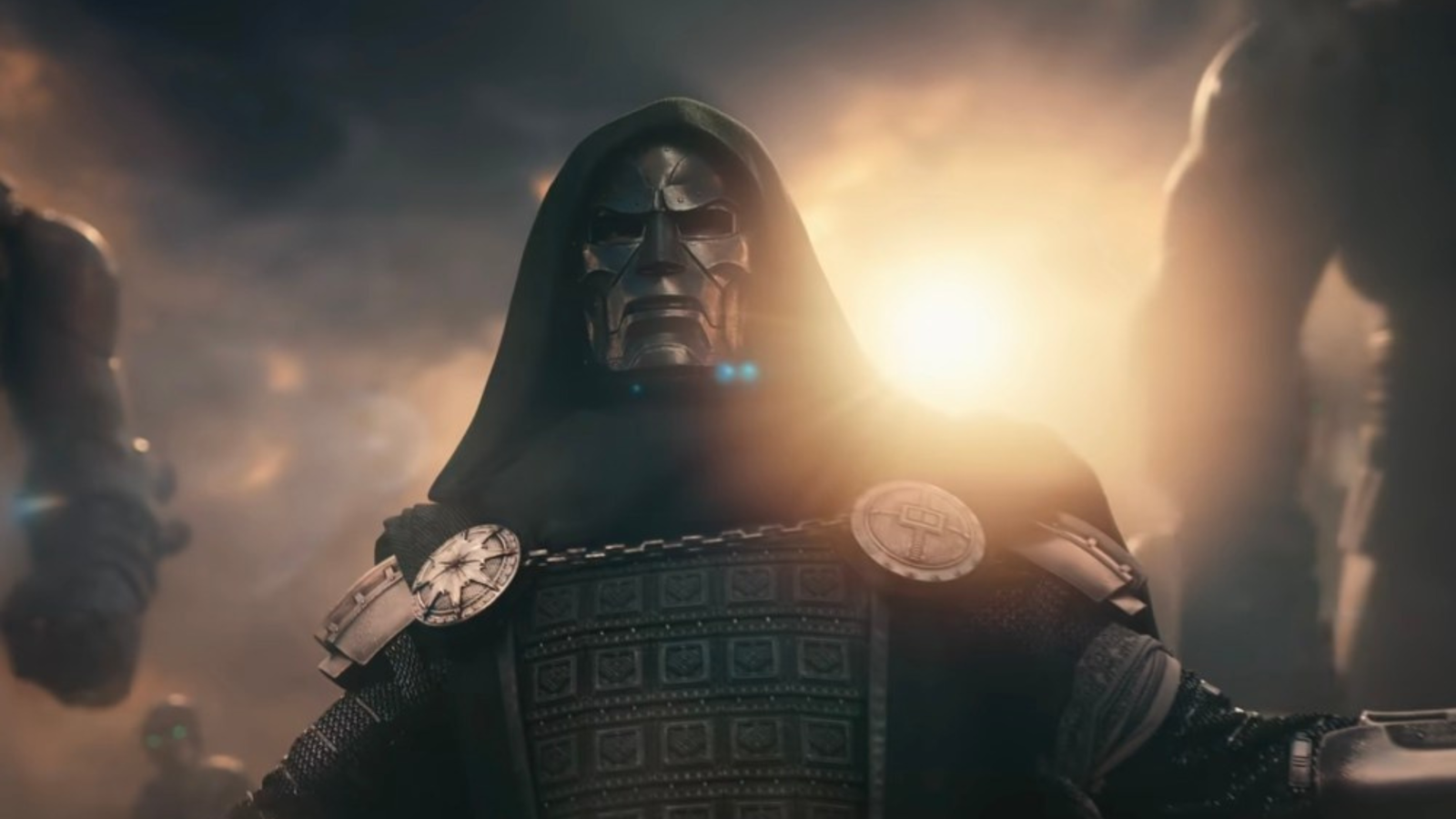
Marvel has spent years telling audiences that its next big crossover will be an event worth waiting for. And with Avengers: Doomsday, the studio is certainly bringing out the big guns. Robert Downey Jr. is back in the Marvel Cinematic Universe, except this time he is trading Iron Man’s armor for Doctor Doom’s mask. Chris Evans is returning as Steve Rogers; the X-Men are finally getting a major MCU team-up, and characters from the Avengers, Fantastic Four, Thunderbolts, and beyond are all heading toward the same enormous showdown.
On paper, that sounds like a superhero fan’s dream. In practice, though, there is a rather important question Marvel needs to answer: Does putting this many familiar faces in one movie actually make it a great movie?
Because Avengers: Doomsday is already giving audiences several reasons to approach it with a little caution. Between its enormous ensemble, the homework required to follow the story, the franchise’s complicated villain switch, and a casting strategy that seems determined to make nostalgia do most of the heavy lifting, the film has quite a bit to prove. And convincing everyone else could be a much bigger battle.
1. Is Avengers: Doomsday a Movie or just a very expensive roll call?
Marvel seems to have taken the phrase “the more, the merrier” and applied it to Avengers: Doomsday with absolutely no hesitation. The official cast list is enormous, bringing together MCU veterans, the Fantastic Four, the Thunderbolts, and several returning X-Men actors. Robert Downey Jr., Chris Evans, Chris Hemsworth, Pedro Pascal, Florence Pugh, Paul Rudd, Patrick Stewart, Ian McKellen, James Marsden, and Channing Tatum are just some of the names involved. That is quite a guest list, even by Avengers standards.
And while a sprawling ensemble is hardly a new problem for superhero movies, it does raise a familiar concern: How many of these characters can actually get the attention they deserve?
A character appearing in a movie and a character having something meaningful to do in it are two very different things. Marvel can give audiences a shot of Cyclops, a dramatic Magneto entrance, a few seconds of Gambit being Gambit, and a nostalgic glimpse of Steve Rogers. The crowd might cheer. The internet might explode. But what happens after the cheering stops? Do these characters get proper arcs, meaningful interactions, and enough breathing room to make their presence matter? Or are some of them simply there to make the next trailer look spectacular?
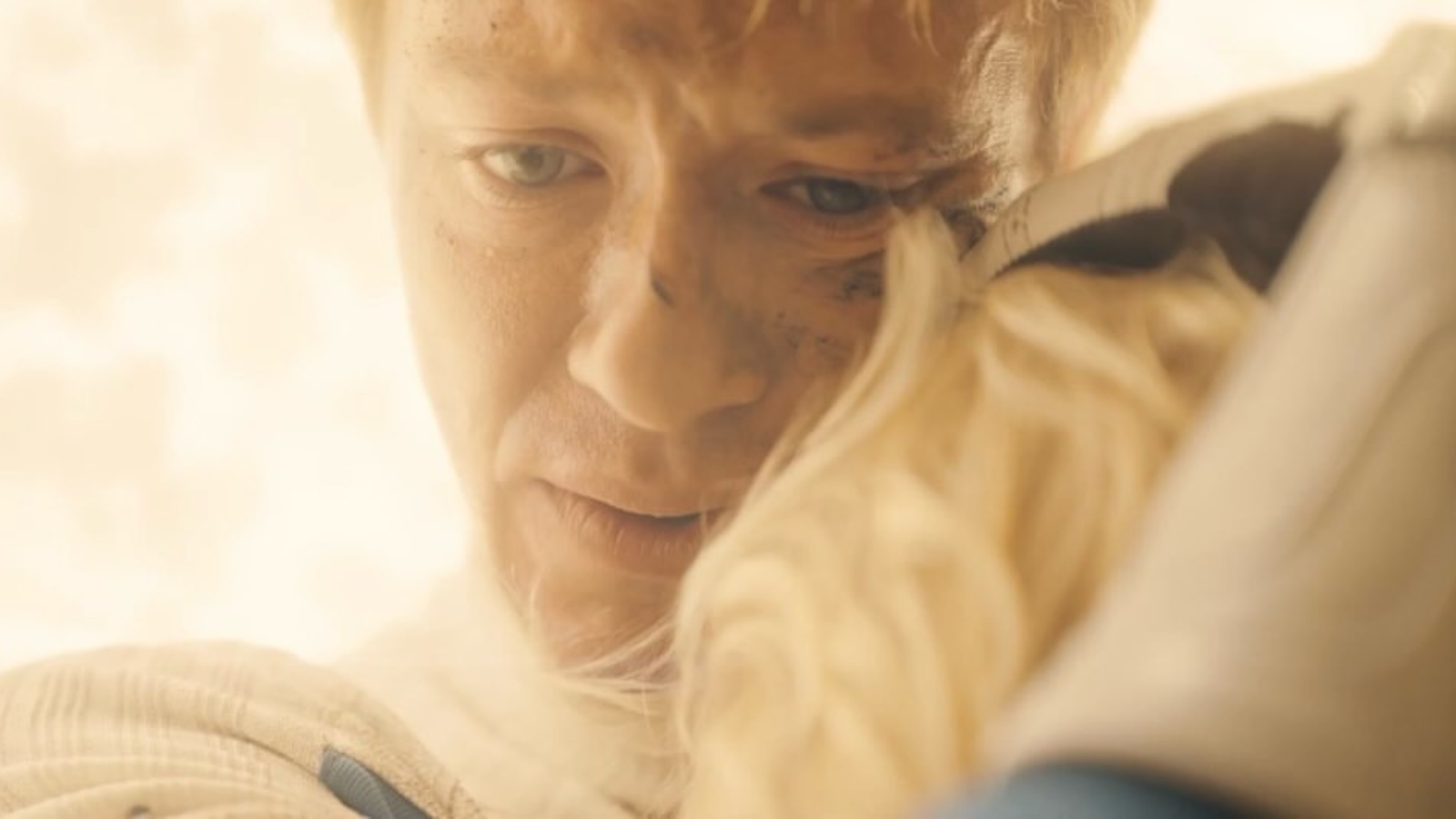
That is the danger of turning a movie into a superhero reunion. The temptation to squeeze in every possible fan favorite can easily overshadow the actual storytelling. With so many heroes and villains sharing the screen, some characters could end up feeling less like essential players and more like expensive cameos waiting for their turn to wave at the audience.
There is also the question of how the film will balance its different corners of the Marvel universe. The Fantastic Four have their own history and relationships to establish within the MCU. The X-Men bring decades of cinematic baggage, not to mention a huge emotional connection with longtime fans. The New Avengers and Thunderbolts have their own unfinished stories. Meanwhile, the original Avengers still have a major presence in the franchise's identity.
That is a lot of narrative luggage to fit into one movie. And no matter how talented the Russo brothers are at handling ensemble casts, there is only so much time available. Infinity War and Endgame managed to bring together huge groups of characters, but those films also benefited from years of carefully developed relationships and storylines. Doomsday has to juggle several different generations and franchises, some of which have barely begun interacting with one another.
The biggest risk is that the movie becomes a collection of entrances rather than a satisfying story. We could get a parade of recognizable faces, dramatic music, and carefully timed audience-pleasing moments, only to discover that several characters have barely been given anything to do.
And if Marvel wants viewers to care about the fate of all these heroes, it needs to give them more than a few minutes of screen time and a dramatic close-up. Otherwise, Doomsday might end up feeling less like the ultimate Avengers adventure and more like a very expensive attendance sheet.
2. You might need a Marvel degree before buying your ticket
Remember when watching an Avengers movie mostly meant knowing who Iron Man, Captain America, Thor, and the Hulk were? Those days are looking increasingly distant. To fully enjoy Avengers: Doomsday, audiences may need to remember an increasingly complicated collection of films, television series, alternate timelines, multiversal cameos, and character introductions. And Marvel appears to know it.
The studio has launched a Countdown to Doomsday collection on Disney+, highlighting projects audiences should revisit before the film arrives. Its promotional material pulls from titles including Captain America: The First Avenger, Avengers: Endgame, Shang-Chi and the Legend of the Ten Rings, Loki, and Deadpool & Wolverine, among others. The collection is intended to help viewers catch up, but it also makes one thing rather obvious: there is a substantial amount of backstory feeding into this crossover.
Think about what the film is bringing together. There are the Avengers and the consequences of Endgame. There is the multiverse storyline developed through projects such as Loki. There is the introduction of the Fantastic Four. There are the X-Men characters from earlier Fox movies. There are the Thunderbolts, the New Avengers, and several other heroes whose individual stories have unfolded across different releases. That is not exactly a small recap.
For devoted MCU fans, connecting all these dots might be part of the fun. They have followed the franchise for years, memorized the post-credit scenes, and probably know more about the multiverse than their own family trees. But casual viewers are a different story. Someone who simply wants to watch a superhero movie could find themselves wondering why a character has suddenly appeared, which universe they belong to, what happened in a Disney+ series they skipped, or why an apparently dead hero is back.
And that is where the homework problem becomes particularly frustrating. A major theatrical event should ideally make audiences excited to watch the movie, not feel as though they need to complete a reading list before they are allowed into the cinema.
There is a difference between rewarding longtime fans and making basic enjoyment dependent on years of franchise knowledge. The former creates satisfying connections. The latter risks turning a movie into an examination of how closely viewers have been paying attention.
Of course, no one expects every audience member to understand every reference. But Doomsday has an unusually complicated job because it is not simply continuing one storyline. If the film spends too much time explaining its own history, the story could become weighed down by exposition. If it explains too little, viewers who have not followed every project could feel completely lost.
Marvel is effectively asking audiences to revisit a sizeable portion of its catalogue before watching one movie. That might be a smart way to encourage Disney+ subscriptions, but it is not necessarily the most inviting way to sell a theatrical experience. At some point, a superhero blockbuster should be able to stand on its own two feet without requiring viewers to bring a notebook.
3. The Kang-to-Doom switch and the nostalgia casting could be Marvel’s biggest gamble
The third concern is a combination of two decisions that have become central to Avengers: Doomsday: the shift from Kang to Doctor Doom and Marvel's increasingly nostalgia-heavy casting strategy.
The fifth Avengers movie was originally developed as Avengers: The Kang Dynasty, with Kang the Conqueror positioned as the next major threat following Thanos. Jonathan Majors' legal troubles, which resulted in Marvel dropping the actor, transformed the situation. The film was subsequently reworked and renamed Avengers: Doomsday, with Robert Downey Jr. announced as Doctor Doom at San Diego Comic-Con in 2024.
There is an important distinction here: Marvel's decision to move toward Doctor Doom was not necessarily an idea that appeared overnight. Kevin Feige later explained that the studio had already been discussing Doom before Majors' legal case, saying it had begun to feel that Kang was not big enough to fill the role left by Thanos. He also revealed that conversations with Downey about playing Doom had started before Ant-Man and the Wasp: Quantumania was released.
So, calling the entire change a last-minute reaction would be too simplistic. However, the franchise's original Kang storyline was undeniably disrupted, and the shift required a substantial creative reset. A Washington Post report on the film's development noted that the reworked production moved forward with an unfinished script, with director Joe Russo describing the script as a “living organism.”

That is an interesting creative approach, but it also raises questions. Kang had been positioned as the central antagonist of the Multiverse Saga. His variants had appeared across multiple projects, and the story had been building toward a major confrontation. Now, Doctor Doom has taken centre stage. The character is certainly a formidable Marvel villain, and his arrival could give the franchise a much-needed jolt. But the film still has to make his presence feel like the natural culmination of a story rather than a replacement for a plan that did not work out.
Doom deserves more than a grand entrance and a familiar face underneath the mask. He needs a compelling motivation, a properly established threat, and a reason for audiences to believe that he is the villain this particular Avengers story has been building toward. If Marvel rushes through that development, the character could become another example of the studio relying on audience excitement instead of earning it through storytelling.
Then there is the casting. And this is where Marvel seems to be reaching directly into the nostalgia cupboard. Robert Downey Jr. returning to the MCU is already a massive attention-grabber. Chris Evans is back as Steve Rogers, while Patrick Stewart, Ian McKellen, James Marsden, Rebecca Romijn, Alan Cumming, Kelsey Grammer, and Channing Tatum are bringing familiar X-Men characters into the mix. For fans who grew up watching the earlier Marvel movies, seeing these actors together again is undeniably exciting.
But there is a fine line between celebrating a franchise's history and using that history as a shortcut to audience investment.
Downey's return is particularly interesting because Tony Stark's death in Avengers: Endgame was one of the MCU's most emotionally significant moments. It gave the Infinity Saga a sense of closure, and his sacrifice helped establish the stakes of that final battle. Bringing the actor back as a completely different character could be a fascinating move, but it also risks making that emotional goodbye feel less final. The same question applies to the return of older X-Men actors and other legacy performers: are these casting choices serving the story, or are they primarily designed to make fans cheer?
There is nothing inherently wrong with nostalgia. In fact, a film about multiple universes colliding is a perfectly reasonable place to bring back familiar characters. But when so much of the excitement surrounding a movie depends on recognizing people from previous films, it becomes fair to wonder how much of its appeal comes from the story itself.
Marvel has spent years building emotional connections between audiences and these characters. It makes sense that the studio wants to bring those connections into its next major event. Still, nostalgia is a powerful ingredient, not a complete recipe. A familiar face can make a trailer memorable, but it cannot automatically make a character's return meaningful.
And if Doomsday is relying on surprise appearances, legacy casting, and callbacks to generate excitement, it risks feeling like a franchise trying to cash in on its own past rather than confidently moving forward. Fans might enjoy the initial thrill of seeing their old favorites again, but they will still need a good reason to care about what happens next.
Ultimately, Avengers: Doomsday does not need to convince audiences that Marvel has a lot of characters. It has already made that abundantly clear. It needs to convince them that all those characters belong in this particular story, that their appearances matter, and that viewers do not need a second screen and a three-week revision schedule to understand what is happening.
Until then, getting a casual moviegoer excited about Doomsday might be harder than assembling the Avengers. And no, telling them to watch 11 more Marvel projects probably will not help.
Will you be watching Avengers: Doomsday? Let us know in the comments.

Edited By: Aliza Siddiqui
