
“They’re Horrible Things” — Paul Rudd Explains Why He No Longer Brings Phones to Sets
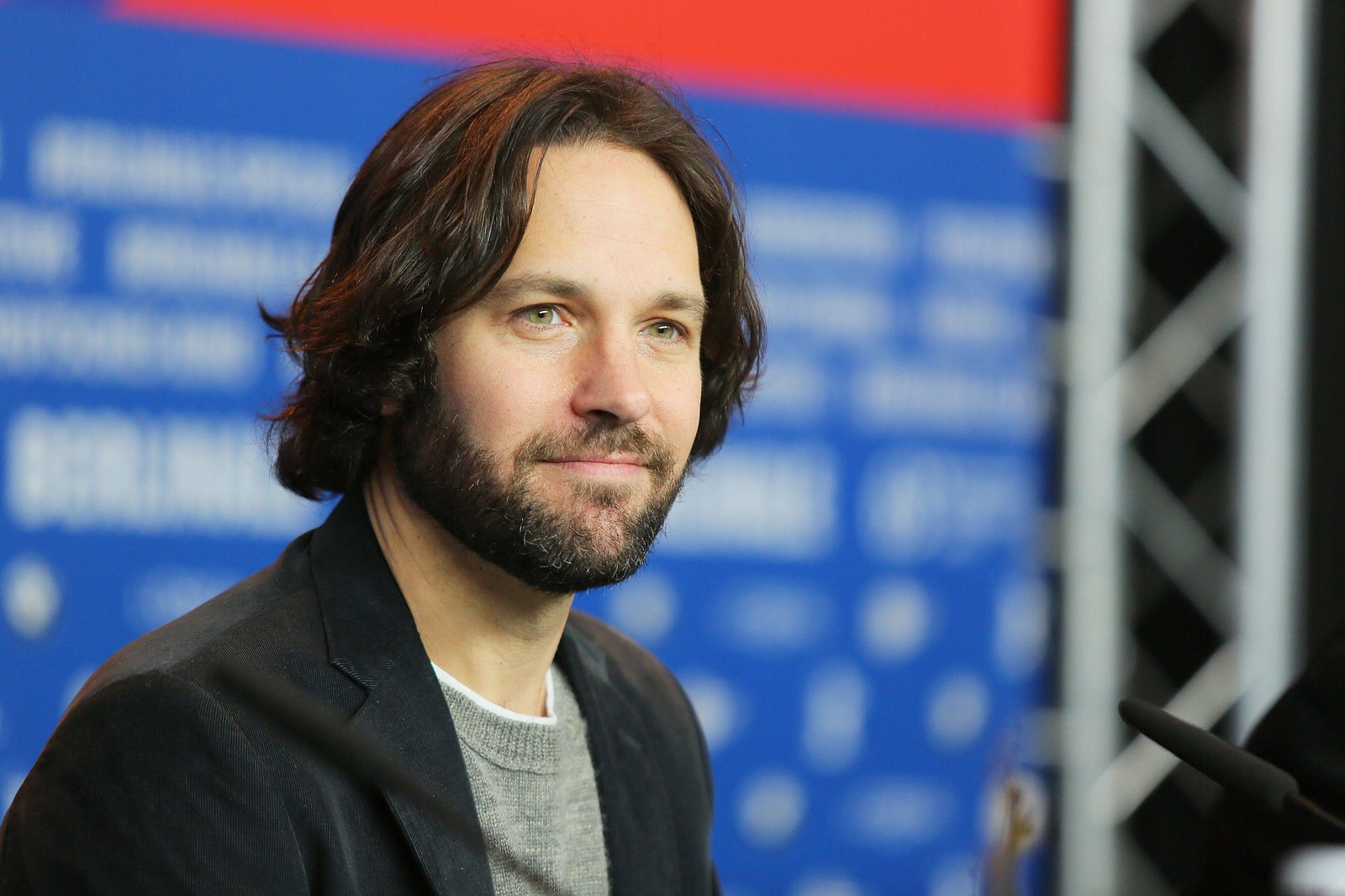
Paul Rudd. Berlin 13 02 2013. 63th Berlinale Prince Avalanche press Conference. foto Mark Cape Insidefoto markxcape
Paul Rudd. Berlin 13 02 2013. 63th Berlinale Prince Avalanche press Conference. foto Mark Cape Insidefoto markxcape
Paul Rudd has revealed that he no longer brings his phone to film sets, calling the devices “horrible things” and admitting that he is just as addicted to them as everyone else. His latest film, A Statement, offered an unexpected reminder of what life can look like without a screen constantly demanding attention.
Hollywood is no stranger to recreating the past, whether through period costumes, vintage settings, or the technology that once defined everyday life. But stepping into another era can also mean revisiting the little things that have changed along the way. And sometimes, it takes a film set to remind even its cast what they might be missing.
For Rudd, leaving his phone behind has become a deliberate choice, one that his latest film made easier to embrace.
Paul Rudd on why he leaves his phone off set
Speaking to Variety at the world premiere of A Statement during the New York Film Festival on October 3, Paul Rudd discussed the film’s strict no-phone policy, introduced by director Tom McCarthy. He revealed that the rule encouraged the cast to spend time together between takes instead of retreating into their devices.
“I don't go to sets with a phone. I haven't done that for a while now. It's important to put it down," he said. "They're horrible things. I'm addicted to it like everybody else. They're facilitating our own destruction,” Rudd said, admitting the effect of the device on his habits.
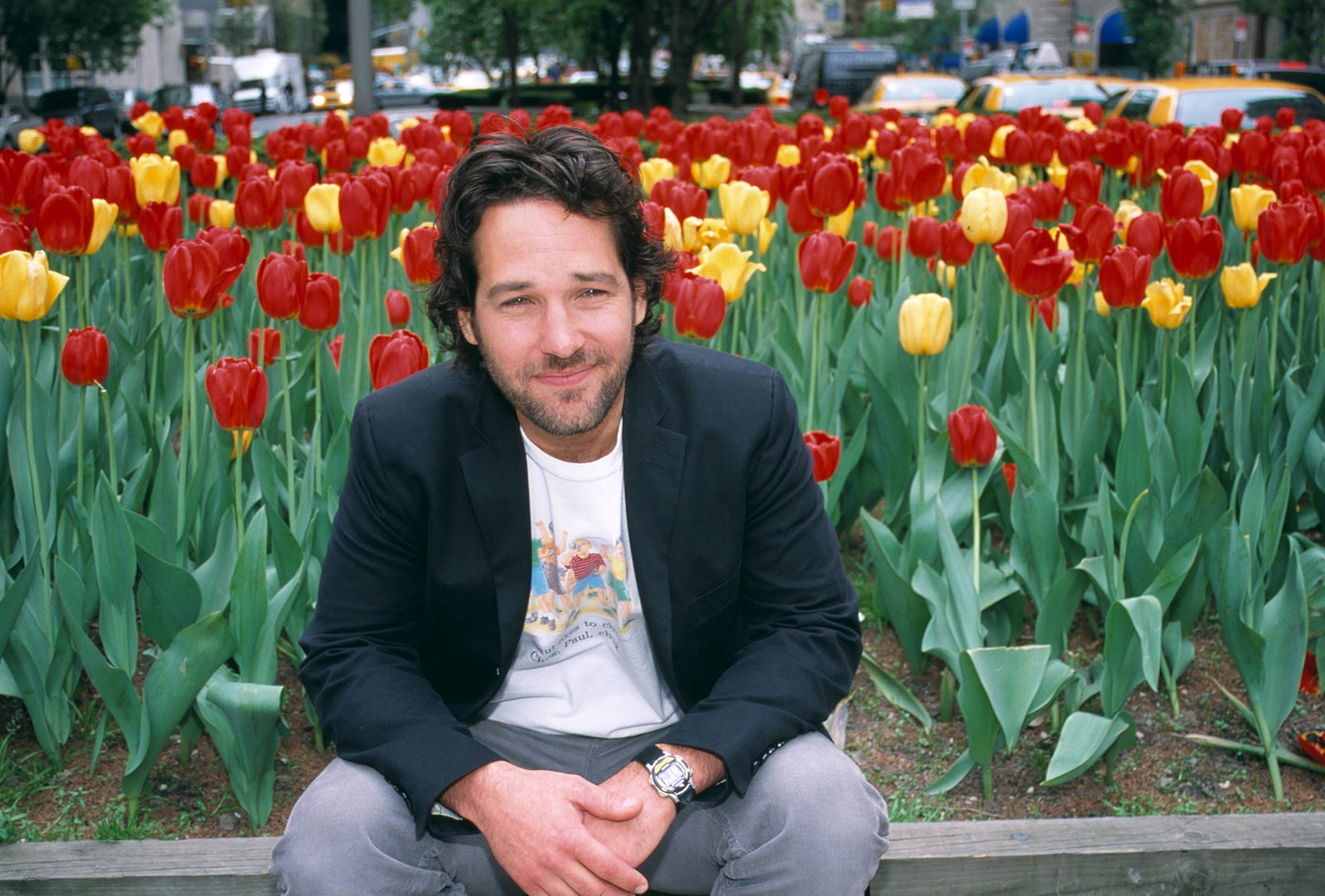
May 1, 2003 - Hollywood, California, U.S. - Portraits of Paul Rudd.May 2003 Hollywood U.S. - ZUMAg203 20030501_bap_g203_136 Copyright: xArmandoxGallox
May 1, 2003 - Hollywood, California, U.S. - Portraits of Paul Rudd.May 2003 Hollywood U.S. - ZUMAg203 20030501_bap_g203_136 Copyright: xArmandoxGallox
The actor explained to Variety that the policy helped create a more connected atmosphere among the cast. With fewer distractions, conversations could happen more naturally, giving the performers an opportunity to get to know one another beyond their scenes.
The experience also suited the film’s 1980 setting, a time when smartphones were not part of everyday life. For Rudd, however, the appeal of disconnecting was not simply about recreating the past. It was about being more present in the moment.
The film’s period setting keeps smartphones out of the story, while its subject tackles a crisis that remains pressing today.
Paul Rudd’s A Statement tackles problems beyond smartphones
Directed by McCarthy and co-written with Noé Debré, A Statement is based on Nathaniel Rich’s nonfiction book Losing Earth. Set over a weekend in 1980, the film follows a gathering of scientists, activists, and policymakers at a Florida beachside resort as they work to draft a statement for Congress on carbon dioxide emissions and climate change.
Paul Rudd plays Tom Jorling, the moderator of the gathering, as if privy to his real-life diplomat tendencies. The ensemble also includes Paul Giamatti, Tatiana Maslany, and John Turturro.
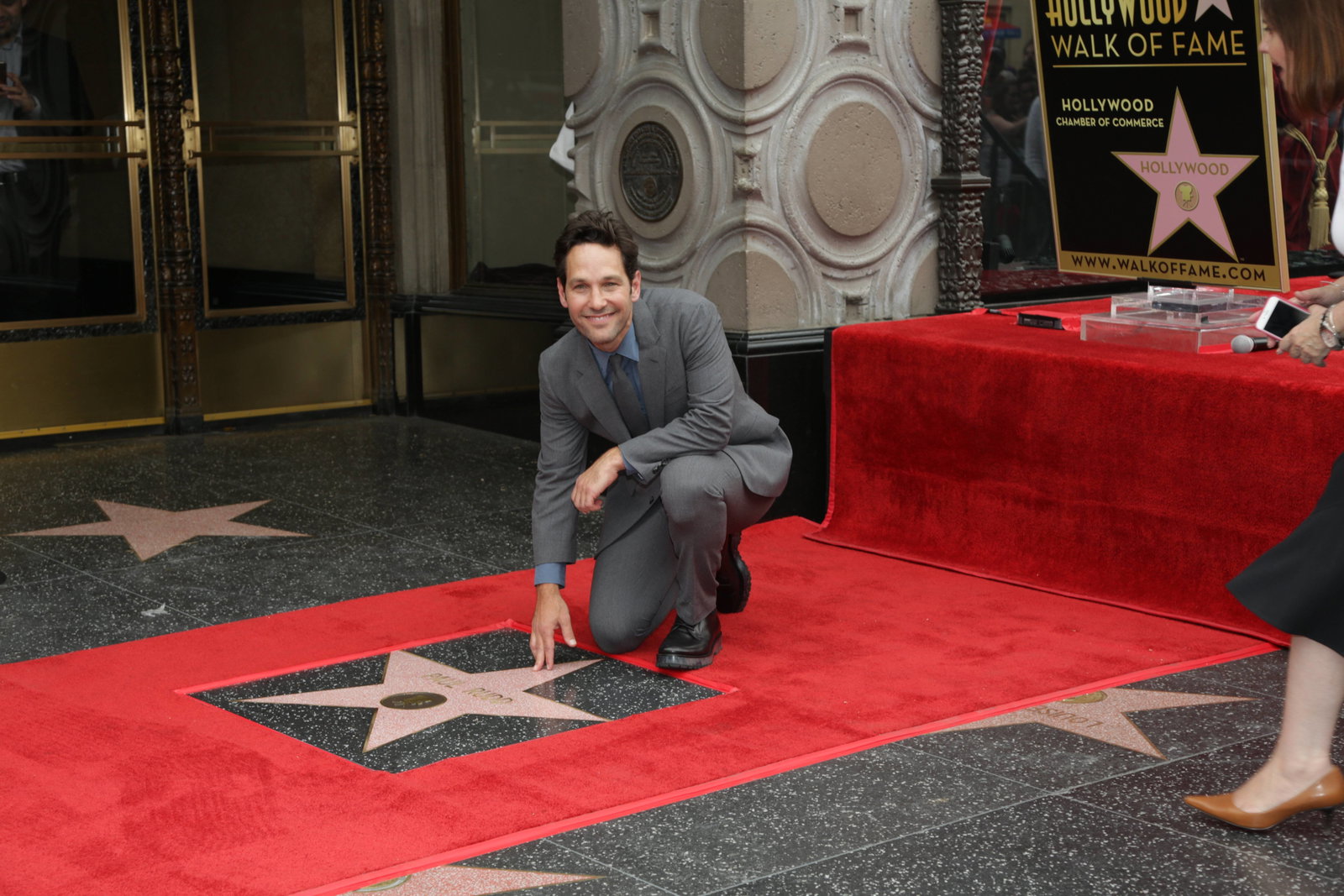
Paul Rudd PAUL RUDD HONORED WITH STAR ON HOLLYWOOD WALK OF FAME Hollywood Chris Hatcher Picture Perfect
Paul Rudd PAUL RUDD HONORED WITH STAR ON HOLLYWOOD WALK OF FAME Hollywood Chris Hatcher Picture Perfect
For Rudd, the no-phone rule may have been a practical part of the production, but its impact extended beyond the film’s 1980 setting. In an industry where attention is often split between takes, leaving the phone behind offered a simple way to reconnect with the people sharing the set.

What do you think of Paul Rudd's no-phones habit? Let us know in the comments.

Edited By: Hriddhi Maitra
