
‘The Testaments’ Ending Explained: What Becka’s Fate Means for Agnes, Daisy, and Gilead
Credits: Disney/Russ Martin
Credits: Disney/Russ Martin
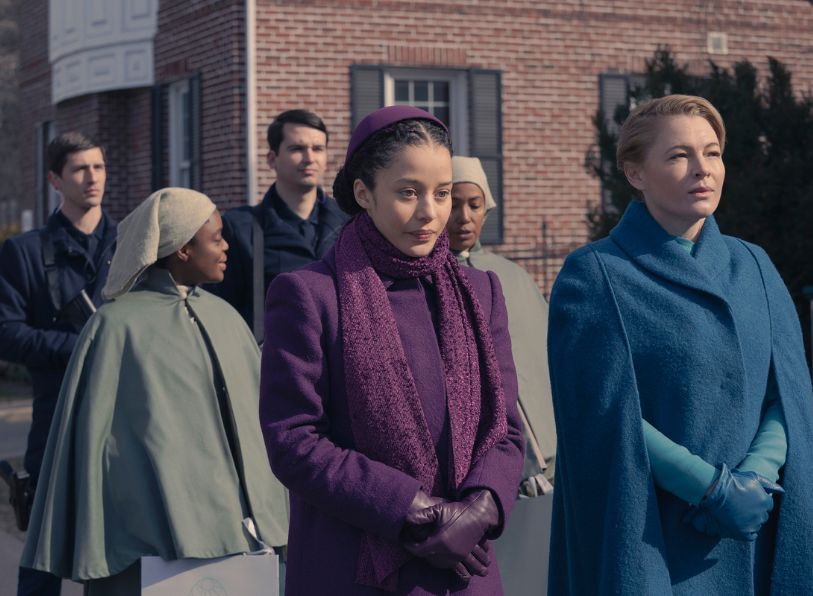
The season finale of The Testaments presents a gripping resolution that alters the destinies of its central young women and uncovers vulnerabilities deep inside Gilead. Becka confronts harsh outcomes after her brutal act against her father, while Agnes and Daisy navigate complex decisions about friendship and defiance. As the story resolves key tensions, it simultaneously prepares the ground for larger challenges to the established order in upcoming developments.
As the repercussions settle around Becka, the story illustrates how her desperate choice propels Agnes into deeper self-examination and allows Daisy to intensify her hidden operations.
Becka’s tragic punishment and survival
Becka undergoes intense scrutiny following her removal by authorities after the events of the prior episode. She avoids immediate execution despite the gravity of her crime in Gilead. Officials instead arrange her marriage to Garth, which functions both as a limited form of leniency and as ongoing control. This arrangement maintains her within the societal framework while publicly demonstrating the regime's ability to reshape lives according to its rules.
Credits: Disney/Russ Martin
Credits: Disney/Russ Martin
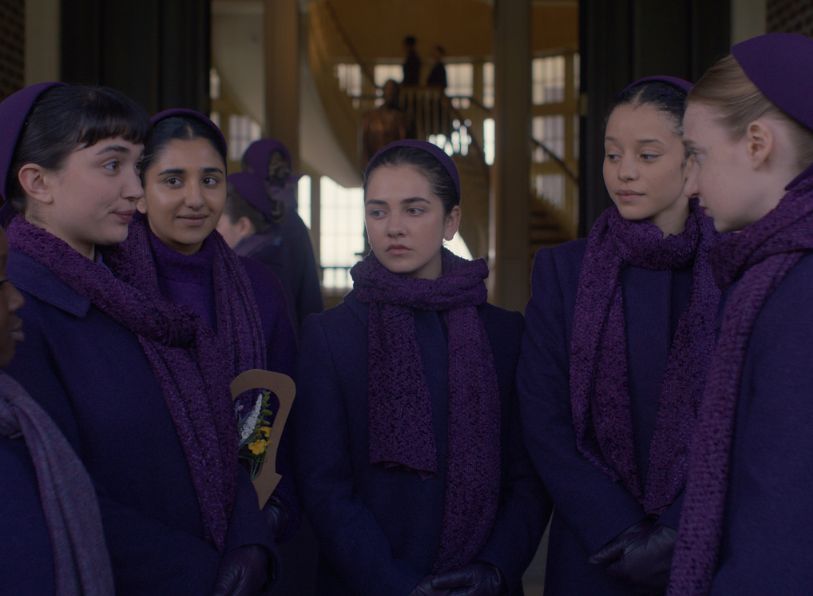
Her mother intervenes with a profound personal sacrifice by accepting public execution in an effort to lessen the penalties imposed on her daughter. This act underscores the extreme lengths to which individuals resort to safeguard loved ones amid rigid structures. Becka endures the proceedings yet emerges visibly fractured in spirit during the concluding moments. The marriage ceremony carries a detached and formal atmosphere in which Garth transports her across the threshold and then secures the space to restrict her movements.
Observers note that Becka's transition stems directly from accumulated trauma and protective instincts toward Agnes. She moves from a position preparing for traditional wife duties into one defined by past brutality and enduring restrictions. The regime preserves her existence because it serves broader purposes within the controlled narrative. Her survival reflects strategic calculations rather than mercy alone. The emotional toll evident in her expression leaves a lasting impression on the audience and highlights the personal costs of rebellion in oppressive conditions.
As these developments strain relationships within the group, Agnes begins to reevaluate core elements of her early life while Daisy strengthens her ties to external networks.
Agnes’ awakening and shift in allegiance
Agnes is deeply disillusioned when her attempt to secure assistance for Becka backfires. She understands that informing her father about the situation triggered the arrest instead of providing genuine support. This discovery erodes the final remnants of her confidence in the fairness promoted by Gilead institutions.
The planned engagement with Commander Weston collapses amid the public fallout. He labels her as tainted by association and withdraws his commitment. This development unexpectedly creates space for Agnes to consider alternative paths, such as preparation for the role of an Aunt. In reflective sequences, Agnes acknowledges her original identity as Hannah, the child separated from her biological mother, June. She recalls buried experiences and views the surrounding society with increasing skepticism.

Credits: Disney
Credits: Disney
The episode frames Agnes at a pivotal moment of transformation. Her emerging insights position her for potential involvement in opposition activities during later installments. The heavy burden of diminished trust in both family and community defines her character growth across the closing scenes. These internal changes manifest through subtle expressions and deliberate choices that signal a departure from previous compliance. Agnes' evolution contributes substantially to the thematic depth of the finale as she balances lingering attachments with newfound clarity.
While Agnes processes her sense of self and prospects, Daisy fortifies her position with elements opposed to the current power structure.
Daisy’s role in the growing resistance
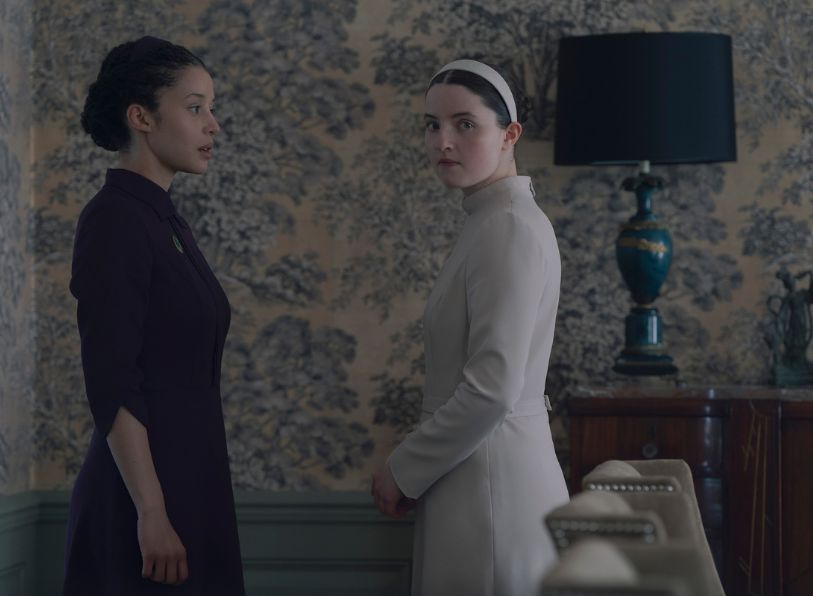
Daisy maintains her participation in Mayday initiatives and capitalizes on the disorder created by Becka's situation to further her aims. She collaborates with Agnes to extend available aid, although restrictions limit their options under persistent observation. Their connection strengthens through mutual hardships and concealed information that binds them together.
Credits: Disney/Russ Martin
Credits: Disney/Russ Martin
Daisy proves that the sharpest weapon in Gilead is a steady head. She keeps her cover intact while quietly pushing every boundary available to her, and the finale makes clear that her work is far from finished. Chase Infiniti, who brings Agnes to life on screen, captures this spirit best; her portrayal radiates a quiet hope that refuses to buckle no matter how hard Gilead pushes back.
These three young women are doing something Gilead never accounted for; they are making it personal. Every choice, every sacrifice, and every secret passed between them chips away at a system that depends on silence. With The Testaments already renewed for a second season, the story feels less like an ending and more like the first crack in a very long wall.
What are your thoughts on the choices made by Agnes and Daisy in the finale? Let us know in the comments.

Edited By: Itti Mahajan
