
‘The Runner’ Review: Gal Gadot’s Thriller Runs Fast but Goes Nowhere

Credit: Amazon MGM Studios
Credit: Amazon MGM Studios
Gal Gadot has finally traded Wonder Woman's lasso for running shoes in The Runner, Kevin Macdonald’s new Prime Video thriller that arrived on September 2. Alongside her, Damian Lewis, Rory Wilmot, and Alfred Enoch take some laps too. Gadot plays Maia Marten, a London lawyer whose morning jog takes a spectacularly wrong turn.
What follows is 84 minutes of Gadot sprinting across London, dodging danger and increasingly questionable plot decisions, which is certainly one way to make a thriller move.
The Runner has mystery, but sans motive
Maia Marten is a London lawyer, a single mother, and apparently the sort of woman who can turn a morning run into a full-scale urban emergency. The film does quick work of establishing her life, going from a conversation with Ted (Alfred Enoch) that reveals her empathy, peeks at her complicated personal history, and the very practical concern of raising Noah, whose insulin dependency makes him especially vulnerable. And just as quickly, the Caller arrives, promptly enough to spare us the usual mystery-box waiting game.
Soon enough, Maia is ordered to run, obey, and somehow save her son while the city fades into one giant obstacle course. The premise is clean enough, but the story keeps adding ingredients without deciding what meal it is making. Trauma, the child factor, questionable legal ethics, and the darker possibilities of connected technology are stirred together until the thriller starts resembling a slosh of legal drama and a hostage movie.
By the halfway mark, the Caller’s motive seems to have evaporated. Despite this, the final stretch eventually explains Maia’s larger play and his reason for choosing her. Only, the explanation arrives after the film has already spent too long threading the mystery needle than actually weaving it.
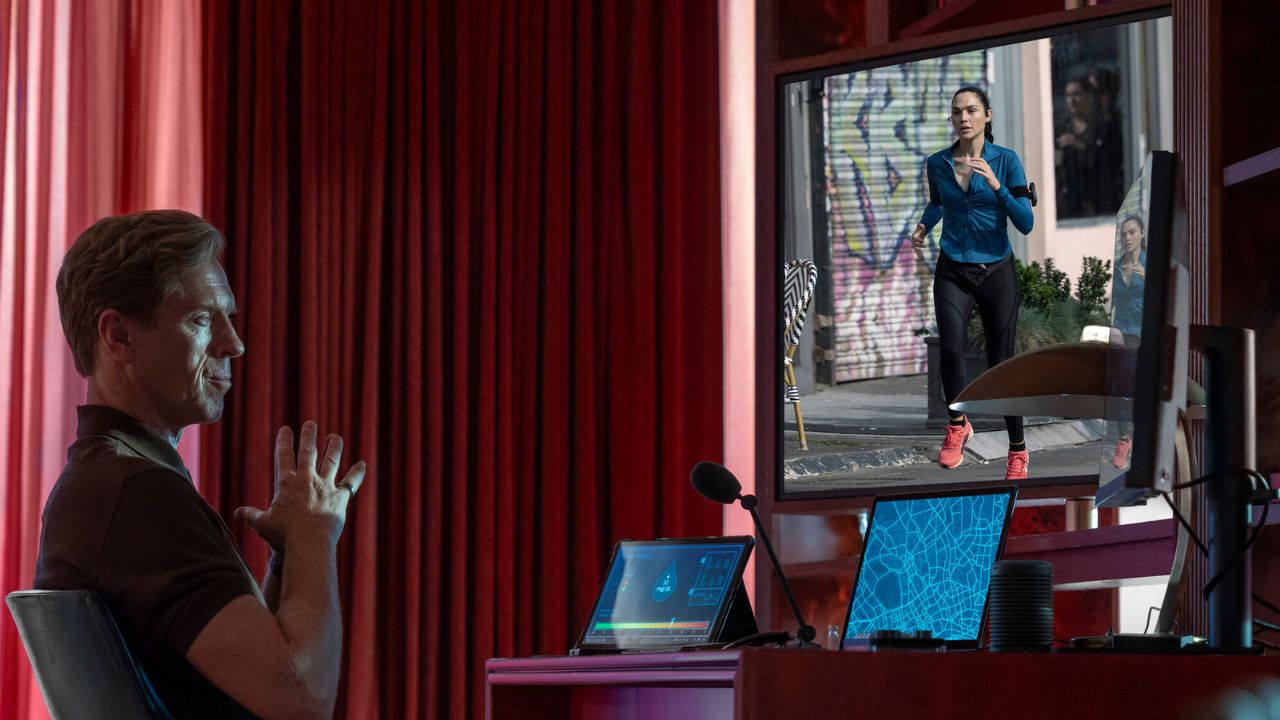
Credit: Amazon MGM Studios
Credit: Amazon MGM Studios
The technology angle, on the other hand, is more interesting in theory than practice. The film repeatedly reminds us how modern life is mediated through screens, calls, and medical devices, yet the treatment can feel suspiciously close to an advertising copy for a very expensive smartwatch. At least the movie understands and depicts the irony in the way modern technology all but fails in helping Maia track her son when it actually comes down to it.
London, seen at full speed in The Runner, but at what cost?
Kevin Macdonald seems to have taken the movie's title a little too personally with the way he kept the frames as urgent as possible. Cinematographer Anthony Dod Mantle’s camera gives London a restless, street-level texture by fashioning his signature handheld movement and compressed perspectives, successfully making Maia appear increasingly trapped inside an ever-moving, almost brimming environment. It is energetic, yes.
A little too much for something supposed to be a gut-wrenching thriller? Also yes. The visual language, in fact, becomes so busy that you can practically feel the geography slipping away, and somewhere along the course, the speed just turns to cardio, like white-noise. Apart from all that, there is also something wonderfully sunny about a thriller involving a kidnapped child and escalating threats.
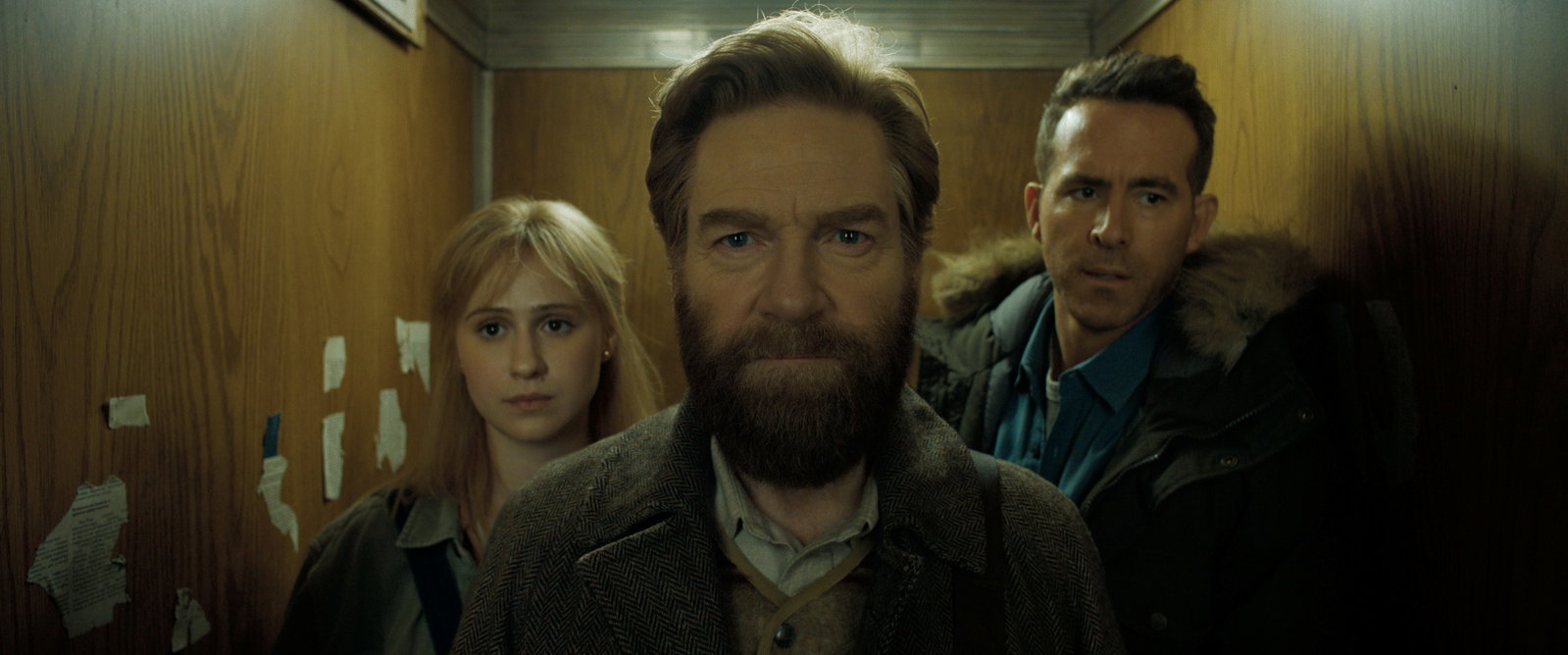
The film does occasionally find a sharper visual idea, particularly when Maia’s frantic movement collides with spaces that feel almost unnaturally still. Her walk to the gazebo, or the Temple, is one such moment, because it carries a strange calm against the technological panic surrounding her. The church scene later extends that contrast without immediately announcing what Maia has confessed. These two moments actually made me stop, thinking that perhaps there might just be a more thoughtful thriller hiding somewhere underneath the race, one interested in guilt, truth, and the stories people tell when they are pushed far and deep into a corner.
Gal Gadot runs while Damian Lewis enjoys himself
If nothing else, Gal Gadot was committed to the physical demands of the role. We see Maia spend an extraordinary amount of time running, climbing, scrambling, gasping, and looking at her phone as though it personally betrayed her, too much to actually assess her acting. There are flashes of emotional intelligence in quieter scenes, but the screenplay gives her little room beyond the vast variations of panic.
The accent, as per usual, becomes a distraction, beginning with an apparent British register before drifting elsewhere, leaving the audience to wonder where Maia learned to pronounce London. Damian Lewis, on the other hand, has the easier assignment as the Caller, because a disembodied voice can be menacing simply by refusing to explain itself, and he wisely leans into that unpleasantness.
He is sadistic, theatrical, occasionally absurd, and clearly enjoying the power imbalance, which gives the film some of the personality it otherwise lacks. The writing, however, eventually makes his elaborate scheme harder to take seriously than his threats.

Credit: Amazon MGM Studios
Credit: Amazon MGM Studios
There is a perfectly watchable thriller buried inside The Runner, and its short runtime at least has the decency not to overstay its welcome. Unfortunately, the film mistakes constant motion for escalating tension, leaving its strongest ideas about technology, guilt, motherhood, and professional compromise scattered beneath the breathless chase. Even 'Don’t Leave Me Hanging on the Telephone' feels almost offensively obvious, but perhaps that is the film in miniature: fast, compact, occasionally clever, and ultimately leaving you asking what exactly all that running was supposed to accomplish.
Rating: 5/10
‘The Runner’: Everything to Know About the Cast, Plot, and Release Date of Gal Gadot’s Thriller Film
Will you be watching The Runner? Let us know your thoughts on the movie in the comments.

Edited By: Hriddhi Maitra
