
‘The Real Wolf of Wall Street’ Review: Beyond the Greatest American Scandal Lies a Portrait of a Man Trapped by His Own Ambition
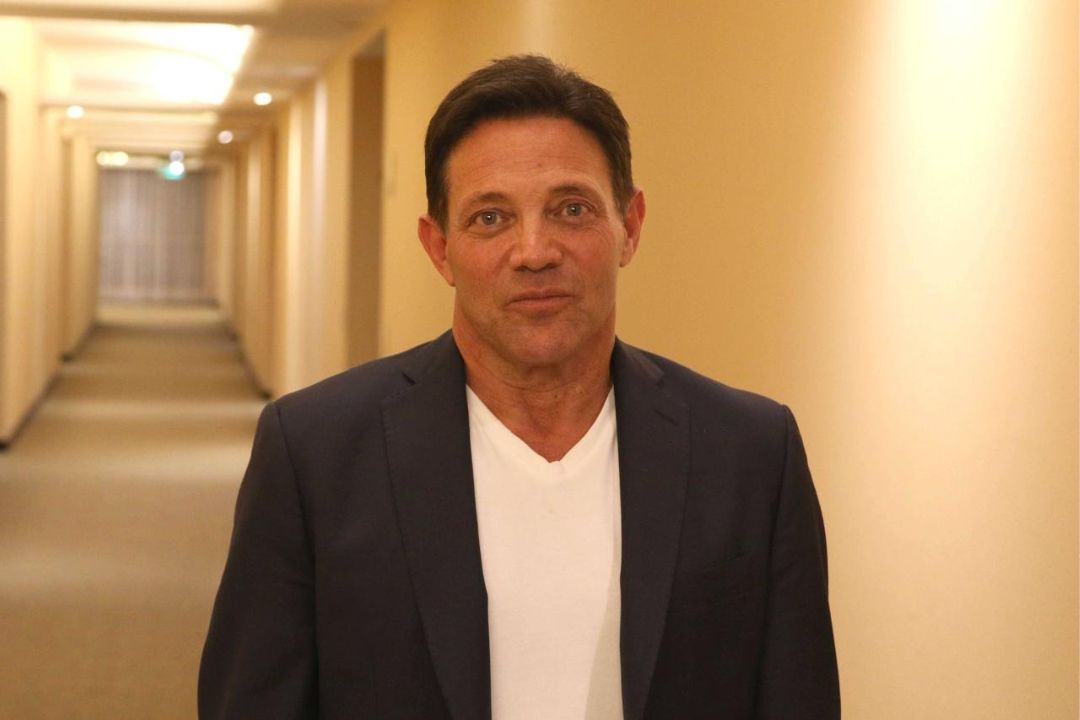
via Imago
Credits: Imago
For years, the world knew Jordan Belfort through the story he told himself. His memoir and film transformed the rise and fall of the “Wolf of Wall Street” into a larger-than-life tale of ambition, excess, and survival, a version of events that became the one most people recognized. But behind every legend is a reality shaped by many voices, and The Real Wolf of Wall Street sets out to uncover the parts of the story that were left in the shadows. Through the eyes of those who stood closest to Belfort, from the people who built the empire alongside him to those who suffered because of it, the series moves beyond the myth and into the messy truth of the man behind it.
It does not simply show a villain or a genius salesman; it reveals a deeply flawed human being driven by ambition, addiction, and the endless need to keep chasing more. By debunking the myths surrounding Belfort, the documentary reminds us that even the most infamous figures are still human, carrying the same contradictions, weaknesses, and desires that shape us all.
The view through Jordan Belfort’s eyes
Jordan Belfort does not appear in the documentary’s interviews, leaving behind the version of his story that he has spent years shaping himself. It is the story told through his memoir The Wolf of Wall Street, the Hollywood adaptation, and his public appearances: a kid from Long Island who believed he was meant for something bigger, a salesman who understood that people do not just buy products; they buy dreams. Before the yachts, helicopters, and millions, Belfort was a middle-class kid searching for confidence. His talent for persuasion appeared early through small hustles, selling Italian ices on beaches and later running a door-to-door meat and seafood business where he learned how perception could change value.
After losing his job at L.F. Rothschild during the 1987 Black Monday crash, he entered the world of penny stocks and found the opportunity that would define his life. In 1989, he founded Stratton Oakmont, building a brokerage around his “Straight Line” sales system and recruiting young, hungry men who wanted the success he promised. The firm became a machine fueled by manipulation, with brokers pushing worthless stocks, inflating prices, and leaving ordinary investors with the losses. As money poured in, Stratton Oakmont became a world of unchecked excess, where Quaaludes, alcohol, humiliation, and reckless behavior became part of the culture.

via Imago
Credits: IMAGO / APress
Belfort lived the fantasy he sold, buying luxury homes, crashing helicopters, and owning the yacht that sank in the Mediterranean. But behind the image of unstoppable success was addiction, paranoia, and a growing trail of destruction. Investors suffered through unauthorized trades and manipulated accounts as regulators began uncovering the truth. Joseph Borg of the Alabama Securities Commission identified patterns of investor harm, while FBI agent Gregory Coleman helped expose the larger criminal operation behind Stratton Oakmont. In 1999, Belfort was indicted for securities fraud and money laundering. Facing decades in prison, he cooperated with authorities, wore a wire, and provided information against his own associates, ultimately serving only 22 months.
Jordon Belfort's ‘The Real Wolf of Wall Street’: Release Date, Story, Cast, and All You Need to Know
While in prison, Tommy Chong encouraged him to write his memoir, which became The Wolf of Wall Street and transformed his downfall into another story he knew how to sell. But once the spotlight moves away from the Wolf he created, the documentary asks a different question: who was Jordan Belfort when the people around him told their side of the story?
The people who watched the Wolf come alive
Even though nobody in the real world ever called Jordan Belfort “the Wolf of Wall Street,” the image became something he carried with him. It represented the person he wanted to become: a man who could command attention, turn confidence into currency, and convince people he was destined for greatness. But the people who knew Jordan before the legend reveal a more complicated truth. He came from a place of insecurity and ambition, yet the same hunger that pushed him forward also led him toward shortcuts, manipulation, and a world where winning mattered more than the damage left behind.
The Real Wolf of Wall Street moves beyond the version of Belfort that has lived in popular culture for years. Instead of letting the ultimate salesman control the narrative, the documentary opens the door through the people who saw different sides of him. Ross Portenoy takes viewers back to the Jordan before Stratton Oakmont, remembering the insecure young man who put leaves in his shoes to appear taller and took hormone shots to change himself. Behind the confidence was someone constantly trying to reshape how the world viewed him.
Andrew Greene, the real-life inspiration behind “Rugrat” in The Wolf of Wall Street, shows how personal relationships became tied to Jordan’s empire. As a childhood friend who became Head of Corporate Finance at Stratton Oakmont, his story reflects how loyalty, ambition, and business became impossible to separate. Ross Jones and Rob Lorusso reveal the early hustle that shaped the group, from selling Italian ices on Long Island beaches to finding ways to persuade people into buying. Howie Gelfand adds another layer, showing why Stratton Oakmont attracted young men searching for confidence and recognition. Jordan understood that hunger because he had lived with it himself.
Jordan Belfort's partner-in-crime Danny Porush’s absence is felt throughout the documentary. After declining to participate, he stated that he was “deeply remorseful about some of my actions and for any financial or emotional damage caused.” Through the memories of those who witnessed their partnership, the dynamic between Jordan and Danny becomes clearer: Jordan created the vision, while Danny helped maintain the intense culture that allowed Stratton Oakmont to thrive. They saw the salesman before the scandal, the ambition before the empire, and the qualities that made him brilliant become the same qualities that pushed everything beyond control.
But the people closest to Jordan only reveal one side of the story. They saw the business mind, the friendship, and the creation of the empire. The deeper truth comes from those who lived with the consequences of the world he built.
The three voices that reveal the true reach of Jordan Belfort’s actions
The most revealing truths about Jordan Belfort do not come from the millions he made or the empire he built. They come from the people who saw what existed underneath the image he created. Behind the confidence of the salesman and the mythology of the “Wolf of Wall Street” were people who witnessed the culture he built, the chaos he brought into his personal life, and the damage left behind by his decisions.
Donna Schlessinger offers a rare look inside the corporate world of Stratton Oakmont. Working within the company’s finance side, she witnessed the environment that surrounded Jordan’s rise: a place fueled by ambition, aggression, ego, and an obsession with money. Her perspective becomes even more interesting because her portrayal in Belfort’s own book was not entirely flattering, yet she still acknowledges the undeniable power of his personality. When she looks back and describes him as an “antihero,” it captures the strange contradiction surrounding Jordan Belfort. The same charisma and intelligence that made him a legendary salesman also made it difficult for some people to separate his brilliance from the destruction his actions caused.
The documentary then moves closer to the person behind the public persona through Nadine Macaluso, Belfort’s second wife. Her story reveals a side of Jordan that existed far away from the trading floor and the celebrations at Stratton Oakmont. At only 22 years old, she entered a world that appeared like a dream. The extravagant gestures, including the unforgettable moment when Jordan sent 12,000 flowers to her apartment, created the image of a perfect life built around wealth and romance. But behind those gestures was a much darker reality.

via Imago
Credits: Imago
Nadine describes the manipulation, the instability, and the fear that came with living alongside someone consumed by addiction and excess. The Quaaludes that became part of the legend were not simply a symbol of wild partying; she reveals how dangerous his addiction had become, to the point where it could have taken his life. Her greatest struggle was not losing the luxury around her, but trying to protect her children while navigating Jordan’s unpredictable behavior.
Then comes the voice that cuts through all the glamour: the anonymous investor who never reveals his identity throughout the documentary. His story brings the consequences of Belfort’s empire back to the people who existed outside the world of private jets, luxury cars, and million-dollar deals. His experience exposes the painful reality behind the financial crimes: ordinary people trusted Stratton Oakmont with their money and were betrayed. His story is not about losing a fortune built through greed; it is about losing the security created through years of honest work. The betrayal was personal, with legitimate shares sold without permission, accounts manipulated, and trust replaced with deception.
These three perspectives reveal the true reach of Jordan Belfort’s influence. Their stories are the reason Stratton Oakmont became more than just another Wall Street scandal. Behind every manipulated account, every worthless stock, and every dollar made through deception were real people whose lives were changed by the choices made inside that office. That is why, for investigators at the SEC, state regulators like Joseph Borg, and the FBI, this became a case that had to be solved.
The fall of Stratton Oakmont and Jordan Belfort’s second act
The same confidence that allowed Jordan Belfort to convince thousands of people to believe in impossible promises eventually made him believe he could outrun the consequences. Stratton Oakmont was not destroyed by one dramatic moment; it collapsed under years of deception that became impossible to hide. The fraud went beyond aggressive sales tactics. Investors trusted the firm with their money, only to have legitimate shares sold without permission, funds redirected into stocks that benefited Belfort and his inner circle, and accounts manipulated to conceal the truth.
As Stratton Oakmont grew, so did the scale of the manipulation. Deals involving companies like Biltmore gave Belfort and his partners more control over stock opportunities, while illegal markups pushed the company into territory regulators could no longer ignore. The investigation changed when FBI Special Agent Gregory Coleman entered the picture. At first, Belfort treated it as minor regulatory obstacles which later became a criminal case involving unlicensed brokers, hidden money trails, offshore accounts, and evidence that he was still secretly controlling the company even after being removed from the securities industry.
The famous Swiss money scandal revealed how far the operation had spread. Instead of a glamorous Hollywood-style downfall, the truth came through a suspicious meeting in a Queens shopping center, a luxury car, and a briefcase containing $200,000 in cash. As authorities closed in, Belfort’s personal life also began unraveling. His addiction, paranoia, and reckless behavior consumed the world he had built, proving that the man who controlled the room was losing control of himself.
Facing decades in prison, Belfort made the decision that would define his legacy. He cooperated with the FBI, wore a wire, and provided information against people who were once his closest friends and partners. His cooperation reduced his sentence to 22 months, which he served at Taft Correctional Institution, where Tommy Chong encouraged him to write his memoir. The Wolf of Wall Street transformed his downfall into a second act, proving that even after losing his empire, Belfort still had the one thing that built it in the first place: the ability to sell a story.
Ultimately, this docuseries strips away the Hollywood glare to reveal that Jordan Belfort remains, above all else, a salesman at heart, only this time, as Donna Schlessinger brilliantly notes, it is himself that he is selling. He is an undeniably fraudulent, manipulative piece of work, but at his core, he simply cannot shake the way he is wired. It was never the drugs or the Quaaludes that served as his ultimate addiction; his true drug of choice has always been the sheer high of the sell.
Even after Stratton Oakmont, prison, and near-fatal health struggles, he continues selling through books, films, podcasts, and motivational speeches. The documentary humanizes him without excusing the damage he caused, leaving behind an uncomfortable question: is Jordan Belfort a man trapped by the need to sell, or the ultimate fraud who never truly stopped?

Has your view of Jordan Belfort changed after hearing the untold stories? Let us know in the comments.

Edited By: Hriddhi Maitra
