
'The Pitt' Season 2 Ending Explained: Does Robby Leave the ER for Good?
Credits: Warrick Page/HBO
Credits: Warrick Page/HBO
If you have been following The Pitt, you know by now that the HBO Max series is not just about critical health conditions and emergencies. It is also about how humans deal with complicated situations. Moreover, it has managed to show how medical professionals deal with such situations day in and day out without even thinking about their own mental health. If Season 1 of The Pitt laid the foundation for viewers to see the emotional and ethical toll of working in an emergency room, Season 2 deepened its focus on those elements.
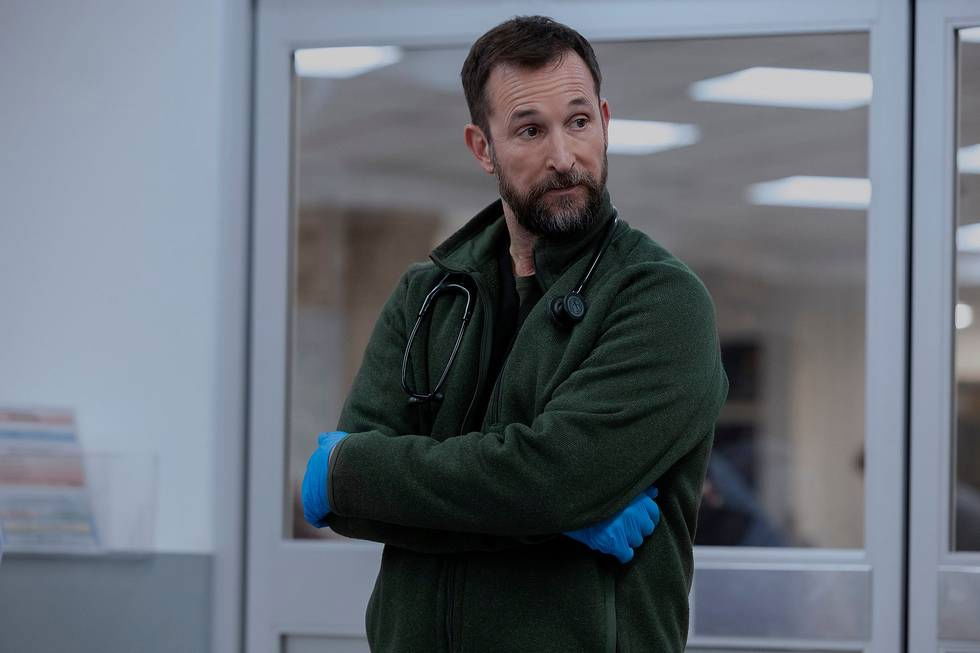
Dr. Robby (played by Noah Wyle) is on the verge of breaking down, and every episode of The Pitt Season 2 clearly shows that his mental health is in shambles. That is why he wanted to go on a sabbatical. However, as the shift progressed, his condition worsened, and in the 13th episode of Season 2, he finally said the words that we never wanted to hear: "What if I do not come back?" As soon as he said it, Dana and everyone watching the series knew that Robby was not okay and needed help. In the final episode, we see the shift entering its final hour, and the time has come for Robby to say goodbye.
But everyone is scared because they know that ER needs him, but he might lose himself if he continues working like a machine. Will Robby promise his teammates that he will come back? Or viewers will see Robby breaking down and sharing things he did not in the past. Let us take a look at how Season 2 of The Pitt ended.
Did Robby leave for sabbatical?
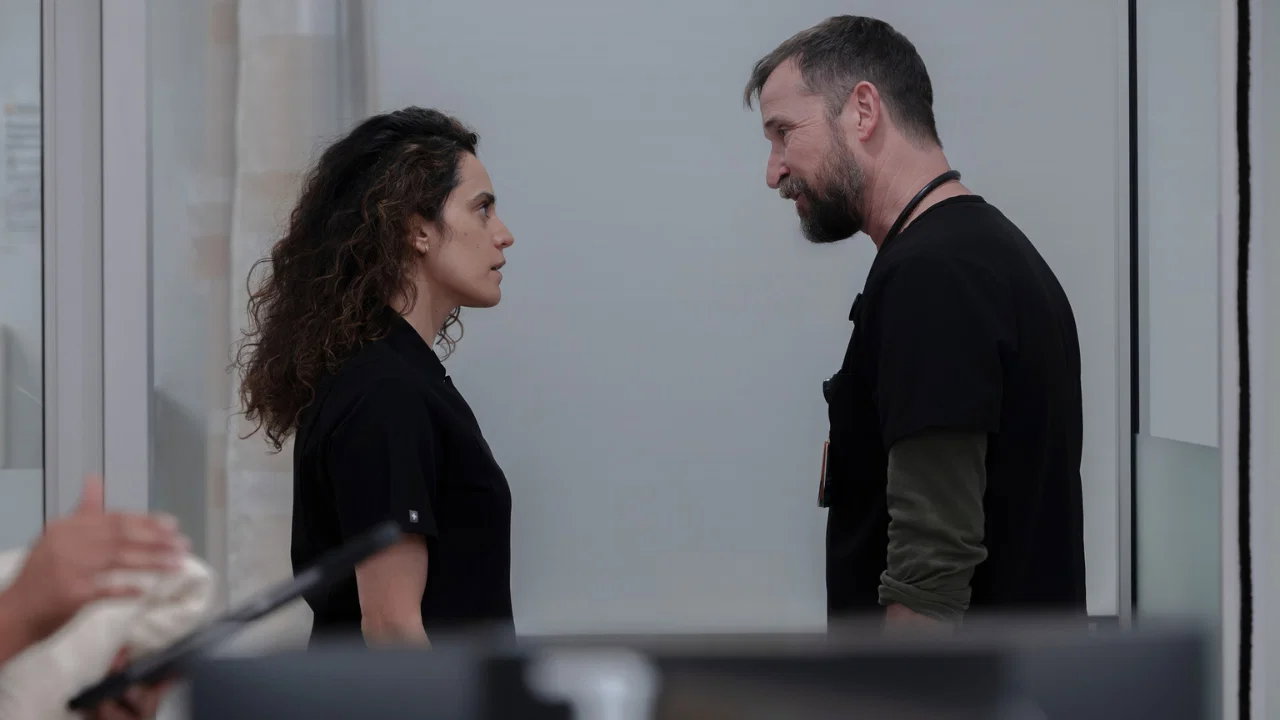
The finale of Season 2 began with Robby and Dr. Al-Hashimi (played by Sepideh Moafi) continuing their conversation about the latter's medical condition. Robby is not feeling well about Hashimi continuing to work even when she suffered two "absence seizures." The finale does not waste any time in placing Robby at the emotional center of the storm. Throughout the episode, one moment after another, it becomes increasingly clear that his struggle is not just about exhaustion; it is about losing a part of himself. He is not only keeping himself in check but also ensuring the entire ER runs smoothly and no one loses control.
Credits: Warrick Page/HBO Max
Credits: Warrick Page/HBO Max
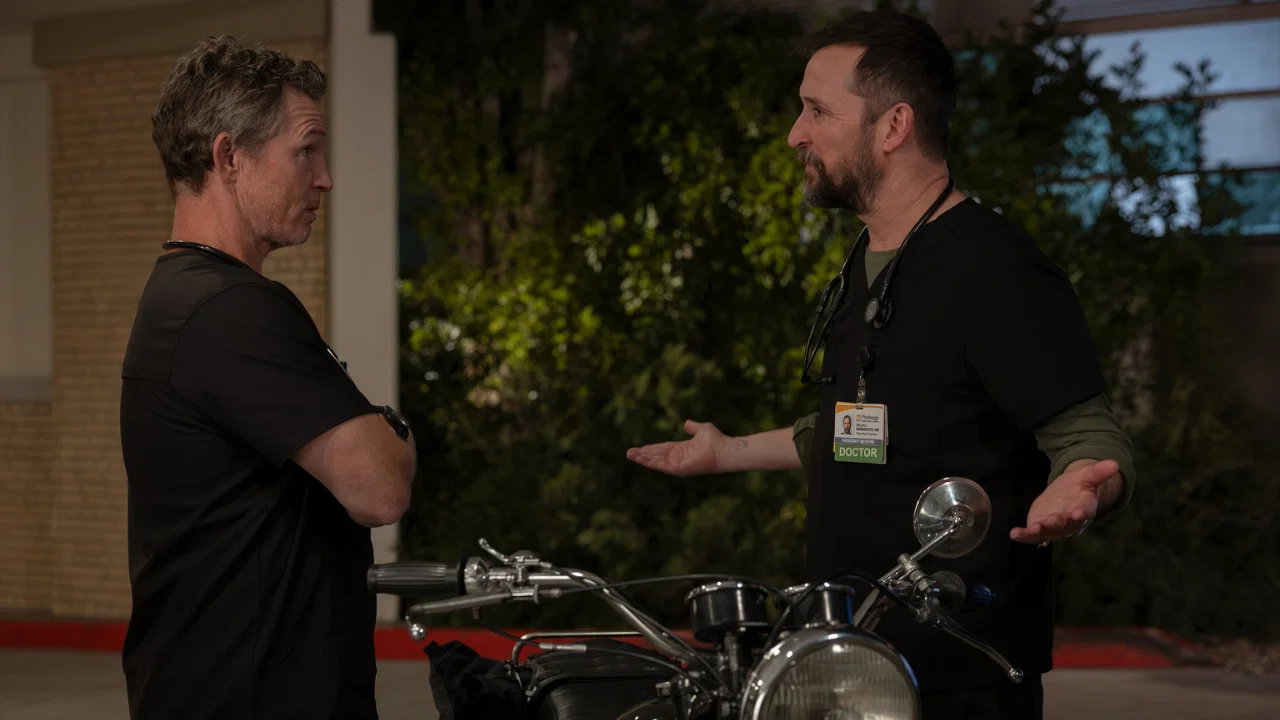
While doing this, he comes face-to-face with his colleague and friend, Dr. Abott, who strikes up a conversation with him, telling him how Dana and others are worried about his health. Moreover, he lets Robby know that a lot of people in the hospital believe that he might do something catastrophic as soon as he leaves the hospital. The entire conversation starts to frustrate Robby, and he tells Abbott that he does not want to hear anything right now. Their conversation is cut short when a new patient arrives at the hospital, and they need to take care of her.
However, the emotional peak comes during another conversation with Abbott. The shift is about to get over, and Robby is ready to leave, but Abbott knows that he just cannot let him go without having a conversation. Abbott makes Robby understand that he understands what he is going through right now, but leaving everything is not the solution. That sentence triggered something in Robby, and he finally let his guard down and talked his heart out. Robby finally admits what has been weighing on him and says that he owes everything to this job. He loves his job, but over the years, he has seen so many people die in front of his eyes that it has started to erode his soul.
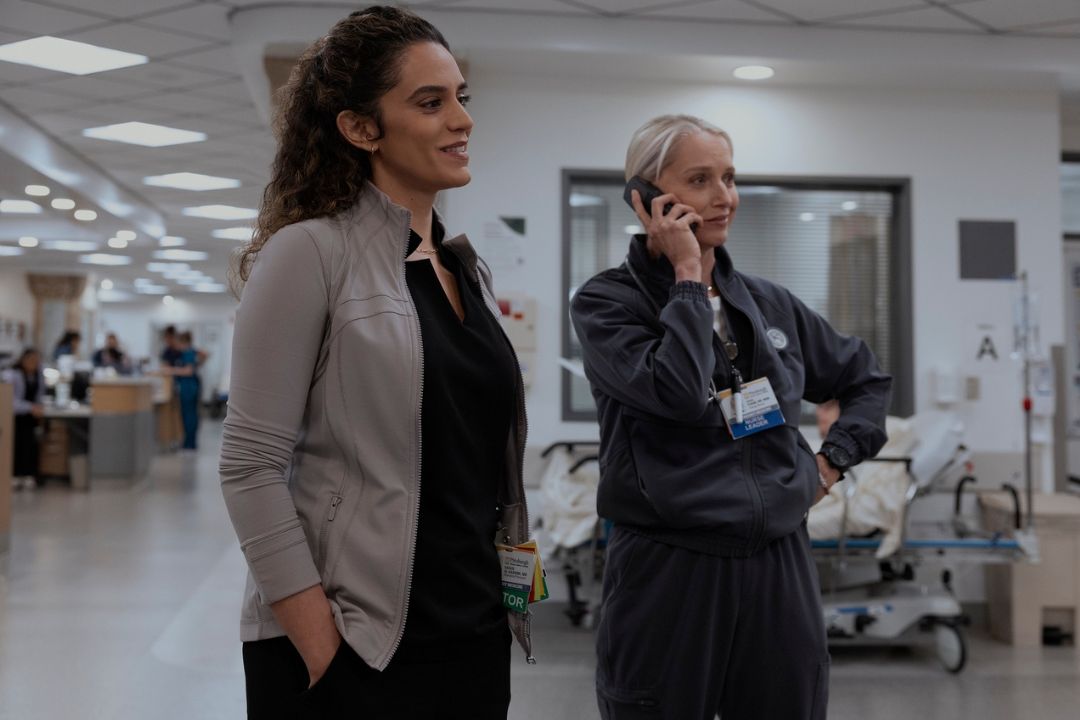
This was not just a burnout; it was a deep existential fatigue. Abbott's response is simple but profound: life can be painful, but it is also beautiful and worth holding onto. He urges Robby to step away from all the chaos and to seek help, but also reminds him that the medical facility needs him just as he needs it. They ended the conversation with a hug that Robby needed the most as they headed outside in the main hall.
Apart from what is happening around him, Robby also wanted to talk to Langdon about how he has behaved with him during the course of the shift. Langdon lets Robby know that he has done everything he should have. Langdon realized what he did in Season 1 was pathetic, but now that he is sober, Robby should cut him some slack. Robby understood what Langdon said and told him that he had nothing against him. Despite having a tumultuous relationship throughout the season, Langdon wanted Robby to be alright and told his colleague he should seek some help.
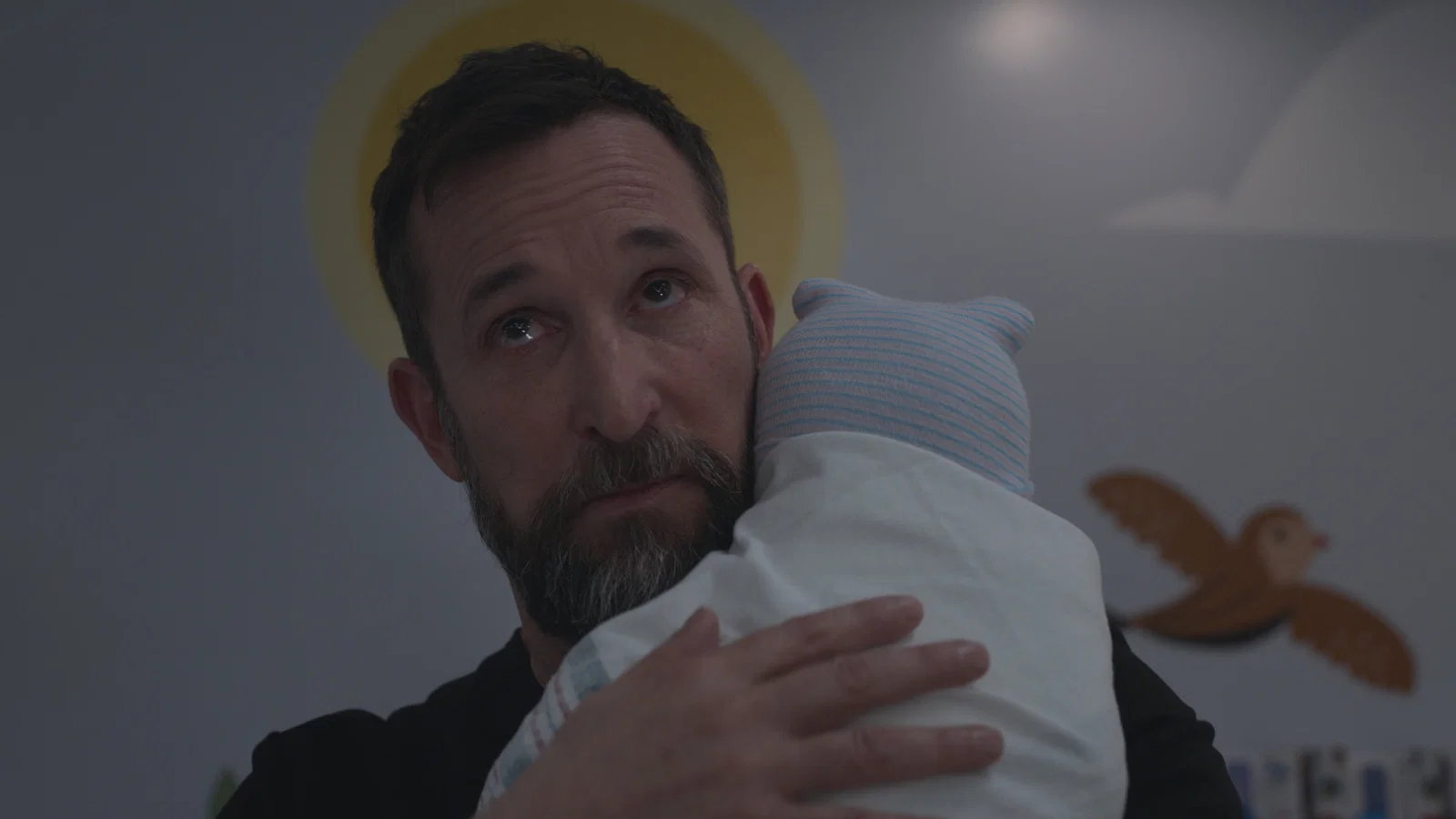
By the end, Robby was holding the abandoned, newborn baby and confronting his own unresolved past, including feelings of abandonment from childhood. This moment subtly connects his present struggles with deeper emotional wounds. The entire situation becomes a powerful visual metaphor. The episode ends with Robby holding the body closer to his body, letting the viewers decide how Robby's story in The Pitt season 2 ended: whether he will return or not. On the other hand, it opens the doors for Season 3 and shows in which direction the story will move forward.
Does Robby let Al-Hashimi work despite her medical condition?
Throughout the season, Dr. Al-Hashimi’s arc has been particularly compelling. It begins with a direct face-off with Robby, but over time, they find common ground and learn to work together. But things take a U-turn when Al-Hashimi tells Robby about her condition. She reveals that she was diagnosed with "absence seizures" at the age of five after a bad case of viral meningitis. For the uninitiated, Absence Seizures are brief seizures that typically last 10-12 seconds. During them, a person may suddenly stop what they’re doing, stare into space, or have slight eye fluttering, as they briefly lose awareness.
When Robby asked if anyone knew about this, Hashimi said now and noted that people always thought she was thoughtful. She had a medical procedure called laser ablation on her left temporal lobe. She was seizure-free for a long time and was cleared by neurology to drive and work as a medical professional. However, she had not one, but two seizures on the same day, which made Robby really worried about her and her patients' health. It signals that her condition is no longer under control, placing both her and her patients at risk.
According to Hashimi's neurologist, she could adjust her Keppra dosage or opt for a neuromodulation device, which would sense and stop the seizures immediately. Apart from that, she could go for a temporal lobectomy, but there are huge chances that her speech will be affected. What makes this storyline compelling is Al-Hashimi’s determination to continue working. But Robby strongly opposes this idea. He even asks one of her friends about the scenario and if it violates HIPAA guidelines. For him, this is not just about her autonomy; it is about patient safety.
Credits: Warrick Page/HBO Max
Credits: Warrick Page/HBO Max
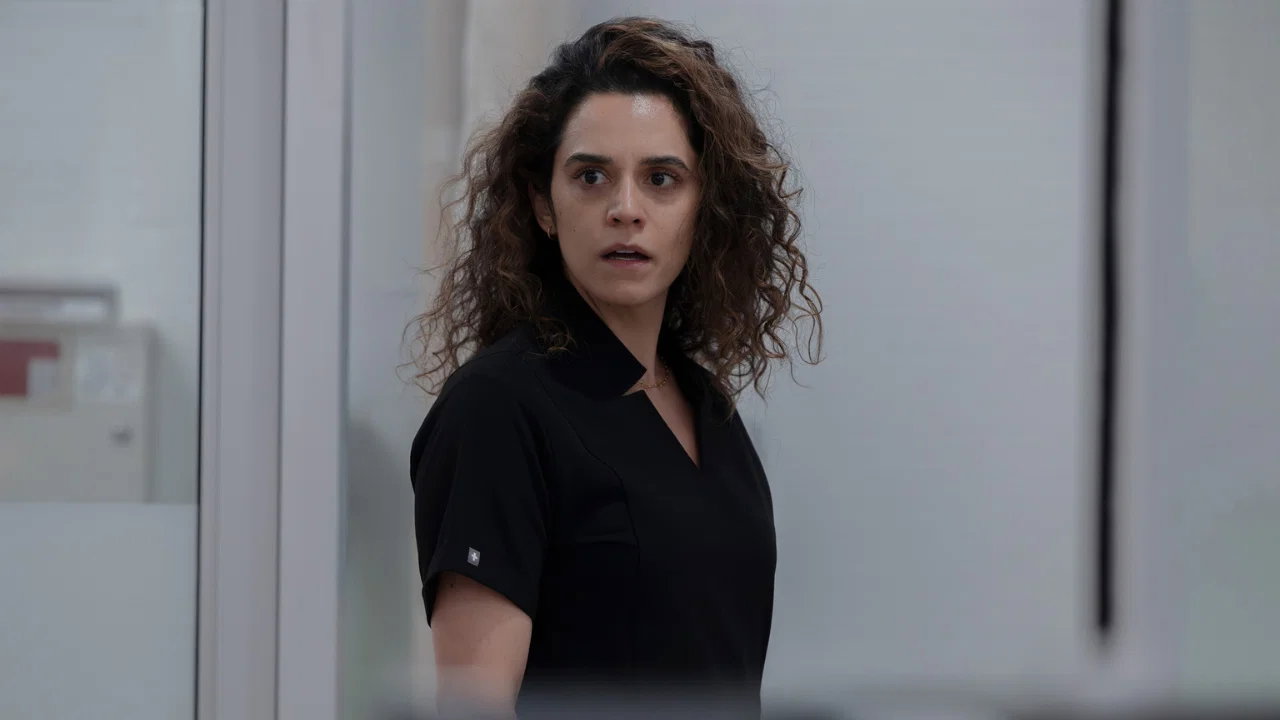
But their calm conversation turns into a full-blown argument when Al-Hashimi tells Robby that her neurologist said that she can work. Robby is not convinced of it and wants Hashimi to take care of herself, while Hashimi wants to work. He tries to make her understand that it would be really dangerous for her to work in this condition, and that could also put the patients in danger. When Hashimi refuses to listen to him, Robby snaps and gives her an ultimatum that she must inform the administration, and if she does not, he will.
This entire scenario made me realize that, in many ways, Al-Hashimi represents a version of Robby: someone deeply committed to their work but struggling with a condition that could compromise their ability to continue.
Her storyline in the end raises a very important question about how much risk is acceptable in the field of medication, and what it means to lose the very thing that defines you. The finale does not provide easy answers for this because the story is ongoing, and there is still a long way to go. The conversation ends with Hashimi getting inside her car and crying her heart out, leaving her future uncertain.
Did Robby and Abbott save Judith and her baby?
Apart from all the emotions, the finale was also about medical brilliance. The case of Judith, the pregnant woman seeking a "free birth," serves as the medical centerpiece of the finale. For the uninitiated, a "free birth" is the intentional choice to give birth without the presence of a medical professional, including a doctor or a midwife. Judith refuses to take prenatal care, which frustrates the entire hospital team. However, her condition is getting worse, and Abbott lets her know that they need to take care of her before complications arise.
When Abbott and Sam Garvin (played by Jona Xiao) assess her condition, they quickly realize they need to do something. Judith is 37 weeks pregnant, and if they do not help her, both her life and the baby's life will be at risk. The ethical dilemma here is stark. Judith's beliefs are in direct conflict with medical necessity, and this is where the show excels. The makers do not make the situation too dramatic. Instead, they teach viewers how doctors persuade such patients without overstepping boundaries.
Credits: Warrick Page/ HBO Max
Credits: Warrick Page/ HBO Max
Robby chimes in and tells Judith that they would have to deliver the baby to save her and the little one. However, the situation gets even more grim when Judith begins to have seizures, removing her ability to make informed decisions in real time. As a result, the team proceeds with delivering the baby in an attempt to save both lives. The entire sequence is chaotic, but it feels like organized chaos, where people know what they are supposed to do. Robby and Abbott take center stage as they deliver the baby and simultaneously try to keep both of them alive.
After a lot of effort, Robby and Abbott manage to save Judith and her child as the entire team takes a sigh of relief. But it is not only they, but the viewers also feel lighter when the baby and her mother are out of danger.
What happened to Robby's other teammates in The Pitt?
Robby is not the only one having the urge to get out of the hospital; his team is also waiting for the shift to end and to have some fun. Every character is going through something in The Pitt, and the finale beautifully captures those emotions. Right after the shift ends, Robby’s team steps outside to watch fireworks, likely for the Fourth of July, and finally gets some fresh air. Meanwhile, Mel and Trinity decide to go to a karaoke bar to unwind after the long shift and take their minds off everything they’ve just been through.
The finale ends with another mystery as viewers see an unknown, homeless man dragging a shopping cart with Whitaker's hospital card pinned over his shirt. The episode does not show what that means, or whether Whitaker is fine or not. Is he in danger? Or he just threw his hospital card away after knowing that Robby might never come back, and it would be harder for him to continue without Robby at the helm.
Overall, The Pitt Season 2 finale is exactly what we thought it would be and brought a lot of emotional threads in a way that felt grounded as well as deeply affecting. Whether it’s Robby’s internal collapse and uncertainty to not come back, Al-Hashimi’s uncertain future, or Judith’s life-threatening emergency, every storyline reflects the same underlying truth: medicine is as much about human vulnerability as it is about science.
What did you think of The Pitt Season 2 finale? Do you think Robby is coming back? Let us know your thoughts.

Edited By: Itti Mahajan
