
The $110 Billion Endgame: Inside Warner Bros.’ Fall From Hollywood Giant to Paramount’s Biggest Prize
HOLLYWOOD, LOS ANGELES, BURBANK, CALIFORNIA - SEPTEMBER 13: Outside views of the Warner Brothers Studios Buildings on September 13, 2015. The Studios are located in Los Angeles and famous for many TV Shows and Movies.
HOLLYWOOD, LOS ANGELES, BURBANK, CALIFORNIA - SEPTEMBER 13: Outside views of the Warner Brothers Studios Buildings on September 13, 2015. The Studios are located in Los Angeles and famous for many TV Shows and Movies.
Most things love a holy trinity. Religion has the Father, Son and Holy Spirit. Storytelling gets beginning, middle and end. Old Hollywood preferred a more crowded altar. Its Golden Age was ruled by the Big Five: MGM, Paramount, Warner Bros., 20th Century Fox and RKO.
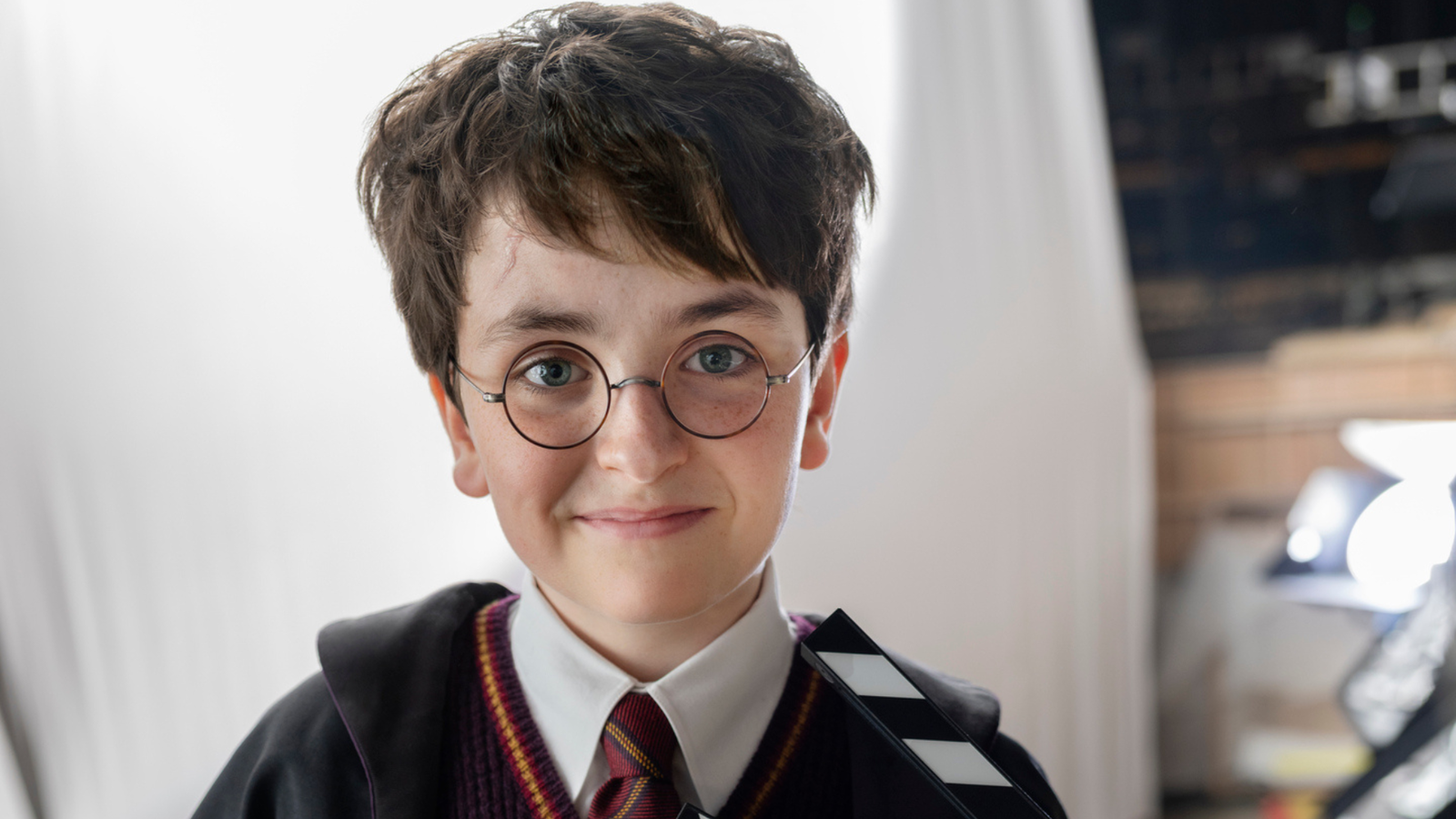
Yet few shields carried into modern cinema with Warner’s peculiar electricity. Casablanca, Bugs Bunny, Batman, Harry Potter, The Matrix, Christopher Nolan, HBO, Warner did not simply make entertainment. It helped define what movie magic looked like when Hollywood felt enormous.
A century later, that famous shield is entering another corporate home as Paramount Skydance completes a $110 billion merger with Warner Bros. Discovery.
ADVERTISEMENT
Article continues below this ad
So how did Hollywood royalty become somebody else’s ultimate prize?
When the Warner shield meant Hollywood at full volume
Warner Bros. began in 1923 with brothers Harry, Albert, Sam and Jack Warner, four show-business risk takers building a studio during an era when cinema itself still felt like an experiment. One of their defining early bets came with sound. The Jazz Singer arrived in 1927 and became a landmark in the transition toward talking pictures, giving Warner an early reputation for betting boldly when the industry was changing underneath everyone’s feet.
via Imago
Credits: Imago
That appetite for scale eventually became part of the studio’s DNA. Warner’s catalogue grew from Casablanca and Looney Tunes into decades of filmmaker relationships, television production and franchise machinery. Clint Eastwood made the studio a longtime creative home. Later came Harry Potter, The Dark Knight, Inception, The Matrix, The Hangover and television juggernauts such as Friends, Game of Thrones and The Big Bang Theory.
Warner also developed something harder to quantify than box office: trust. Filmmakers knew the studio could bankroll an expensive swing and stand behind it. Christopher Nolan became perhaps the clearest modern example, making nine of his first 13 features with Warner before Universal eventually became his new base.
At its early-2010s peak, the shield could sit comfortably in front of superhero spectacles, wizard epics, adult dramas and filmmaker-driven blockbusters without looking misplaced. Warner represented the increasingly rare idea that a giant studio could behave like a patron as well as a corporation.
Then Silicon Valley changed the game, streaming became Hollywood’s new religion, and Warner started chasing a future that kept moving farther away.
Streaming, debt and the slow erosion of trust
The trouble did not arrive dressed like a villain. It arrived dressed like strategy as AT&T spent about $85 billion acquiring Time Warner in 2018, betting that owning premium entertainment would strengthen a telecommunications empire. Four years later, WarnerMedia was spun out and combined with Discovery in a $43 billion transaction.
Dhaka, Bangladesch- 6. Juli 2026: Warner Bros. Discovery-Logo wird auf einem Smartphone gesehen. Dhaka, Bangladesh- 6 July 2026: Warner Bros. Discovery logo is seen on a smartphone. (License=RM) Copyright: xZoonar.com MojahidxMottakinx 25331895
Dhaka, Bangladesch- 6. Juli 2026: Warner Bros. Discovery-Logo wird auf einem Smartphone gesehen. Dhaka, Bangladesh- 6 July 2026: Warner Bros. Discovery logo is seen on a smartphone. (License=RM) Copyright: xZoonar.com MojahidxMottakinx 25331895
The grand theory was scale: movies, HBO, cable networks, reality television and streaming stacked together strongly enough to fight Netflix but during the pandemic, WarnerMedia placed its entire 2021 theatrical slate on HBO Max the same day those films reached cinemas.
The move boosted streaming ambitions, but filmmakers were furious about how the decision was handled. Nolan, after nearly two decades with Warner, departed for Universal. Variety has described trust as central to that break, with the simultaneous release strategy becoming a defining rupture in the relationship.
Warner Bros. Discovery then arrived carrying a brutal financial hangover. Debt demanded discipline, and the company began cutting aggressively. The nearly completed Batgirl was shelved. Scoob! Holiday Haunt followed. Warner later planned to abandon the finished Coyote vs. Acme for a tax write-off before ultimately selling it to Ketchup Entertainment. These choices made balance-sheet sense to management, but they created a chilling question for filmmakers: could years of work simply disappear?
Even HBO Max briefly lost the HBO name, becoming Max before the company eventually reversed course. Meanwhile, cable television kept shrinking and the debt remained mountainous. By mid-2025, Warner Bros. Discovery carried roughly $34 billion in net debt, and Reuters noted that its stock had fallen dramatically from earlier highs.
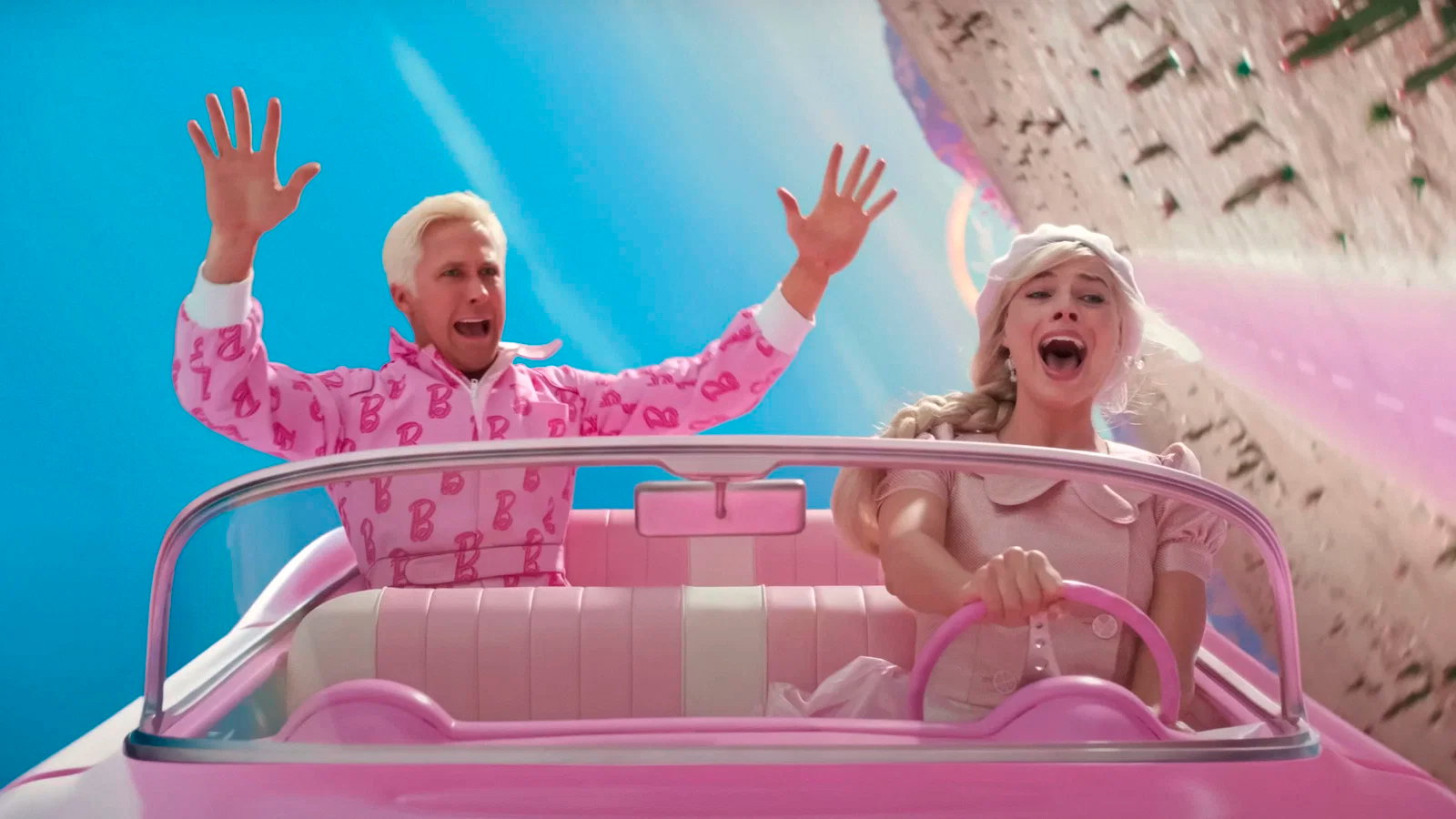
Management announced plans to split the streaming and studio operation from the declining cable networks. Warner still produced hits. Barbie became a global phenomenon. HBO remained prestigious. The DC library, Harry Potter, Game of Thrones, and a century of film history retained extraordinary value.
That was precisely the problem, the company was bruised, but the treasure chest was still overflowing.
How Warner became Paramount’s $110 billion prize
By late 2025, Warner Bros. Discovery had become Hollywood’s strangest contradiction. Its corporate structure looked exhausted, while its assets looked irresistible. The company explored strategic alternatives after planning its split, drawing interest from some of the largest players in entertainment. Netflix emerged as a serious bidder.
via Imago
Credits: Imago
Paramount Skydance, newly controlled by David Ellison, came charging back with a $108.4 billion hostile offer during the bidding battle. Warner’s roughly $35 billion debt complicated every proposal, but HBO, Warner Bros., CNN, DC, Harry Potter and its gigantic library made the prize difficult to ignore.
The irony was cinematic. Paramount had long been one of Warner’s great studio-era peers, yet Warner entered the auction weakened enough for Ellison’s company to pursue the larger empire. Deep financial backing gave Paramount Skydance the muscle to turn that ambition into a genuine takeover.
The eventual transaction became a $110 billion merger. Legal opposition followed, with 12 states challenging the combination over competition concerns. On September 30, 2026, a federal judge approved a settlement that cleared the way forward. The agreement includes commitments around theatrical production, domestic investment and editorial safeguards involving CNN and CBS News.
The combined company is set to take the corporate name Skydance, although Warner Bros. and Paramount will continue as individual entertainment brands. David Ellison will steer creative and strategic direction alongside co-CEO Ynon Kreiz, while the new group faces roughly $80 billion in combined debt and a planned $6 billion in cost savings.
ADVERTISEMENT
Article continues below this ad
That is the strange final twist in Warner’s century-long journey. The studio survived silent cinema, television, home video and the multiplex. What finally stripped away its corporate independence was a chain of mergers designed, each time, to make it stronger for the next technological age.
Warner Bros. did not run out of characters, franchises or filmmakers worth watching. Corporate upheaval made those treasures available to someone with the money to buy the vault. The shield will remain. The water tower will remain. Batman, Hogwarts and HBO are going nowhere. The name above all of them, however, is changing.
ADVERTISEMENT
Article continues below this ad
What do you think caused Warner Bros.’ decline, and can Skydance restore the studio’s reputation as a filmmaker-first Hollywood powerhouse? Let us know in the comments.
ADVERTISEMENT

Edited By: Aliza Siddiqui
More from Netflix Junkie on Hollywood News

ADVERTISEMENT