
‘The Odyssey’ Theatrical Formats Ranked: IMAX 70mm vs Laser vs Standard Screens
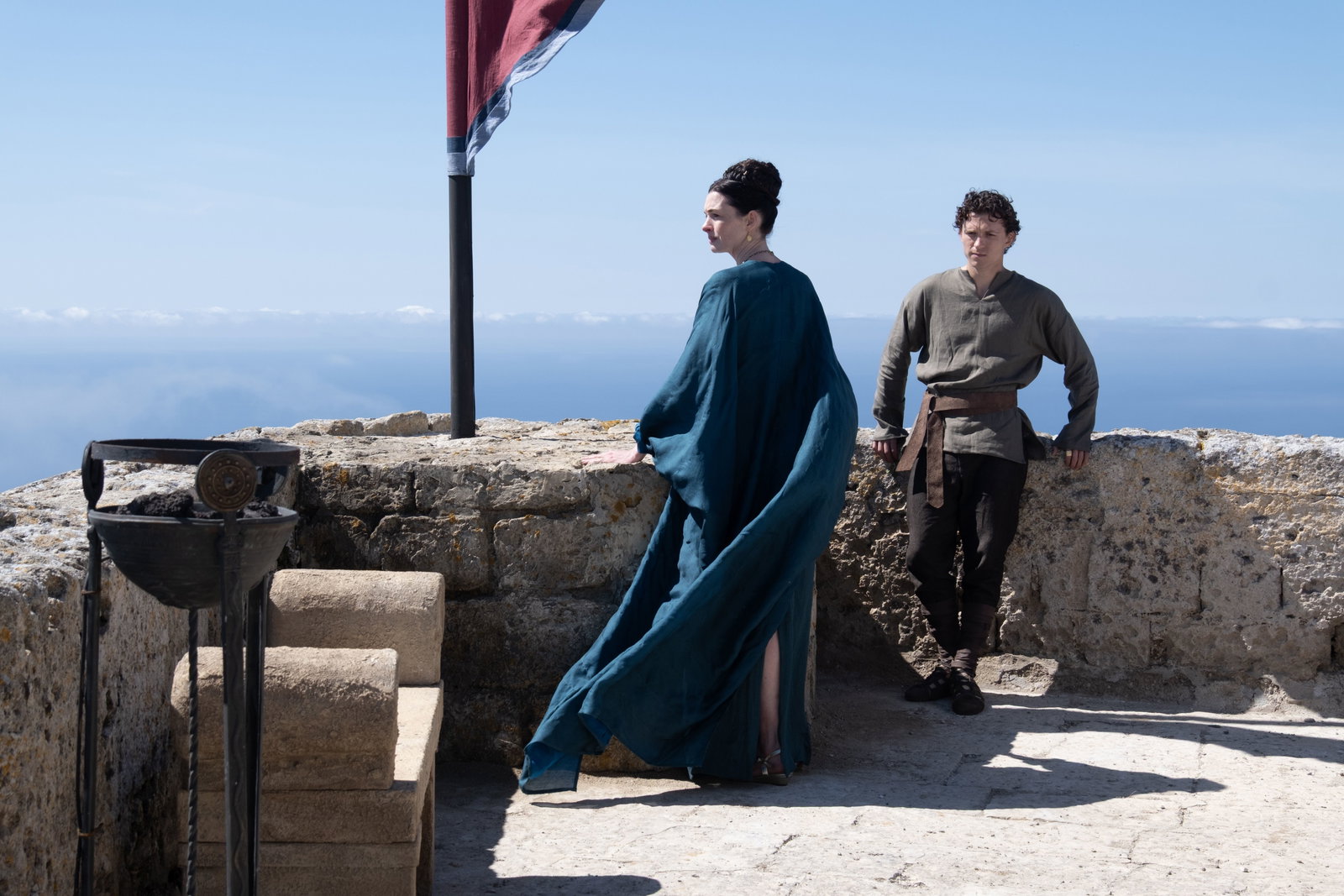
ANNE HATHAWAY and TOM HOLLAND in THE ODYSSEY (2026), directed by CHRISTOPHER NOLAN. Copyright: xSyncopyxProductionx xUniversalxPicturesx xAlbumx alb28505395 EDITORIAL USE ONLY
ANNE HATHAWAY and TOM HOLLAND in THE ODYSSEY (2026), directed by CHRISTOPHER NOLAN. Copyright: xSyncopyxProductionx xUniversalxPicturesx xAlbumx alb28505395 EDITORIAL USE ONLY
Christopher Nolan’s The Odyssey is shaping up to be one of the biggest cinematic events of his career. Starring Matt Damon as Odysseus alongside Tom Holland, Anne Hathaway, Zendaya, Robert Pattinson, and Charlize Theron, the film brings Homer’s legendary epic to life on an unprecedented scale. For this project, Nolan pushed IMAX filmmaking further than ever before by shooting the entire movie with IMAX film cameras, something no feature film had previously achieved.
The production required new camera technology to overcome the traditional challenges of IMAX film, including the cameras’ size and extreme noise during filming. Since every theatrical format displays that footage differently, the way you watch The Odyssey can significantly change how much of Nolan’s original vision reaches the screen. So, this ranking breaks down every theatrical presentation from the ultimate IMAX experience to standard screens.
1. IMAX 70mm Film
IMAX 70mm Film is the undisputed gold standard for experiencing The Odyssey. As the first feature film ever shot entirely on true IMAX film, this specific format delivers director Christopher Nolan’s cinematic vision exactly as he intended. Audiences are treated to a massive, six-story-tall screen that provides unmatched visual immersion. Because it utilizes actual analog IMAX film projection, the image quality boasts incredible clarity, color depth, and detail that digital formats struggle to replicate.

Credit: Universal Pictures
Credit: Universal Pictures
Crucially, it displays the film in its full 1.43:1 aspect ratio, expanding the top and bottom of the frame to reveal the complete, uncropped picture Nolan originally captured. The only downside to this premium format is its extreme scarcity. Due to the complex machinery and specialized maintenance required for analog projection, only about 30 theaters worldwide are capable of showing it properly.
For moviegoers lucky enough to live near one of these select venues, it represents the definitive, intended way to view the film.
2. IMAX Dual Laser / IMAX Laser
IMAX Dual Laser / IMAX Laser serves as the premier digital format for watching The Odyssey. For viewers who cannot access one of the rare analog venues, this advanced laser projection system represents the next best alternative for experiencing the film's scale. The primary advantage of the IMAX dual-laser system is its ability to project the full 1.43:1 aspect ratio. This allows the digital presentation to fill massive, specially built screens from top to bottom, ensuring audiences see the entire uncropped image Nolan captured without losing any vertical detail.
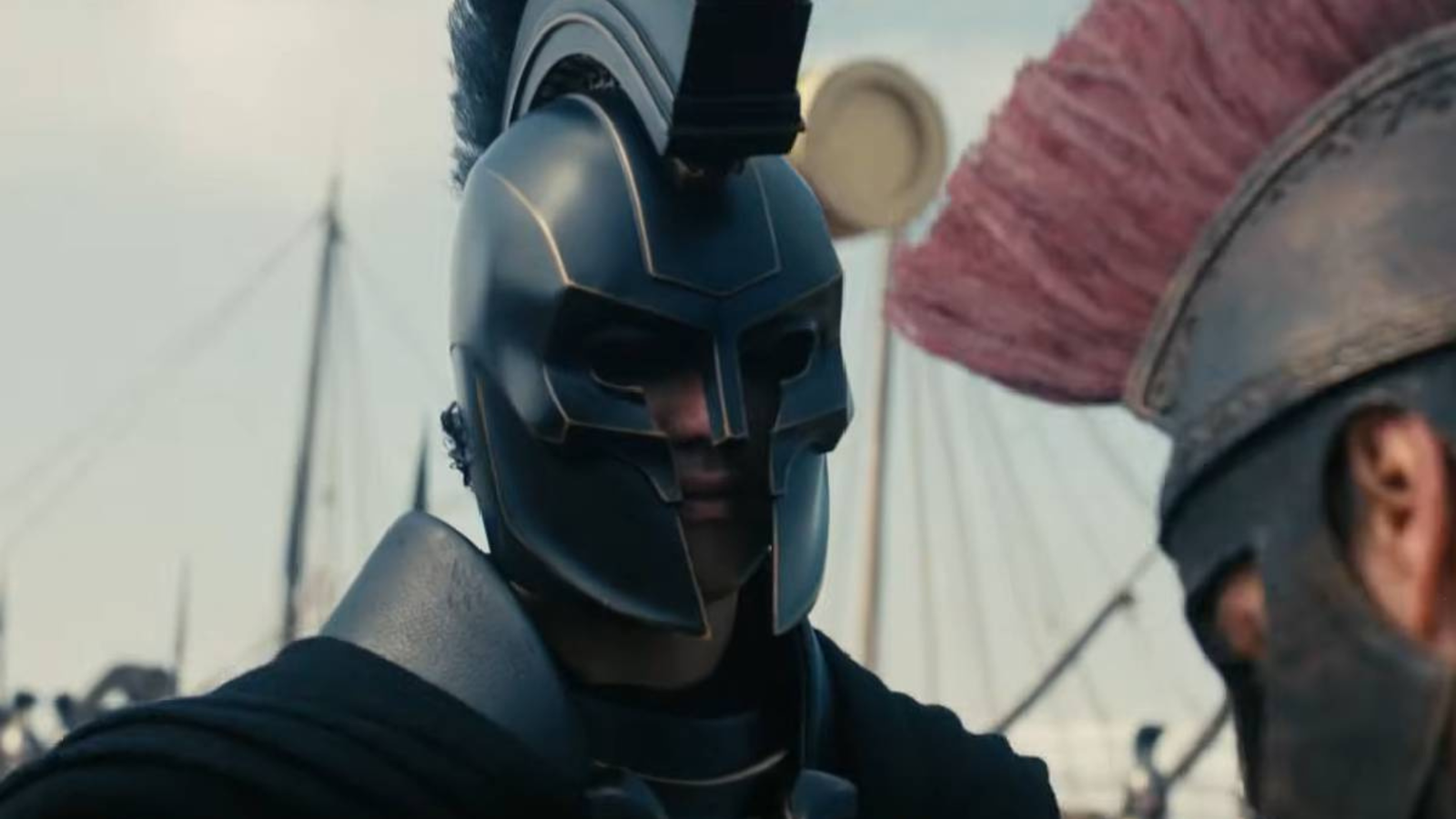
Credit: Universal Pictures
Credit: Universal Pictures
Furthermore, laser technology provides exceptional brightness, razor-sharp contrast, and a wide color gamut that makes the visuals pop. While this format lacks the distinct organic texture, subtle grain, and pure authenticity of a traditional 70mm film print, it effectively bridges the gap between digital convenience and massive scale. It delivers a pristine, high-contrast presentation that comes remarkably close to the gold-standard film experience, making it a top-tier choice for moviegoers seeking maximum visual impact.
3. Standard Digital IMAX (LIMAX)
Standard Digital IMAX, often colloquially referred to as "LIAMX," represents the most widely accessible way to view The Odyssey in an enhanced format. While it does not deliver the maximum scale of the premium formats, it still offers a significant upgrade over a traditional, regular cinema screen. The main benefit of a standard digital IMAX theater is its availability; these screens are highly common in commercial multiplexes. Audiences still enjoy a larger, curved screen, immersive proprietary sound systems, and a brighter digital projection than standard auditoriums.

Credits: Universal Pictures
Credits: Universal Pictures
However, the compromise lies in the framing. Most of these theaters utilize a shorter 1.90:1 aspect ratio rather than the towering, full 1.43:1 IMAX frame. Viewers still receive an expanded, taller image compared to a standard widescreen presentation, but a noticeable portion of Nolan’s original composition will be cropped from the top and bottom. It remains a solid, highly immersive option that delivers great sound and a big picture, but it ultimately provides a compressed version of the director's true grand vision.
4. Traditional 70mm Film
Traditional 70mm Film is a premium analog format that should not be confused with the massive scale of IMAX 70mm. Both utilize physical film, but traditional 70mm projects onto a standard wide screen rather than a towering, multi-story structure. Despite the smaller screen size, this format still offers the distinct beauty, organic texture, and warmth of real analog film projection. Moviegoers will experience exceptional image clarity, deep colors, and high contrast that digital alternatives often struggle to replicate.

Credits: Universal Pictures
Credits: Universal Pictures
However, traditional 70mm utilizes a wider, standard 2.20:1 aspect ratio, which could serve as a primary drawback. Because Christopher Nolan composed the movie specifically for the vertically expanded IMAX frame, this wider format means a significant portion of the top and bottom of the original image will be missing. Ultimately, traditional 70mm film represents a fascinating trade-off for cinephiles. It sacrifices the massive vertical immersion of the director's intended framing, but it rewards viewers with a beautifully sharp, nostalgic, and authentic celluloid aesthetic that makes it a highly respectable choice.
5. Dolby Cinema and Other Premium Large Formats
Dolby Cinema and Other Premium Large Formats (PLFs) offer a luxury viewing experience that prioritizes technical perfection and comfort. For moviegoers who value good audio-visual performance over absolute screen height, these auditoriums present The Odyssey with unmatched sensory precision. The standout feature of Dolby Cinema is its dual-laser projection system, which delivers incredibly vibrant colors and deep blacks through Dolby Vision high-dynamic-range technology. Combined with the spatial immersion of a Dolby Atmos sound system and plush, reclining seats, the overall presentation is remarkably polished.

Credits: Syncopy Inc. and Universal Pictures
Credits: Syncopy Inc. and Universal Pictures
The trade-off again comes down to the framing. Depending on the specific theater's screen setup, the movie will usually be presented in either a standard 1.85:1 or a wide 2.39:1 aspect ratio. Because these formats cannot replicate the towering vertical scale of the director's true IMAX vision, viewers will lose a substantial portion of Nolan’s full frame from the top and bottom. Still, it remains a fantastic option for those seeking industry-leading sound design and crystal-clear contrast, but it ultimately delivers a heavily cropped version of the film's intended visual scope.
6. Standard 35mm Film
Standard 35mm Film preserves the classic magic of traditional celluloid projection, but it cannot replicate the immense scale of Nolan’s native IMAX photography. For purists, this format offers a nostalgic way to view the movie, delivering the organic film grain, warm color textures, and natural motion blur that define the analog cinema experience. However, the primary limitation of this format is the severe cropping required to fit a standard theater setup. The movie will be projected in a much wider 2.39:1 anamorphic aspect ratio.
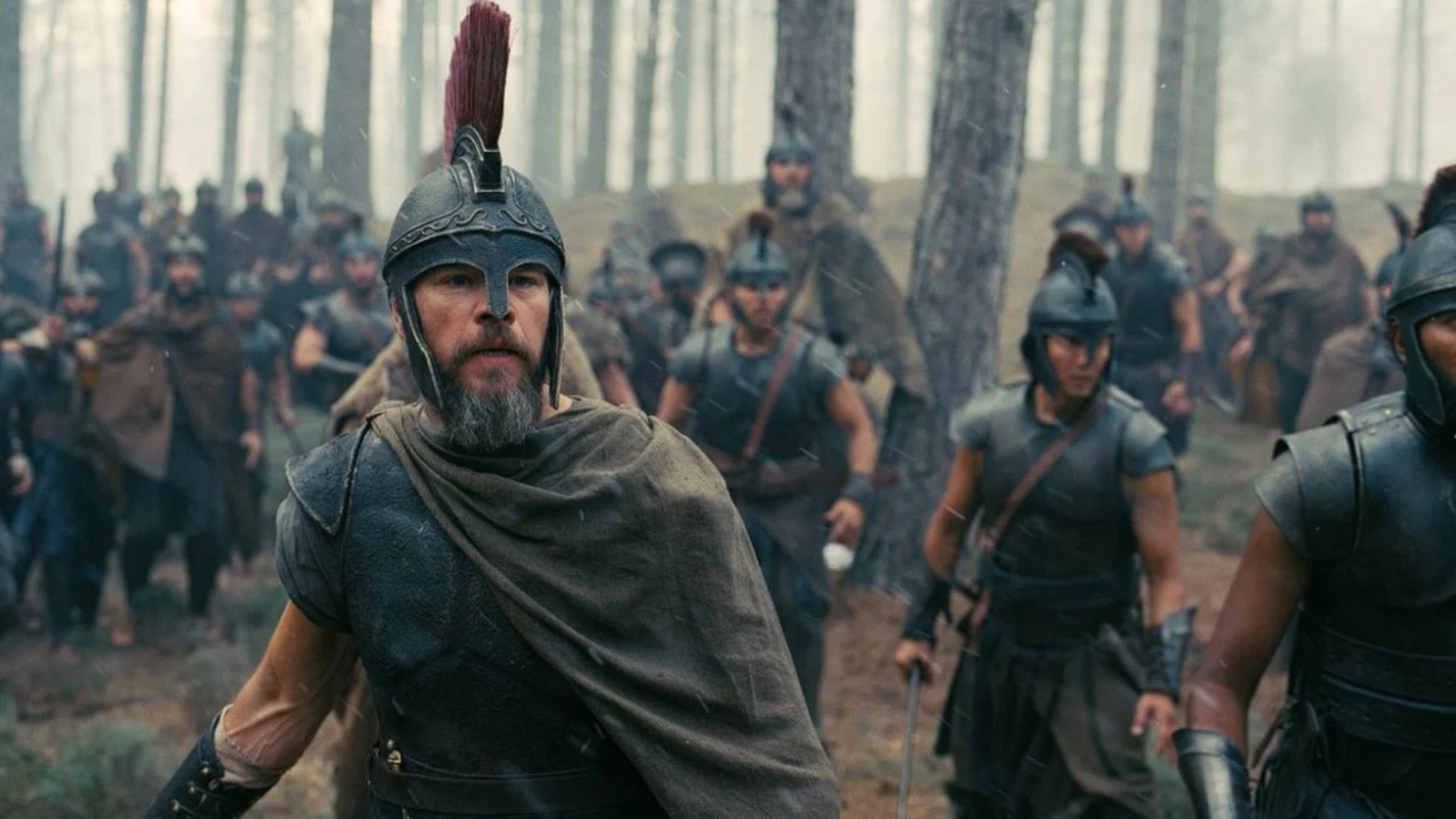
Credit: Universal Pictures
Credit: Universal Pictures
Because the film was specifically composed for towering, square-like IMAX screens, this ultra-wide format forces a massive portion of the original frame to be cut away from both the top and the bottom. Viewers choosing this option will miss out on a significant amount of the vertical visual information that Nolan intended to share. While standard 35mm film remains a charming nod to traditional filmmaking and an increasingly rare theatrical treat, it offers the most heavily cropped and visually compressed version of the director's true grand vision.
7. Regular Digital Theaters
Regular Digital Theaters represent the most common and accessible way audiences will see The Odyssey, but it is also the most compromised version available. As the standard auditorium option found in every commercial multiplex, it lacks the specialized enhancements of premium large formats. In this format, the film is projected digitally in a standard 2.39:1 widescreen presentation. Because Christopher Nolan shot the movie with towering IMAX cameras, forcing that massive vertical imagery onto a standard widescreen results in the most heavily cropped version of his original photography.

Credits: Universal Pictures
Credits: Universal Pictures
A vast amount of visual information is permanently cut from the top and bottom of the frame to make it fit the screen. While the storytelling, acting, and score remain completely intact, ensuring it will still be a great movie, the sheer scale is entirely lost. For viewers who simply want to catch the film at their local cinema, this option gets the job done perfectly. However, it sits the furthest away from the immersive, towering visual experience that Nolan specifically designed for his audience.
To experience The Odyssey as an absolute triumph of modern filmmaking, exactly as Christopher Nolan intended, IMAX 70mm remains the undisputed crown jewel. This premium format delivers unmatched vertical scale and pure analog beauty. The next best thing for audiences without access to a rare film theater would be IMAX dual-laser, which offers spectacular clarity while successfully preserving the full frame.
Which format are you planning to watch The Odyssey in? Let us know in the comments.

Edited By: Itti Mahajan
