
'The Odyssey' and the Ramayana: Two Timeless Journeys, One Shared Legacy
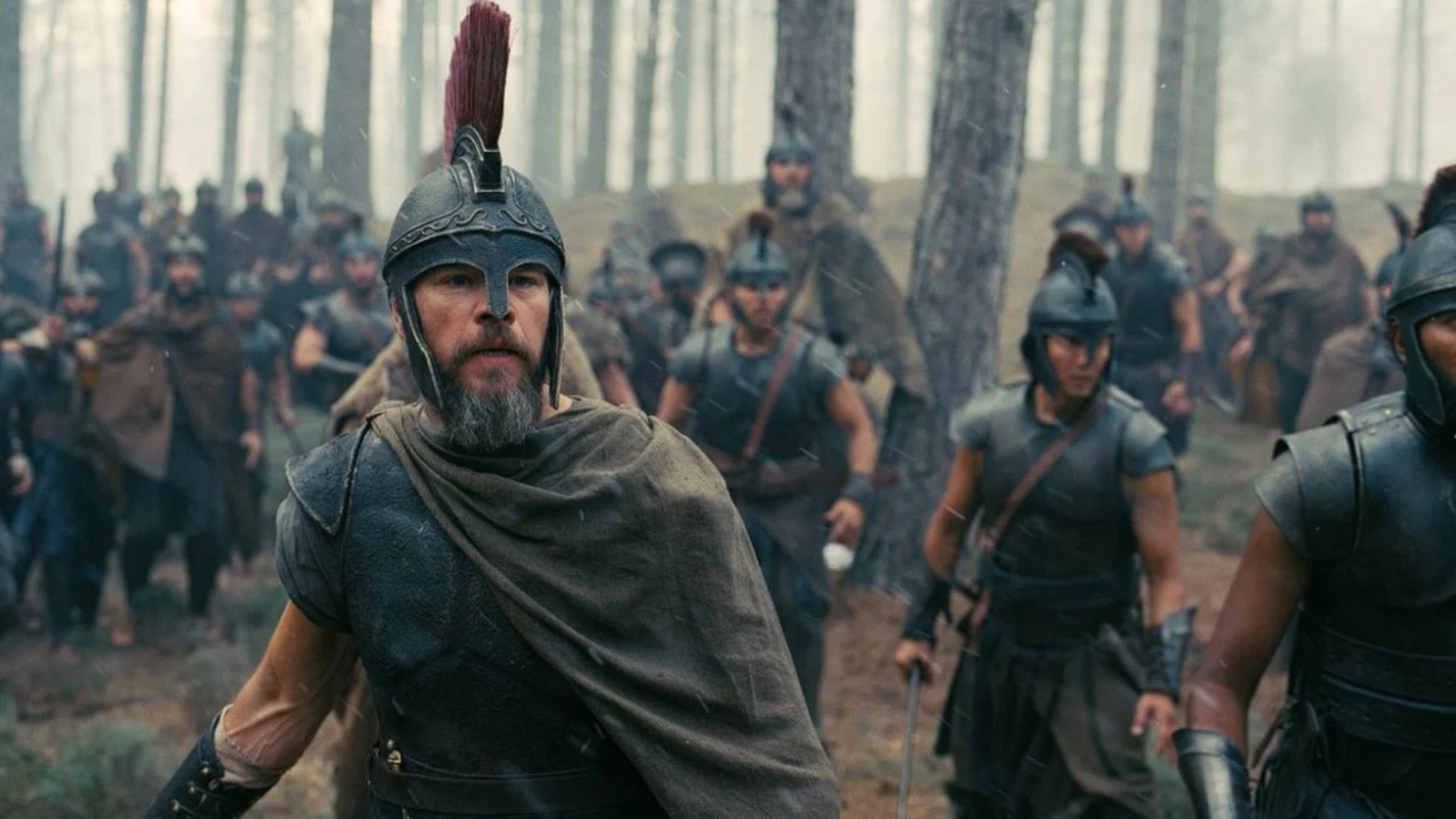
Credit: Universal Pictures
Credit: Universal Pictures
The greatest stories ever told, the ones that outlive war, famine, drought, and even the slow erosion of time, do not endure because of spectacle alone. They endure because they cling to something far more fragile and far more powerful: the simplest of human emotions.
Christopher Nolan’s The Odyssey draws its lifeblood from a single promise: a man’s vow to return home. Odysseus moves through a world that feels shadow-drenched and unforgiving, battered by divine wrath, surviving not by strength alone but by the thin, flickering thread of hope. He is fighting monsters and gods, while wrestling with the slow decay of self. Yet this is not the only epic where a promise shapes destiny.
The Ramayana rises from a completely different emotional landscape, yet it anchors itself in a vow just as powerful. A father’s word becomes a son’s burden, and that son, Rama, does not resist it. Instead, he embraces it. Not only does he accept exile and suffering, but he transforms that suffering into purpose. Where Odysseus defies the gods to fulfill his promise, Rama walks so closely with dharma that he becomes a god himself
These two epics do not merely share themes. They echo each other across centuries, reflecting the same human core through entirely different worlds.
The bow representing strength, identity, and worth
In both The Odyssey and the Ramayana, the bow is not just a weapon. It is identity made visible, truth revealed through action. In The Odyssey, Penelope’s hall becomes heavy with tension. Suitors crowd the space, their presence suffocating, their intentions eroding the sanctity of the home. The challenge is simple in form but impossible in execution. String Odysseus’ bow. Send an arrow clean through twelve axe heads.
One by one, they fail. The bow resists them, as if it recognizes the unworthy. Then comes Odysseus, disguised, diminished in appearance but not in essence. In a single, fluid motion, he strings it. The air shifts. Identity, long buried beneath ash and silence, erupts back into the world.
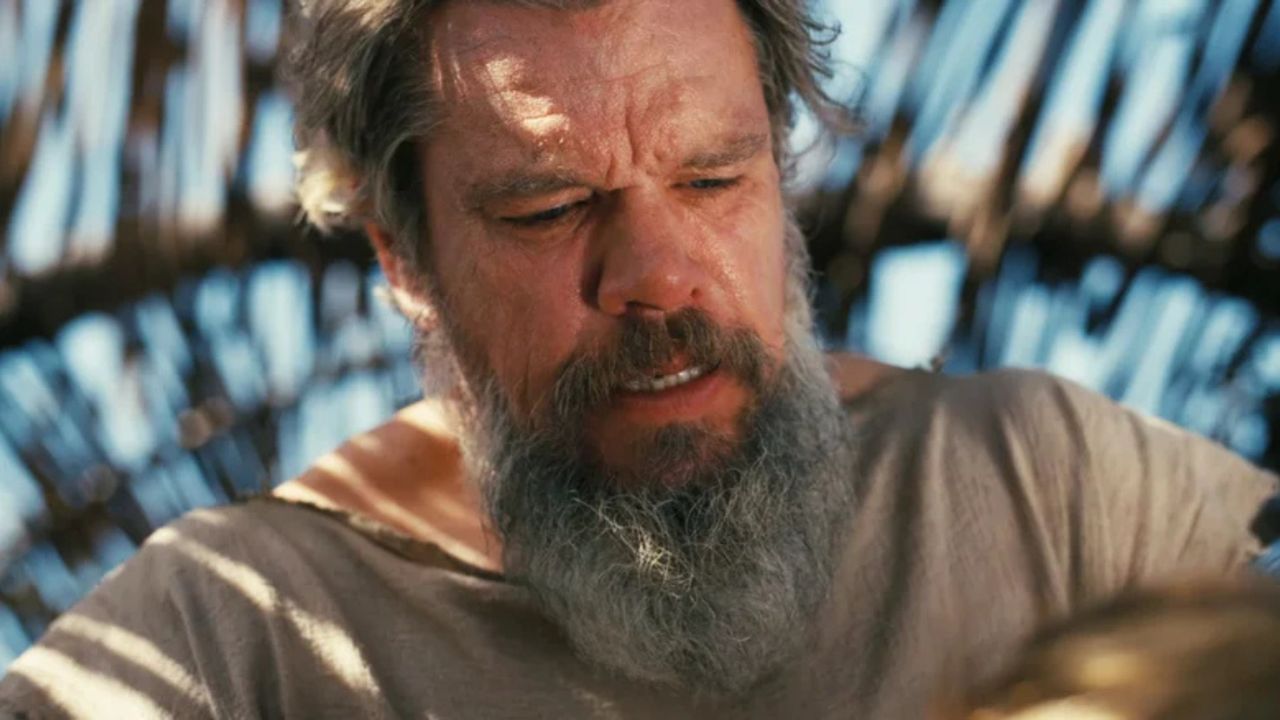
Credits: Universal Pictures
Credits: Universal Pictures
In the Ramayana, the moment carries a different energy, yet an equally profound weight. The court of King Janaka glows with expectation. The bow of Pinaka stands as a divine trial, immovable, sacred, beyond mortal reach. Princes gather, their strength collapsing before its presence. Then Rama steps forward.
Not only does he lift the bow, but he bends it with such force that it shatters, the sound echoing like a cosmic declaration of destiny fulfilled. These moments define strength, but most importantly, legitimacy. One is reclamation. The other is revelation.
If the bow reveals the hero, then the laws they live under shape the world around them.
Zeus’ Law and Dharma
In Greek tradition, Xenia, often tied to Zeus, demands that every traveler be treated with dignity, food, shelter, and safety. This is not just a social code, but it is a sacred obligation. In The Odyssey, this law is constantly tested. The suitors consume Odysseus’ home without restraint, their presence rotting the very foundation of Ithaca.
Even the fall of Troy can be reframed through Odysseus’ own breach of this sacred code. By devising the Trojan Horse and presenting it as a gift, he exploits this very idea of trust and hospitality that xenia demands. The Trojans, bound by the same expectation of honoring offerings and strangers, bring it within their walls.
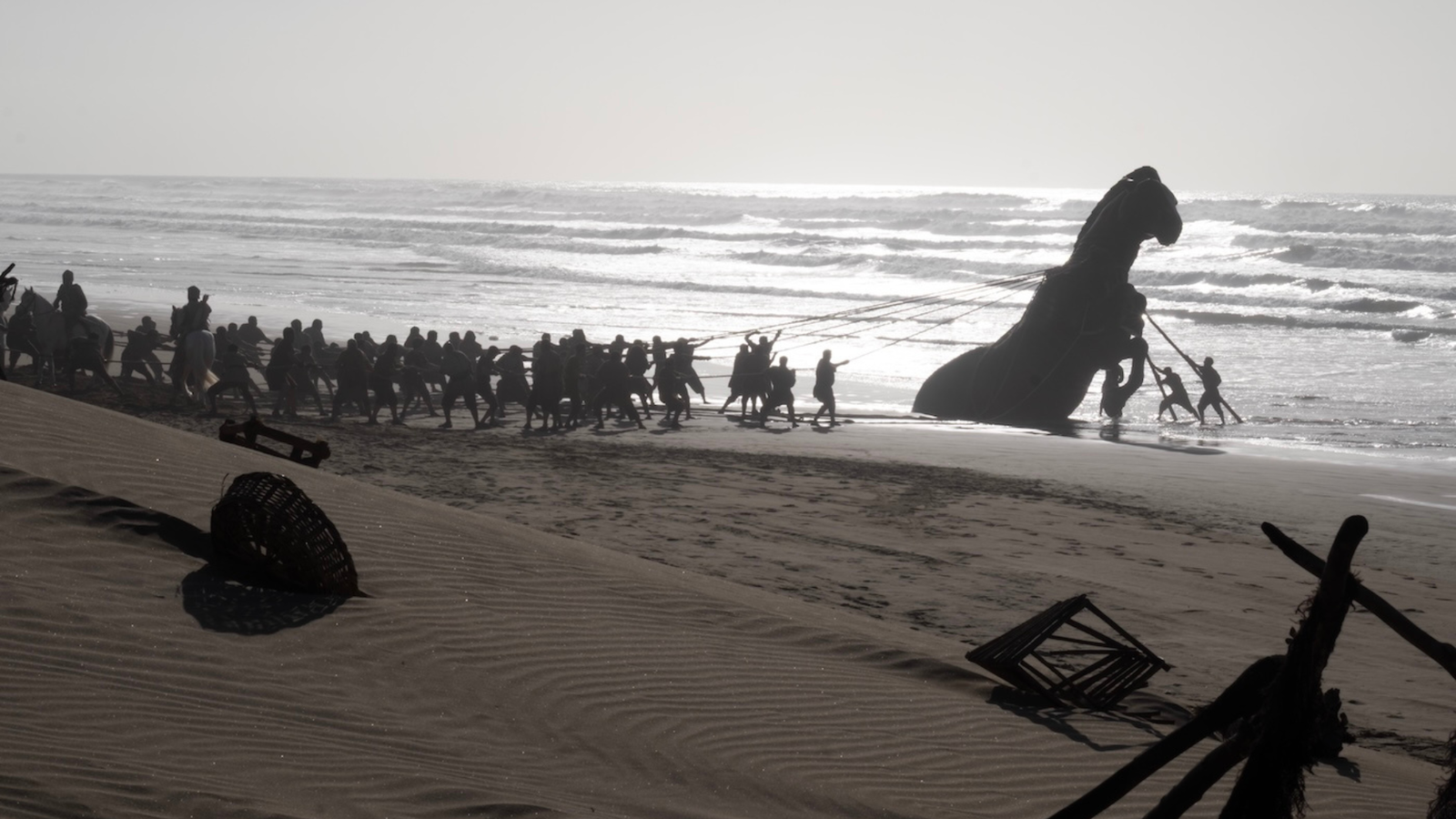
Credits: Universal Pictures
Credits: Universal Pictures
What follows is not open warfare, but deception turned into devastation. A city is not just defeated, it is undone from within. In that moment, Odysseus does not simply win a war; he fractures the very law that protects both host and guest, and the consequences of that violation echo through every trial that awaits him on his journey home.
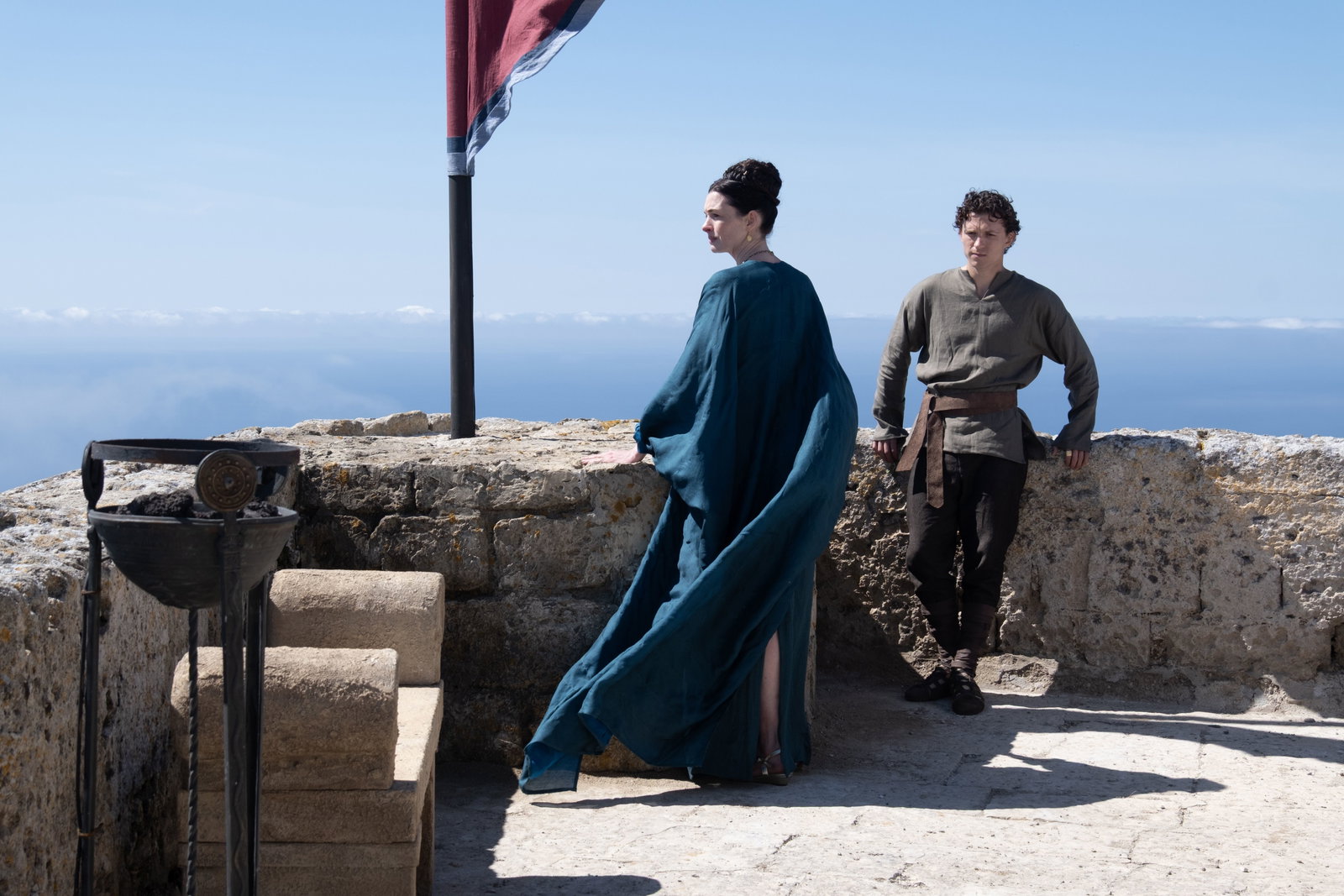
In the Ramayana, the framework is different in name but similar in spirit. Dharma governs action, intention, and duty. Hospitality is not optional. It is sacred. Ravana understands this, and he exploits it. Disguised as a wandering sage, he approaches Sita. Bound by duty, she steps beyond the Lakshman Rekha to offer him aid. That single act, luminous in its intention, opens the door to catastrophe.
And from these broken and upheld codes rises the ultimate consequence.
A Siege for Love
War, in both epics, is not born from ambition alone. It is born from love, from loss, from the refusal to let go. In Greek mythology, Helen’s abduction ignites the Trojan War. Agamemnon leads the charge, and what follows is a brutal siege defined by ash, blood, and human fragility. The city of Troy becomes a symbol of endurance and destruction, its fall marking both victory and irreversible loss.
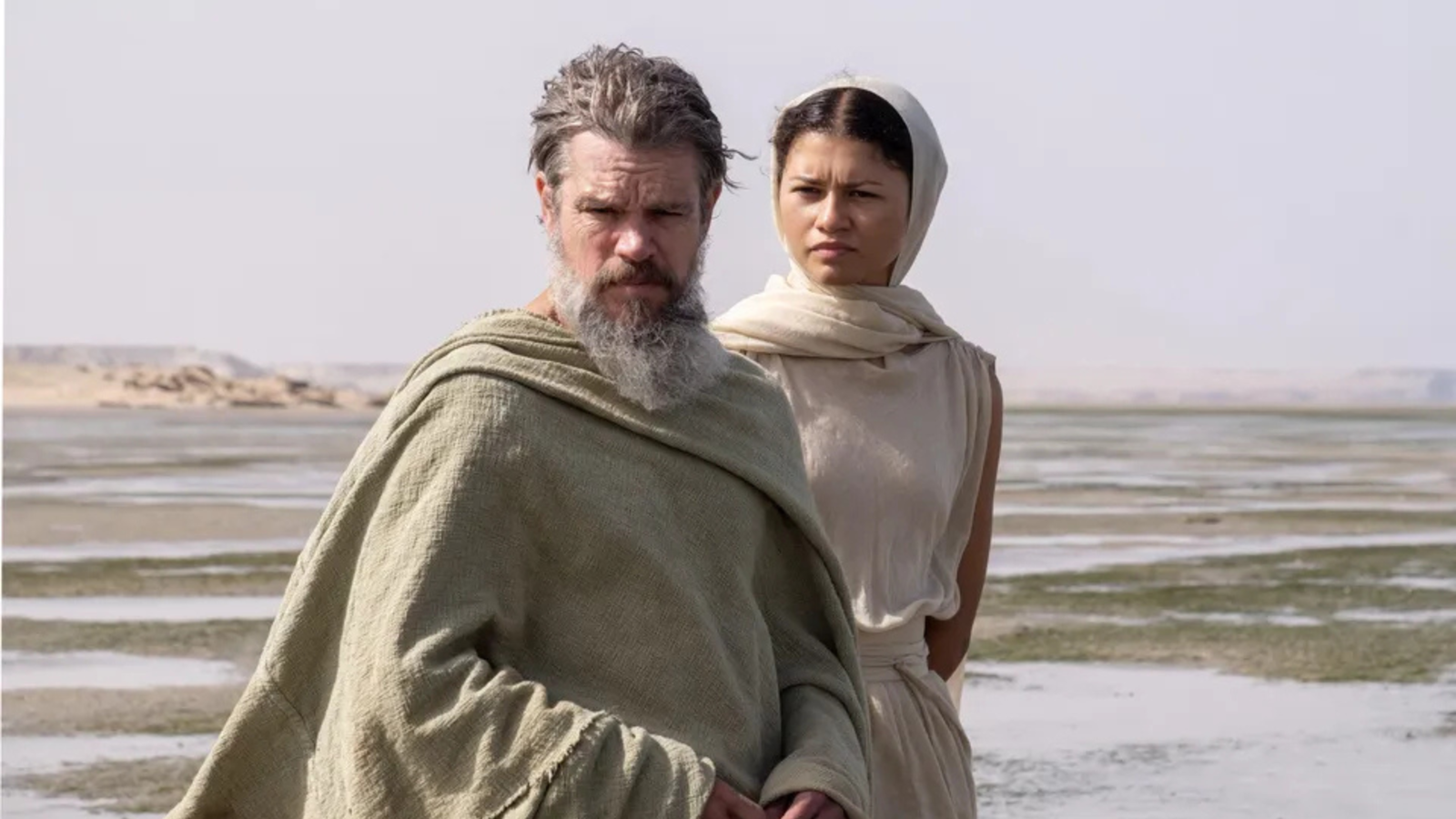
Credits: Universal Pictures
Credits: Universal Pictures
In the Ramayana, the siege of Lanka unfolds in a different light. Rama does not march for conquest. He moves with purpose, guided by devotion. With Lakshmana at his side and the Vanara army behind him, he advances toward a city that glows with power and illusion. The battle that follows is not just physical.
It is cosmic. Ravana’s fall restores balance, not just to a kingdom, but to the moral order itself. Both wars were fought for a woman, but they also reveal what each world values. The Odyssey presents war as chaos, as a burden, as something that scars the soul. The Ramayana frames it as a restoration, a duty, and a path toward enlightenment.
Christopher Nolan’s The Odyssey seems poised to immerse audiences in a storm-torn, shadow-heavy journey where survival defines the man. The Ramayana, in contrast, continues to stand as a radiant epic where righteousness defines the hero. They differ in tone, but also diverge in their very understanding of what it means to endure. And yet, they arrive at the same place. A promise. A journey. A return.
As India prepares for its most ambitious cinematic retelling of the Ramayana, backed by Namit Malhotra and DNEG, with music by A. R. Rahman and Hans Zimmer, the parallel grows even stronger. Two ancient stories, now reborn through modern cinema, continue to speak across cultures and generations.
What do you think about the parallels between The Odyssey and the Ramayana? Let us know in the comments.

Edited By: Itti Mahajan
