
The ‘Masters of the Universe’ Obsession: Why Hollywood Keeps Trying To Revive He-Man? Explained
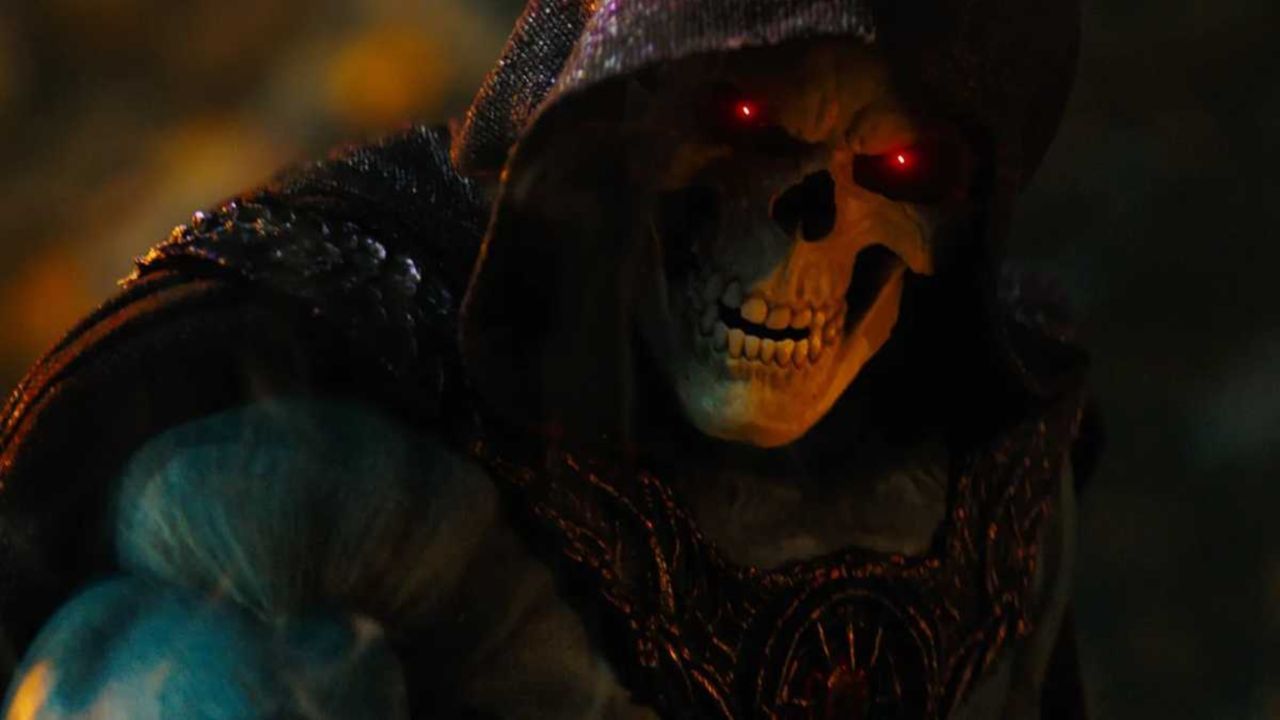
Credits: Amazon MGM Studios
Credits: Amazon MGM Studios
Long before cinematic universes became the industry standard, He-Man was already ruling toy shelves, lunchboxes, comic books, and television screens. Mattel launched the Masters of the Universe toy line in 1982, and by 1983, the Filmation animated series had transformed Prince Adam and his legendary alter ego into a global phenomenon. The latest effort, Amazon MGM's Masters of the Universe starring Nicholas Galitzine, is merely the newest chapter in a decades-long Hollywood pursuit that refuses to die.
Every failed reboot seems to convince Hollywood not to abandon Eternia, but to try again with a different sword, a different cast, and a different vision. But why?
1. Massive brand recognition and nostalgia
Very few toy-based properties possess the same generational reach as Masters of the Universe. Children who played with He-Man figures during the early 1980s are now adults introducing those same characters to their own families. That nostalgia remains powerful because the franchise never completely disappeared.
From the 2002 animated reboot to Netflix's 2021 series Masters of the Universe: Revelation, the brand has continuously resurfaced. Even the 1987 live-action film starring Dolph Lundgren evolved from a box office disappointment into a cult favorite that fans still passionately defend today.
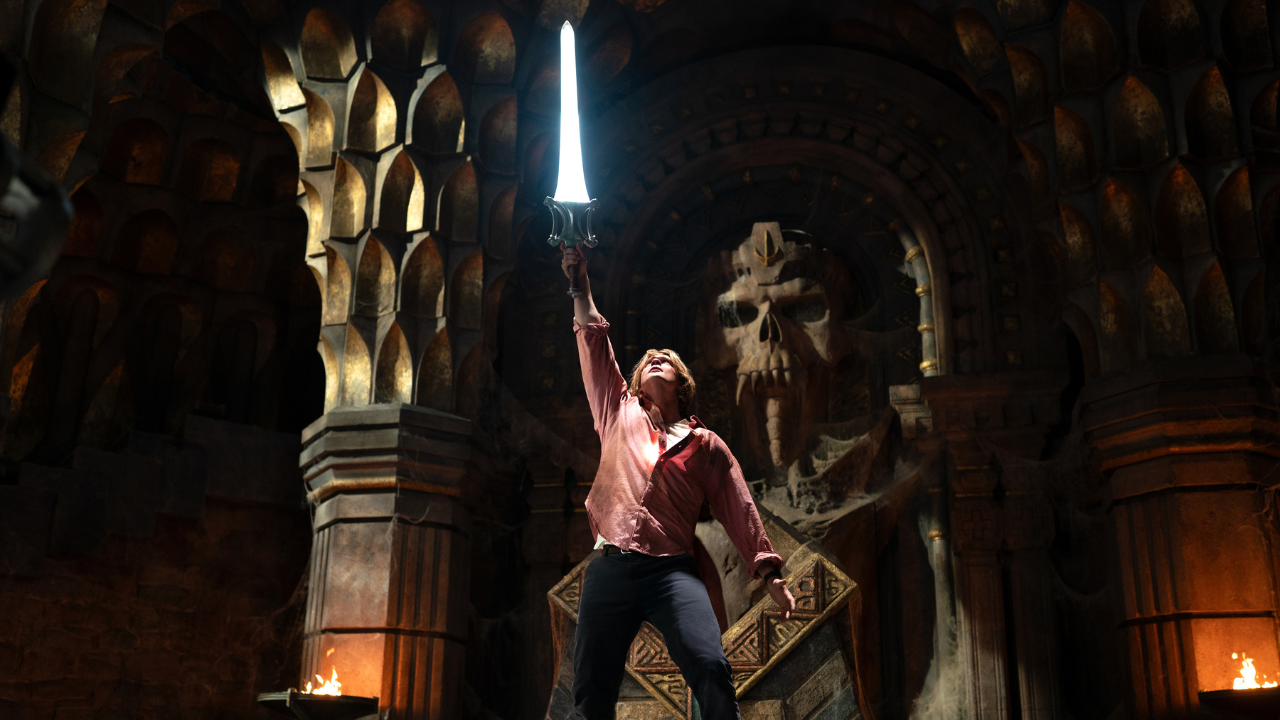
The continued affection of longtime fans keeps the brand alive, but executives are chasing a much larger prize than memories. They see Eternia as a franchise ecosystem waiting to be fully realized on screen.
2. The quest for an evergreen “universe"
Hollywood no longer searches for single hits. It searches for ecosystems. The success of Marvel, Star Wars, and even Mattel's Barbie strategy has encouraged studios to look for worlds capable of supporting multiple stories. Masters of the Universe offers exactly that. Eternia contains heroes, villains, kingdoms, magic systems, cosmic lore, and spin-off possibilities including She-Ra. The upcoming 2026 film directed by Travis Knight demonstrates how seriously studios view that potential.
3. Merchandising and toy sales
Unlike many fantasy franchises, He-Man was born from merchandise. The toys came first, and the mythology expanded around them. That business model still matters. Mattel has already launched new action figure lines alongside the latest film campaign, proving that every screen adaptation functions as both entertainment and brand expansion.
After Barbie generated enormous commercial success, Mattel has become even more aggressive in turning legacy properties into multimedia franchises.
4. The power fantasy appeal
He-Man remains one of popular culture's purest heroic fantasies. Prince Adam begins as an ordinary young man burdened by doubt, responsibility, and expectation. The Power Sword transforms him into the ultimate defender of Eternia. Audiences consistently respond to stories where courage unlocks greatness, and good confronts evil without moral ambiguity. Whether portrayed by Dolph Lundgren in 1987 or Nicholas Galitzine in the newest adaptation.
5. Creative reinterpretation
Another reason Hollywood keeps returning to He-Man is flexibility. The mythology can support wildly different tones without breaking its foundation. Some creators emphasize camp and colorful fantasy. Others pursue darker world-building and serialized storytelling.
Recent adaptations have experimented with new character perspectives, revised origins, and modernized aesthetics while preserving the essential conflict between He-Man and Skeletor. The industry's belief remains constant: the core concept is durable enough to survive reinvention.
In many ways, Hollywood's obsession with He-Man reflects its broader dependence on recognizable intellectual property. Yet few franchises offer such a rich combination of nostalgia, merchandising power, fantasy mythology, and universal heroism. That is why every canceled project eventually leads to another attempt.
What do you think keeps drawing Hollywood back to Eternia? Share your thoughts in the comments.

Edited By: Adiba Nizami
