
'The Industry Is Facing Its Deepest Crisis': Cannes Chief Thierry Frémaux Issues Stark Warning
via Imago
Credits: IMAGO/Starface
Every May, the Croisette becomes a cathedral of moving images, where the Cannes Film Festival gathers cinema at its most luminous and restless. From the seismic arrival of Pulp Fiction to the whispered poetry of The Tree of Life and the urgent intimacy of Parasite, Cannes has long been where films first learn how to breathe in public. Cinephiles across continents lean toward their screens, tracing premieres, parsing applause, chasing that elusive electricity.
What is cinema if not experienced in the dark, among strangers and who understands that fragile ritual better than Cannes chief Thierry Frémaux. There is, this year, a tremor beneath the glamour
Thierry Frémaux on cinema’s precarious present
ADVERTISEMENT
Article continues below this ad
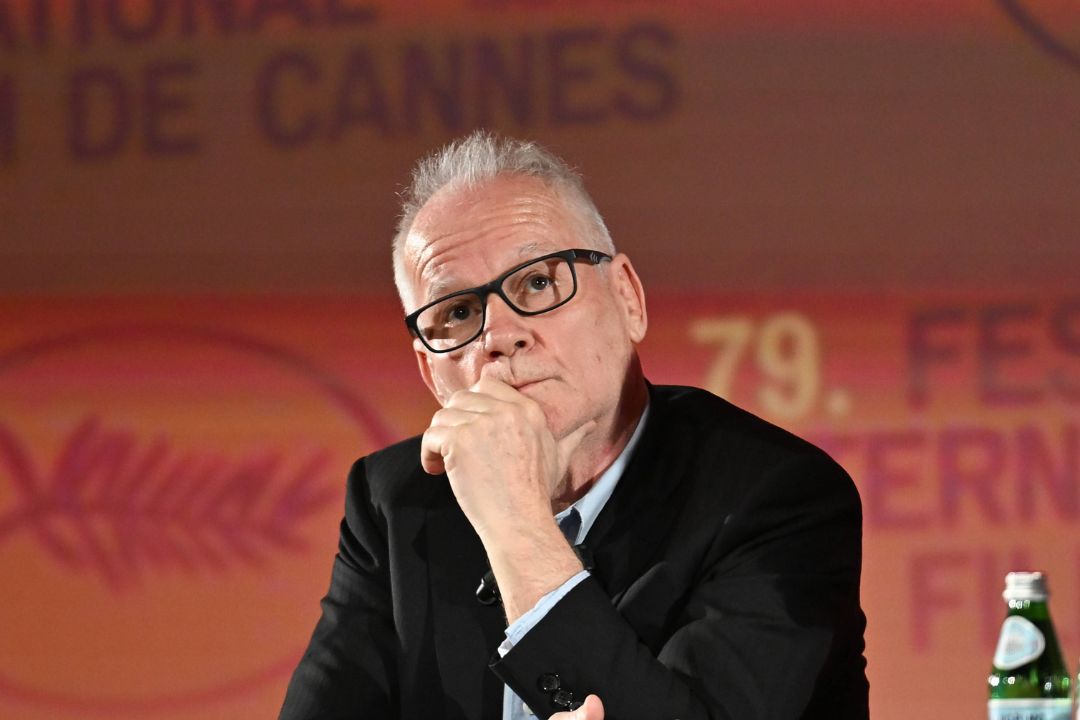
Speaking to Variety, Thierry Frémaux did not soften the language.
“COVID caused what two world wars did not: the closure of movie theaters. Meanwhile, audiences were consuming cinema on the small screen: the triumph of streaming platforms, a crisis in theater attendance. Today, the industry is in a massive maelstrom. Before, there were two blockbusters a month. Now, there are fewer. What we’ve known has become fragile.”
The statement lands with the weight of lived observation. Since becoming general delegate in 2001, a role he has held for 25 years, Frémaux has stood at the apex of global cinema, introducing films beneath the chandeliers of the Palais, riding his bicycle between screenings, bridging spectacle and substance with quiet authority.
Yet his warning is not an elegy. It is a philosophy shaped as much by discipline as devotion. Before Cannes, Frémaux trained rigorously in judo, later writing about how the sport formed his sensibility, precision, patience, and the instinct to meet force with balance. That same ethos defines his curatorial risks, from backing boundary-pushing works like Coralie Fargeat’s The Substance to championing filmmakers who arrive without distributors and leave with history.
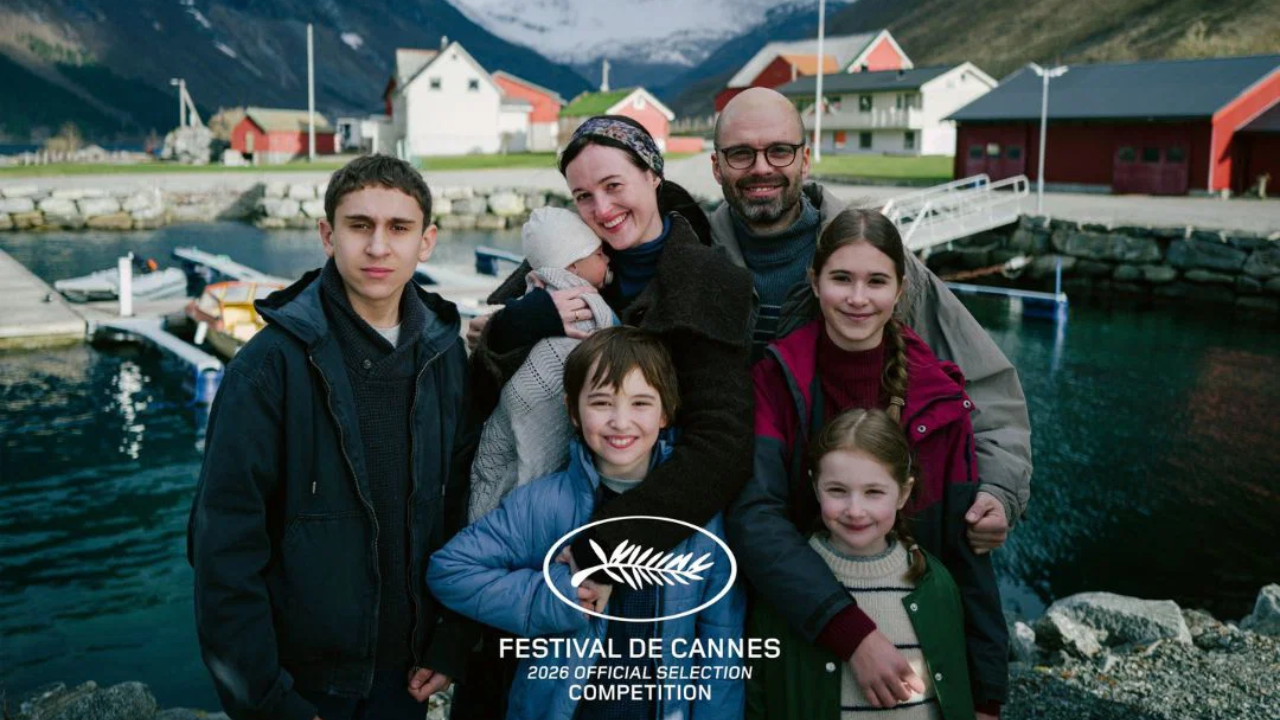
There is another current running alongside this warning: renewal. As Cannes unveils fresh updates, the festival’s 79th edition signals continuity through change.
The new guard on the Croisette
The newly announced Cannes Competition jury, led by Park Chan-wook, has become a constellation of global cinema. Demi Moore returns to the Croisette after The Substance reignited her career with an Oscar-nominated performance, while Chloé Zhao, whose Nomadland reframed American landscapes, brings her lyrical austerity to the table. Ruth Negga, still echoing from Loving, joins Belgian filmmaker Laura Wandel, Swedish actor Stellan Skarsgård, Isaach De Bankolé, Chilean director Diego Céspedes, and veteran screenwriter Paul Laverty.
ADVERTISEMENT
Article continues below this ad
Together, they will deliberate the Palme d’Or when the festival runs from May 13 to 24, culminating in the awards on May 23. Around them, Cannes continues its ritual, red steps, midnight screenings, debates that stretch into dawn. And somewhere in that choreography is Thierry Frémaux himself, moving between rooms, still the film lover who once discovered cities through judo clubs and later through cinemas, still guided by the belief that movies are not merely watched but shared.
In the end, the crisis he names is existential, tied to how we gather in the dark, how stories breathe between strangers, how memory is forged in flicker and silence. Cannes remains that fragile meeting point between spectacle and soul, where cinema is not just screened but experienced.
ADVERTISEMENT
Article continues below this ad
What do you think? Can theaters reclaim their central place, or has the ritual already changed for good? Share your take in the comments.
ADVERTISEMENT

Edited By: Adiba Nizami
More from Netflix Junkie on Hollywood News
ADVERTISEMENT