
'The Further Mis-Adventures of Cliff Booth' Proves Quentin Tarantino Is Not Ready to Leave Hollywood Behind
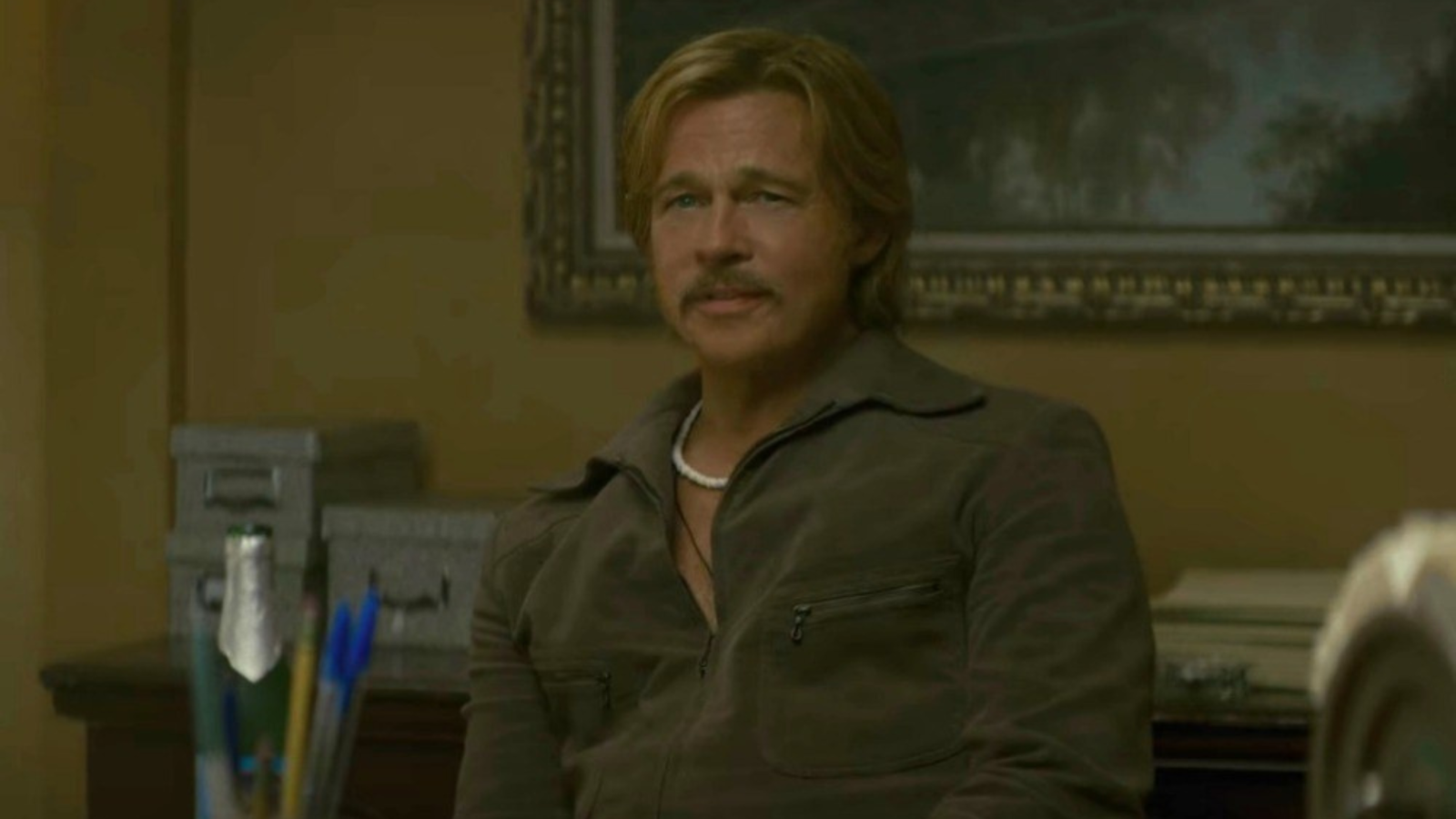
Credits: Netflix
Credits: Netflix
“I think this just might be my masterpiece.” Quentin Tarantino wrote that line for Inglourious Basterds, but it might as well be tattooed across his entire retirement philosophy. Ten films. Then boom, cut to black. No eleventh movie, no dodgy old-man phase, no sad late-career sequel made because someone backed a truck full of cash onto his lawn. That has been the gospel for years. But there is one problem.
Quentin Tarantino keeps behaving like a man who absolutely does not want to leave movies behind. And with The Further Mis-Adventures of Cliff Booth, the whole 10-film doctrine is starting to look less like discipline.
And more like a loophole waiting to happen.
Tarantino’s 10-film rule sounds great until film history starts arguing back
The logic has always been pure Quentin Tarantino: loud, absolute and delivered with the confidence of a man explaining why Rio Bravo clears your favorite western. He has repeatedly argued that directors eventually lose their fastball. Careers start to sag, their taste gets mushy and finally the studios stop saying yes.
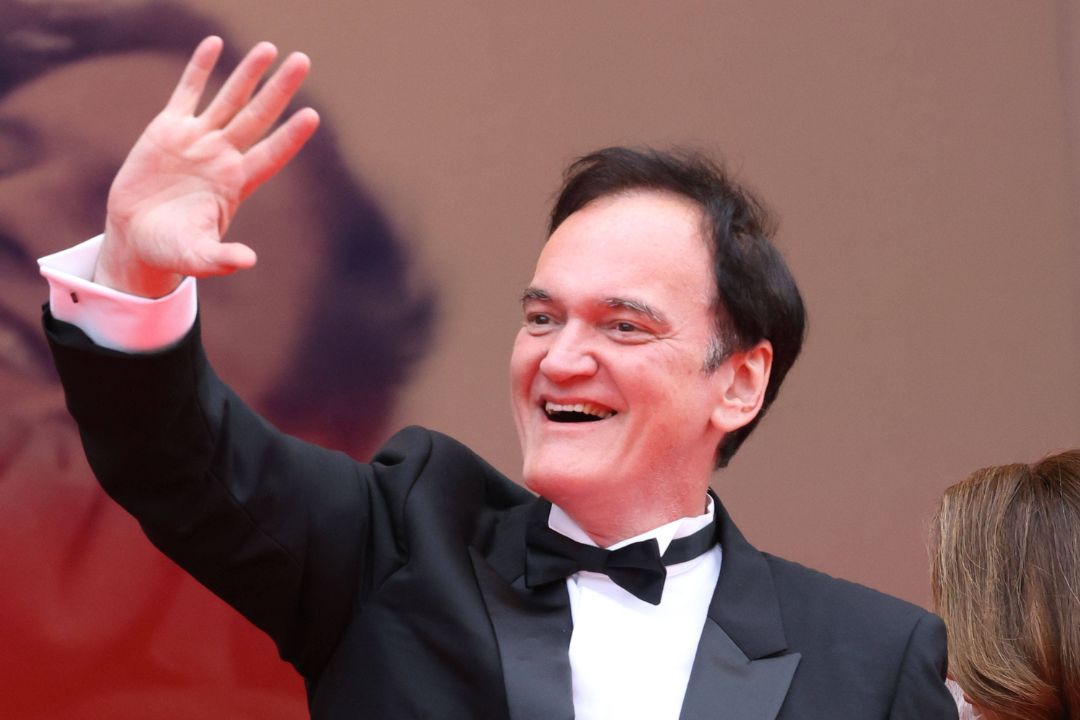
via Imago
Credits: Imago
Before long, a filmmaker who once made stone-cold classics is pumping out late-period curios that people politely pretend do not exist. Billy Wilder is one of Tarantino’s favorite examples. Wilder gave cinema Double Indemnity, Sunset Boulevard, Some Like It Hot and The Apartment. His later years produced films like Fedora and Buddy Buddy, titles rarely invited into conversations about his greatness.
Tarantino looked at that career arc and apparently thought: absolutely not happening to me. There is something admirable about that level of self-editing. He wants the filmography to end like a killer album with no bonus tracks. Ten features. No filler. Film history, however, is annoyingly full of old men ruining the argument.
Akira Kurosawa made Ran at 75, then kept directing. Clint Eastwood made Unforgiven at 62 and continued working for decades. John Huston completed The Dead while seriously ill in his eighties. Martin Scorsese has spent his senior years behaving like retirement is a typo.
These are hardly cautionary tales. Then there is the legacy question. Does Buddy Buddy really damage Sunset Boulevard? Of course it does not. Great films are remarkably durable and bad ones usually become trivia. That is the flaw in Tarantino’s rule. Legacy is not an average score. Nobody adds every movie together and calculates a career GPA. The greater danger might be stopping while the creative engine is still roaring.
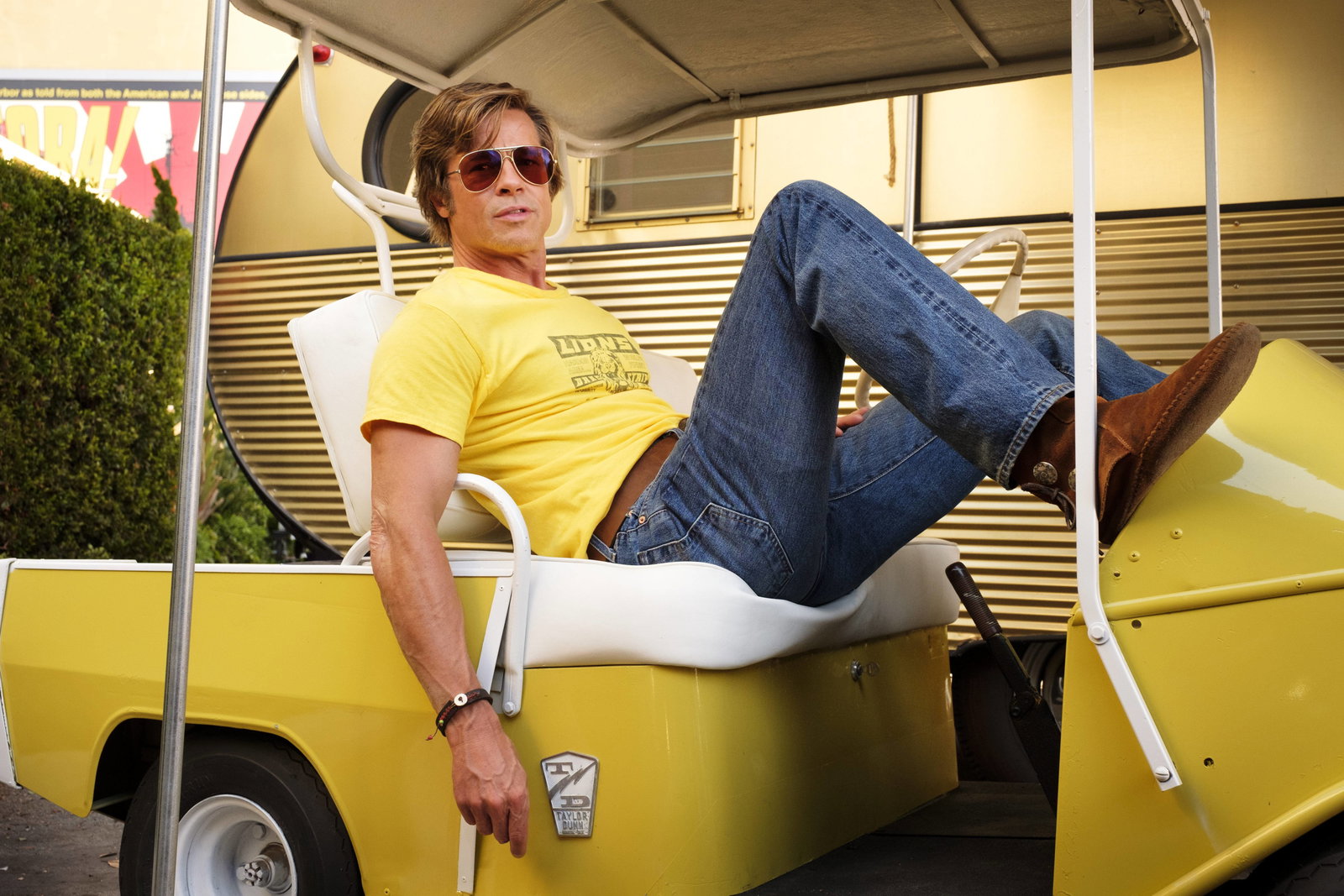
And that engine has been making one sound for years now i.e Cliff Booth.
Cliff Booth became the Tarantino character Tarantino could not quit
Once Upon a Time in Hollywood already felt like goodbye. It was sun-drenched, melancholy, indulgent and deeply personal, a movie where Tarantino seemed to wander through the Los Angeles of his memory with a cigarette hanging from his mouth and a stack of old movie magazines under his arm.
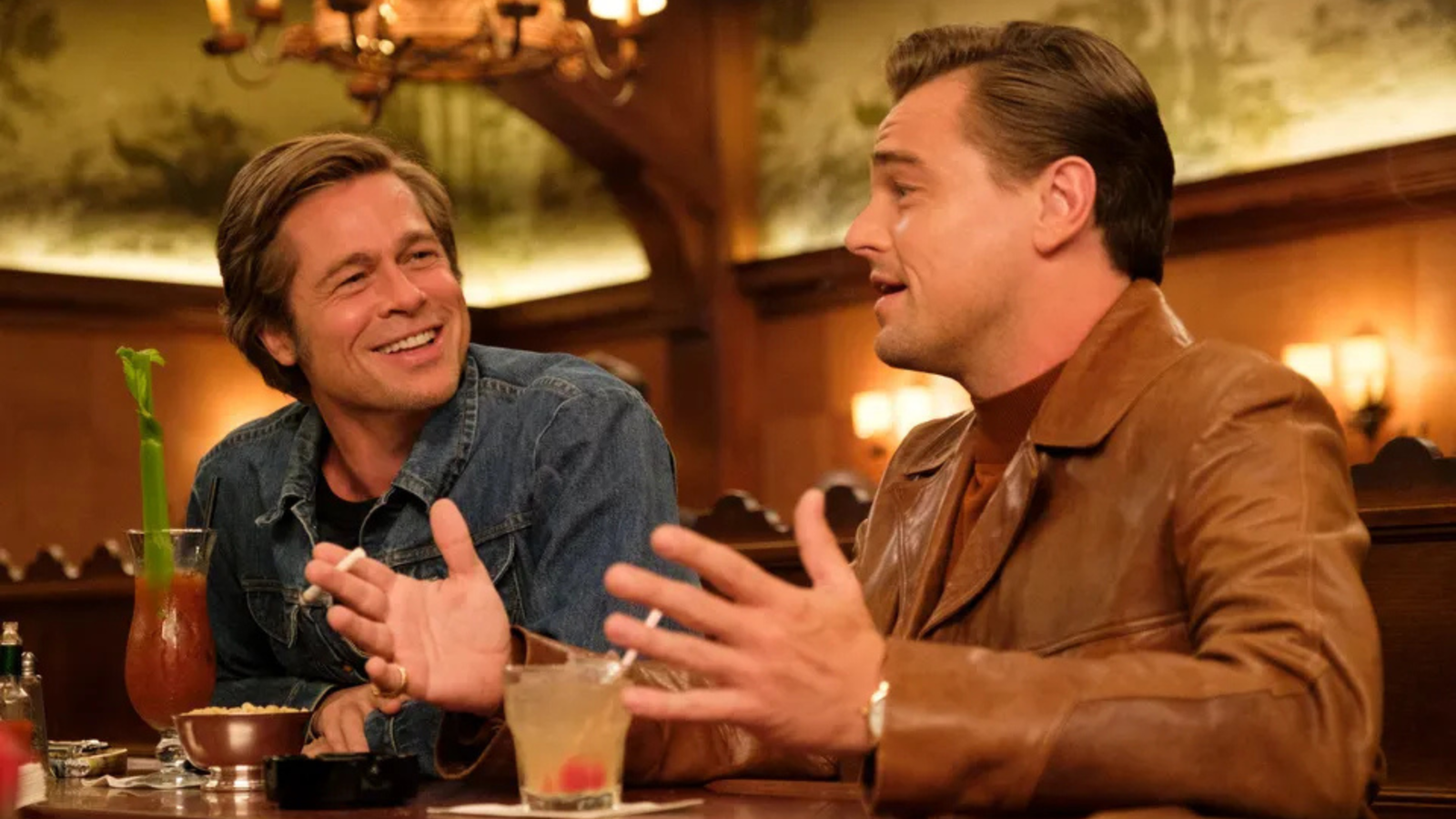
Credits: Credit: Andrew Cooper/Sony Pictures
Credits: Credit: Andrew Cooper/Sony Pictures
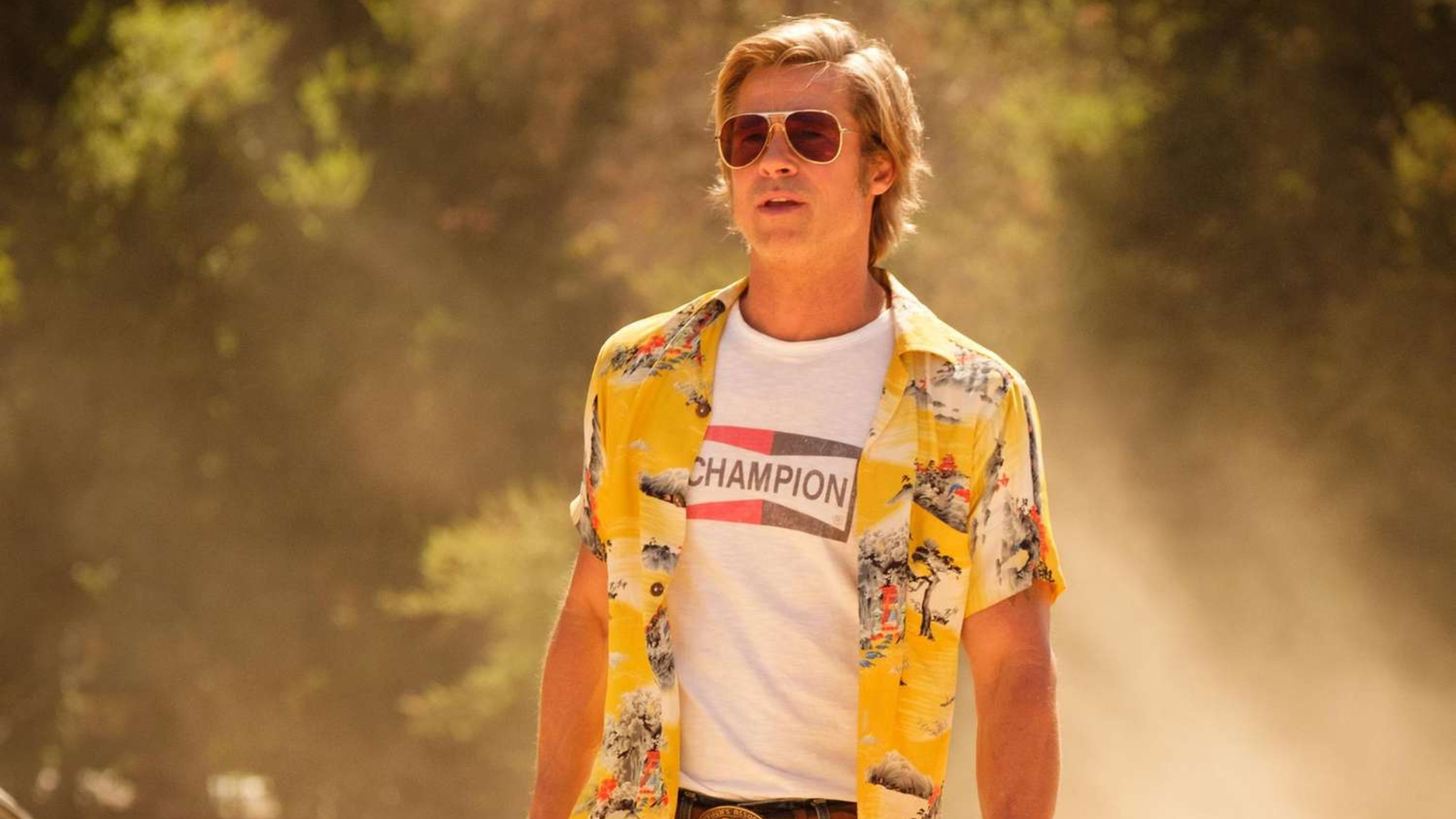
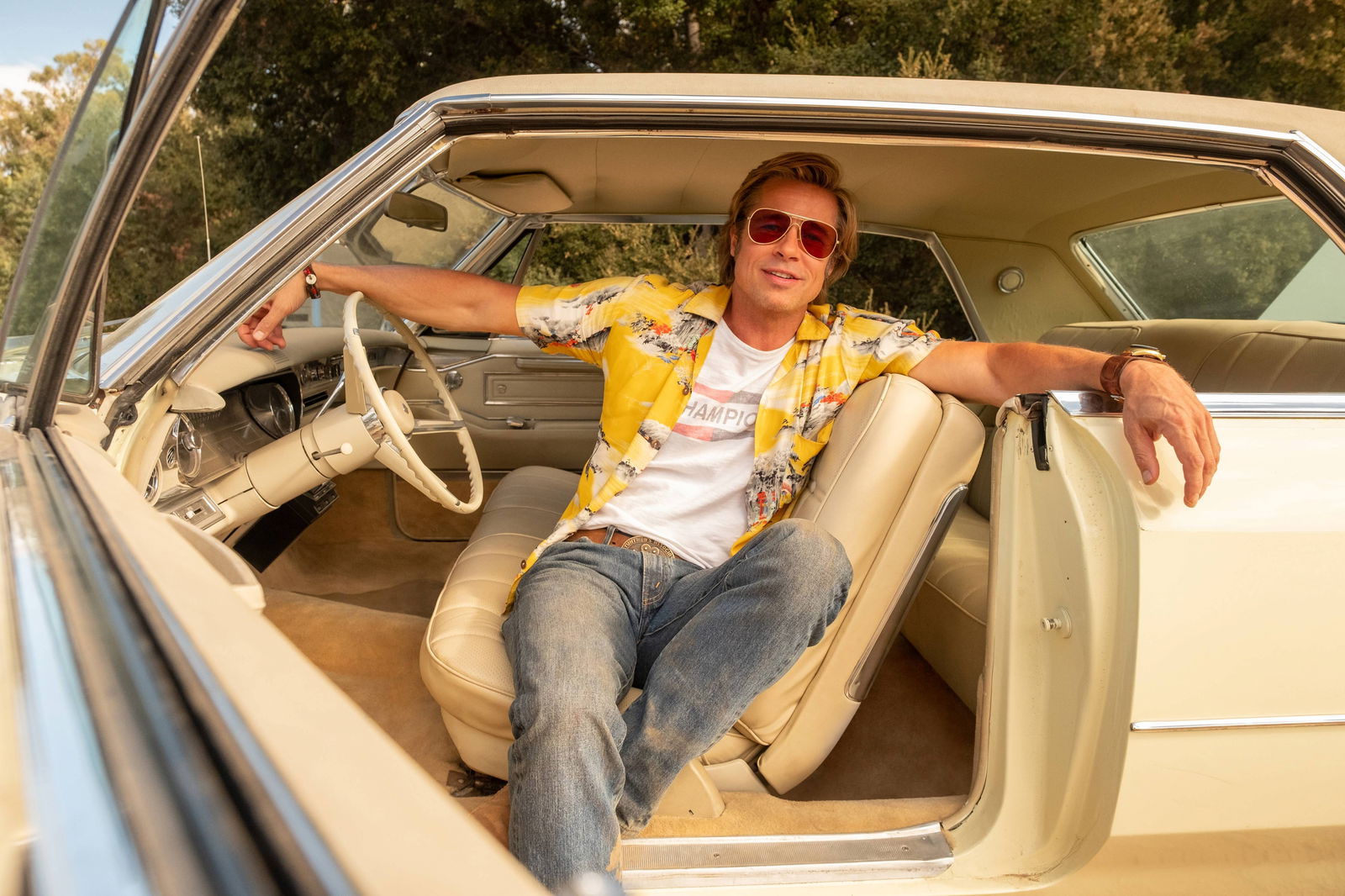
Rick Dalton represented panic. Sharon Tate represented possibility. Cliff Booth represented cool. Brad Pitt played him like he had discovered a frequency only dogs and stuntmen could hear. Cliff barely raises his voice. He cruises around town, feeds Brandy, fixes antennas, beats up hippies and appears fundamentally unbothered by the slow death of the Hollywood system around him.
He is also morally radioactive. That contradiction clearly got its hooks into Tarantino. When the film ended, Cliff did not. Tarantino’s 2021 novelization of Once Upon a Time in Hollywood gave Booth a second life. The book expanded his wartime history, his relationship with Brandy, his appetite for foreign cinema and the mystery surrounding his wife’s death. The movie leaves that incident floating in a cloud of dark comedy. The novel pulls the pin.
More interestingly, book-Cliff becomes something of a Tarantino avatar. He knows cinema. Really knows cinema. He watches Kurosawa, Fellini and obscure international films with the obsessive hunger of somebody who has spent half his life inside repertory theaters. Sound familiar?
Cliff stopped feeling like a supporting character and started feeling like Tarantino had found a new delivery system for his own movie brain. Then came The Movie Critic. That was supposed to be Film No. 10, the grand finale, the last gunshot before the credits.
Brad Pitt became attached while Tarantino developed the project and then the director dumped it. He later explained that the material felt too familiar, too close to territory he had already explored. For the sacred tenth film, he wanted something that felt genuinely new.
Fair enough. Except the next screenplay he wrote went straight back to Cliff Booth. At this point, the stuntman is starting to look less like a character and more like Tarantino’s emotional support cinephile.
And that brings us to the loophole.
The Further Mis-Adventures of Cliff Booth is Tarantino directing without directing
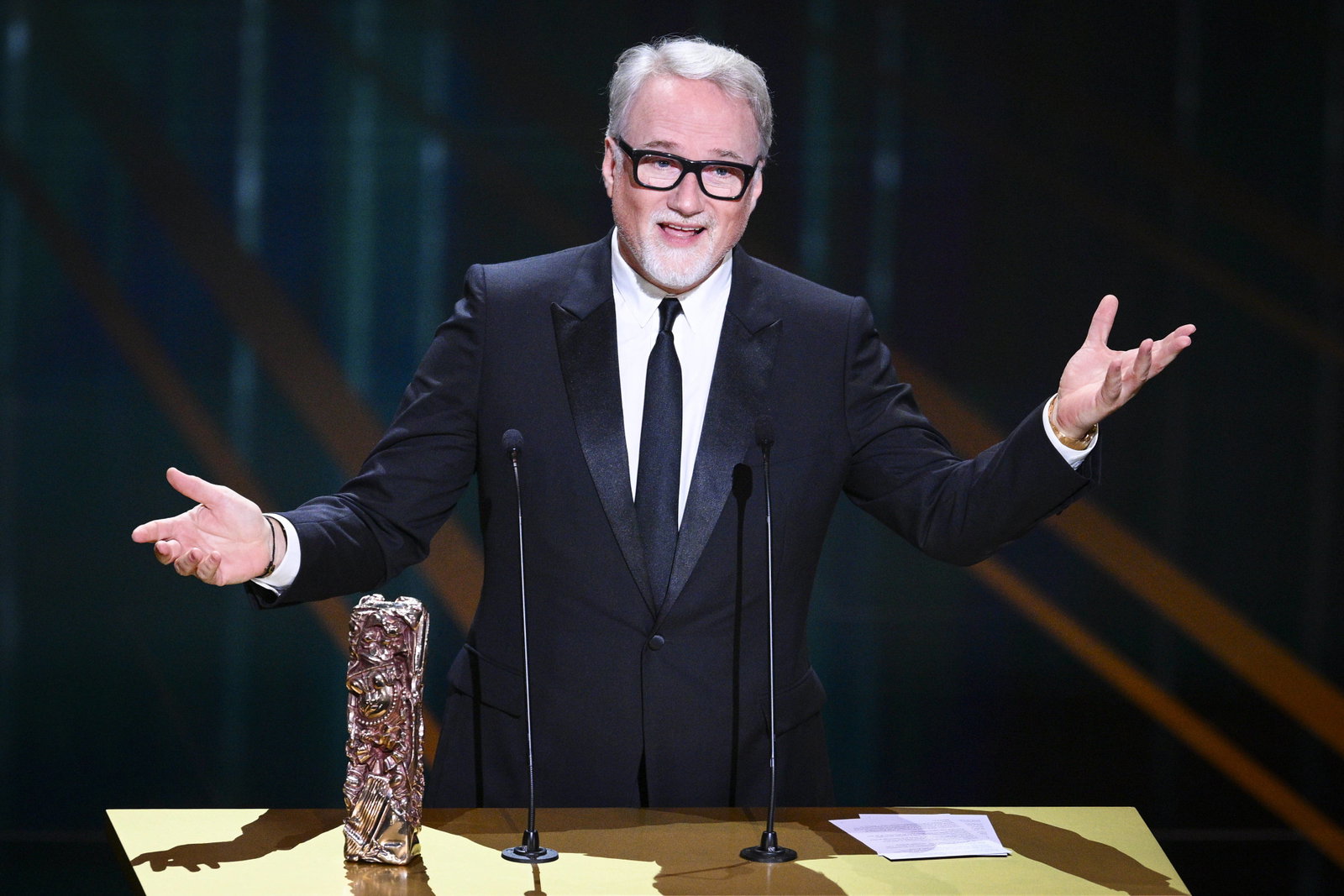
Here is where the 10-film rule becomes wonderfully ridiculous. Quentin Tarantino wrote The Further Mis-Adventures of Cliff Booth. Brad Pitt is back, Cliff Booth is back and so is the Los Angeles mythology. Crime, m*****, Hollywood grime, fixers and assorted Tarantino-shaped trouble are back. The only major ingredient missing is the guy yelling “Action.” David Fincher is directing instead.
Credits: Credit: Andrew Cooper/Sony Pictures
Credits: Credit: Andrew Cooper/Sony Pictures
Netflix has positioned the film for an IMAX release on November 25 before its December 23 streaming debut. The story moves Cliff into 1977, where his work as a Hollywood fixer pulls him into murder, extortion and blackmail. That is not Tarantino retiring. That is Tarantino standing outside the director’s chair with his hands in his pockets going.
“Technically, I did not sit down.” And yes, there is precedent. He wrote True Romance. He wrote From Dusk Till Dawn. He famously had issues with how Natural Born Killers evolved under Oliver Stone. Tarantino has always been comfortable handing scripts to other filmmakers.
This case feels different because Cliff Booth belongs so completely to Tarantino’s personal cinematic playground. There is also more Cliff coming. Tarantino’s upcoming novel The Adventures of Cliff Booth arrives December 8, giving the character another literary expansion within weeks of the Fincher film.
Meanwhile, Tarantino is preparing The Popinjay Cavalier for the stage with Sacha Baron Cohen and continues developing books and other projects. The man is not creatively exhausted. He is creatively ricocheting around his own rule. That makes The Further Mis-Adventures of Cliff Booth fascinating beyond the actual movie. It exposes the strange bind Tarantino created for himself years ago. Film No. 10 now has to justify being Film No. 10.
It cannot merely be great. It has to feel final, definitive, surprising and apparently worthy of closing one of American cinema’s most distinctive filmographies. That is an absurd amount of baggage for any screenplay. Cliff Booth offers escape. Tarantino can write movies, revisit worlds, expand characters and stay neck-deep in cinema while keeping the sacred counter frozen at nine.
Maybe that is the plan. Maybe Tarantino genuinely wants to explore novels, theater and screenwriting or maybe the simplest answer is sitting right there in the passenger seat beside Cliff. Quentin Tarantino still loves making movies too much to walk away from them. The 10-film rule might survive. The filmmaker clearly has not retired.
What do you think about Tarantino’s 10-film rule? Is The Further Mis-Adventures of Cliff Booth proof that he still has more movies left in him? Let us know in the comments.

Edited By: Aliza Siddiqui
