
The Dunesday Dilemma: Why December 18 Is More Than Just a Box Office Battle
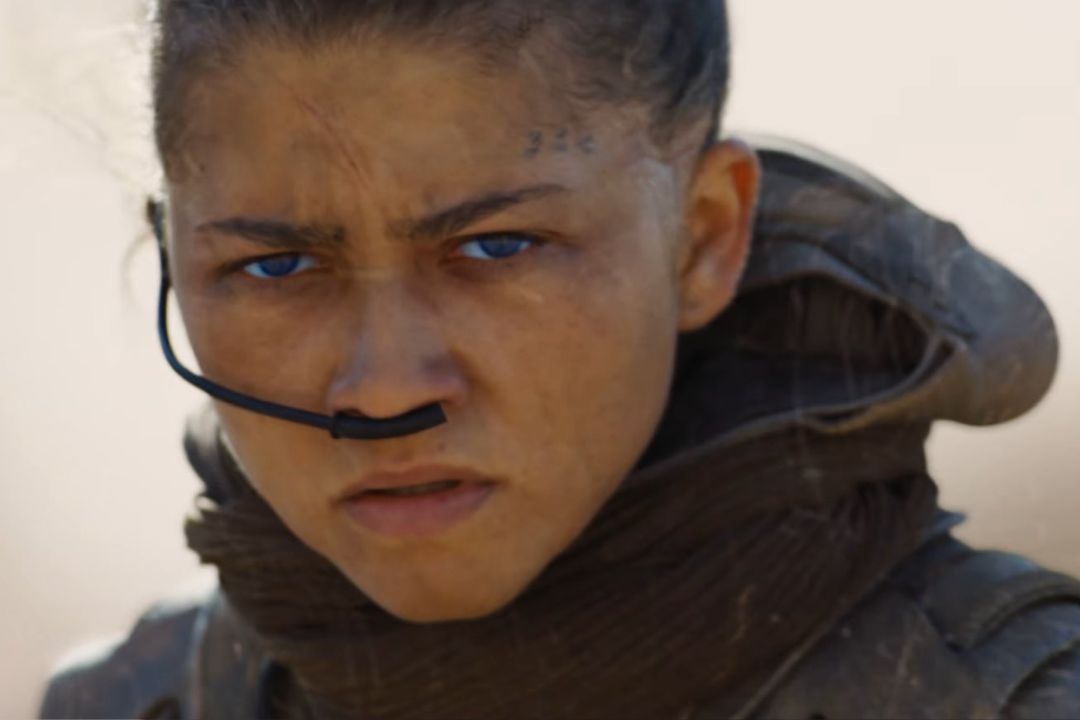
Credits: Warner Bros. Pictures
Credits: Warner Bros. Pictures
Dunesday is the coined nickname for the massive theatrical showdown scheduled for December 18, 2026, when Warner Bros.' Dune: Part Three and Disney's Avengers: Doomsday release in cinemas on the same day. While Barbenheimer was a viral cultural anomaly born of total contrast, Dunesday is a direct collision of two heavyweights competing in the same arena.
Understanding the underlying release mechanics helps explain why this holiday box office collision differs so drastically from previous double features.
Key differences- Barbenheimer vs. Dunesday
Barbenheimer generated widespread curiosity by pairing a vibrant comedy with a solemn historical biopic; Dunesday pits two dark epics directly against each other. Dune: Part Three, starring Timothée Chalamet and Zendaya, and Disney's Avengers: Doomsday target overlapping demographics, creating intense competition rather than gentle counterprogramming.
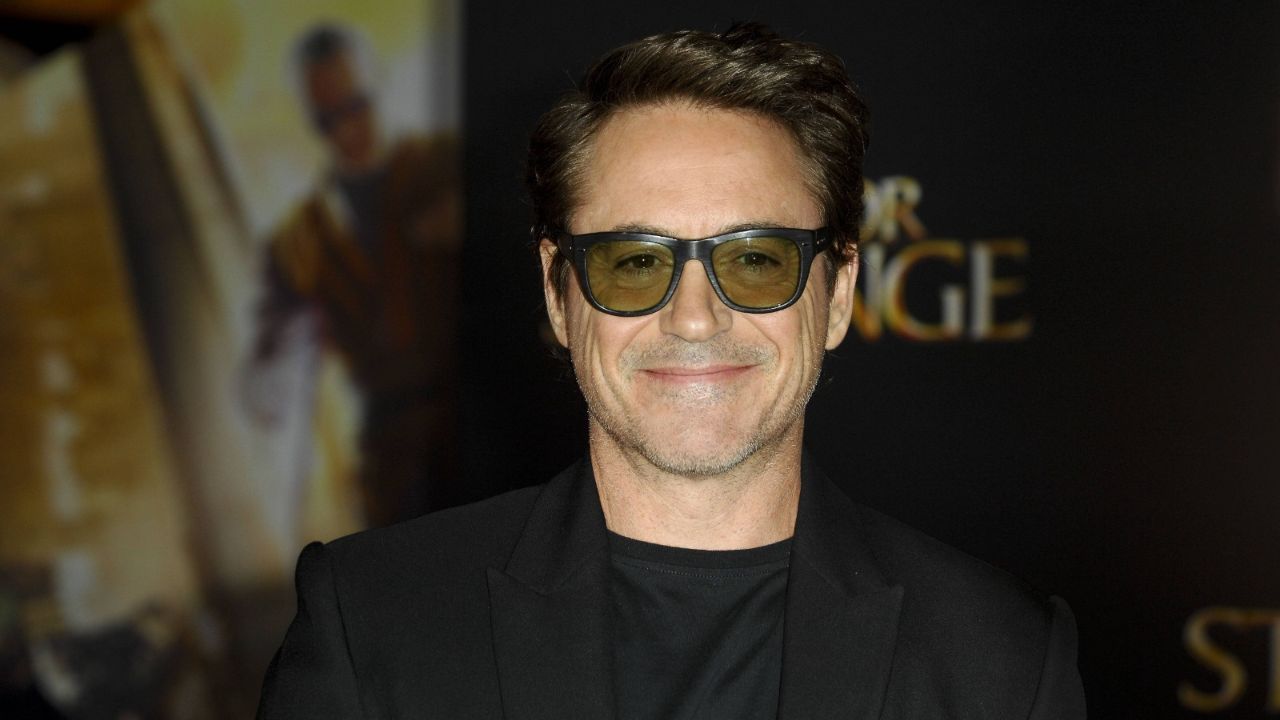
via Imago
Credits: Imago Robert Downey Jr DR. STRANGE FILM PREMIERE Hollywood Patrick Rideaux PicturePerfect
Barbenheimer offered light-hearted thematic variety, making double features effortless for casual moviegoers. Conversely, sitting through hours of complex sci-fi lore and massive comic book battles presents a serious physical test. Sustained theatrical engagement depends on whether audiences choose to be brave demanding back-to-back runtimes for 2 dense blockbusters.
Analyzing shifting audience habits clarifies how studio strategies are adapting to meet changing theatrical demands.
What Dunesday signals for the future of cinema?
This December 18, 2026 clash will demonstrate whether audiences still flock to cinemas for pure blockbuster scale in a streaming-dominated era. Moreover, fighting over exclusive access to IMAX and Dolby screens creates a fierce turf war that will dictate long-term box office dominance. Furthermore, with IMAX tickets regularly costing around $15 to $40 per seat, high admission costs will force budget-conscious moviegoers to prioritize one massive epic over an expensive back-to-back double feature.
Dunesday highlights a fundamental divide between visionary auteur filmmaking and tightly managed cinematic universes. Denis Villeneuve's sci-fi conclusion prioritizes artistic weight, while Marvel relies on interconnected lore and fan nostalgia. Box office results will establish a clear blueprint for how major studios greenlight and schedule event cinema over the coming decade.

Comparing director-driven cinema with universe-building franchises illustrates how competing fandoms approach major theatrical releases.
Auteur prestige vs. Marvel Cinematic Universe loyalty
The auteur fan base, historically aligned with Christopher Nolan and now Denis Villeneuve, values cinematic craft and technical visual presentation above all else. They view Dune: Part Three as a definitive, prestigious artistic trilogy capstone that demands mandatory viewing on the largest possible screen. Conversely, the Marvel Cinematic Universe fandom thrives on interconnected continuity, decade-long character bonds, and thrilling crossover events with the return of Robert Downey Jr.

Credits
Credits
These viewers prioritize opening-weekend momentum to avoid plot spoilers and celebrate shared crowd-pleasing reveals. Currently, one group seeks sensory immersion and directorial vision, the other craves pop-culture excitement and expansive universe lore. This monumental December 18, 2026 showdown will prove whether artistic auteur power or interconnected franchise dominance will define the future of global blockbuster cinema.
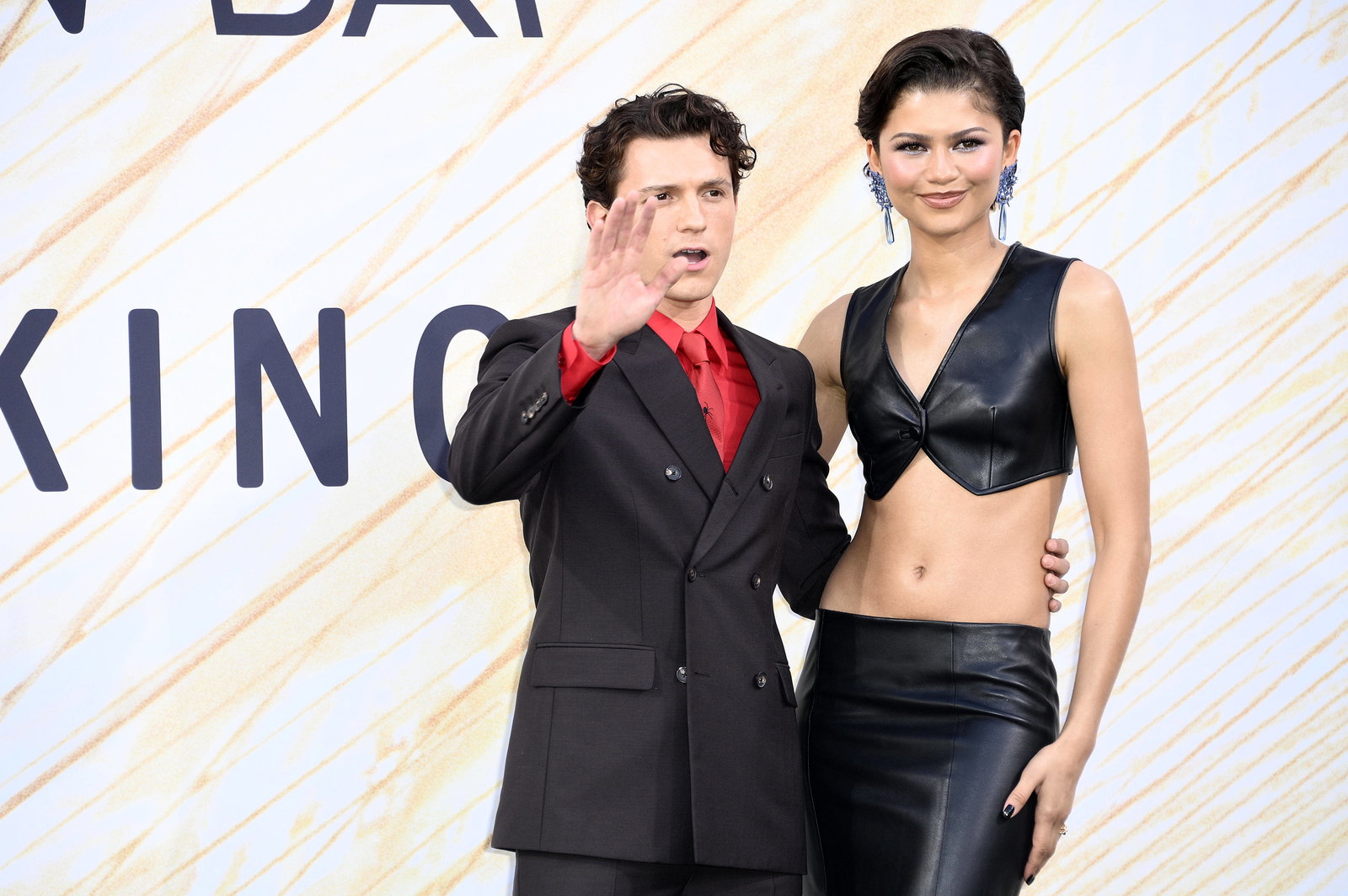
What do you think about Dunesday taking over Barbenheimer phenomenon? Let us know in the comments.

Edited By: Hriddhi Maitra
