
The Death of Sitcoms: What Happened to TV's Beloved Shows That Brought Generations Together
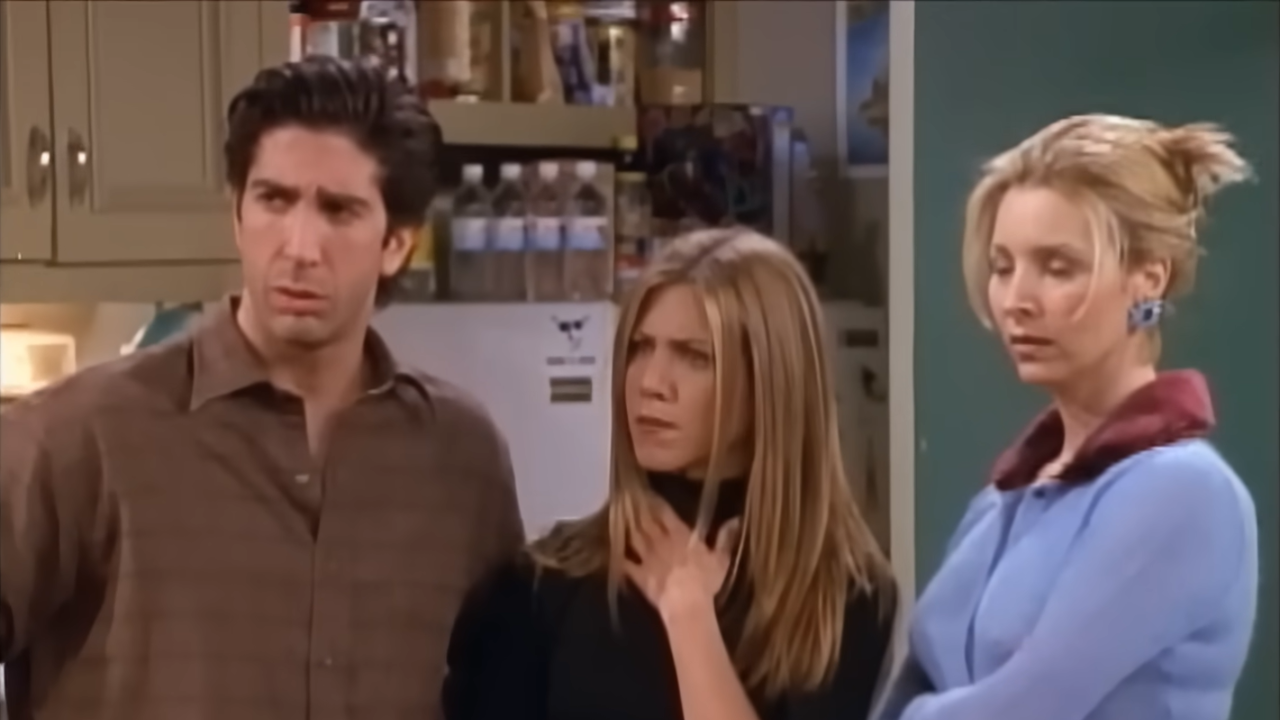
Credits: Friends - Funniest Moments/ TheRandomPosts via YouTube/ Production: Bright/Kauffman/Crane Productions in association with Warner Bros. Television/ Distribution: Warner Bros. Television Distribution
Credits: Friends - Funniest Moments/ TheRandomPosts via YouTube/ Production: Bright/Kauffman/Crane Productions in association with Warner Bros. Television/ Distribution: Warner Bros. Television Distribution
Sitcoms once lit up television screens like a familiar evening ritual, gathering families, friends, and strangers under the same rhythm of laughter. Friends, The Office, How I Met Your Mother, Modern Family, New Girl, and The Big Bang Theory became shared comfort zones, where jokes felt personal, and characters felt like company. Living rooms echoed with catchphrases, and weekly episodes turned into small celebrations of familiarity. They offered warmth on ordinary days and companionship on lonely nights.
Over time, that shared laughter has thinned into scattered moments across endless screens, leaving behind a silent world of comedy that no longer gathers everyone in the same way. But how did something so universal become so fragmented?
Social media replaced sitcom timing with instant 30-second humor
ADVERTISEMENT
Article continues below this ad
When you break down how social media hijacked the “quick laugh,” it reveals a massive structural shift in how our brains consume humor and how the entertainment industry functions. The “dopamine-to-time ratio” has shifted, as short-form video platforms eliminate the waiting period and deliver instant comedic payoffs within seconds, training audiences to swipe away if a joke does not land immediately. The death of the “broad consensus” joke has also changed comedy, as social media algorithms tailor specific humor to individual niches perfectly, reducing the demand for a broad network comedy show that tries to make millions of different people laugh all at once.
This has fundamentally reshaped comedy into something faster, narrower, and more individually optimized. Also, Sitcoms always tried to build “parasocial relationships”, making you feel like the characters on screen were your actual friends you hung out with every Thursday night, but that role is now replaced by creators who speak directly through phones.

The rise of the one-person production studio has completed this shift.
The disappearance of slow-burn humor and breathing space
The structural casualty of modern comedy is the collapse of “temporal sedimentation,” the gradual layering of humor that once accumulated across long broadcast seasons. In traditional sitcom architecture, jokes were not isolated units but iterative motifs, repeatedly refracted until they became part of a show’s internal mythology. This allowed audiences to develop mnemonic familiarity with recurring gags, reinforcing comedic resonance through repetition and delayed payoff. In contrast, streaming-era compression eradicates this accretive process.
The abbreviated 8–10 episode format offers insufficient narrative acreage for recursive humor to mature, forcing writers into immediate payoff cycles rather than sustained comedic evolution. Consequently, humor becomes episodic rather than cumulative, deprived of the intertextual depth that once rewarded long-term viewership. Without this extended temporal scaffolding, modern comedy loses its capacity for organic myth-making, resulting in performances that are momentarily effective but structurally ephemeral, unable to crystallize into enduring cultural shorthand or generationally transmissible humor systems.
Over-scrutiny and the collapse of sitcom suspension of disbelief
Hyper-analysis and over-scrutiny in streaming culture have destabilized the sitcom’s original epistemic contract, in which audiences suspended disbelief for episodic pleasure rather than forensic examination. In the broadcast era, sitcoms thrived on “status quo elasticity,” allowing continuity anomalies and narrative contradictions that were inert within week-separated viewing. Binge consumption compresses temporal distance, transforming minor inconsistencies into visible discontinuities, often amplified by internet “juries” that interrogate fictional texts with quasi-judicial rigor. This shift replaces interpretive enjoyment with compulsive audit.
Concurrently, binge exposure induces affective fatigue, where exaggerated character archetypes shift from comedic familiarity to psychological abrasion. The gamified structure of streaming platforms reframes viewing as task-oriented progression, undermining the passive “background watch” ecology sitcoms were designed for. Finally, cinematic re-scrutiny of multi-camera staging exposes theatrical artifices, stripping the genre of constructed spontaneity and rendering it aesthetically anachronistic under contemporary perceptual standards.
Cultural fragmentation and the disappearance of cultural comfort
Cultural fragmentation stands as the central socioeconomic and psychological rupture dismantling the traditional sitcom, reflecting not a technological evolution but the disintegration of a shared cultural monoculture. Media today no longer function within a collective interpretive field; instead, algorithmic systems scatter audiences into isolated informational realities.
Sitcoms once relied on a shared cultural grammar grounded in common assumptions about family life, work, and everyday behavior, yet that epistemic base has fractured into personalized digital experiences. The “watercooler effect,” once responsible for extending television into communal discussion, has vanished, removing shared interpretation and increasing narrative explicitness.
Meanwhile, generational divergence has intensified, producing incompatible lived realities shaped by economic precarity, digital labor, and shifting domestic norms. As consensus erodes, humor loses universality, fragmenting into segmented reception and risk-averse comedic production. Global streaming further erases regional specificity, replacing culturally grounded storytelling with homogenized narratives designed for broad international legibility and resulting in a standardized comedic form detached from shared social coherence.
The television industry's shift away from pure comedy
Finally, the death of the traditional sitcom lies in the television industry's changing definition of quality, in which prestige increasingly outweighs laughter. The rise of reality television redirected studio investment toward inexpensive, unscripted programming capable of generating high audience engagement without the financial burden of writers' rooms, unionized actors, or elaborate production. Simultaneously, scripted television experienced a creative migration as leading writers abandoned conventional sitcoms in favor of prestige dramedies that fused comedy with grief, trauma, and psychological complexity.
ADVERTISEMENT
Article continues below this ad
This transformation was reinforced by award-show culture, where critically acclaimed dramedies frequently dominated comedy categories, establishing emotional weight rather than comedic craftsmanship as the benchmark of artistic excellence. Consequently, studios began to treat traditional joke-driven sitcoms as commercially and culturally inferior, reducing investment in the development of pure comedy. By rewarding dramatic sophistication over sustained laughter, the industry gradually dismantled the creative and financial ecosystem that had once enabled sitcoms to flourish as television's defining comfort genre.
Together, these 5 forces reveal a clear pattern behind the sitcom’s decline: a fractured audience, shifting attention habits, changing definitions of quality, and industry incentives that no longer reward pure comedy. Viewed collectively, they form a coherent explanation for why traditional sitcoms have faded from cultural centrality.

ADVERTISEMENT
Article continues below this ad
Do you agree that these 5 factors led to the decline of the traditional sitcom? Let us know in the comments.
ADVERTISEMENT

Edited By: Hriddhi Maitra
ADVERTISEMENT
ADVERTISEMENT
