
10 Stunning Juneteenth Movies To Watch and Celebrate the American Holiday
via Imago
Credits: Imago
Juneteenth, celebrated every year on June 19, commemorates the day in 1865 when enslaved African Americans in Galveston, Texas, finally learned they were free, more than two years after the Emancipation Proclamation was issued. Today, Juneteenth is recognized as a federal holiday in the United States and is marked by community gatherings, educational events, music, food, and celebrations of Black heritage.
Despite centuries of discrimination, segregation, and systemic barriers, Black artists, filmmakers, writers, and performers have left an undeniable mark on the entertainment industry, creating some of the most influential and groundbreaking works in cinema history. To celebrate that legacy and excellence, here are 10 sensational movies that deserve a place on your watchlist this Juneteenth.
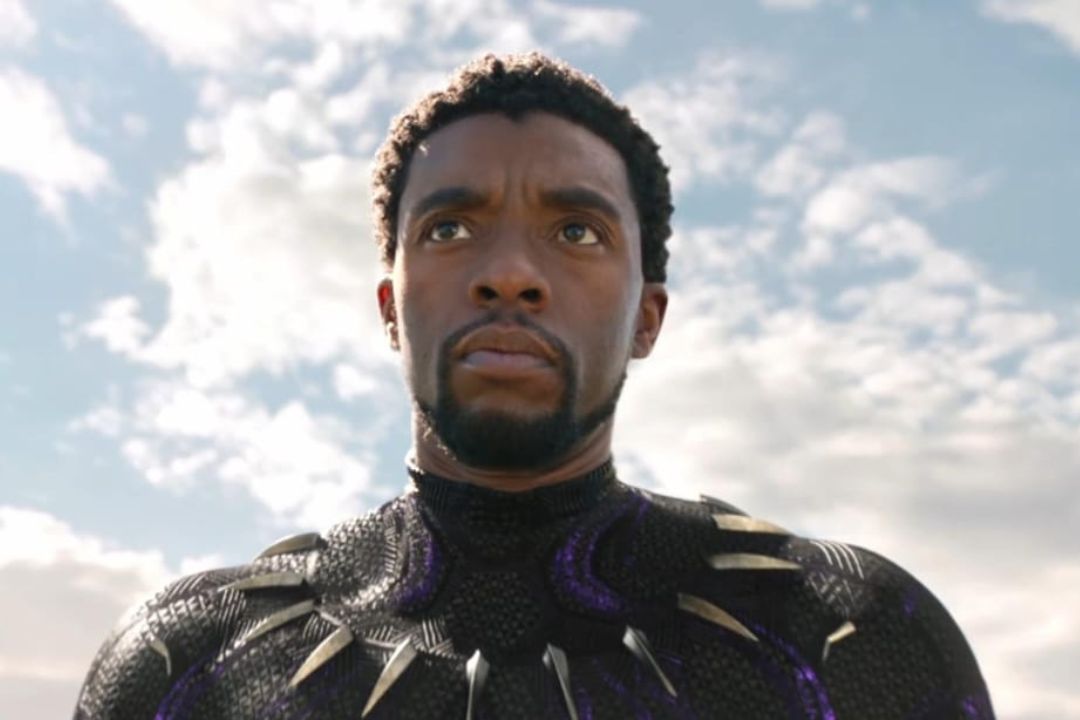
1. Black Panther
Black Panther did not just win hearts with storytelling depth beyond typical superhero films, but also won 3 Academy Awards for Best Costume Design, Best Production Design, and Best Original Score, while also being nominated for Best Picture, which is historic for a superhero film. It marked the first major superhero film led by a predominantly Black cast, showcasing African-inspired world-building without colonial framing.
Directed by Ryan Coogler, the film stars the legendary Chadwick Boseman as T’Challa / Black Panther, opposite Michael B. Jordan as Erik Killmonger. Their ideological clash drives the emotional core of the film, as they navigate identity, legacy, and global responsibility while carrying the weight of generational trauma. Supporting performances from Lupita Nyong’o as Nakia, Danai Gurira as Okoye, Letitia Wright as Shuri, and others elevate the narrative further, bringing strength, intelligence, and emotional grounding to Wakanda’s world.
2. Boyz n the Hood
Set in South Central Los Angeles, Boyz n the Hood follows Tre Styles, a young Black teenager raised by his strict father, as he navigates between discipline at home and the pull of street violence and peer pressure. Meanwhile, his friends Doughboy, Ricky, and Chris each represent different paths shaped by gang life, ambition, and avoidance, ultimately building toward tragedy driven by systemic neglect and violence, ending with a reflection on how environment shapes fate, but choice still matters.
However, the most historic moment came when John Singleton became the youngest ever Oscar nominee for Best Director at age 24, and the first Black American to be nominated for Best Director and Best Original Screenplay. The film was widely praised for its raw realism and emotional depth, and is considered a defining film of 1990s Black cinema. The way it portrayed Black urban life in America shifted Hollywood’s portrayal of South Central LA from stereotypes to human storytelling, later influencing films, TV shows, and hip-hop storytelling.
3. BlacKkKlansman
Widely acclaimed as one of Spike Lee’s strongest modern films, BlacKkKlansman won the Academy Award for Best Adapted Screenplay and was also nominated for Best Picture and Best Director, arriving at a time of heightened global conversation around racism and making its own mark in film history. Based on a true story set in the 1970s, it follows Ron Stallworth, the first Black detective in the Colorado Springs Police Department, played by John David Washington, and his undercover infiltration that exposes organized racism within both law enforcement and society.
The film also won the Grand Prix at the Cannes Film Festival, with critics highlighting its sharp satire, strong performances, and urgent political messaging. It performed strongly globally, earning around $90M and becoming a major cultural conversation piece around race and policing, turning true crime into political cinema while balancing humor, tension, and anger throughout the narrative.
4. Get Out
Universally lauded for its sharp satire and tension, Get Out, written and directed by Jordan Peele in his feature directorial debut, became a massive commercial success, grossing over $250 million worldwide on a tiny $4.5 million budget, while also marking a historic milestone as Peele became the first Black writer-director to cross $100 million with a debut feature. The film is widely credited with reigniting mainstream studio interest in Black horror, opening doors for filmmakers to use genre storytelling as a powerful form of political and social commentary.
Starring Daniel Kaluuya as Chris Washington, a Black photographer who visits his white girlfriend’s isolated, seemingly liberal family estate, the story slowly unravels beneath its overly polite surface. What begins as discomfort soon turns into horror as Chris discovers a chilling truth. The film went on to win the Academy Award for Best Original Screenplay and earned nominations for Best Picture, Best Director, and Best Lead Actor, cementing its place as one of the most influential films of the decade.
5. 12 Years a Slave
Beyond the success of the film receiving nine Academy Award nominations and winning three, including Best Picture, Best Adapted Screenplay, and Best Supporting Actress for Lupita Nyong’o, 12 Years a Slave holds deep significance in its portrayal of Black resilience and historical truth. Based on Solomon Northup’s autobiographical 1853 memoir, the film is a harrowing biographical drama that tells the true story of a free-born African American musician from New York who is kidnapped, d******, and sold into slavery, forced to endure 12 years of bondage on Louisiana cotton plantations.
Directed by Steve McQueen and adapted for the screen by John Ridley, the film features Chiwetel Ejiofor as Solomon Northup, Michael Fassbender as Edwin Epps, Lupita Nyong’o as Patsey, Benedict Cumberbatch as William Ford, and Brad Pitt as Samuel Bass, with each performance grounding the story in stark emotional realism. The film was both a critical and commercial success, grossing over $187 million worldwide on a $22 million budget, further cementing its place as one of the most powerful historical dramas of its time.
6. Sorry to Bother You
Sorry to Bother You is a 2018 satirical sci-fi comedy that follows Cassius “Cash” Green, an Oakland telemarketer who unexpectedly rises through the ranks of corporate success by adopting a “white voice” to appeal to clients. Directed and written by Boots Riley in his directorial debut, the film uses surrealism and absurdist humor to explore themes of late-stage capitalism, racial assimilation, and labor exploitation in a rapidly dehumanizing corporate world.
The film features LaKeith Stanfield as Cassius Green, Tessa Thompson as Detroit, Jermaine Fowler as Sal, Steven Yeun as Squeeze, Armie Hammer as Steve Lift, and Terry Crews as Sergio Green, with each performance contributing to its chaotic but deliberate tonal shifts. It became a notable indie success, grossing over $18 million against a modest budget and proving the viability of unconventional Black-led arthouse cinema.
7. Ma Rainey's Black Bottom
Ma Rainey's Black Bottom carries a striking cultural weight in its exploration of artistic autonomy, racial exploitation, and historical erasure, making it especially vital in its storytelling. Directed by George C. Wolfe, the film features Viola Davis as the commanding Ma Rainey and Chadwick Boseman in his final, incandescent performance as Levee, alongside Colman Domingo as Cutler.
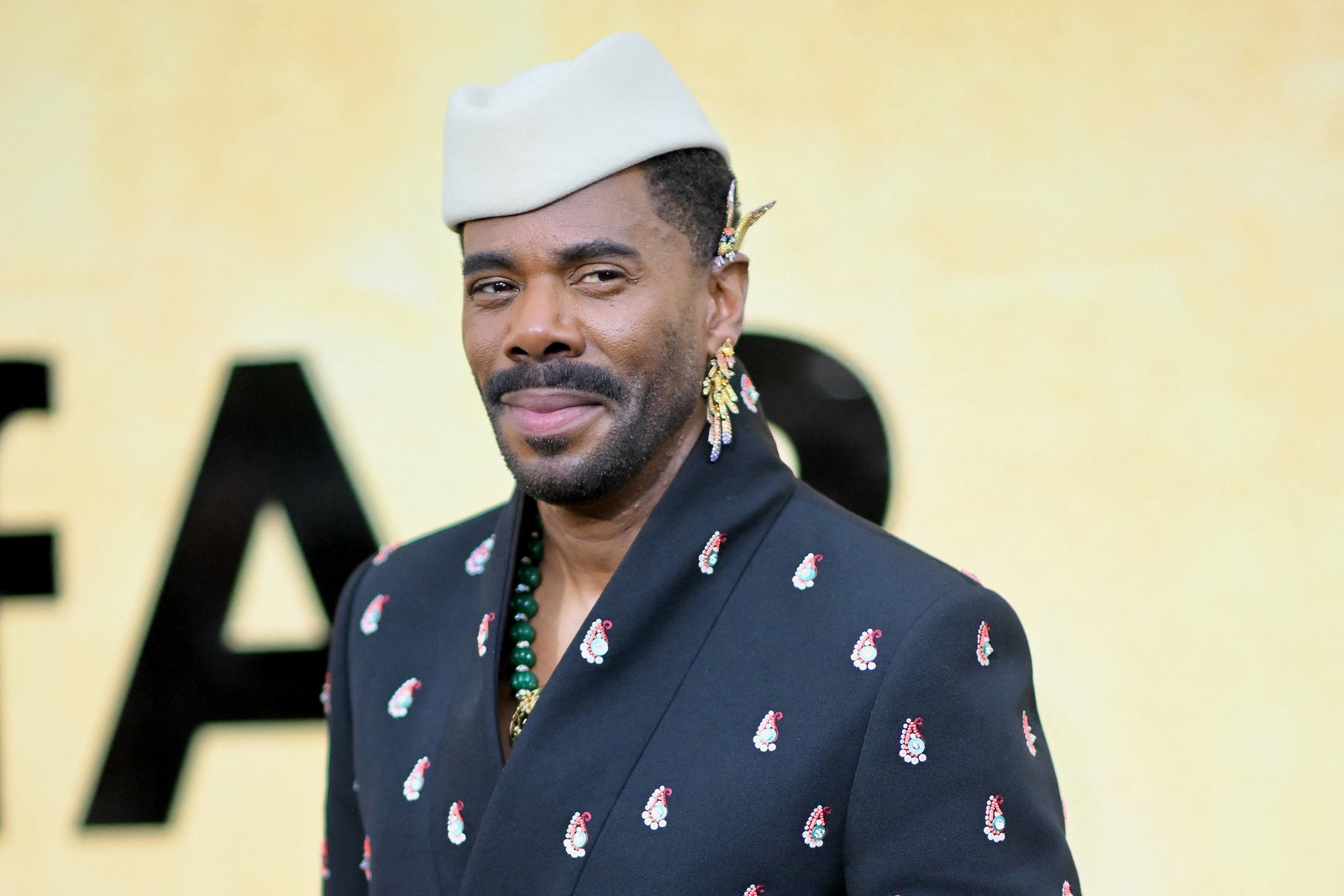
Set in a sweltering, pressure-cooked 1920s Chicago recording studio, the film unfolds during a tense recording session where Ma Rainey battles her white manager and producer over control of her sound and voice, while her band waits in a cramped, suffocating rehearsal room, slowly fracturing under the weight of ambition, frustration, and buried trauma.
Universally acclaimed, the film holds a 97% rating on Rotten Tomatoes, with critics praising its electrifying performances, rich cultural texture, and faithful adaptation of August Wilson’s stage play. It also found major success on Netflix, produced on an estimated $20–30 million budget, cementing its place as a powerful and resonant piece of modern Black cinema.
8. Straight Outta Compton
Directed by F. Gary Gray, Straight Outta Compton features O’Shea Jackson Jr. as Ice Cube, Corey Hawkins as Dr. Dre, and Jason Mitchell as Eazy-E, alongside Paul Giamatti as their controversial manager, Jerry Heller, bringing together a cast that grounds the story in both emotional intensity and lived authenticity. Their music became a form of protest and testimony that transformed hip-hop into an unfiltered political and social outlet, while tracks like 'F*** tha Police' resonated deeply with audiences facing systemic harassment and police brutality, echoing through decades into modern movements like #BlackLivesMatter.
At the same time, their journey demonstrated how marginalized voices could build independent creative and financial power, inspiring generations of artists to own their narratives and control their industries. The film carries strong cultural significance for the Black community, especially in its portrayal of N.W.A as a voice for the voiceless. The group became known for refusing to dilute their truth, speaking openly about what it meant to be young, Black, and marginalized in America, giving expression to experiences that were often ignored or silenced.
9. Creed
Creed follows Adonis “Donnie” Johnson, the illegitimate son of former heavyweight champion Apollo Creed, played by Michael B. Jordan, who grows up between foster homes and privilege, struggling with identity and the weight of a name he never fully earned. Directed by Ryan Coogler, the film also features Sylvester Stallone as Rocky Balboa, Tessa Thompson as Bianca, Phylicia Rashad as Mary Anne Creed, and Tony Bellew as the formidable champion “Pretty” Ricky Conlan.
The film was widely praised by critics, with particular acclaim for Stallone’s emotional performance, Coogler’s direction, and its striking cinematography, which earned Stallone an Academy Award nomination for Best Supporting Actor. It was also a major box office success, grossing over $173 million worldwide on a $35 million budget, launching a successful franchise that continues to expand the Creed universe. Beyond its commercial impact, the film holds strong cultural significance for Black representation in mainstream Hollywood, placing a complex Black protagonist at the center of a global sports franchise and redefining what legacy-driven storytelling can look like.
10. One Night in Miami
One Night in Miami is a fictionalized account of a real gathering on February 25, 1964, when a 22-year-old Cassius Clay, later Muhammad Ali, shocks the sports world by defeating Sonny Liston and celebrates with three of his closest friends in Miami’s historic Overtown neighborhood. What begins as a quiet after-party quickly transforms into an intense, philosophical night where segregation laws force them into a modest motel room, turning the space into a pressure-cooker discussion on fame, civil rights, and political responsibility.
Directed by Oscar-winner Regina King in her critically acclaimed feature directorial debut, the film features Kingsley Ben-Adir as Malcolm X, Eli Goree as Cassius Clay / Muhammad Ali, Leslie Odom Jr. as Sam Cooke, and Aldis Hodge as Jim Brown, each delivering layered performances that bring emotional depth to the real-life icons. The film received three Academy Award nominations, including Best Adapted Screenplay, because the film effortlessly explores the burden of celebrity and the responsibility that comes with influence, questioning whether Black public figures should use their platforms for activism or personal advancement. These 10 films definitely deserve a spot on your Juneteenth watchlist.
Which one are you going to start with first? Let us know in the comments.

Edited By: Adiba Nizami
