
10 Stars Who Turned a Single Role Into a Lifetime Paycheck
via Imago
Credits: Imago
In Hollywood, landing a hit role is the dream. For a select few stars, though, one character became something far more valuable: a financial goldmine that kept paying long after filming wrapped. Through syndication deals, streaming residuals, merchandise sales, franchise appearances, and profit-sharing agreements, these actors turned a single role into a career-defining cash machine. Some are still collecting checks decades later whenever their movies air, their shows stream, or fans revisit beloved franchises.
From sitcom icons and superhero legends to fantasy heroes and animated favorites, these performers discovered the entertainment industry's closest thing to a perpetual-motion money machine.
1. Jerry Seinfeld (Seinfeld)
ADVERTISEMENT
Article continues below this ad
Jerry Seinfeld did not just star in a hit sitcom. He engineered one of the most lucrative deals in entertainment history. While most television actors earn a salary, Seinfeld and co-creator Larry David secured ownership of the show itself, eventually holding a 15% stake each. That single decision transformed Seinfeld from a sitcom star into a perpetual revenue machine. When Seinfeld ended its legendary run in 1998, the money was only beginning. Syndication deals generated billions of dollars as stations across the world paid to air reruns. Then came the streaming era, with massive licensing agreements from Hulu and later Netflix worth hundreds of millions.
Because Jerry Seinfeld owns a significant portion of the series, every new deal sends more money his way. The show's enduring popularity makes those profits possible. Centered on Seinfeld and his hilariously self-absorbed friends navigating everyday absurdities in New York City, Seinfeld remains one of television's most rewatched comedies, proving that a show about nothing can be worth absolutely everything.
2. Robert Downey Jr. (Iron Man / The MCU)
Robert Downey Jr. has sort of rewired Hollywood's financial gravity. Cast as Tony Stark at a moment when his name was still considered a risk, he stepped into what looked like a standard superhero role and quietly transformed it into a generational contract. His initial paycheck was modest, but the real power move lived beneath it: backend participation. As Iron Man ignited the Marvel Cinematic Universe, that clause began compounding like a living algorithm. Each film, each sequel, each global expansion of the franchise added another layer to his earnings. What began as uncertainty hardened into leverage, and leverage became empire.
Over time, Stark became the emotional nucleus of a $30+ billion universe, and Downey Jr. became its highest-paid architect. From cameo minutes worth millions to finale-level payouts in the tens of millions, the numbers climbed with the mythology.
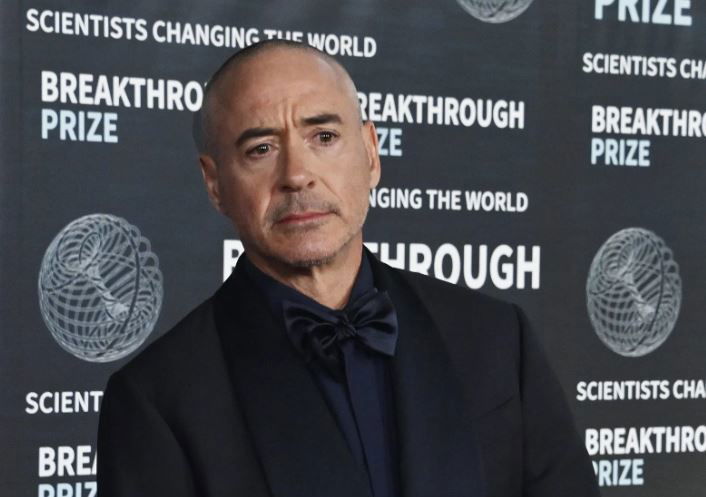
Even after the armor came off, the system kept paying. Streaming cycles, licensing waves, and cultural replay ensured the Iron Man era never truly ended. It just keeps generating.
3. Emma Watson (Harry Potter)
Emma Watson’s transformation from a nine-year-old schoolgirl into a multi-millionaire before she was even legally allowed to drink is a legendary Hollywood success story. By playing a single, definitive character across an eight-film saga, she accumulated an estimated $62 million directly from the franchise, securing a lifetime of absolute financial independence. But the real architecture of her wealth was not built on salary alone. It was built on inevitability.
As Harry Potter evolved from a children’s film series into a global cultural institution, Watson’s role as Hermione Granger became permanently embedded in its financial bloodstream. Each sequel increased her bargaining power, turning childhood contracts into escalating multi-million-dollar negotiations. Beyond the films themselves, the ecosystem never stopped paying. Global syndication keeps the saga in constant rotation, streaming platforms compete for its rights, and merchandising turns characters into perpetual commodities.
Theme parks like The Wizarding World of Harry Potter extend that lifespan even further.
4. Jack Nicholson (Batman)
Before Batman (1989), superhero movies were uncertain bets. After it, one actor walked away with a deal Hollywood still studies like scripture. Jack Nicholson did not just step into The Joker’s makeup. He stepped into a contract that turned risk into royalty. At a time when Warner Bros. was betting on a darker, untested vision of Gotham, Nicholson became the leverage point. Instead of a traditional star salary, he negotiated a reduced upfront fee in exchange for first-dollar gross participation, backend profit points, and a share of merchandising revenue tied to the film’s entire commercial afterlife.
When Batman exploded into “Batmania,” those clauses activated like switches. Box office earnings surged, but the real empire was in the spin-offs, Joker toys, posters, apparel, reruns, and licensing deals that kept multiplying long after theaters emptied. Even decades later, the film’s cultural circulation continues through streaming and nostalgia cycles. And within that ongoing rotation, Nicholson’s deal still quietly pays out, turning one performance into a perpetual financial echo.
5. Sofia Vergara (Modern Family)
A sitcom role that started as family chaos slowly grew into a cultural comfort loop that never really turns off. Sofía Vergara did not just play Gloria Delgado-Pritchett in Modern Family. She became part of a televised household that felt louder, warmer, and more alive than most real ones. At the start, it was standard network pay, a new ensemble show finding its rhythm. But as the series locked into global hit status, everything scaled upward. Contract renegotiations turned each season into a bigger stake in a comedy empire, with Vergara rising into the highest-paid tier of television as Gloria became an instant icon.
But the real engine is not the set, it is the rerun. With over 250 episodes, Modern Family never really ended. It just changed formats. Streaming queues, syndication cycles, and late-night cable rotations keep it alive everywhere at once. And through it all, Gloria keeps speaking, reacting, loving loudly. And every replay pays out, like a joke that somehow learned how to compound.
6. Margot Robbie (Barbie)
A doll turned into a global phenomenon, and a film that transformed pink aesthetics into box-office history. Margot Robbie’s involvement in Barbie extended far beyond performance. Through her production company, LuckyChap Entertainment, she played a key role in developing the project from concept to screen, securing a rare position of creative and financial influence long before release. She took a reported $12.5 million acting salary, but the real scale of her earnings came from backend participation. With Greta Gerwig directing and Warner Bros. backing the vision, Barbie became a billion-dollar cultural event, ultimately crossing $1.4 billion worldwide.
That structure turned a single project into a long-term revenue stream. As the film dominated theaters, it also expanded through streaming platforms, merchandising, and global brand partnerships, each layer extending its financial lifespan. Barbie became more than a hit movie. It turned into a continuously circulating cultural asset, where every replay, product tie-in, and licensing cycle keeps the momentum and the earnings in motion.
7. Jim Carrey (Yes Man)
A simple comedy premise that turned into one of Hollywood’s most quietly aggressive financial bets. Jim Carrey did not treat Yes Man like a standard paycheck role. Instead, he stepped away from his usual $20 million upfront fee and rewired the deal entirely, trading guaranteed money for a massive 36.2% share of the film’s backend profits. That decision flipped the film’s financial outcome. As Yes Man found global success, grossing over $220 million worldwide, Carrey’s share became a payday reportedly ranging from $35–50 million.
What looked like a lighthearted studio comedy became a long-term revenue stream built on ownership rather than salary. The real engine is longevity. With streaming platforms, broadcast licensing, and digital rentals keeping the film in rotation, the earnings never fully switch off, continuing to trickle in years after release. Yes Man itself mirrors that logic: a man who says yes to everything and accidentally expands his entire world. In reality, one decision expanded Carrey’s financial situation instead, into something that keeps paying in the background.
8. Bruce Willis (The Sixth Sense)
A whisper of a thriller that ended up echoing through box office history, and an even longer financial afterlife. Bruce Willis did not treat The Sixth Sense as a standard paycheck role. He restructured the deal itself, stepping down from his usual upfront salary in exchange for a strong participation stake tied to the film’s profits and home entertainment performance. When the film arrived in 1999, it didn’t just perform; it erupted. A modestly budgeted psychological drama transformed into a global cultural moment, pulling in nearly $673 million worldwide and reshaping expectations for twist-driven storytelling.
That structure followed the momentum. As the film moved through DVDs, television broadcasts, and later streaming platforms, every new wave of distribution kept feeding the backend loop. What was negotiated in a contract decades ago continues to surface in quiet financial returns. The Sixth Sense is remembered for what it reveals at the end. The real twist was written much earlier, in the way its success was paid out, again and again, long after the lights went down.
9. Angus T. Jones (Two and a Half Men)
Cast at age nine as Jake Harper, Angus T. Jones grew up on the sitcom, eventually securing a contract that paid him an astonishing $350,000 per episode. This massive base rate made him the highest-paid child actor on television, pulling in roughly $8 million to $10 million annually. Even though he chose to distance himself from Hollywood and walk away from the show as an adult, the series' backend structure continues to fund his life. Because he starred in over 200 episodes, massive global syndication deals and streaming licensing ensure substantial, ongoing residual checks that land in his bank account completely passively.
A long-running sitcom that turned a chaotic Malibu household into one of television’s most consistent ratings engines. Two and a Half Men follows Charlie Harper’s indulgent beachside life, disrupted when his brother Alan and nephew Jake move in, creating a constant clash of personalities and comedic dysfunction. A ratings powerhouse in its prime, the series dominated U.S. comedy charts for years and continues to thrive in syndication and streaming, where its simple, repeatable humor makes it endlessly rewatchable “comfort TV” across generations.
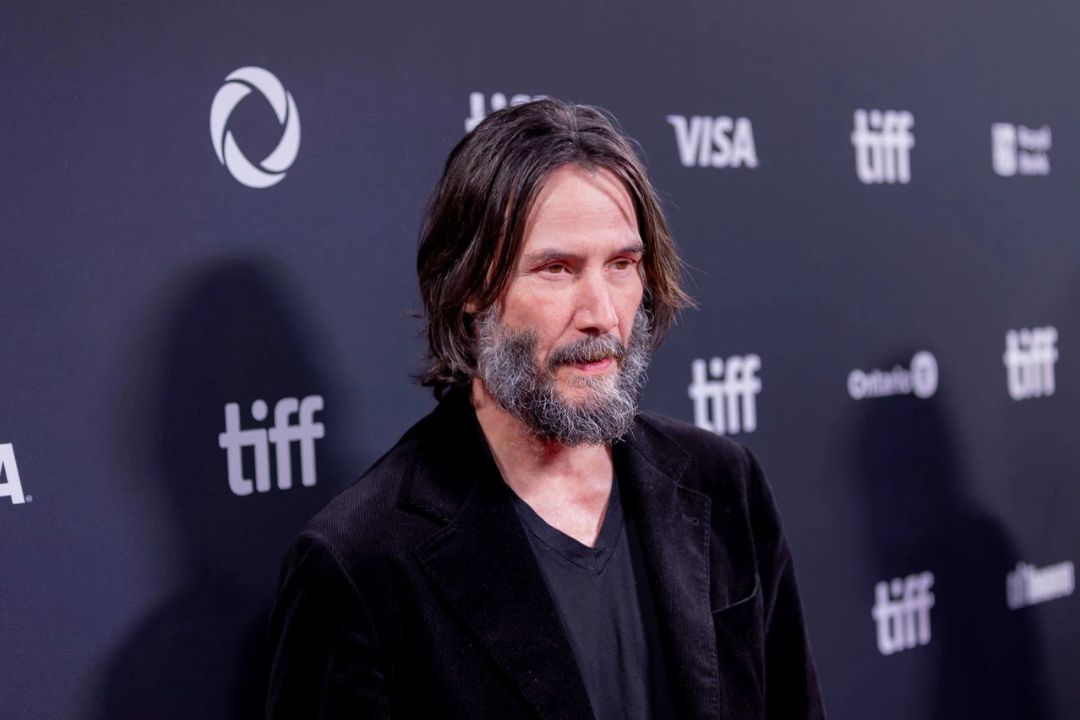
10. Keanu Reeves (The Matrix)
A reality that was never real, and a paycheck that never really stopped running. Keanu Reeves agreed to a lower upfront salary for The Matrix trilogy, pairing it with a significant share of the franchise’s box office and home entertainment revenue. What looked like a restrained contract at the time became one of Hollywood’s most profitable backend structures once the films broke through globally. When The Matrix arrived in 1999, it changed the language of science fiction.
ADVERTISEMENT
Article continues below this ad
The trilogy went on to earn over $1.6 billion worldwide, with Reeves’ profit participation scaling alongside its success, ultimately reaching an estimated $200+ million across the series. The earnings did not end with the trilogy. Streaming platforms, digital sales, and ongoing licensing keep the franchise in constant rotation, extending its financial lifespan far beyond its original release window.
Neo’s journey is about escaping simulation. In reality, the system around it keeps replaying, each return adding another layer to the same ongoing payout and getting it right with their paycheck, turning single roles into lifelong financial engines.
ADVERTISEMENT
Article continues below this ad
Which of these lifetime paychecks are the most impressive to you? Let us know in the comments.
ADVERTISEMENT

Edited By: Adiba Nizami
More from Netflix Junkie on Hollywood News


ADVERTISEMENT