
10 Hollywood Stars Who Have Voiced Their Concerns Over the Horrors of AI
via Imago
Credits: Imago
Artificial intelligence stopped being a distant Silicon Valley experiment for Hollywood when performers began seeing their voices, faces, and performances pulled into the machine without their permission. The anxiety has only intensified as AI has moved closer to the center of filmmaking. In 2025, the arrival of Tilly Norwood, a fully synthetic performer, pushed Hollywood into a new chapter, with SAG-AFTRA arguing that replacing human performers with computer-generated characters threatens both livelihoods and artistic value.
Then came a striking institutional response. In May 2026, the Academy announced that AI-generated acting performances and AI-authored screenplays would not be eligible for Oscars, although filmmakers can still use AI tools during production.
But if Hollywood’s awards machinery is drawing a line around human authorship, celebrities have been drawing their own lines for years.
Scarlett Johansson
Scarlett Johansson became one of the defining faces of Hollywood’s AI backlash after OpenAI introduced the Sky voice for ChatGPT in 2024. The actress said the voice was “eerily similar” to hers after she had declined an offer from Sam Altman to voice the system herself. OpenAI denied intentionally copying her and said the voice belonged to another professional actress, but the company paused Sky after the controversy erupted.
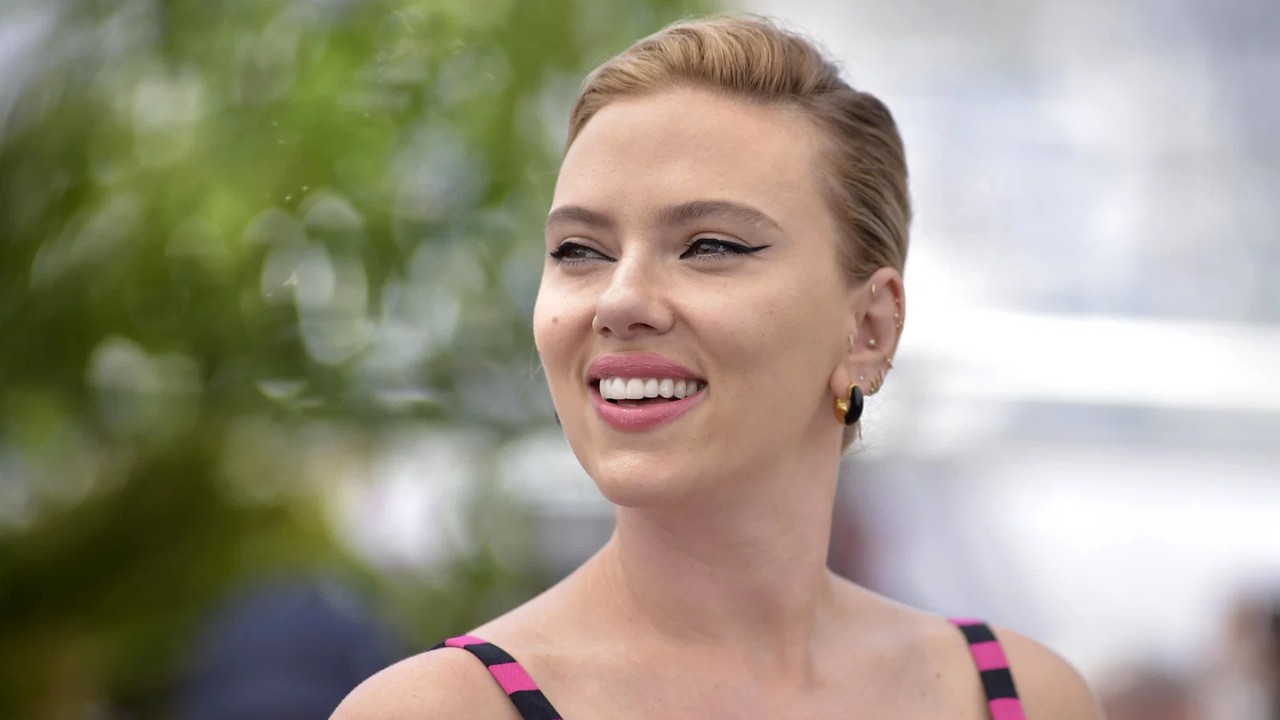
Scarlett Johansson attends the Asteroid City photocall at the 76th annual Cannes film festival at Palais des Festivals o
Scarlett Johansson attends the Asteroid City photocall at the 76th annual Cannes film festival at Palais des Festivals o
Johansson’s objection was not simply about sounding similar to a famous actress. It was about whether a performer should have the power to decide when her voice becomes part of a technology company’s product, particularly when that voice already carries decades of cultural recognition.
But the fight over AI likenesses quickly stretches beyond voices, faces, and recognizable celebrity trademarks.
Nicolas Cage
If Johansson’s battle was about the voice, Nicolas Cage has repeatedly focused on the soul behind a performance. While accepting his Saturn Award in 2025, Cage warned against allowing AI to manipulate actors’ performances, arguing that machines cannot reflect the human condition in the way artists can.
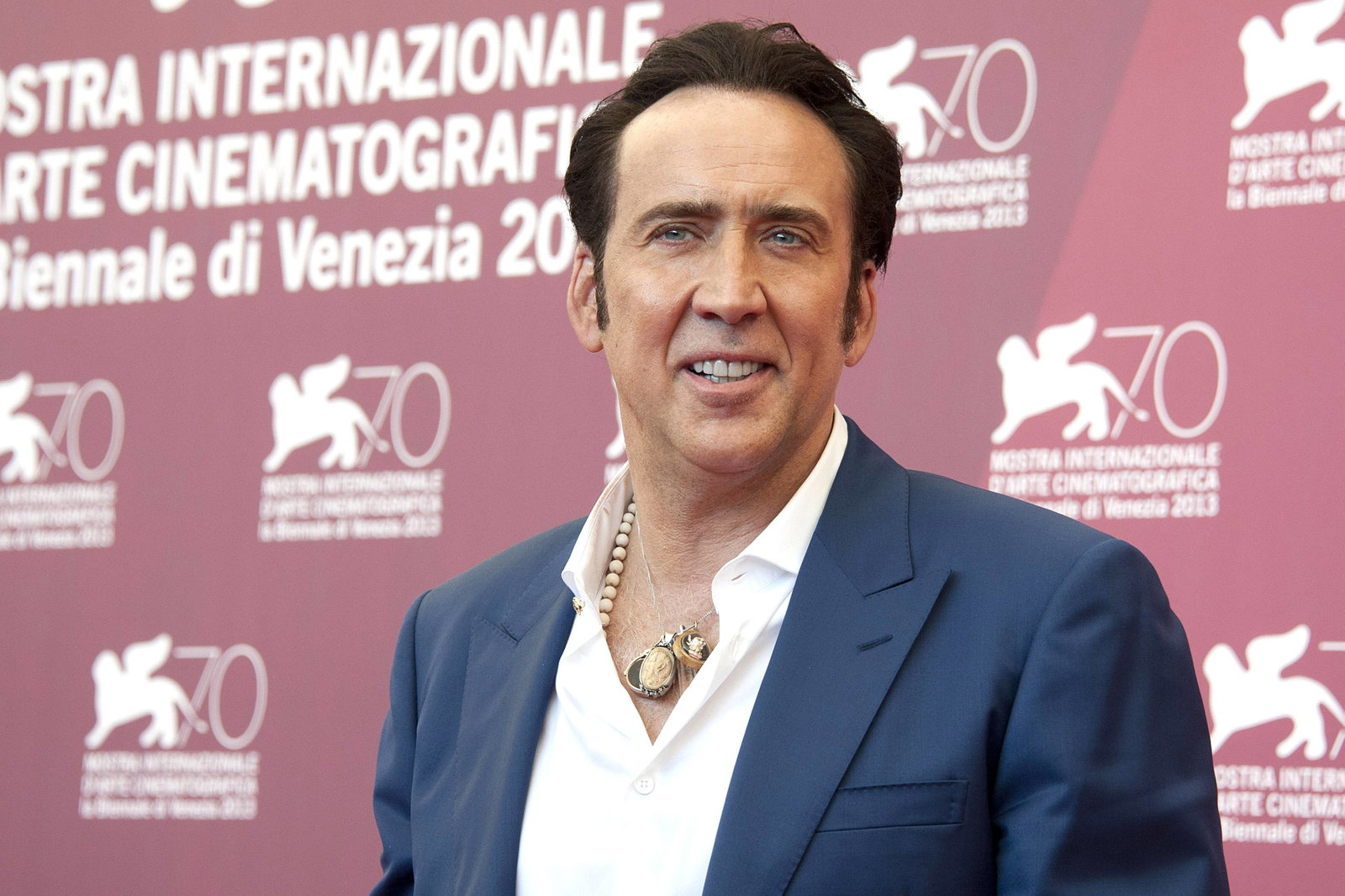
Nicolas Cage during the Joe photocall at the 70th Venice International Film Festival. August 30, 2013 Foto:xDaziramx xFuturexImage
Nicolas Cage during the Joe photocall at the 70th Venice International Film Festival. August 30, 2013 Foto:xDaziramx xFuturexImage
His concerns became even more personal after his body was digitally scanned for Spider-Noir. Cage questioned what could happen to an actor’s face and body after death once studios possess digital versions of them. For him, the demand is simple: performers should protect control over the physical and emotional ingredients that make their work recognizably human.
Mark Ruffalo
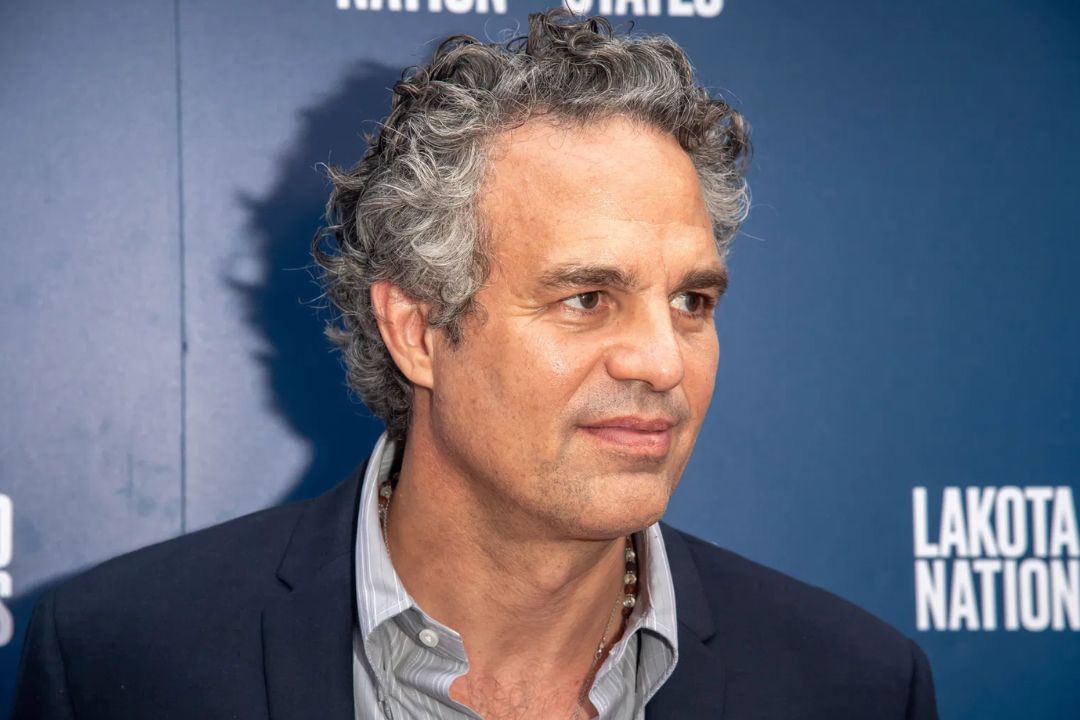
Mark Ruffalo has taken a more direct position on the copyright battlefield. In 2025, he joined more than 400 entertainment figures in signing an open letter urging the U.S. government not to weaken copyright protections for AI training. The letter argued that AI companies should not be allowed to exploit films, television, writing, music, and other creative work without meaningful protections for the people who made it.
Tom Hanks
Tom Hanks entered the 2026 AI debate through a particularly unsettling question: what happens when audiences stop caring whether a performance was created by a human? While promoting Toy Story 5, he said his biggest concern was not only job losses but the possibility that viewers would simply accept AI-made entertainment without questioning its origins.
Tim Allen
Tim Allen’s concerns arrived alongside Tom Hanks, creating an especially fitting Toy Story pairing. After all, Buzz Lightyear and Woody were born from a franchise about objects gaining a kind of emotional life, while their real-world voices are now confronting a technology capable of manufacturing convincing performances without the humans behind them.
Allen has questioned whether AI possesses genuine imagination, rather than merely reproducing patterns from material created by people.
Cate Blanchett
Cate Blanchett has moved from expressing concern about AI to helping build an infrastructure around consent. In 2026, she co-founded the Human Consent initiative, which launched a public registry allowing people to declare how AI systems may use their names, images, likenesses, and other identity attributes.
Her position puts the debate in unusually concrete terms. Rather than demanding that AI disappear, the initiative argues that people should be able to say what technology can and cannot do with their identities. The demand is therefore less about rejecting innovation and more about making consent a fundamental part of the AI ecosystem.
George Clooney
George Clooney has taken the argument into the eerie territory of digital immortality. Speaking at Venice in September 2026, he warned that AI could “hurt us in a lot of ways” and raised concerns about what happens to performers’ likenesses after they die. He has also spoken about seeing AI-generated videos depicting him in fabricated situations.
Meryl Streep
Meryl Streep has joined the broader human-consent movement backing Blanchett’s initiative. The Human Consent Standard is designed around the principle that individuals should have a say in how their identities, creative works and characters are used by AI systems. Her involvement also demonstrates how the AI debate has expanded beyond working actors worried about their next paycheck.
Ben Affleck
Ben Affleck occupies a more complicated position because he is not simply calling for Hollywood to reject AI. Instead, he has argued that AI is closer to a powerful craftsman than an artist, questioning whether the technology can reproduce the human judgment that determines why one creative choice works and another does not.
That distinction is crucial in the current debate. AI can accelerate certain parts of filmmaking, but Affleck’s argument challenges the assumption that speed automatically equals creativity..
Maggie Gyllenhaal
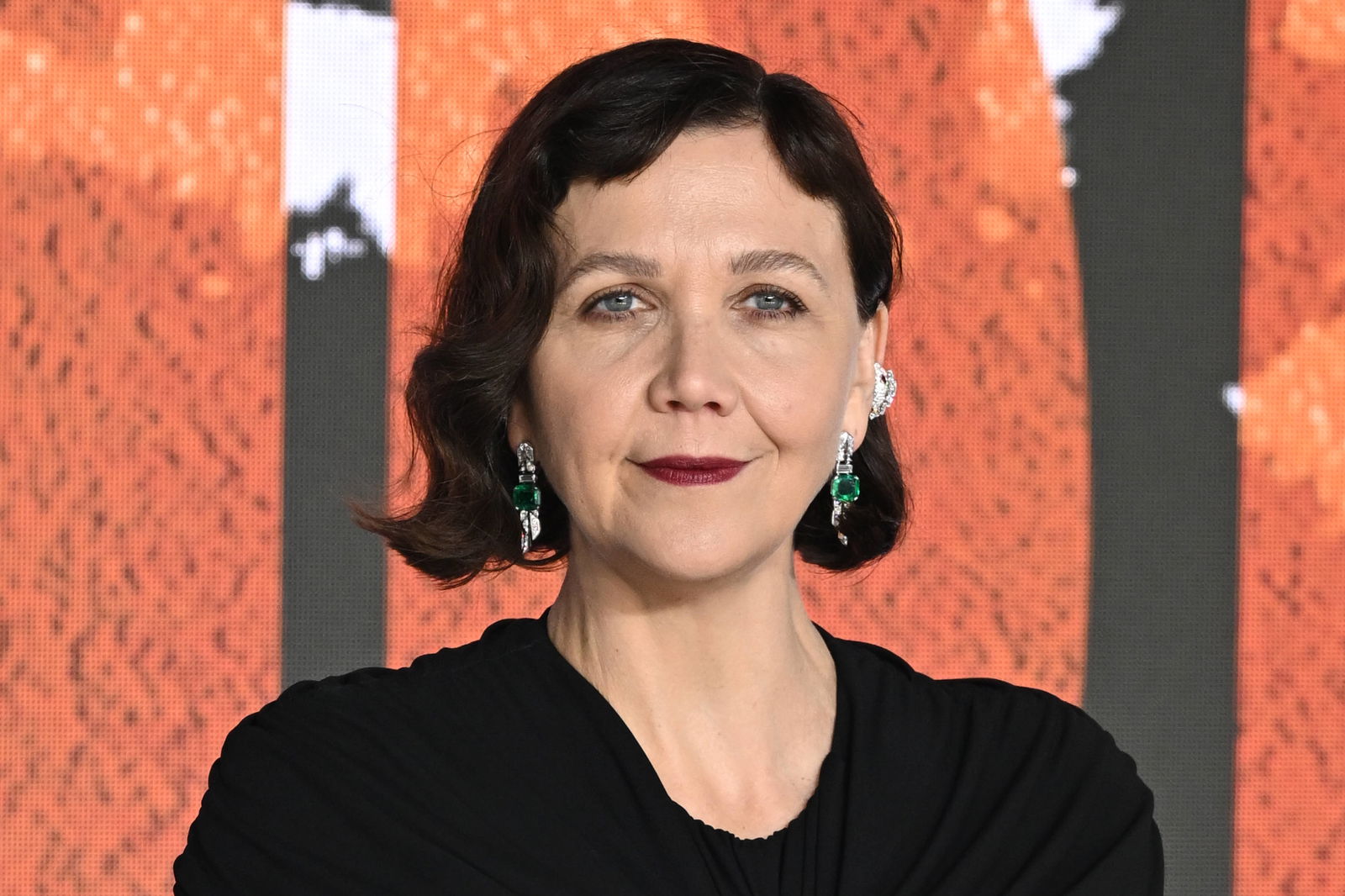
Maggie Gyllenhaal offered perhaps the most revealing AI experiment of 2026. While making Flesh Impact, she was asked to use licensed AI trained on Marilyn Monroe material to put Monroe’s face over Dakota Johnson’s performance. She tried it, studied the result, and then discarded it.
via Imago
Credits: Imago
The reason was not simply that the technology looked imperfect. Gyllenhaal said Johnson’s actual performance was more moving, human and alive, while the AI version undermined the very reasons the film had been made. Her experience is a useful reminder that the AI debate is no longer theoretical: filmmakers are testing the technology inside real productions and sometimes discovering that the human performance is precisely what cannot be replicated.
Hollywood’s AI anxiety has therefore become much bigger than a fight over whether machines can make movies. It is now a battle over consent, copyright, identity, employment, and the value audiences place on human performance.
What do you think about Hollywood’s growing battle with AI? Share your thoughts in the comments.

Edited By: Itti Mahajan
