
Steven Spielberg’s Original Ending For E.T. And Why He Changed It
via Imago
Credits: Imago
E.T. the Extra-Terrestrial's ending remains one of cinema's most tearjerking moments, the alien's glowing finger touch, the heartbreaking "I'll be right here" farewell, and the spaceship ascending as John Williams' score swells. It touched millions, turning a simple story about friendship into a timeless emotional experience that still resonates decades later.
But what most fans do not know is that this iconic conclusion was not always the plan. Steven Spielberg originally envisioned a completely different ending that would have changed everything.
Steven Spielberg’s original ending for E.T. the Extra-Terrestrial and why it was scrapped
ADVERTISEMENT
Article continues below this ad
Steven Spielberg's E.T. the Extra-Terrestrial has one of the most iconic endings in cinema history, with the emotional farewell etched into pop culture. However, the original script took a very different route. Instead of ending with the spaceship departure, the story would have cut to Elliot and his friends playing 'Dungeons & Dragons', with Elliot stepping in as dungeon master after his life-changing encounter, Robert MacNaughton revealed to Yahoo! Movies recently.
"The last scene was going to be all of us playing Dungeons and Dragons again, except this time, Elliott's the dungeon master," he said.
The camera would then pan upward to reveal the alien communicator still active, hinting that Elliot remained in touch with E.T. across the stars. This subtle twist would have kept the connection alive and opened the door for a possible continuation. It was a quieter, more suggestive ending compared to the sweeping emotional climax audiences know today.
According to MacNaughton, who played Michael, the change came down to instinct during production. Once the team witnessed the power of the spaceship sequence paired with Williams' score, they realized nothing could follow it. He described the final decision as a wise choice, noting that extending the story would have diluted its emotional impact.
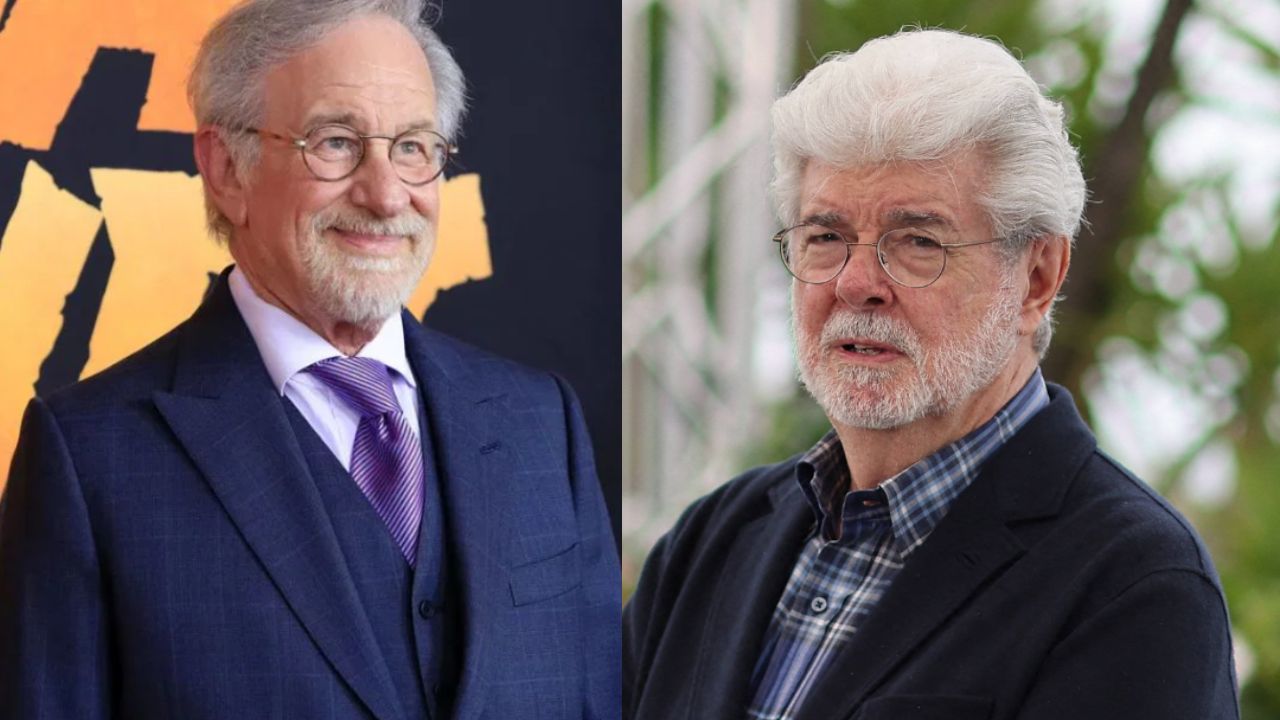
But Spielberg’s instinct to pull back from big ideas did not stop there, it also shaped one of his most ambitious canceled projects.
Why Robopocalypse never made it to the big screen
Steven Spielberg's Robopocalypse was poised to be a massive sci-fi spectacle, with Chris Hemsworth, Anne Hathaway, and Ben Whishaw attached, and Drew Goddard handling the script. Despite the strong lineup and extensive preparation, the project was abruptly halted in 2013. The primary concern was its massive budget, which reportedly climbed to around $ 200 million.
ADVERTISEMENT
Article continues below this ad
At the time, Spielberg's company DreamWorks was navigating financial uncertainty following costly projects like Cowboys & Aliens. The director had already shown caution by reconsidering the scale of Lincoln during funding challenges. Greenlighting another high-risk blockbuster did not align with the studio's situation.
Industry conditions added to the hesitation. World War Z was facing production troubles and ballooning costs, creating fears of a major financial disaster at the time. Spielberg chose not to take that gamble, later explaining he did not want to commit to something unless he could confidently deliver for audiences, adding to his streak of pulling back from alternate possibilities.
ADVERTISEMENT
Article continues below this ad
What do you think about Spielberg changing E.T.’s ending and canceling Robopocalypse? Did he make the right calls? Let us know in the comments.
ADVERTISEMENT

Edited By: Adiba Nizami


ADVERTISEMENT