
'Star Trek: Starfleet Academy’ Review: A Bold, Coming-of-Age Story Rooted In Humanity
When Star Trek first began in the 1960s, everyone asked one simple question: Who is it for? It did not take much time for viewers to understand that the series was all about an enlightened tomorrow.
The makers of the franchise combined elements of the world we live in and created a sci-fi series that explored them in a very unique way, giving viewers something that not only sounds exciting but also feels relatable.
In recent years, Star Trek has been something of a mixed bag, swinging from the undeniable charm of Strange New Worlds to those more polarizing chapters that occasionally feel a bit adrift in the neutral zone. But with the arrival of Star Trek: Starfleet Academy, it feels like the franchise has finally found its true north again by focusing on the very place where those legendary journeys begin.
ADVERTISEMENT
Article continues below this ad
A new generation reclaims Starfleet’s sense of hope
Starfleet Academy is not just another spin-off; it is the fundamental shift that the franchise needed. It brings the sprawling lore back to its roots by looking at the future through the eyes of those who will eventually inherit it.
Stepping into the 32nd century, the show picks up the pieces after the events of Star Trek: Discovery's fourth season. The galaxy is still reeling from the aftermath of 'The Burn,' a catastrophic event that ransacked much of known space.
The reopening of the Academy is not just about training the new cadets; it is all about reclaiming a sense of hope that felt lost for a long time. It serves as the perfect backdrop for a story about a new generation trying to find its own way in a universe that still feels fragile.
Leading the entire operation is Chancellor Nahla Ake, played by the supremely talented Holly Hunter. Nahla is a Lanthanite, which means she is more than four centuries old and brings a perspective that is both ancient and interestingly weird. She is one of the characters who do not like to play by the Starfleet rulebook, which makes her an exciting addition to the lore.
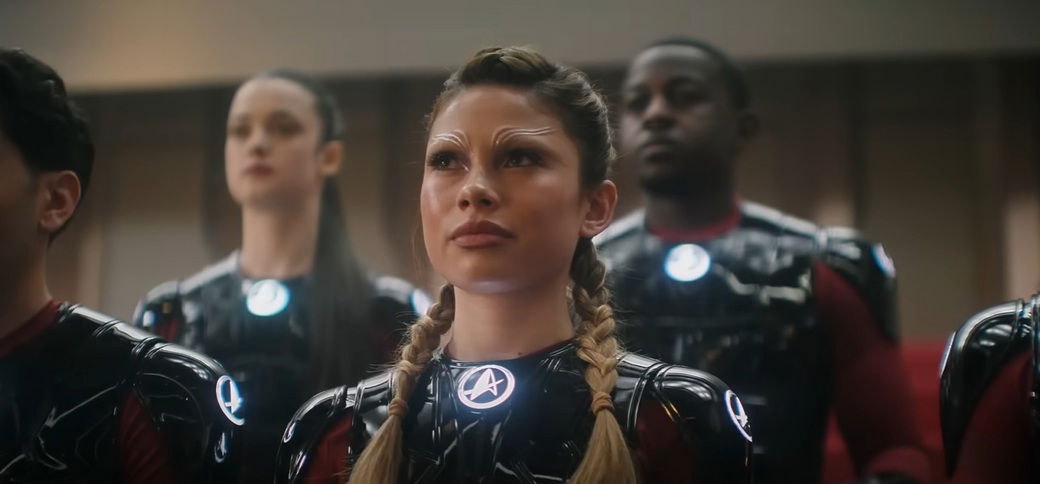
Initially, Nahla feels approachable and warm, yet if you read between the lines, she is the last person anyone would ever want to cross.
Cadets, mentors, and moral conflicts in a living galaxy
Star Trek: Starfleet Academy does not waste any time in introducing the viewers to the diverse young cadets, each with their own story and reason for being there. At the core is Caleb Mir, an orphan who hopes to find his missing mother; a very human motivation that helps anchor the series' more sci-fi elements in reality.
Each cadet offers a new perspective and conflicts that slowly begin to knit the ensemble together. These cadets may feel familiar at first, but as the season progresses, they start showcasing real emotional threads worth following.
One of the strongest aspects of the Starfleet Academy is how it manages to balance the classroom with fieldwork. The Academy is not just a school sitting in San Francisco anymore; its campus is now connected to the starship USS Athena, which means the cadets are thrown into real-world missions with real danger.
This clever setup lets the series mix coming-of-age drama with classic Star Trek action. As a result, it never feels like viewers are only watching lectures and training exercises.
Whether it is handling first contacts or dealing with unexpected threats, the series keeps reminding viewers that these students are learning while the galaxy still needs them. On the other hand, the instructors at the Academy bring even more weight and texture to the series.
Veteran characters such as Jett Reno, Sylvia Tilly, Admiral Vance, and The Doctor make an appearance not just for nostalgia, but as mentors with deep ties to what Starfleet means now. By bringing these characters back, Starfleet Academy manages to bridge the gap between the legacy of the past shows and an adventurous plot.
It offers an emotional continuity for longtime fans without taking new entrants out of the storyline. But of course, a Star Trek show is only as good as its villain, and Paul Giamatti is clearly having the time of his life as Nus Braka.
Braka believes that Starfleet actually abandoned the galaxy when things started getting rough during The Burn. While he looks wicked, you can almost see where he is coming from and why his thinking comes from a place of betrayal rather than pure evil.

His addition to the story reminds you that even though the show primarily focuses on the Academy and its students, the danger lurks beyond lecture halls, and the cadets might soon have to prove themselves in ways they never imagined.
Coming of Age Among the Stars: Growth, Desire, and Imperfection
Another aspect that really sets this season apart is how it is not afraid to let the characters be human and a little flirtation inclined. There is a lot of romance in Starfleet Academy, and it makes the whole experience feel much more like a real coming-of-age story. The show handles the relationship matters with a lot of sensitivity and humor without ever losing sight of the high-stakes missions.
It feels refreshing to see Star Trek embracing a version of the future where people are allowed to have complicated feelings for each other.
Despite these strong elements, the show is not without its rough edges. The writing of certain characters can feel a little uneven in the initial episodes, and viewers might see a story arc reaching its full potential after getting to know a substantial amount of information about a cadet.
This might turn out to be a problem for some, and a section of the audience might wish for sharper world-building. But this is just the beginning, and Star Trek: Starfleet Academy promises to be something more than what viewers have already seen.
As the first season reaches mid-point, friendships have started to form, rivalries are simmering, and romances begin to bloom, grounding the sci-fi universe in very human experience. Let's be honest, these cadets are not polished officers yet; they are young people trying to make sense of what is being thrown at them.
The first season lets the viewers see them grow, and watching Starfleet rediscover its heart, which makes the show even more relatable.
ADVERTISEMENT
Article continues below this ad
Overall, Star Trek: Starfleet Academy seems to be laying down a strong foundation for a journey that could continue for years. Moreover, it feels like the most innovative and inclusive version of the franchise we have had in a long time. It does not shy away from being completely focused on what the future holds for the younger generations, while respecting the past.
The series is an honest mix of humor, action, philosophy, and heart. Trekkies, embrace the new age because it still has plenty of stories to tell.

ADVERTISEMENT
Article continues below this ad
What are your thoughts on Star Trek: Starfleet Academy? Let us know in the comments below.
ADVERTISEMENT

Edited By: Aliza Siddiqui
More from Netflix Junkie on Hollywood News








ADVERTISEMENT