
Sophie Thatcher to Lead Jennifer Kent’s 'The Girl Who Was Plugged In' in Dual Roles
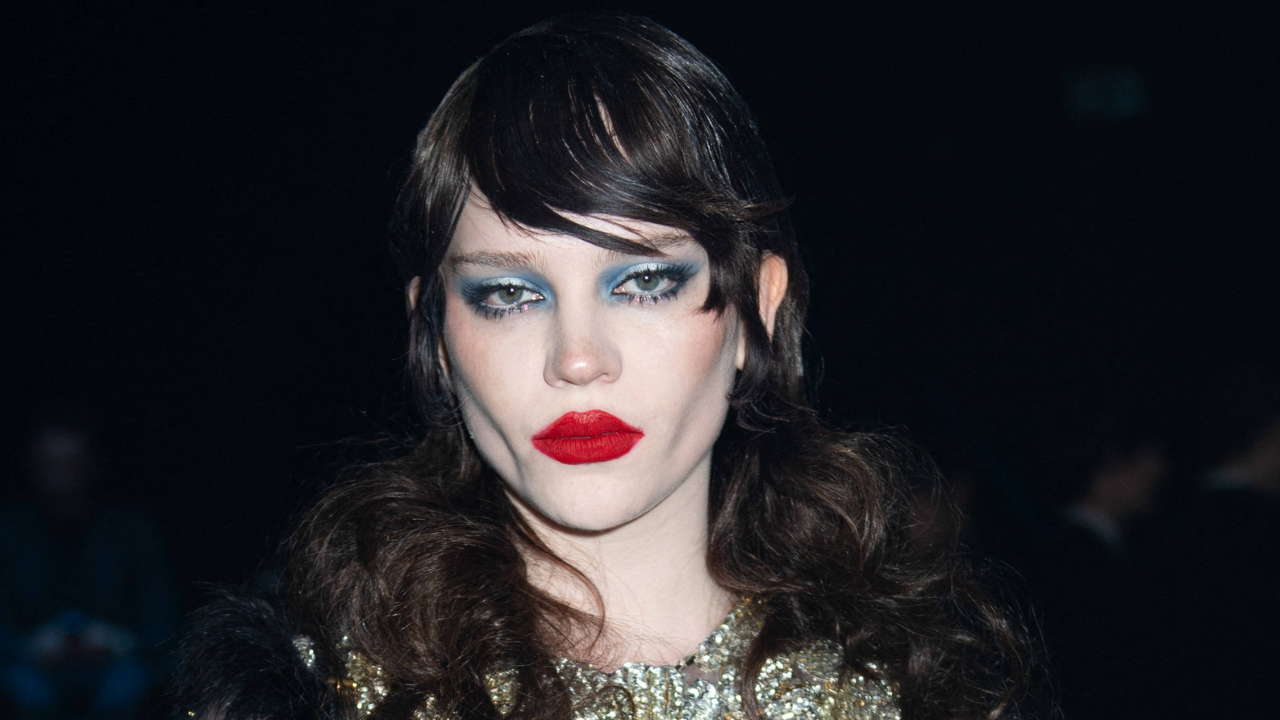
via Imago
Credits: IMAGO / ABACAPRESS
There is a particular electricity to films that dare to map the female psyche not as a site of quiet endurance but as a volatile landscape, rage, grief, desire, and distortion colliding in ways that feel almost transgressive. Think of Black Swan, where ambition fractures identity into something feral, or Promising Young Woman, which weaponizes grief into a pastel-coded vengeance. Even Saint Maud turns devotion into delirium, tracing a mind unraveling under the weight of its own intensity.
It is precisely this lineage that Jennifer Kent seems poised to extend. With The Girl Who Was Plugged In, she circles back to the kind of intimate horror she perfected in The Babadook, but refracted through science fiction. And at the center, she has cast a performer whose presence already feels attuned to disquiet: Sophie Thatcher.
Sophie Thatcher’s dual turn at a career inflection
Deadline reported that Sophie Thatcher will be leading The Girl Who Was Plugged In in dual roles, marking a decisive escalation in a career already defined by precision and genre fluency. Beginning in musical theater at age four and later grounding herself in Chicago’s stage circuit, she transitioned into screen work with early appearances in television before making a striking film debut in Prospect. Her breakthrough arrived with Yellowjackets, where her portrayal of a younger Natalie balanced volatility with restraint.
That instinct has guided her toward psychologically charged genre work: The Boogeyman, Heretic, and the sci-fi thriller Companion, the latter earning her a Critics’ Choice Super Award and cementing her status as a contemporary scream queen with range. Recognition has followed in parallel, including her inclusion in the Forbes 30 Under 30 Class of 2026. Beyond acting, her experimental music, most notably the EP ‘Pivot & Scrape’, reveals a sensibility attuned to mood, fragmentation, and interiority.
And if Thatcher provides the emotional circuitry, Kent’s narrative supplies the voltage.
A dystopian mirror: Plot, provenance, and Jennifer Kent’s urgency
Adapted by Jennifer Kent from The Girl Who Was Plugged In by James Tiptree Jr., the 1974 Hugo Award–winning text, the film traces P. Burke, a disfigured, s******* young woman recruited by a mega-corporation to remotely operate Delphi, a lab-grown, flawless “flesh body” engineered to influence consumer desire. As Delphi’s celebrity ascends, Burke becomes psychologically entangled with her creation, spiraling into a state of technological psychosis where identity collapses under its own projection.
Kent has described an “urgent need” to bring this story to screen, noting that despite being written over fifty years ago, its themes land with “searing relevance,” as per Deadline. That urgency feels embedded in the film’s industrial momentum: Goodfellas is launching international sales at the Cannes Market, with CAA Media Finance and Range Select co-representing U.S. rights. Producers include Range Media Partners and Felix Farmer Productions, Hualien Media International, and Rush Films, with production set to begin in Australia in November 2026.
There is a second, quieter provocation within the material itself: a world where desirability is engineered and consciousness outsourced does not read as dystopia so much as exaggeration. If the film realizes its potential, it may not simply join the canon of female psyche-driven sci-fi cinema in contention; it may recalibrate it.
What do you make of Sophie Thatcher and Jennifer Kent's pairing, and does this feel like the kind of story contemporary cinema should be pursuing more aggressively? Share your take in the comments.

Edited By: Adiba Nizami
