
7 Overstretched Movie Franchises That Should End Before They Get Worse
Movies bring a vivid spark of excitement to life, a shared ritual that gives audiences something to look forward to year after year. Great franchises earn that trust over time, building a devoted community of fans who treat each installment like a family reunion. Yet, just like great civilizations throughout history, even the most legendary cinematic empires inevitably collapse so new ideas can rise from their ashes. The real tragedy is not the end of a franchise, but knowing when to pull the curtain down. While some series age gracefully, others refuse to bow out, dragging their storylines far past their expiration dates.
When a studio prioritizes infinite sequels over narrative necessity, they alienate veteran fans while failing to captivate a new generation. Stretches like these destroy the legacy of what once made a story special, leaving behind nothing but creative fatigue. Falling into this category are these seven overstretched movie franchises that have officially outstayed their welcome.
7. Evil Dead
What began as a low-budget, blood-drenched passion project in the woods transformed into one of cinema’s most beloved horror legacies. Sam Raimi’s 1981 The Evil Dead birthed a cult phenomenon, seamlessly evolving from raw, isolated terror into the gloriously absurd dark comedy of Evil Dead II and Army of Darkness. Guided by Bruce Campbell’s iconic Ash Williams, the franchise even conquered television with the acclaimed Ash vs Evil Dead.
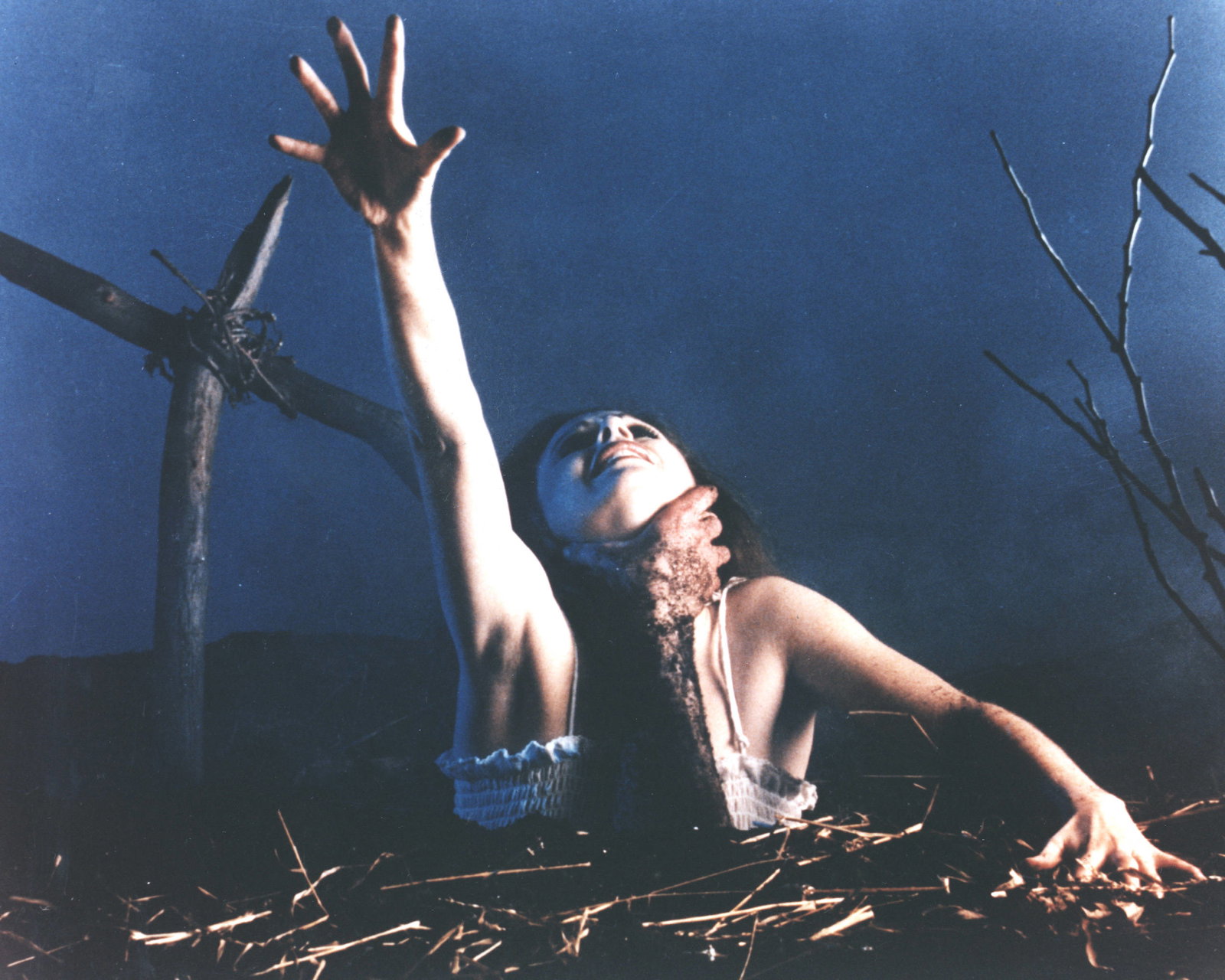
Recent entries like Evil Dead Rise proved the brand can still deliver visceral, gore-filled thrills without its original hero. Yet, this high-water mark is precisely why it needs to stop. Pushing the Deadite mythos into endless standalone reboots risks stripping away the unique, tongue-in-cheek identity that defined it.

Without a distinct vision, the series threatens to sink into the homogenous sea of generic possession movies, eroding decades of hard-earned cult prestige for the sake of simple shock value.
6. Jumanji
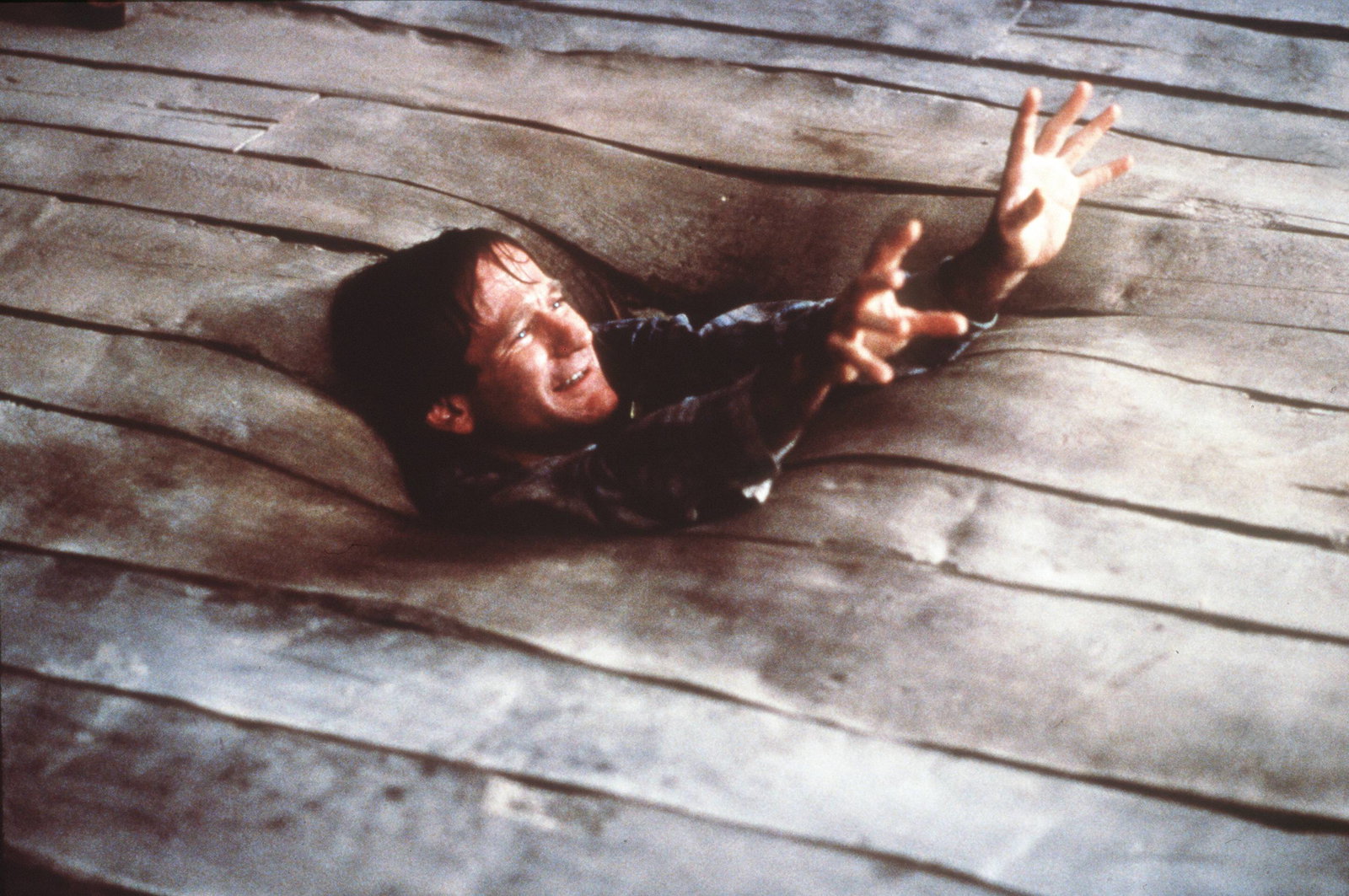
A mysterious board game once unleashed pure, chaotic jungle magic straight into a suburban living room, capturing the hearts of an entire generation. The 1995 original Jumanji relied on practical magic and the magnetic charisma of Robin Williams, creating a standalone fantasy classic. Decades later, the franchise pulled off an impossible cinematic resurrection with Welcome to the Jungle, brilliantly reinventing itself around a video game avatar premise and the infectious chemistry between Dwayne Johnson and Kevin Hart.
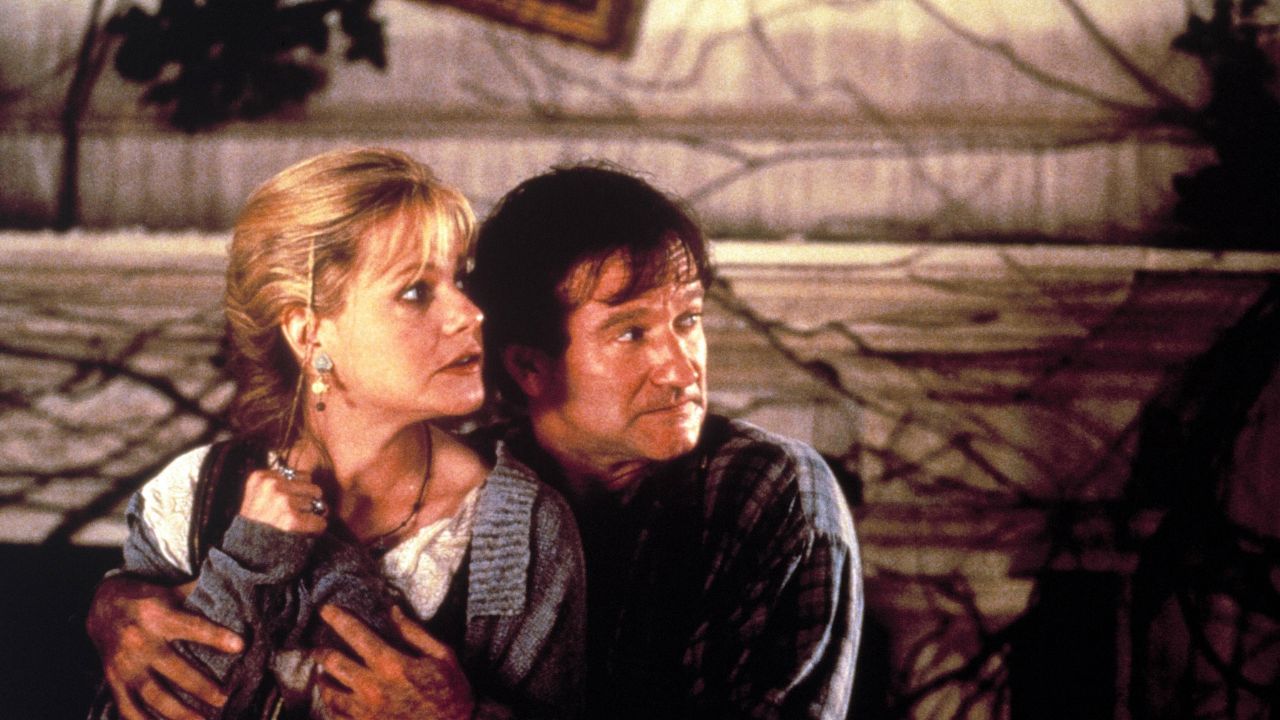
The Next Level proved the formula still had comedic fuel, but the dynamic is now running dangerously low on juice. The "body-swap inside a digital game" gimmick has exhausted its novelty, and pushing these exact character beats into further entries will rapidly turn fun into fatigue. Before the star-studded ensemble feels completely manufactured and the laughs turn hollow, this game needs to be permanently logged off.
5. Scream
In 1996, a raspy voice on a landline asked a simple question that forever altered the landscape of modern horror: "What's your favorite scary movie?" Wes Craven’s masterpiece revitalized slasher cinema by crafting a hyper-aware, razor-sharp meta-critique of the genre's own cliches. For decades, through sequels and soft-reboots, Ghostface remained a culturally lethal force that consistently subverted audience expectations.
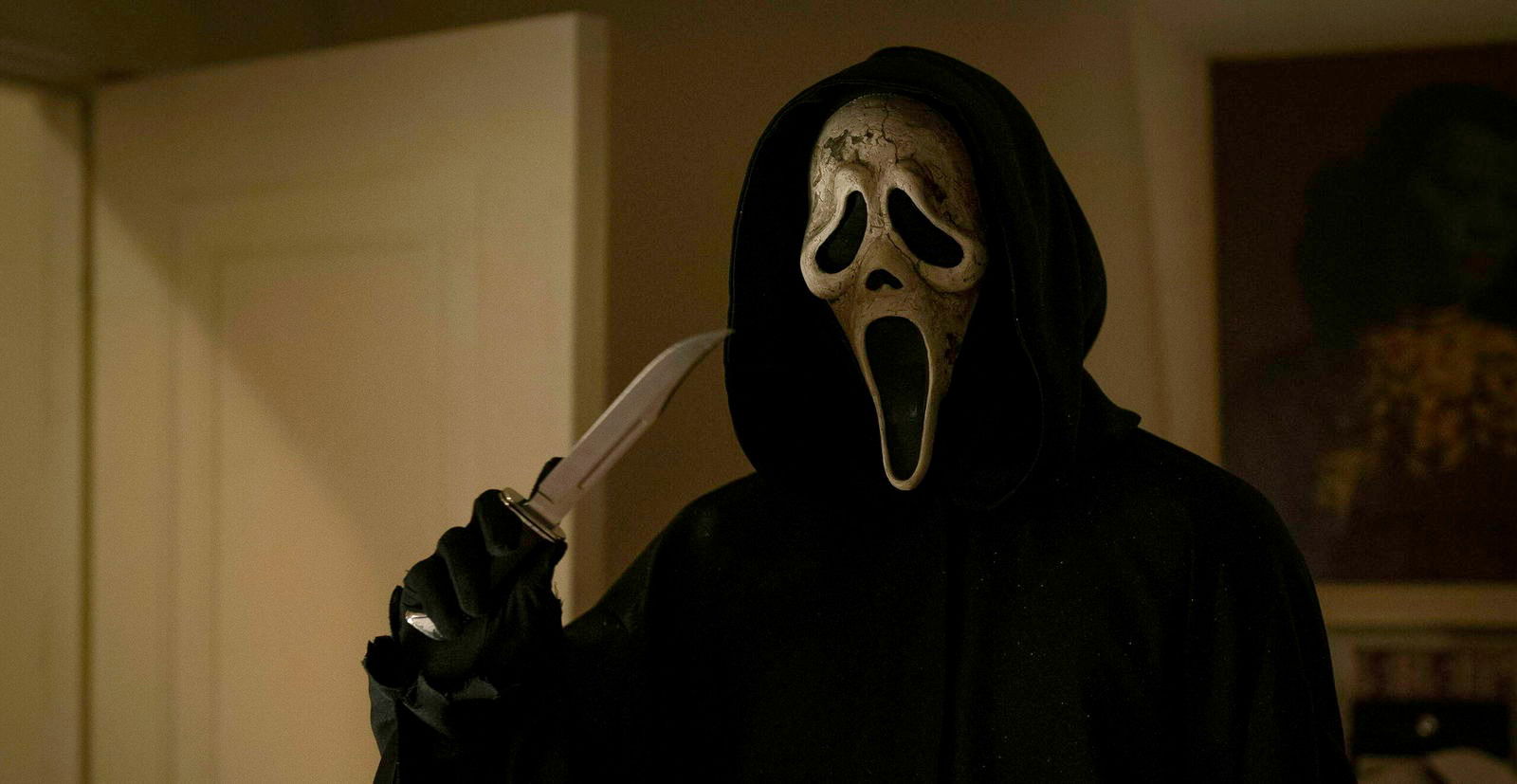
However, recent behind-the-scenes turmoil, core cast departures, and an unrelenting studio drive for perpetual sequels have created a bitter paradox. Scream has slowly transformed into the exact uninspired, corporate slasher factory it originally set out to mock. Unmasking new k****** just to keep a logo alive dilutes the brilliant satire of Craven's original vision. To save its legacy from becoming a punchline, the franchise needs to hang up the phone before Ghostface loses all edge.
4. Insidious
Before "The Further" became a convoluted labyrinth of overlapping timelines, it was the backdrop for one of the most terrifying haunted-house thrillers of the 21st century. James Wan’s 2010 original Insidious weaponized silence, dread, and a terrifying red-faced demon to prove that low-budget horror could still deliver massive theatrical shocks. But across five mainline entries, endless prequels, and fractured spin-offs, the atmospheric terror that defined the early chapters has completely evaporated.
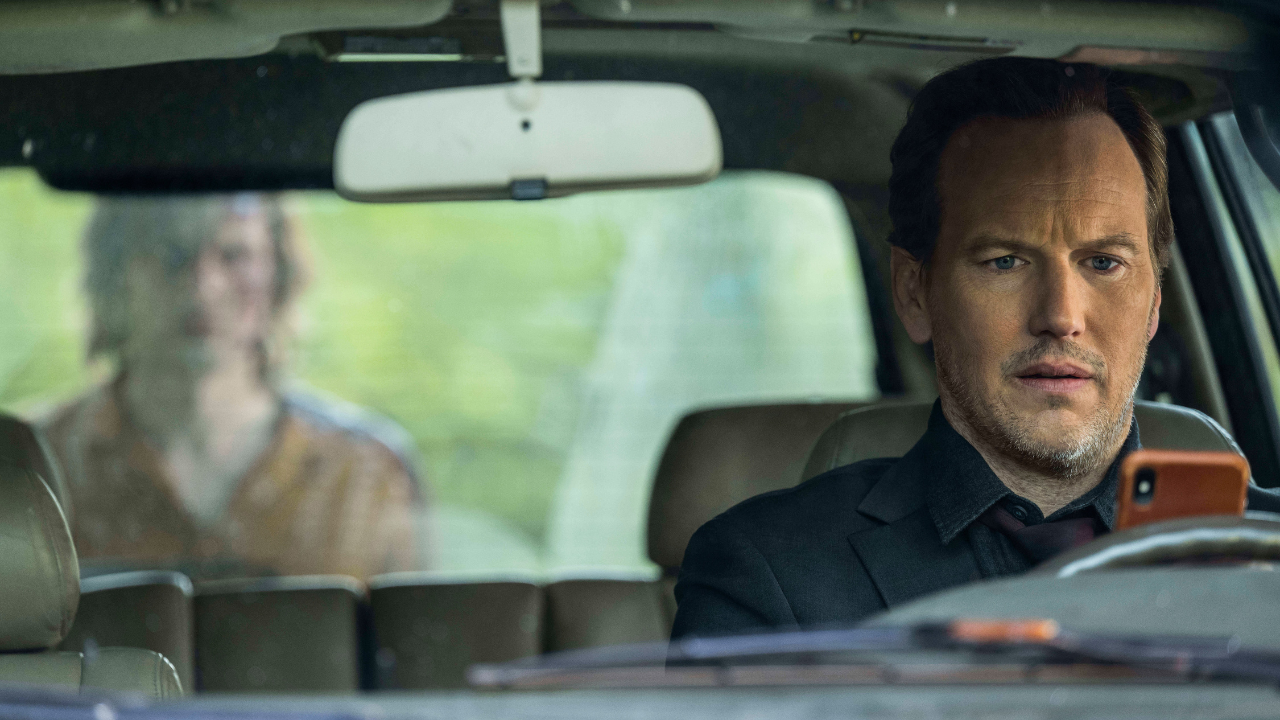
The Red Door exposed a narrative running on creative fumes, relying heavily on predictable jump scares and overly detailed lore to keep the Lambert family saga alive. By explaining away every mystery of its spectral realm, the series destroyed the unknowable dread that made it special in the first place. It is time to close the door on The Further before it becomes entirely unwatchable.
3. Toy Story
Few movies in history carried the emotional weight of a generation like Woody and Buzz holding hands as they faced an incinerator, followed by Andy handing his childhood over to Bonnie. Pixar achieved cinematic perfection with Toy Story 3, crafting a definitive farewell that left audiences of all ages in tears. While Toy Story 4 offered a surprisingly tender, secondary epilogue for Woody, greenlighting Toy Story 5 feels like a purely corporate decision that prioritizes brand retention over artistic integrity.
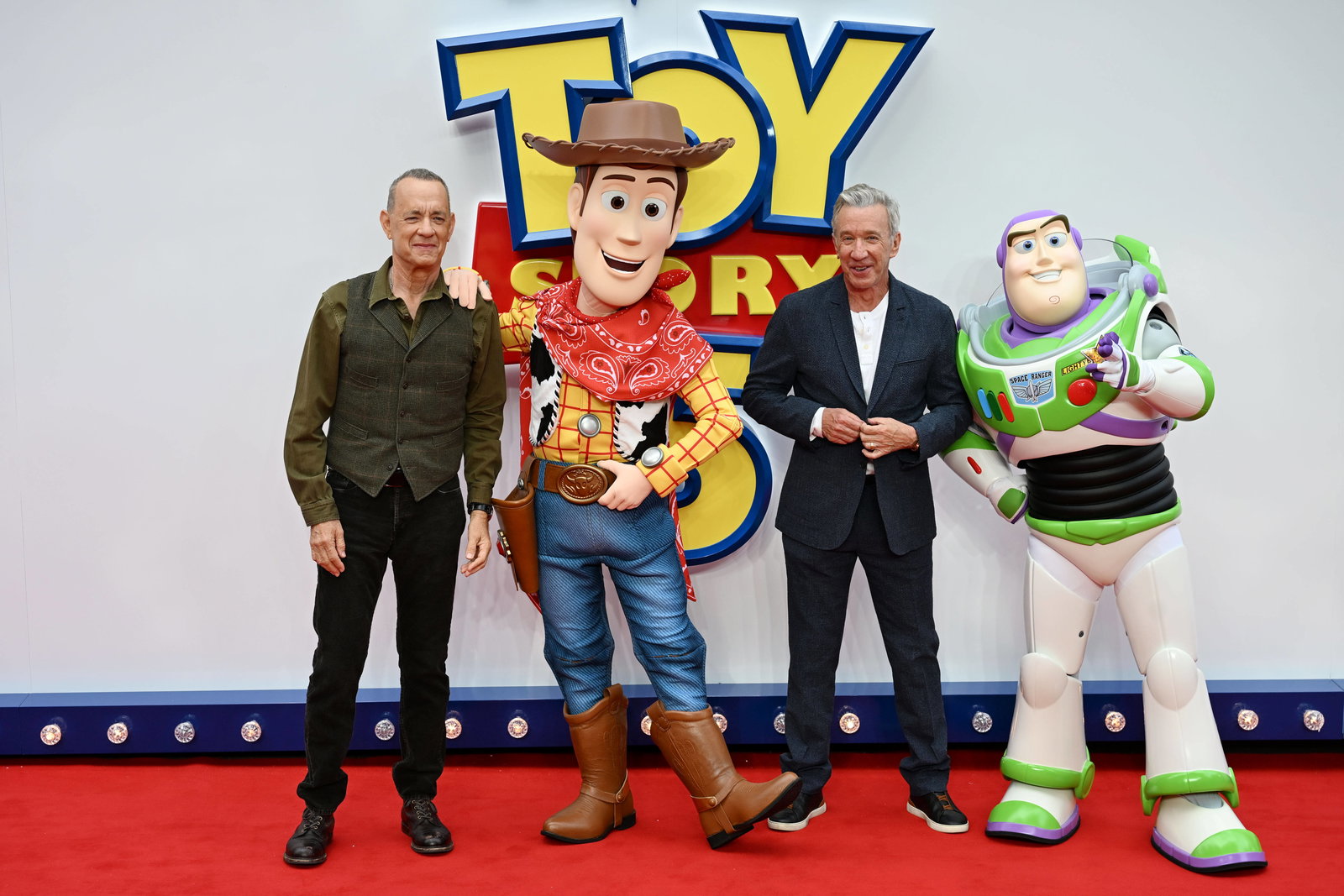
Each unnecessary lap around the track chips away at the profound emotional stakes of those original goodbyes. Toys are meant to be played with, but continually dragging these beloved characters out of retirement purely for box-office insurance threatens to ruin one of the most flawless runs in animated history. Some stories deserve to stay happily ever after.
2. Meet the Parents
It started with a lie about a farm, a spilled urn, and an agonizingly relatable dinner table nightmare that turned cringe comedy into a box-office powerhouse. The 2000 original Meet the Parents was a comedy triumph, driven by the electric friction between Ben Stiller’s nervous everyday hero and Robert De Niro’s hyper-paranoid ex-CIA patriarch. Yet, comedy sequels age faster than almost any other genre, and the law of diminishing returns struck hard.
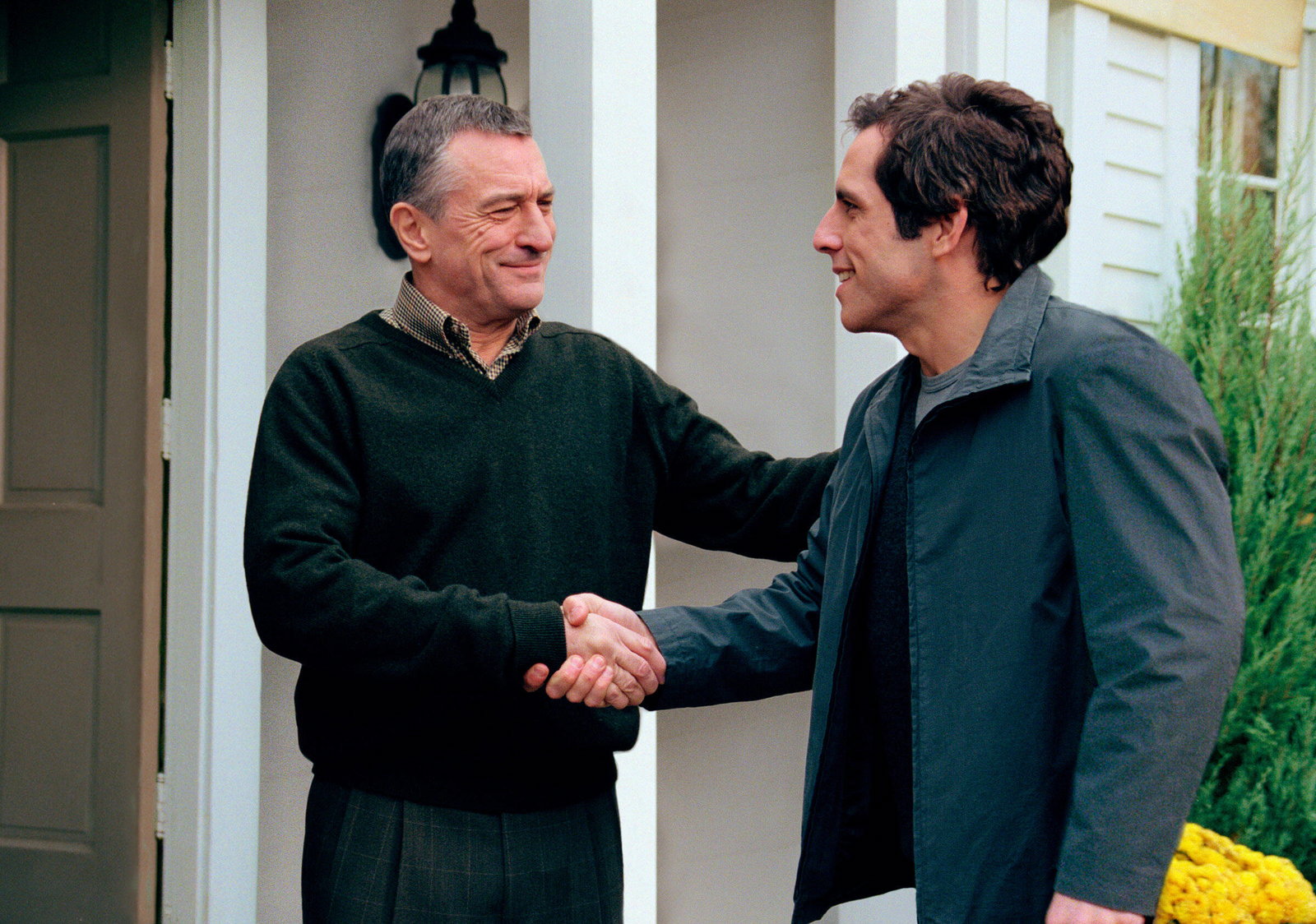
By the time Little Fockers limped into theaters in 2010, the central joke had been stretched far past its breaking point. Reviving this setup fifteen years later relies on outdated, awkward-humor tropes that no longer resonate with modern audiences. The Circle of Trust has been broken for over a decade, and trying to force another chapter out of this exhausted dynamic will only expose how obsolete the premise has truly become.
1. The Strangers
In 2008, a home-invasion thriller delivered one of the most chilling lines in horror history: "Because you were home." That absolute lack of motive was the entire point; The Strangers’ terrifying power came from its cruel, unexplained simplicity and existential dread. Fast forward to the present, and studios have attempted to stretch that minimalist, lightning-in-a-bottle premise into an expanded, multi-part, chapter-based movie trilogy.
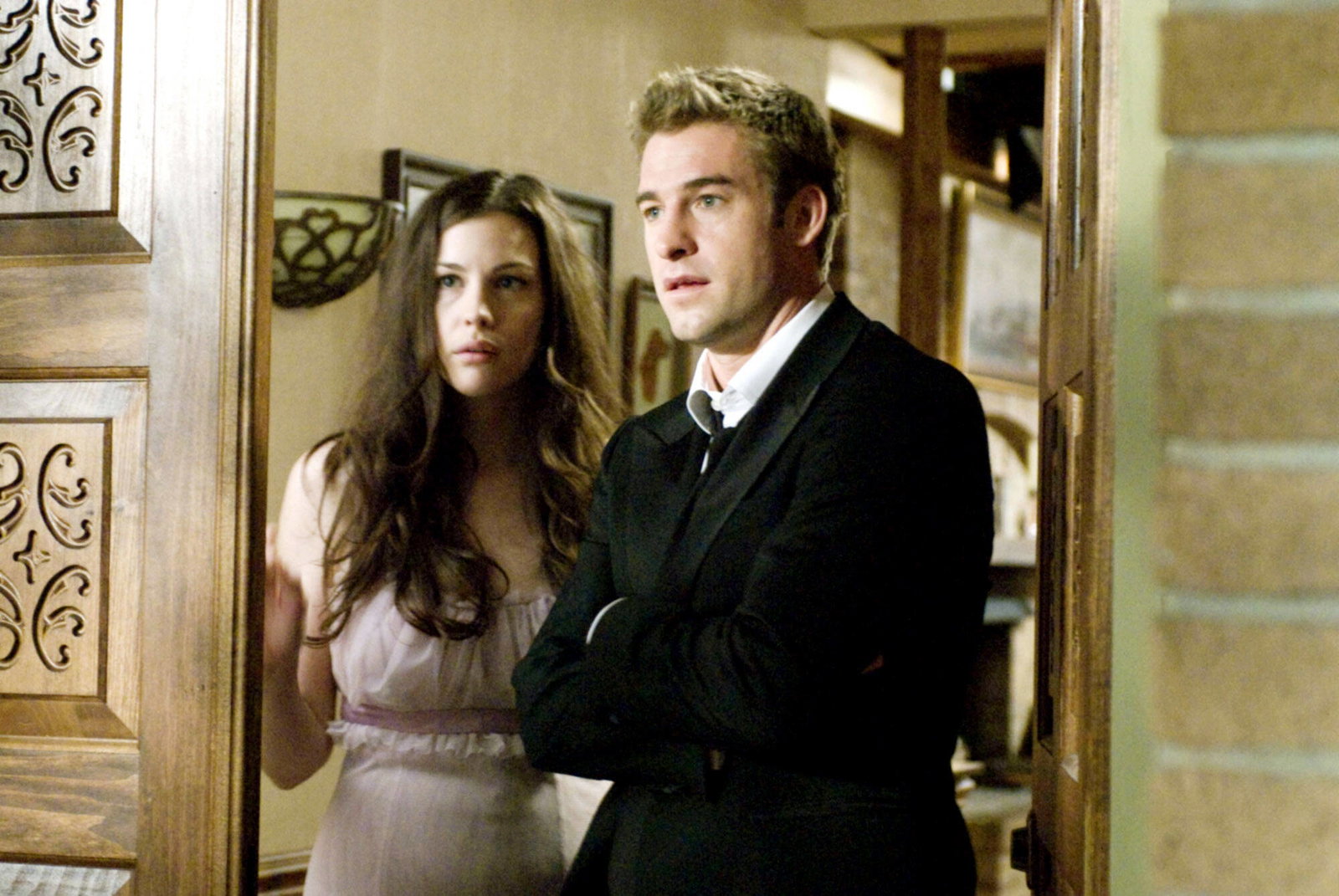
Trying to turn a sparse, random nightmare into a blockbuster universe with deep lore, origin stories, and multi-film survivor arcs completely guts the core concept. It systematically dismantles the exact mystery that made the original a cult classic. The Strangers rank as the absolute most overstretched franchise on this list because its very continuation destroys its reason for existing. The masks need to come off, and this series must end immediately.
Cinema is defined as much by its endings as its beginnings. While these seven franchises once captured our collective imagination, their stories have run out of creative fuel. Continuing to churn out forced sequels only tarnishes the magic of their peak years. There is still a brief window to step away gracefully; studios must let them go out with dignity before their legacies are completely destroyed.
Which of these iconic franchises do you think should have ended a long time ago? Let us know in the comments!

Edited By: Itti Mahajan
