
7 Must-Watch TV Episodes That Captured the Essence of 9/11 Perfectly
NEW YORK, NY - SEPTEMBER 11: Thousands gathered at the 9 11 memorial to commemorate the 24th anniversary of the terror attacks on September 11, 2025 in New York City. Copyright: xKatiexGodowskix
NEW YORK, NY - SEPTEMBER 11: Thousands gathered at the 9 11 memorial to commemorate the 24th anniversary of the terror attacks on September 11, 2025 in New York City. Copyright: xKatiexGodowskix
The tragedy of September 11, 2001, reshaped the global landscape almost instantly, as it was a monumental, historic shift in mankind. It was a horrifying day that permanently fractured our sense of safety and altered the geopolitical order overnight. However, in its aftermath, media became a primary vehicle for collective memory, producing countless documentaries and cinematic tributes to honor the victims. But the most profound explorations of this trauma often hid in unexpected places.
Certain episodes of television series sidestepped traditional clichés, embedding the aftermath, paranoia, and psychological weight of the tragedy directly into their ongoing narratives. Rather than offering straightforward historical recounts, these seven episodes catch us completely off guard through subtle, raw, and deeply personal perspectives, making them essential viewing for capturing the true, complex essence of 9/11.
1. Bones - The Patriot in Purgatory (Season 8, Episode 6)
ADVERTISEMENT
Article continues below this ad
A simple assignment involving forgotten remains rapidly turns into an emotional reckoning inside the Jeffersonian laboratory in Bones. Forensic anthropologist Dr. Temperance Brennan tasks her interns with identifying a complex backlog of anonymous skeletons, leading them to uncover bones tied directly to the tragedy of September 11. Tension mounts across the lab as the team grapples with the terrifying possibility that the unidentified individual could have been one of the hijacking perpetrators rather than an innocent bystander.
Through meticulous skeletal examination, the interns piece together his final moments, proving he was actually a forgotten homeless veteran who sacrificed his life to rescue others at the Pentagon. The story shifts to highlight a profound moment where intern Arastoo Vaziri speaks out against prejudice, drawing a sharp distinction between genuine religious devotion and violent extremism.
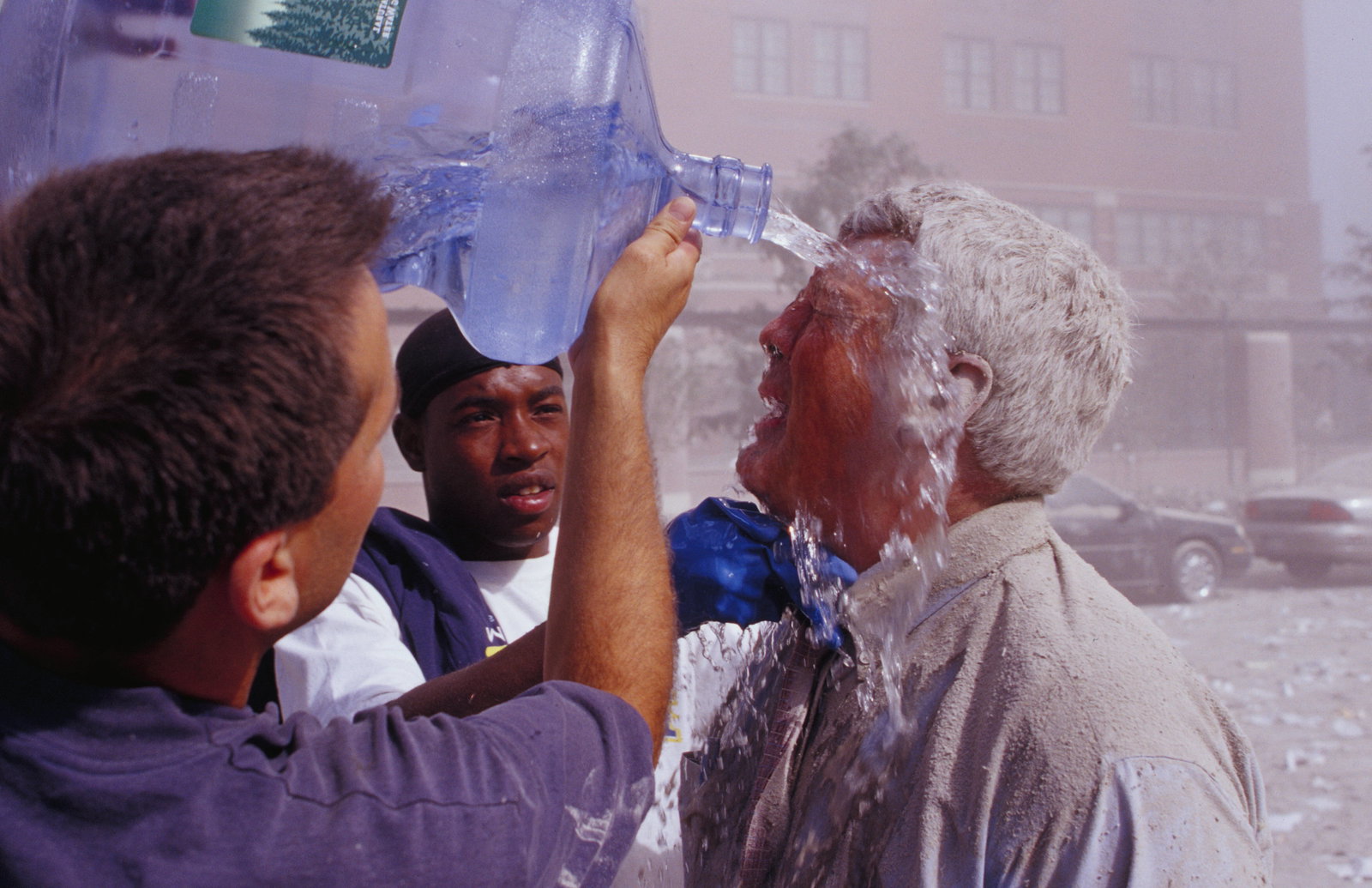
The narrative balances forensic deduction with systemic critique, confronting how society frequently abandons its former soldiers. Ultimately, the episode restores honor to a selfless hero, proving that truth and dignity can emerge from the darkest chapters of history.
2. Rescue Me - Guts (Season 1, Episode 1)
Trauma does not knock politely before tearing down the lives of New York City's bravest. In the series premiere of Rescue Me, veteran FDNY firefighter Tommy Gavin steps up to speak before a room of new academy recruits. Rather than delivering a routine speech on bravado, the troubled protagonist brutally strips away any romanticized views of the job by detailing the horror of recovering only his cousin's single severed finger from the Ground Zero wreckage. That visceral confession instantly sets a heavy tone for a story anchored in post-9/11 grief and survivor's guilt.
The narrative shifts to highlight the dark coping mechanisms and psychological burden carried by first responders every day. Tommy's speech ends up leaving an indelible mark on the recruits, establishing a grim reality where wearing the uniform means living forever in the long shadow of sacrifice. The episode pulls no punches in showcasing the destructive side of suppressed pain, forcing audiences to see beyond the myth of invulnerability. It serves as a stark reminder of the hidden personal toll paid by survivors.
3. Billions - Yum Time (Season 1, Episode 3)
Grief has a way of resurfacing at the worst possible moment for those trying to keep their past buried. In Billions, hedge fund titan Bobby Axelrod built much of his mystique on having survived September 11 — his partner and close friend Dean "Rake" Ackerman was k***** at the World Trade Center that day, a loss that still shadows Axelrod's public image as a self-made "man of the people." That carefully managed narrative comes under threat in Yum Time when Rake's widow, June, reveals she is writing a memoir that could expose uncomfortable truths about what really happened between the two men that morning.
The episode juxtaposes this looming personal reckoning with Axelrod's activist campaign to seize control of a struggling snack-food company's board, drawing a sharp line between the ruthless calculation he applies to business and the guilt he can't fully outrun in his personal life. The tension over the memoir adds a quiet, simmering dread beneath the episode's boardroom maneuvering, suggesting that no amount of wealth or power can fully insulate Axelrod from his past. It is a smaller, subtler use of 9/11 than an outright flashback — but it shows how the tragedy continues to define a character who has spent years trying to control its story.
The plot dives into the moral decay behind his wealth, dismantling his public image to reveal a terrifying level of corporate greed. Axelrod's cold calculations drive the entire narrative forward, showcasing how personal gain can flourish out of widespread disaster. The final moments present an uncomfortable look into high finance, forcing the audience to grapple with the chilling ethics of a man who built an empire on extreme tragedy. The episode challenges traditional hero narratives by centering a character who exploited tragedy for power, demonstrating how catastrophic events can unleash predatory instincts.
4. The West Wing - Isaac and Ishmael (Special episode)
Uncertainty grips the nation's capital when an unexpected security lockdown traps everyone in place. Conceived as an out-of-continuity play shortly after September 11, this unique episode of The West Wing confines a visiting group of high school students inside the White House alongside senior staff members like Chief of Staff Leo McGarry and Deputy Chief of Staff Josh Lyman. The narrative bypasses standard political drama to create an impromptu classroom where the advisors walk the youth through the complex roots of terrorism, geopolitical history, and civil liberties.
Highlighting the vital difference between peaceful religious devotion and radical extremism, the dialogue tackles heavy real-world fears without relying on simplistic slogans. The story shifts focus from fear to active education as the administration officials break down overwhelming global events into accessible lessons. As the lockdown finally lifts, the plot closes on a note of thoughtful civic unity, proving that reasoned understanding remains a vital counterweight to blind panic. This hour stands out as a compassionate intellectual refuge during a period marked by overwhelming confusion and national anxiety.
5. Battlestar Galactica - 33 (Season 1, Episode 1)
Desperation settles over the remnants of humanity as an invisible enemy relentlessly tracks their every move. Acting as a transparent allegory for post-9/11 fear, the premiere of Battlestar Galactica, widely considered the definitive post-9/11 sci-fi series, forces military commander William Adama and President Laura Roslin to lead the surviving human fleet through hyperspace jumps every thirty-three minutes to stay ahead of their pursuers. Operating under severe sleep deprivation, the leaders and crew face impossible moral choices that test the absolute limits of their humanity.
The plot steadily heightens the claustrophobic dread, showcasing how constant threat erodes basic trust, safety, and ethics. Stripping away real-world politics allows the narrative to focus squarely on the raw psychological toll of living under permanent terror. The episode concludes with the fleet narrowly escaping once more, leaving behind a haunting picture of survival where peace is entirely out of reach. The unrelenting tension forces characters to sacrifice their ideals for raw endurance, capturing the paranoia of a society under siege. It offers a bleak, powerful vision of human vulnerability.
6. CSI: NY - Indelible (Season 8, Episode 1)
Scars run deep across New York City when past memories resurface on a solemn anniversary. Marking ten years since September 11, this episode of CSI: NY moves away from traditional forensic cases to trace the personal histories of the crime lab team through quiet flashbacks. The central narrative focuses on lead detective Mac Taylor's enduring grief over his wife Claire's death at Ground Zero, while contrasting it with lab technician Adam Ross's secret burden of guilt for sleeping through the entire crisis.
NEW YORK, NY - SEPTEMBER 11: A Couple pictured as thousands gathered at the 9 11 memorial to commemorate the 24th anniversary of the terror attacks on September 11, 2025 in New York City. Copyright: xKatiexGodowskix
NEW YORK, NY - SEPTEMBER 11: A Couple pictured as thousands gathered at the 9 11 memorial to commemorate the 24th anniversary of the terror attacks on September 11, 2025 in New York City. Copyright: xKatiexGodowskix
The episode shifts between these personal timelines to explore how different people carry collective urban trauma over a decade. By highlighting both dramatic loss and the subtle guilt of non-participation, the plot frames the tragedy as a shared human experience. The story wraps up with a quiet moment of unity among the detectives, emphasizing that memory and mutual support are the only ways to move forward. The emotional weight relies heavily on unspoken understanding, illustrating how lingering sorrow reshapes personal identities over time.
7. Becker - Subway Story (Season 6, Episode 12)
Silence carries immense weight in a city moving forward through unspoken grief. This episode of Becker finds the perpetually misanthropic general practitioner Dr. John Becker trapped in a maze of underground transit delays alongside an elderly passenger named Naomi. As Naomi struggles to navigate toward the Chambers Street station, her disorientation continually derails Becker's schedule, causing him to miss an important dinner with an old medical colleague. His mounting annoyance vanishes the moment they reach their destination, where Naomi freezes with fear at the exit stairs.
NEW YORK, NY - SEPTEMBER 11: Thousands gathered at the 9 11 memorial to commemorate the 24th anniversary of the terror attacks on September 11, 2025 in New York City. Copyright: xKatiexGodowskix
NEW YORK, NY - SEPTEMBER 11: Thousands gathered at the 9 11 memorial to commemorate the 24th anniversary of the terror attacks on September 11, 2025 in New York City. Copyright: xKatiexGodowskix
ADVERTISEMENT
Article continues below this ad
She tearfully reveals that her son perished on a "beautiful September day" moments after calling her from his high-rise workplace, leaving her terrified to confront the altered cityscape above. The narrative avoids direct references to the day of 9/11 on which she lost her son, instead relying on raw human vulnerability to communicate devastating loss. Transformed by her confession, the normally abrasive physician abandons his resentment, gently comforting Naomi and walking beside her as she steps into the light to face the lingering void on the horizon.
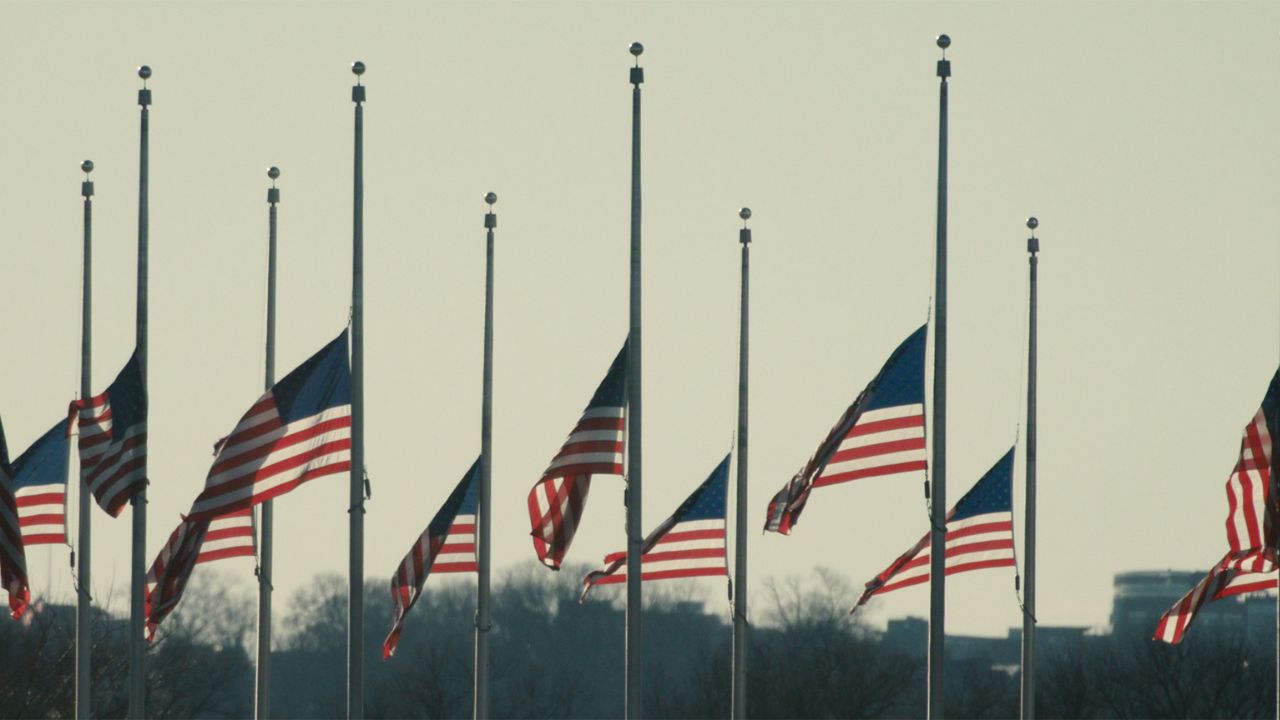
While there are several documentaries and films dedicated to 9/11 that you can watch, these seven television episodes offer a uniquely powerful masterclass in handling tragic historical trauma. By trading grand political statements for intimate human struggles, quiet reflections, and raw psychological truth, they capture the lasting weight of September 11 from astonishingly distinct angles.
ADVERTISEMENT
Article continues below this ad
Which of these television episodes captured the lingering emotional impact of 9/11 most powerfully for you? Let us know in the comments.
ADVERTISEMENT

Edited By: Aliza Siddiqui
More from Netflix Junkie on Hollywood News








ADVERTISEMENT