
7 Biggest Mistakes Hollywood Made With 'Star Trek' That Ruined The Franchise
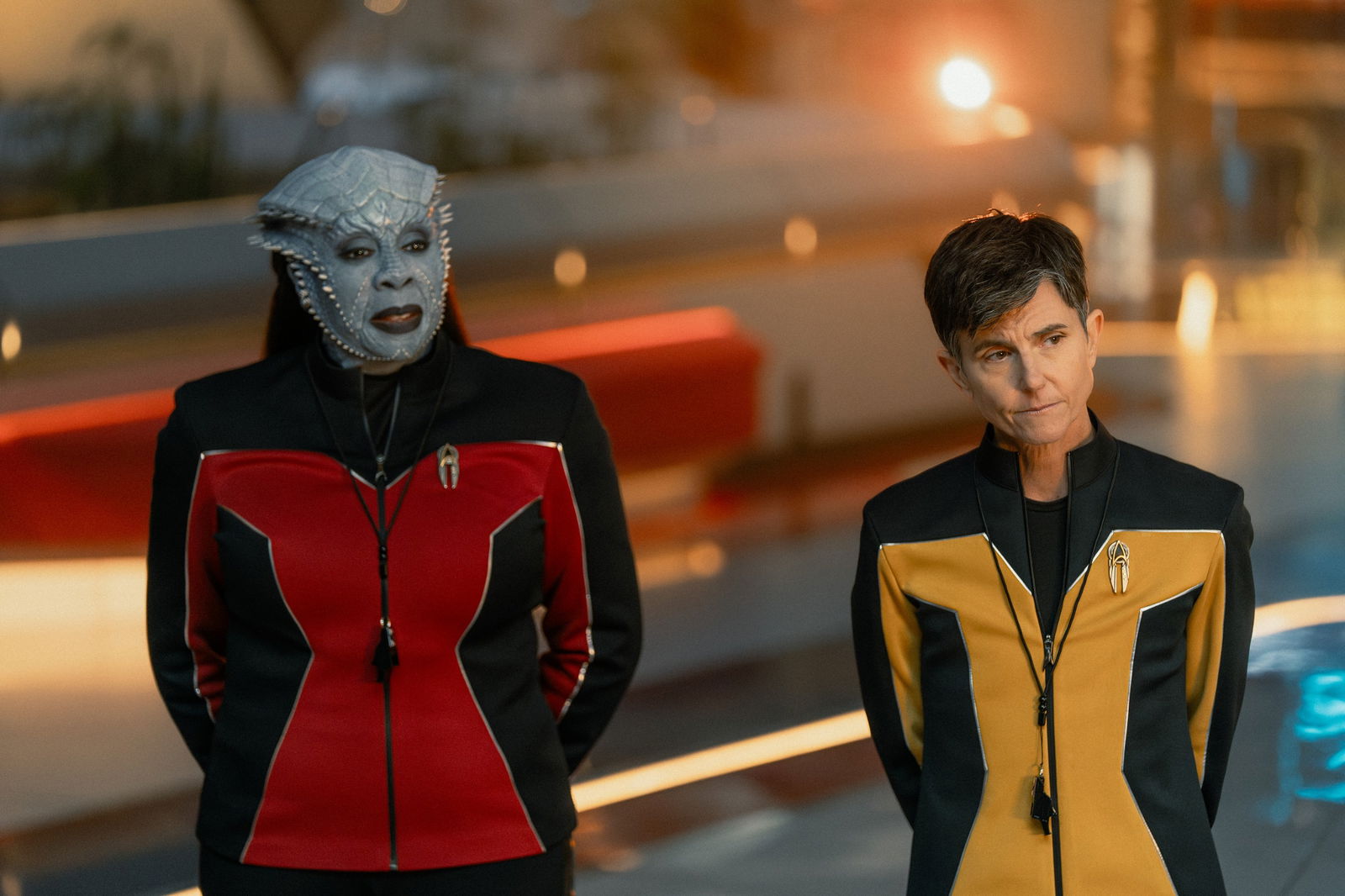
Credits: John Medland/Paramount+.
Credits: John Medland/Paramount+.
For many years, Star Trek was different from other sci-fi franchises because it raised many ethical issues about humanity and the future. However, over time, it drastically changed, and at some point down the road, Star Trek seems to have forgotten the reason why it was unique among its fans, as they started to be disappointed by what the franchise had become. Additionally, various factors have resulted in the franchise losing its original charm and becoming unrecognizable.
As the franchise shifted to more action-packed series, it began the change that altered Star Trek forever.
1. Turning Star Trek into an action franchise
Star Trek was founded by Gene Roddenberry as a medium for ideas. It discussed serious themes, such as war, racism, diplomacy, artificial intelligence, and philosophy, through individual episodes. However, Star Trek started to become increasingly dependent on Hollywood traditions and used a large number of explosions and action scenes.
The emphasis on actions was particularly obvious in the seasons created within the reboot era. While action scenes could attract mainstream viewers, they made Star Trek less unique compared to other blockbuster sci-fi franchises. This resulted in many people finding it harder to distinguish between Star Trek and other science fiction shows because the difference had disappeared.
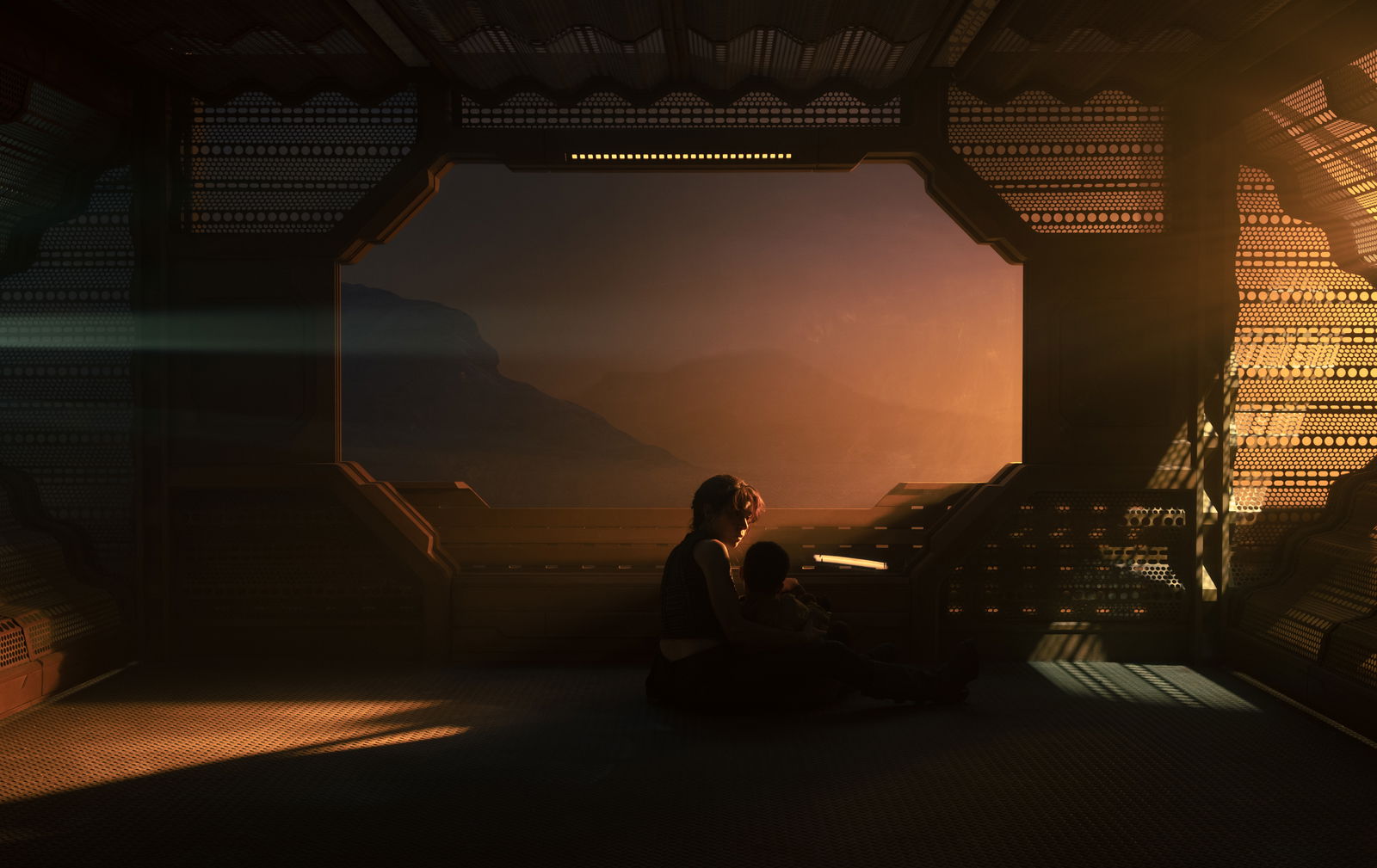
Furthermore, rather than creating something new, Hollywood kept referring to its own past.
2. Falling into the Khan nostalgia trap
Star Trek Into Darkness was the most obvious example of Hollywood’s dependence on nostalgia. Instead of coming up with a new memorable villain, the film rehashed Khan and reinvented moments from The Wrath of Khan. The movie did not contribute to the mythology of Star Trek, but looked to the past, and used the success of the past to create interest in the audience.
The reliance on Khan was symptomatic of a bigger issue, which was Hollywood’s tendency to return to familiar stories instead of trying something new. The film wasted an opportunity to introduce a new threat that could have shaped the future of Star Trek, instead using one of the franchise’s most iconic villains to do it. For many critics, it was a sign that nostalgia was beginning to trump innovation.
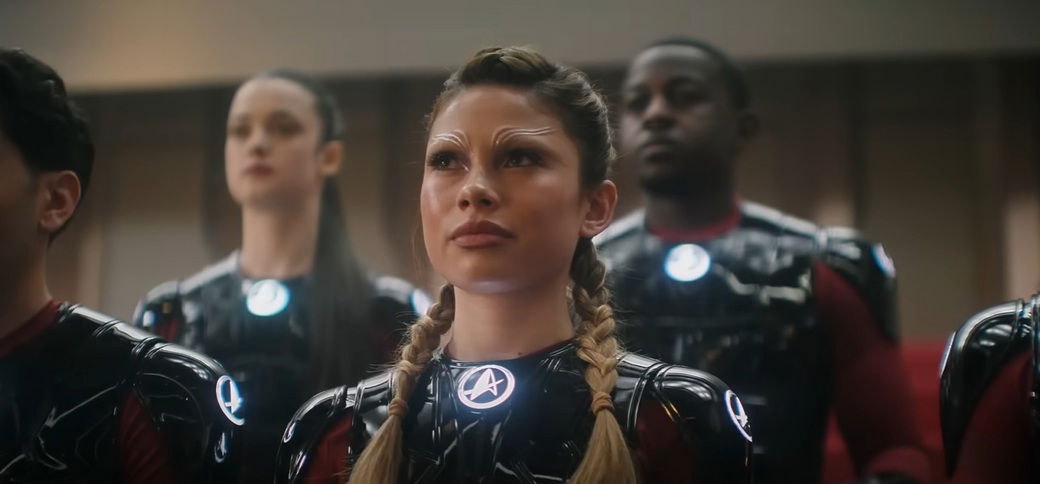
One controversial creative decision rewrote decades of history and fundamentally changed the franchise's direction.
3. To start over rather than to continue
Rather than continuing the story, the 2009 reboot used time travel to create an alternate timeline. The move made things easier for new fans but alienated many long-time fans from the universe they had been following for years. Star Trek reportedly turned away from deep storytelling and toward reinvention, like making Star Trek: Starfleet Academy.
Moreover, the new reboot caused a rift between the old and the new audience, with the latter being unfamiliar with years of accumulated history and lore. Though the alternate timeline allowed the creative team to experiment, it downplayed the significance of the continuity that made the Star Trek universe so rich. To many viewers, the reset did not appear as an evolution of the series, but rather as something quite different from it.
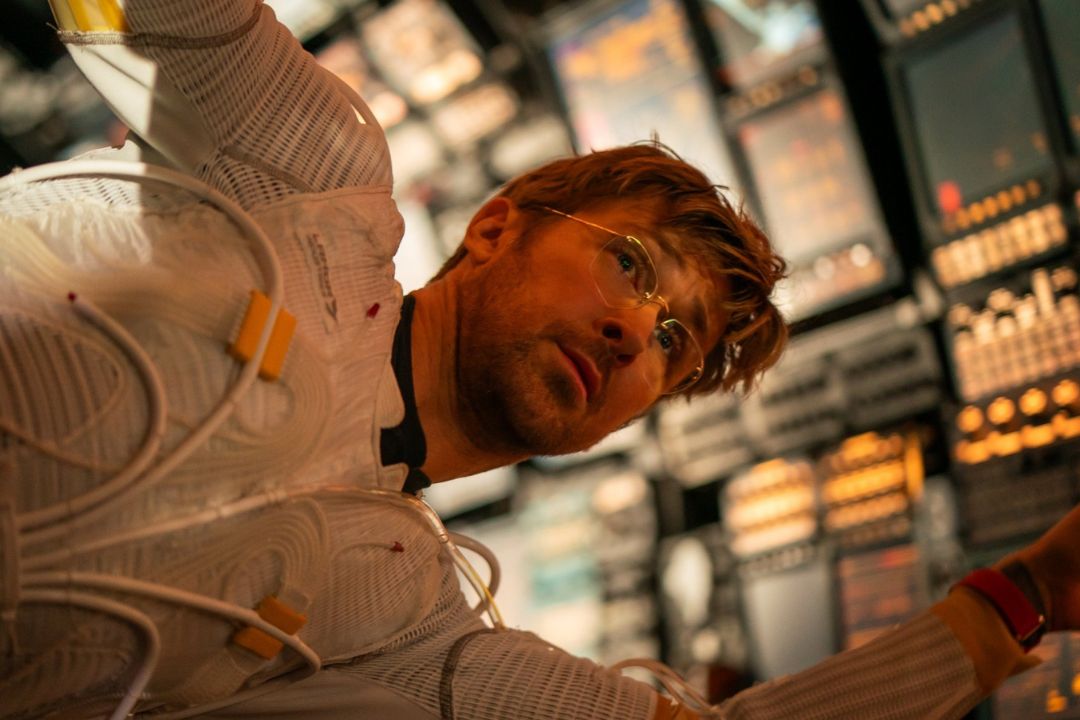
However, what probably stands out most is the change of attitude regarding optimism.
4. Loss of optimism in Star Trek
Optimism is the hallmark of the Star Trek. It covered themes like man must try to overcome his imperfections and build a perfect world for everyone to live in peace. There is a lot of optimism in Star Trek about humanity’s future.
But as it developed further, it got more cynical and pessimistic, making it more similar to other movies and series of the same genre. It always seemed different because it imagined a future in which humanity had largely solved its biggest problems. The makers gave up on that hopeful outlook and lost one of the core ideas that inspired generations of viewers to the franchise.
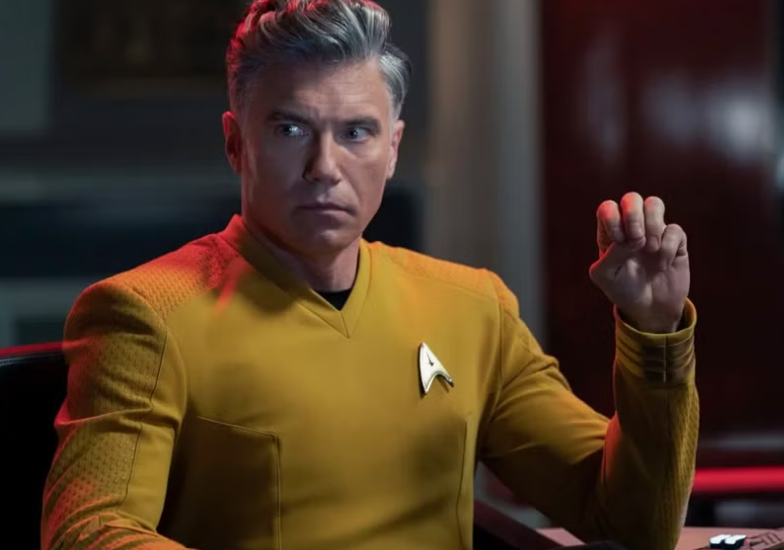
Behind the scenes, uncertainty and abandoned projects created problems that were just as damaging as those on screen.
5. Lacking a proper road map
The stories that were developed after 2016’s Star Trek Beyond faced issues. Several film projects were announced and later shelved, including a concept from Quentin Tarantino and numerous Kelvin Timeline sequels. A lack of a clear roadmap hurt the momentum and fans' confidence.
Without a clear creative vision, Star Trek’s cinematic prospects seemed more uncertain than ever. The constant churn of announcements and cancellations made it seem like no one really knew the direction of the film franchise. Where major cinematic universes had defined plans, Star Trek often felt haphazard.

As the franchise grew larger in scale, one of Star Trek's most important traditions quietly faded into the background.
6. Scaling back on exploration for crisis plots
Discovery drove the classic franchise as it was built on new worlds, new cultures, and new ethical dilemmas. Now, many modern films of the franchise have turned to galaxy-ending threats, revenge stories, and disaster scenarios, pushing exploration to the side. In this way, the franchise moved away from the sense of curiosity and wonder.
The emphasis on endless high-stakes crises also felt repetitive at one point. Earlier episodes of Star Trek sought to find conflicts in first contact situations, culture clashes, and tough moral decisions rather than galactic disasters. However, the recent franchise seemed too concerned about saving the galaxy to give any thought to the exploring nature that once defined the franchise.
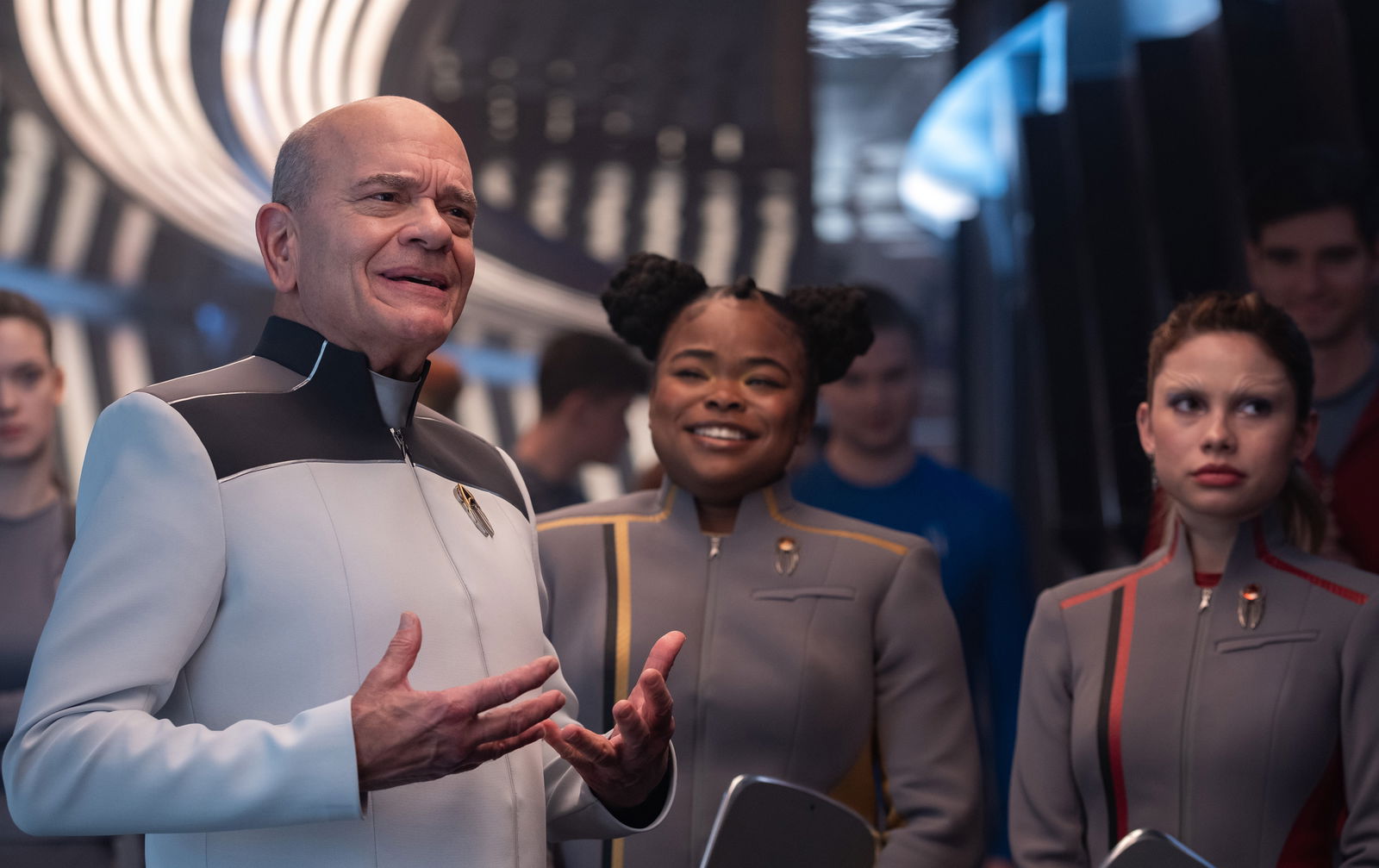
Another aspect that changed dramatically is that of the franchise’s most celebrated characters.
7. Turning iconic characters into generic heroes
Captain Kirk and Spock felt so iconic because of their intellects, diplomatic abilities, and curiosity. However, because of Hollywood’s insistence on heroism, they became mere stereotypes rather than the interesting characters they had once been. This evolution was especially noticeable in Captain Kirk.
He became an action hero in contrast to the thoughtful tactician he used to be in the original series. The cast was familiar, yet it was their physical strength rather than intellect and philosophy that came into focus. Hence, some of the most memorable Star Trek characters became mere stereotypes of blockbusters.
Star Trek is undoubtedly among the most influential science fiction film franchises, but decisions made by Hollywood have gradually distanced Star Trek from the characteristics it was famous for. From emphasizing action and nostalgia to undermining the sense of optimism and strategic thinking, Star Trek became primarily preoccupied with commercial aspects. It still has passionate fans, but its cinematic journey reminds them that a franchise’s greatest strength is not its brand recognition, but the ideas and vision that inspired audiences in the first place.
What do you think was the single biggest mistake that pushed Star Trek away from the vision that made it a science-fiction icon? Let us know in the comments.

Edited By: Hriddhi Maitra
