
7 Best Documentaries of 2026 That Are Worth Watching
Credits: Netflix
Credits: Netflix
Non-fiction storytelling remains humanity's most potent mirror, holding up raw truths and unfiltered human experience in ways scripted drama rarely can. Documentaries do more than simply archive events; they strip away noise, challenge long-held perceptions, and force us to sit with reality in its unvarnished beauty, terror, or historical weight. The 2026 documentary slate stands out as a landmark year for the genre, driven by unprecedented archival restoration, deeply personal retrospectives, and urgent inquiries into our technological future.
Streaming platforms have embraced this renaissance, offering audiences an extraordinarily diverse catalog of non-fiction masterworks. Among this year's expansive releases, seven standout titles emerge as essential viewing, each capturing a pivotal facet of culture, history, survival, or human ambition that defines our current era.
1. Mel Brooks: The 99 Year Old Man! (HBO Max)
ADVERTISEMENT
Article continues below this ad
How do you celebrate almost a century of redefining comedy without turning the tribute into a dry history lesson? Helmed by comedy heavyweights Judd Apatow and Michael Bonfiglio, Mel Brooks: The 99 Year Old Man! tackles this question by turning the camera directly on the legendary EGOT winner himself. Spread across two exhaustive, joyously paced parts, the film moves chronologically through Brooks’ life, tracing his roots from World War II to writing room breakthroughs alongside Sid Caesar, and ultimately to cinematic landmarks like Blazing Saddles and The Producers.
Rather than relying solely on past clips, Apatow and Bonfiglio weave intimate sit-down conversations with Brooks alongside tributes from modern comedic titans including Jerry Seinfeld, Dave Chappelle, and Sarah Silverman. The documentary grapples with themes of creative audacity, grief, and the therapeutic power of humor during dark times.
It stands out as an essential watch because it captures the fading era of classic comedy through its last living architect, offering a masterclass in how laughter can dismantle trauma and outlast time itself.
2. Paul McCartney: Man on the Run (Prime Video)
What happens after you reach the absolute pinnacle of global stardom, only to watch it collapse overnight? Oscar-winning filmmaker Morgan Neville dives into this vulnerable void with Paul McCartney: Man on the Run, examining the messy, crucial decade following the painful breakup of The Beatles. Rather than rehashing Beatlemania, Neville centers the narrative on McCartney’s psychological reset as he retreats to the countryside and constructs Wings from scratch.
The film exposes the self-doubt, critical bashing, and intense creative friction that defined this era, utilizing unreleased home audio and candid footage. Themes of reinvention, artistic resilience, and partnership dominate the screen, highlighting Linda McCartney’s vital role as both anchor and collaborator. Neville’s direction gives the narrative a distinct, intimate rhythm that mirrors the musician's search for identity outside the shadow of the world's biggest band. It is a vital portrait of creative survival, proving that true artistry lies in the bravery to start over from zero.
3. Kidnapped: Elizabeth Smart (Netflix)
True-crime storytelling often risks sensationalism, but Kidnapped: Elizabeth Smart flips the script by completely shifting the lens from the perpetrator to the survivor. Centered around the harrowing 2002 abduction of 14-year-old Elizabeth Smart from her Salt Lake City bedroom, this feature-length film bypasses cheap shock value to deliver a rigorous, survivor-led account. Through meticulous archival analysis, police records, and unprecedented interviews with Smart herself, the documentary unpacks the nine agonizing months of captivity under self-proclaimed prophet Brian David Mitchell.
Credits: Netflix
Credits: Netflix
It explores complex themes of psychological control, institutional trauma, faith, and the immense burden placed on young victims in the public eye. By giving Smart complete narrative agency, the film serves as a powerful examination of endurance and victim advocacy. Its importance lies in setting a new standard for true-crime media, demonstrating how trauma can be documented with deep respect, historical clarity, and profound emotional intelligence.
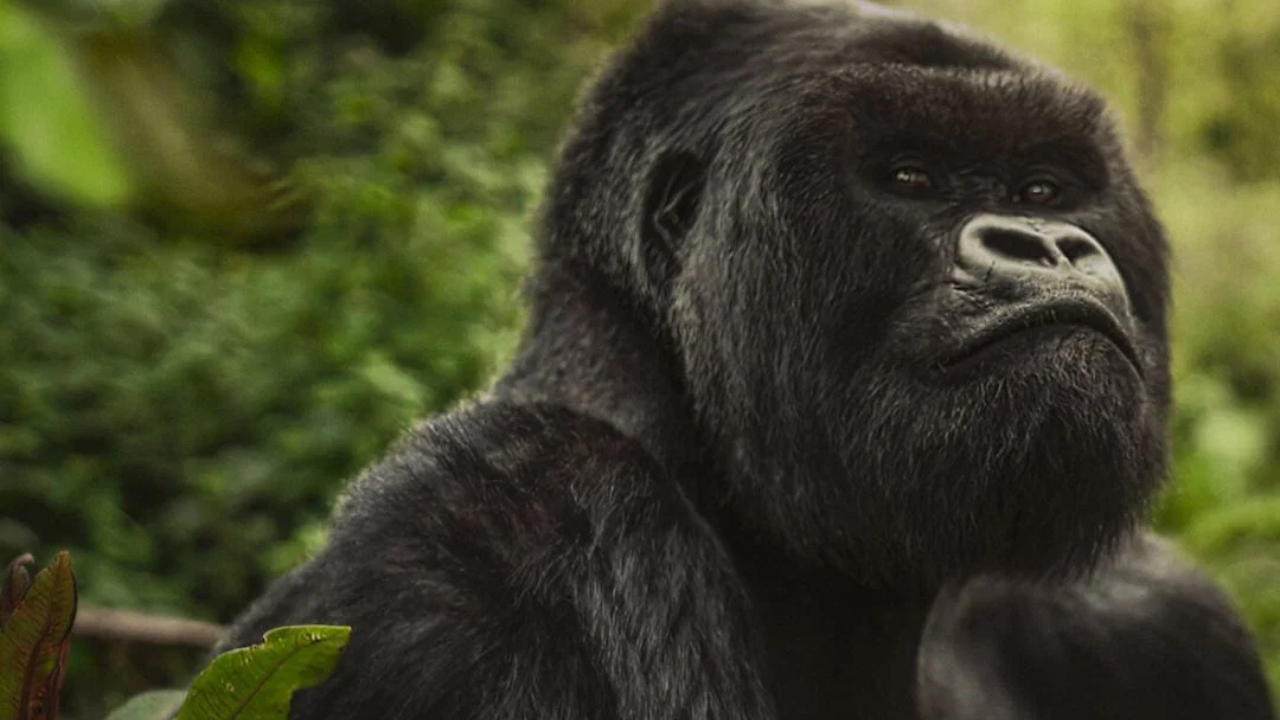
4. The Dinosaurs (Netflix)
Imagine stepping back 165 million years to witness Earth’s grandest predators not as fantasy monsters, but as living, breathing wildlife. Under the visionary guidance of executive producer Steven Spielberg and guided by the commanding narration of Morgan Freeman, The Dinosaurs elevates prehistoric science into a majestic four-part visual chronicle. Leveraging groundbreaking CGI technologies alongside the latest paleontological discoveries, the series treats the Mesozoic era as a blue-chip nature documentary.
Credits: Netflix
Credits: Netflix
Each episode moves through intricate ecosystems, detailing predator-prey dynamics, environmental adaptation, and the sheer fragility of ancient life. Themes of evolutionary resilience, climate flux, and planetary history underpin every breathtaking sequence. Spielberg’s cinematic instinct brings emotional depth to creatures long confined to museum halls, making their struggles feel extraordinarily immediate. It bridges cutting-edge visual technology with rigorous scientific truth, reminding viewers of humanity’s brief place within Earth’s vast biological timeline.
5. EPiC: Elvis Presley in Concert (Paramount+)
Stripping away decades of tabloid myths and posthumous commercialization, EPiC: Elvis Presley in Concert restores the King of Rock 'n' Roll to his most potent form: an unadulterated live performer. Built from meticulously restored, previously unreleased concert recordings and audio tracks, the film dispenses with talking-head commentators altogether. Instead, the narrative is guided entirely by Presley’s own recorded voice, allowing his personal reflections to frame his electrifying stage presence.
The documentary delves into the intense physicality of his performances, his deep roots in gospel and blues, and the claustrophobic pressures of mid-century mega-fame. By prioritizing raw audio fidelity and primary archival sources, the film explores themes of artistic isolation, cultural synthesis, and the transcendent nature of live performance. It stands as an essential historical artifact, offering audiences an unmediated, deeply authentic encounter with a musical icon at the height of his powers.
6. RAFA (Netflix)
Behind every champion’s glory lies an unseen endurance test fought against one's own breaking body. RAFA captures this brutal reality across four intimate episodes, chronicling Rafael Nadal’s final year on the professional tennis tour. Combining behind-the-scenes access with raw, reflective sit-downs alongside Nadal, his family, and legendary rivals like Roger Federer and Novak Djokovic, the series dissects what it takes to sustain elite excellence across two decades.
Rather than focusing purely on grand slam victories, the narrative probes the psychological weight of chronic pain, aging, and the impending end of an era. Themes of obsession, sportsmanship, and mortality dominate every frame, capturing the grueling regimen required to remain competitive at the highest level. The documentary’s significance rests in its unfiltered honesty; it strips away the glamorous veneer of professional athletics to showcase the sheer willpower, sacrifice, and vulnerability required to say goodbye to a lifelong passion.
7. The AI Doc: Or How I Became an Apocaloptimist (Apple TV+)
Are we engineering our own replacement, or laying the groundwork for a utopian leap forward? Oscar-winning director Daniel Roher (Navalny) joins forces with Charlie Tyrell in The AI Doc: Or How I Became an Apocaloptimist to probe the most urgent existential debate of our time. Framing the investigation around Roher’s imminent journey into fatherhood, the film brings an intensely human, grounded perspective to artificial intelligence.
ADVERTISEMENT
Article continues below this ad
The directors travel globally to interview top computer scientists, ethicists, and tech moguls, weighing apocalyptic warnings against transformative medical and societal breakthroughs. Themes of human consciousness, economic disruption, ethics, and parental anxiety run throughout the narrative. Roher’s background in high-stakes political filmmaking lends the project a tense, investigative sharpness that cuts through tech-industry hyperbole. It avoids sensational doom-mongering, offering a balanced, emotionally grounded roadmap for navigating humanity's most transformative technological leap.
These seven masterworks define non-fiction cinema by capturing everything from the unfiltered laughter of a comedy titan to the groundbreaking wonders of prehistoric Earth. Fearlessly probing historical legacy, survival, and our uncharted digital future, they offer an essential lens on the human story.
ADVERTISEMENT
Article continues below this ad
Which of these 2026 documentaries are you adding to your watchlist first? Let us know in the comments below!
ADVERTISEMENT

Edited By: Aliza Siddiqui
More from Netflix Junkie on Hollywood News








ADVERTISEMENT