
Sandra Hüller Reveals Why Small Creative Shifts Made All the Difference in ‘Fatherland’

Berlin Berlinale, 76 Berlin International Film Festival 2026 Photo Call ROSE Sandra Hüller Actress Actor Berlinale, 76 Berlin International Film Festival 2026, 15 02 2026
Berlin Berlinale, 76 Berlin International Film Festival 2026 Photo Call ROSE Sandra Hüller Actress Actor Berlinale, 76 Berlin International Film Festival 2026, 15 02 2026
When tackling the life of a titan of classic literature, actors and filmmakers often feel an immense burden to honor every detail of their real-life experience, sometimes at the expense of cinematic flow. For acclaimed star Sandra Hüller, however, breathing new life into a legendary piece of storytelling required a completely different mindset. And sometimes, it proves to be the best way to respect the legacy of a legend, by giving their story room to breathe on screen.
Discussing her latest project depicting Thomas Mann's return to post-war Germany in Fatherland, the versatile actor recently opened up about why making subtle, intentional tweaks to the actual history proved to be a surprisingly freeing experience.
Sandra Hüller on the creative changes with historical facts in Fatherland
In a recent conversation with BAFTA, discussing her creative approach to Fatherland, Sandra Hüller opened up about why making minor, nuanced alterations to the historical narrative felt deeply liberating. Rather than feeling weighed down by the gravity of Mann's original experience, she embraced the space to experiment with character beats and emotional subtext, allowing the story to breathe in a modern cinematic landscape.
“Well, Pawel Pawlikowski was very open about changing the actual historic events into a story that is happening in the script. I found this decision very liberating and logical in a way,” said the actress.

Credits
Credits
The Anatomy of a Fall star further explains Pawlikowski’s rationale behind this decision. She insisted that the director was of the opinion that the story would never be able to completely encapsulate what he really wants to say about that time if it were just Mann driving through Germany in his car.
She told BAFTA that adding the tragedy around his son Klaus into the mix and the emotions Mann felt at the time really created a great parallel with the situation of a post-war, divided Germany, making it easier to convey all the conflicting emotions to the audience more efficiently.

About the film, the source material of the film, most people confuse it with an adaptation of a literary work on Thomas Mann’s life, but this is not the case here.
Not an adaptation as most people think
Before the film took its final shape, filmmaker Paweł Pawlikowski was initially approached to helm a straightforward cinematic translation of Colm Tóibín's acclaimed biographical novel The Magician, chronicling the life of literary giant Thomas Mann. Opting against a conventional page-to-screen adaptation, Pawlikowski pivoted to a different creative route by collaborating with writer Hendrik Handloegten on an original script.
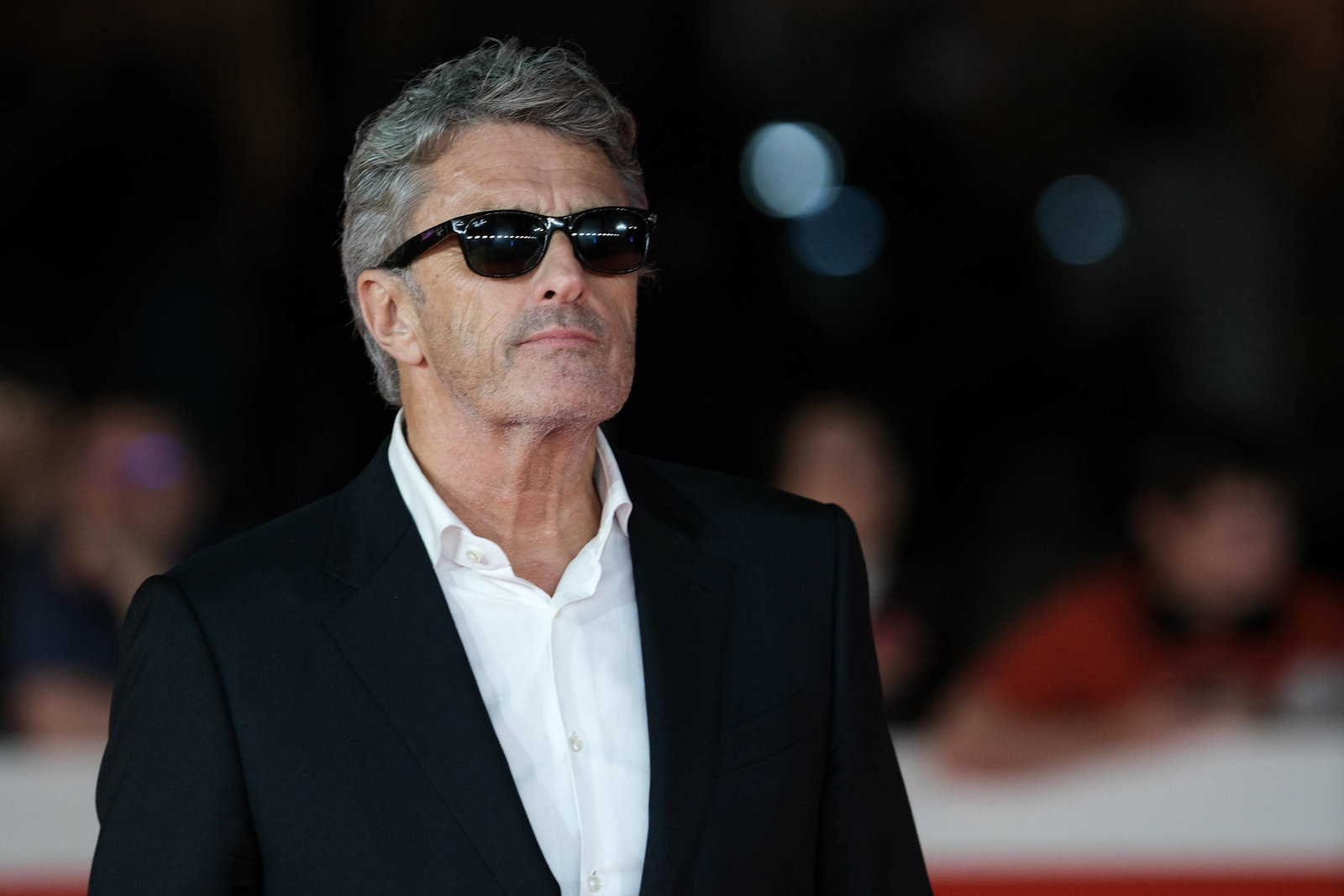
Red carpet for the movie Fatherland in Rome, Italy - 15 Oct 2026 Pawe? Pawlikowski attends the red carpet for Fatherland during the 21st Rome Film Festival at Auditorium Parco Della Musica. Rome Italy
Red carpet for the movie Fatherland in Rome, Italy - 15 Oct 2026 Pawe? Pawlikowski attends the red carpet for Fatherland during the 21st Rome Film Festival at Auditorium Parco Della Musica. Rome Italy
Rather than sticking strictly to a single text, the resulting narrative in Fatherland draws loose inspiration from actual historical events - centering on Mann's genuine, highly publicized 1949 homecoming alongside his daughter Erika (brought to life on screen by Project Hail Mary star Sandra Hüller) as they navigated a fractured, post-war Germany.
Do you think that the creative leeway was warranted and that it worked in favor of the film? Do let us know.

Edited By: Adiba Nizami
