
‘Ruby Ridge’ Documentary Streaming Guide: Where To Watch the PBS Account of the Standoff
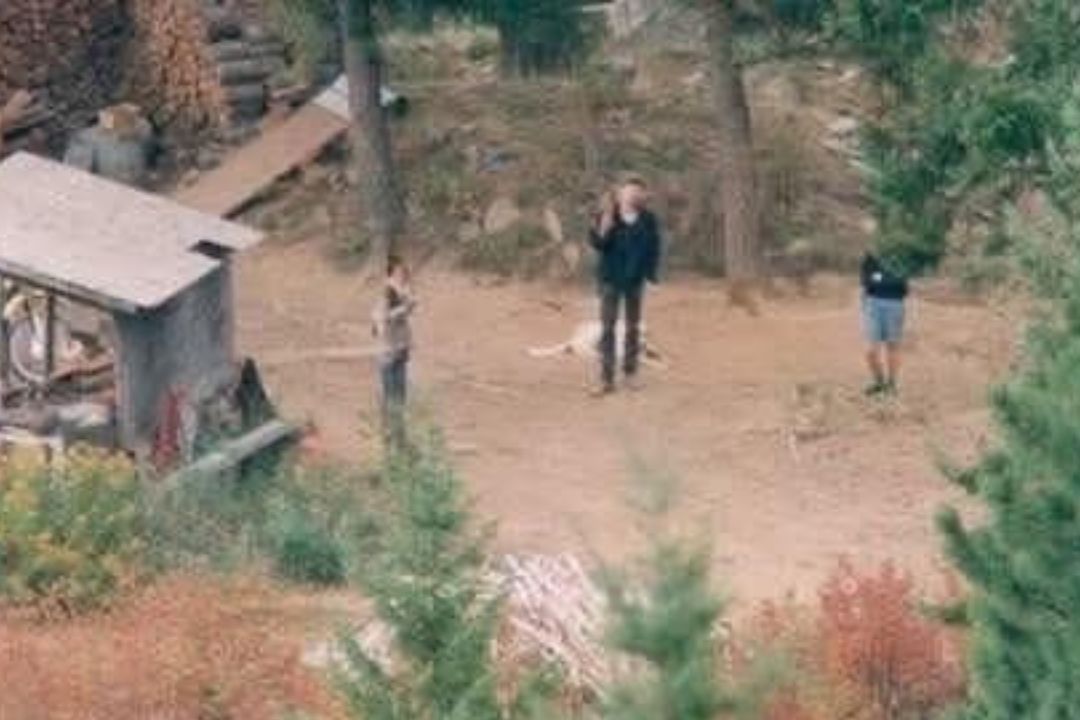
Thirty-three years ago, in 1992, the Ruby Ridge standoff carved a deep fault line into the American psyche. In an era already simmering with anti-government sentiment, it intensified mistrust toward federal authority and law enforcement. What unfolded in the mountains of Idaho would ripple through decades of protest movements, policy debates, and cultural memory.
And now, decades later, that story is being revisited with a measured, almost forensic gaze. The PBS documentary American Experience: Ruby Ridge does not merely recount events, it reconstructs them, threading together memory, testimony, and consequence. Watching it feels less like revisiting history and more like stepping into a slow-burning moral inquiry.
Where to watch American Experience: Ruby Ridge
ADVERTISEMENT
Article continues below this ad
If you are looking to stream the documentary, it is currently available across several major platforms. You can watch it on PBS (often free for members), Prime Video, and Apple TV. For those who prefer to rent or purchase, it is accessible via Amazon, Google Play, and Vudu. Rental prices typically range from $2.99 to $4.99, while purchases can cost around $9.99 to $14.99, depending on the platform and video quality.
The documentary’s premise is rooted in meticulous reconstruction. Shortly before dawn on August 21, 1992, six U.S. marshals approached the Weaver family’s remote cabin in northern Idaho. Randy Weaver, charged with selling two illegal sawed-off shotguns to an undercover agent, had failed to appear in court. What began as surveillance quickly spiraled into violence when a chance encounter triggered a firefight.
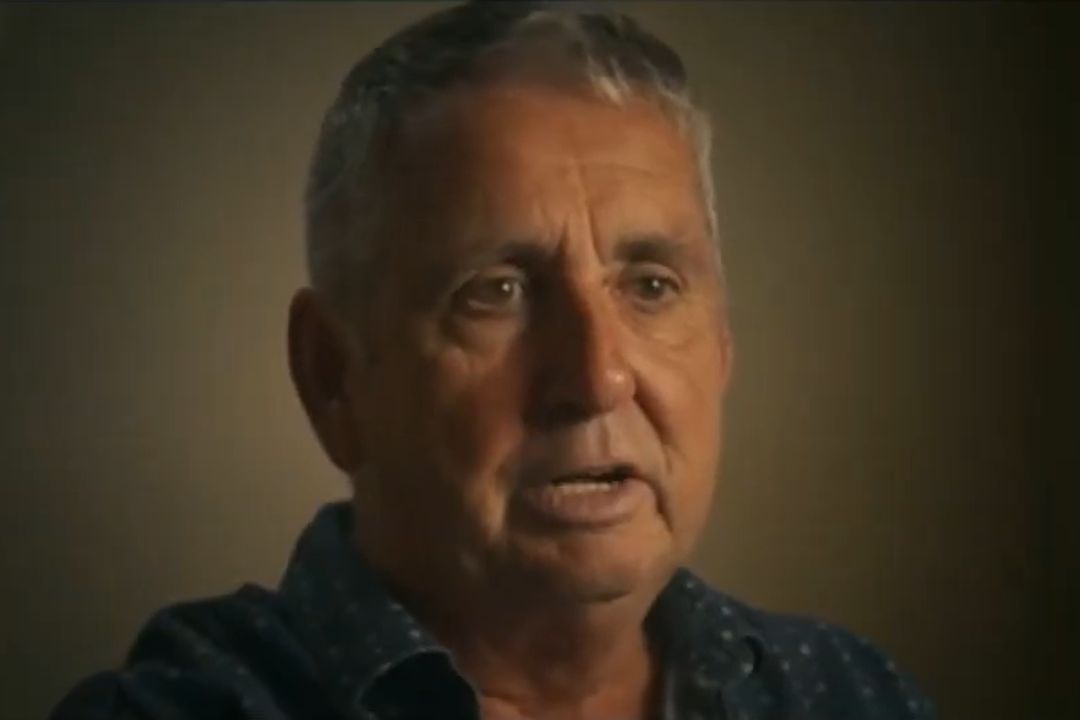
There is a quiet tension in how the documentary unfolds. It suggests that the truth of Ruby Ridge lies not in a single moment of violence, but in the slow accumulation of fear, ideology, and miscalculation.
How the story of Ruby Ridge unfolds on screen
The incident at Ruby Ridge did not emerge in isolation, it became the spark that ignited a broader, more organized wave of anti-government militancy in the United States. The 11-day siege left three dead: Deputy U.S. Marshal William Degan, Randy Weaver’s 14-year-old son, Sammy Weaver, and Randy Weaver’s wife Vicki Weaver and their dog. The aftermath saw sweeping criticism of federal rules of engagement, congressional hearings, and a $3.1 million settlement paid to the Weaver family. For many, Ruby Ridge became shorthand for government overreach; for others, it underscored the volatility of armed defiance.
ADVERTISEMENT
Article continues below this ad
The documentary follows three distinct narratives, each mapping a psychological and chronological descent into conflict. Part One: Suspicion traces the Weaver family’s move to Idaho. Part Two: Confirmation captures the moment when suspicion hardens into inevitability. Part Three: Fear & Faith expands the lens outward. As hundreds of federal agents encircle the cabin, the siege becomes a national spectacle.
The introduction of civilian negotiator Bo Gritz adds an unexpected dimension, blending politics, media, and personal belief systems into an already volatile mix. The resolution, when it comes, feels less like closure and more like exhaustion. In the end, American Experience: Ruby Ridge asks whether the lessons of 1992 were ever fully absorbed, or merely archived.
ADVERTISEMENT
Article continues below this ad
What do you think? Was Ruby Ridge a failure of governance, a tragedy of misjudgment, or something more systemic? Share your thoughts in the comments.
ADVERTISEMENT

Edited By: Hriddhi Maitra
ADVERTISEMENT
ADVERTISEMENT
