
Robert Eggers Reveals Fascinating 14th Century Real Life Inspiration Behind Willem Dafoe’s ‘Werwulf’ Character
via Imago
Credits: Imago
Robert Eggers drew inspiration from one of the most unsettling incidents buried deep in 14th-century history for Willem Dafoe’s character in Werwulf. This does not come as a surprise, considering the director has often leaned on history, folklore, and stories that have been passed down through centuries for his inspiration. And he has done the same for his upcoming film.
If the early glimpses of the horror and supernatural film have already sent chills down the spine, Eggers’ inspiration for the movie will make people even more curious.
Robert Eggers reveals inspiration for Willem Dafoe’s character
ADVERTISEMENT
Article continues below this ad
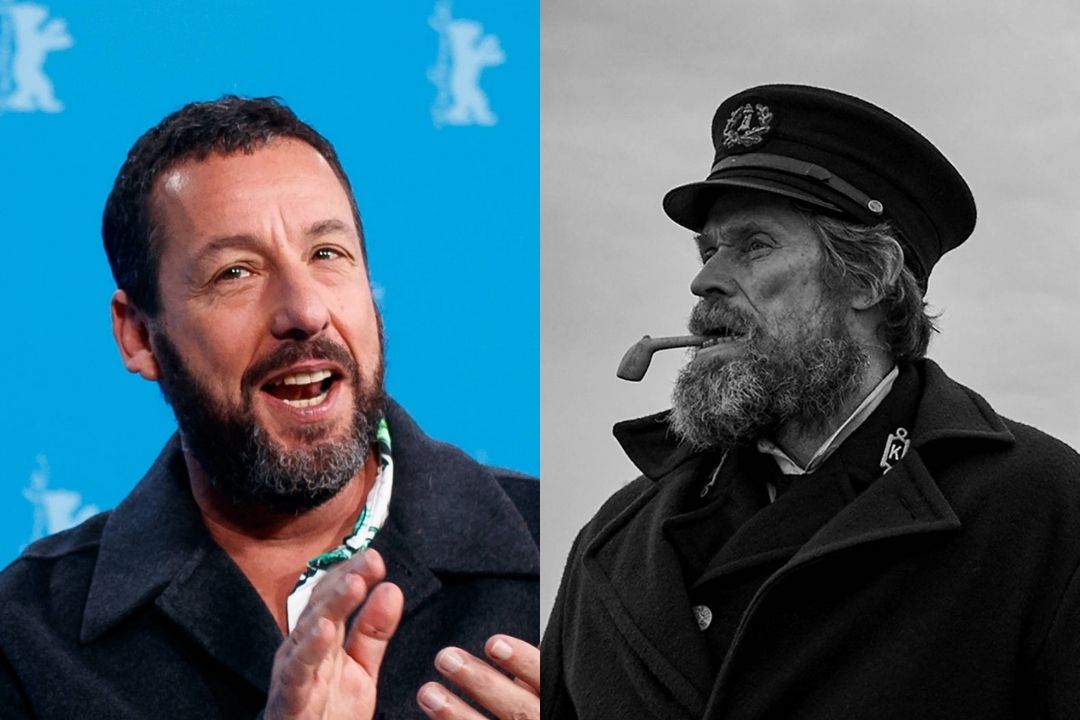
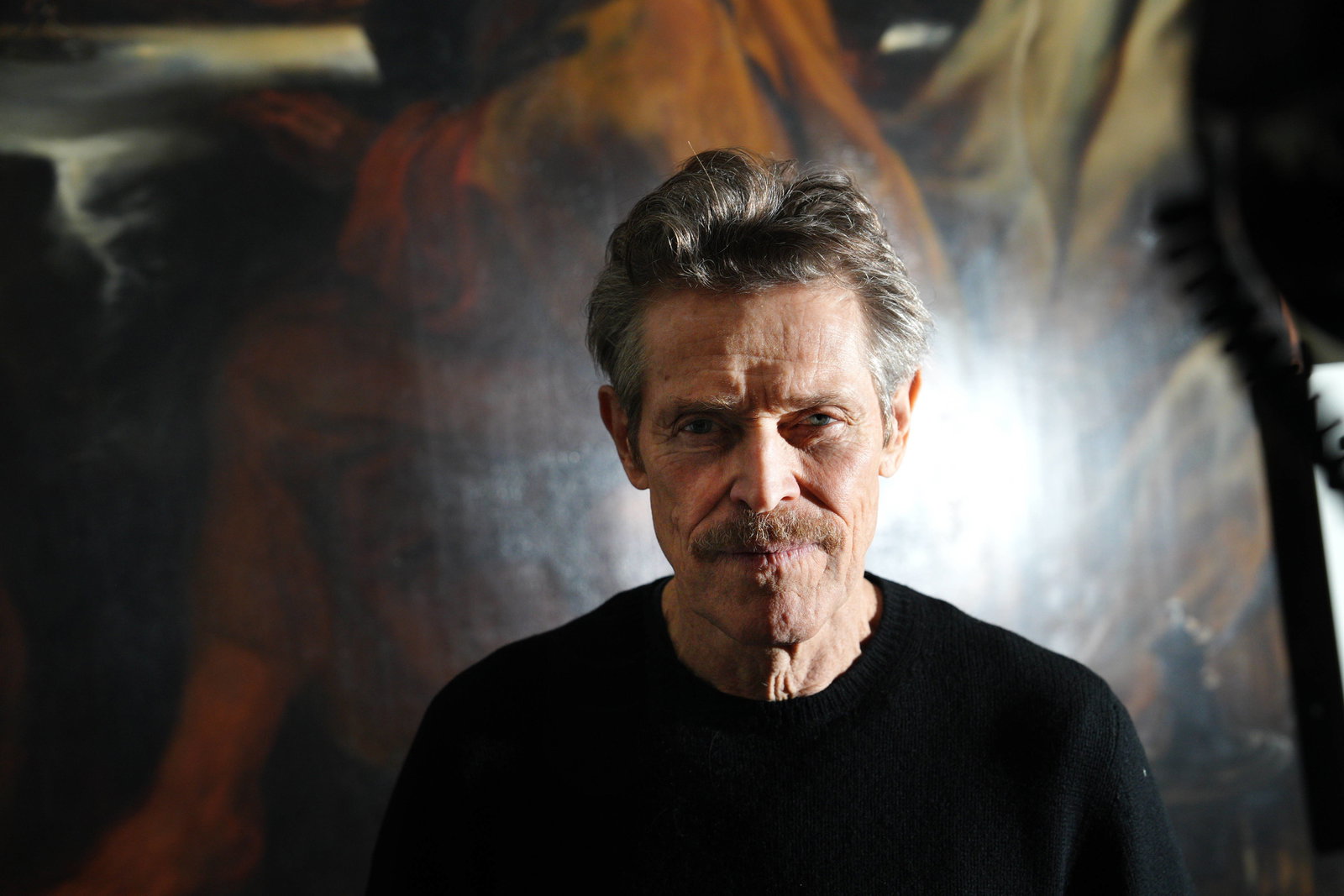
Robert Eggers previously revealed that Willem Dafoe will play the role of a hunter in his upcoming film, Werwulf. Now, the director has shared that Dafoe’s character is based on a real-life hunter from the past. He further revealed that the figure was considered one of the finest hunters of the 14th century.
“Edward I was trying to protect the World Trade around the time of this movie, he sat a campaign to, like, exterminate all the wolves. Actually, Willem’s character is based on a real person who did such a good job that, like, in another 200 years, there were not wolves in England,” he shared.
Milan, Milan, Italy: Milan, Willem Dafoe reads Gabriele Tinti s Judas at the Brera Art Gallery Milan Italy - ZUMAp169 20250405_zea_p169_257
Milan, Milan, Italy: Milan, Willem Dafoe reads Gabriele Tinti s Judas at the Brera Art Gallery Milan Italy - ZUMAp169 20250405_zea_p169_257
During the segment, as shared by Discussing Film, he further shared that the tale of Werwulf cannot happen without the existence of wolves, so the film is set in the 1300s, which is before all the wolves disappeared. These details about the time period further helped Eggers while writing the script. He explained that the world at the time was very primitive, which allowed him to create what he describes as one of his darkest stories yet.
And that effort to reflect the world of that time in the film extended to the language and accents, too.
Robert Eggers needed a dialect coach for Werwulf
Robert Eggers said that he wanted to develop the dialogue in Middle English. That led him and the film’s co-writer, Sjón, to work extensively with experts to create the dialogue. But their work was clearly not over yet.
“We worked with two Oxford professors on the dialogue, which is in Middle English, and then worked extensively with a dialect coach on a way to temper the pronunciation in a way that would be understandable to modern audiences,” Eggers told Esquire.
ADVERTISEMENT
Article continues below this ad
via Imago
Credits: Imago Willem Dafoe, The Lighthouse (2019) Los Angeles CA 34857002THA
Since the director was committed to portraying a crucial period from the past, he wanted to ensure that the dialogue remained true to that time. However, Eggers also had to make sure the language was understandable to modern audiences, as it could otherwise be confusing for viewers. This balance between historical authenticity and accessibility ultimately led to the painstaking process for the writer and director. Now, with real-life inspiration for Willem Dafoe’s character in the film, the dialogue, and much more, Werwulf is promising to be one of the most intriguing horror movies of 2026.
ADVERTISEMENT
Article continues below this ad
What do you think about Robert Eggers' inspiration for Willem Dafoe's character in Werwulf? Let us know in the comments.
ADVERTISEMENT

Edited By: Aliza Siddiqui
More from Netflix Junkie on Hollywood News





ADVERTISEMENT