
‘Resident Evil’ Gets Another Shot As Zach Cregger Takes Charge of the Horror Franchise
via Imago
Credits: IMAGO / Future Image
The first Resident Evil film arrived in 2002 with a kind of clinical confidence that few video game adaptations had managed until then. Backed by Milla Jovovich’s commanding presence and the cold, corporate menace of the Umbrella Corporation, it translated survival horror into something kinetic without losing its edge. It set a commercial benchmark, proving that game-based horror could scale globally.
Franchises like this do not stay buried, they get reopened, re-examined, and inevitably, reimagined. Now, Resident Evil is stepping back into the spotlight with a filmmaker who has built his name on making audiences uneasy in very controlled ways.
A new outbreak under Zach Cregger
ADVERTISEMENT
Article continues below this ad
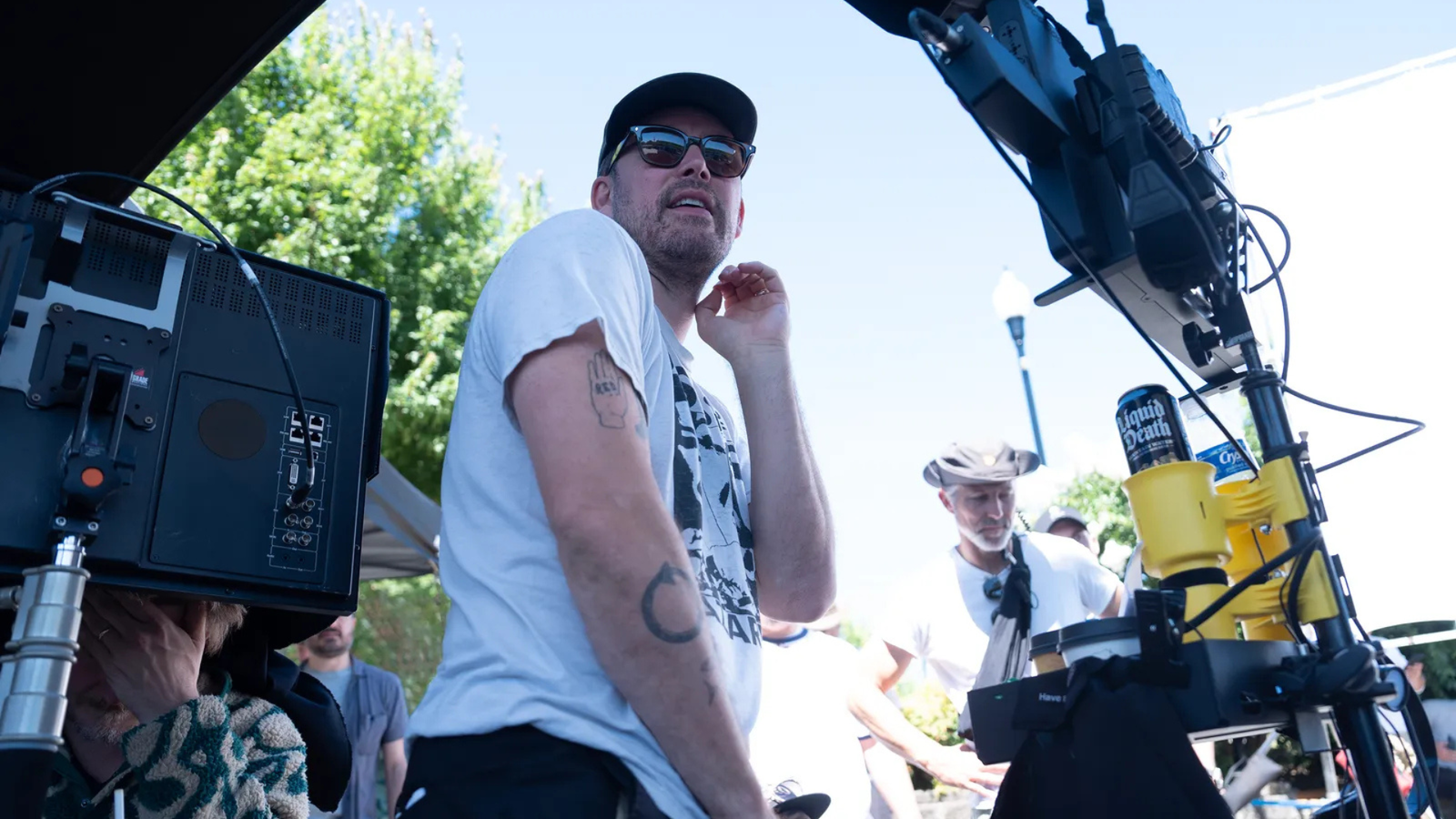
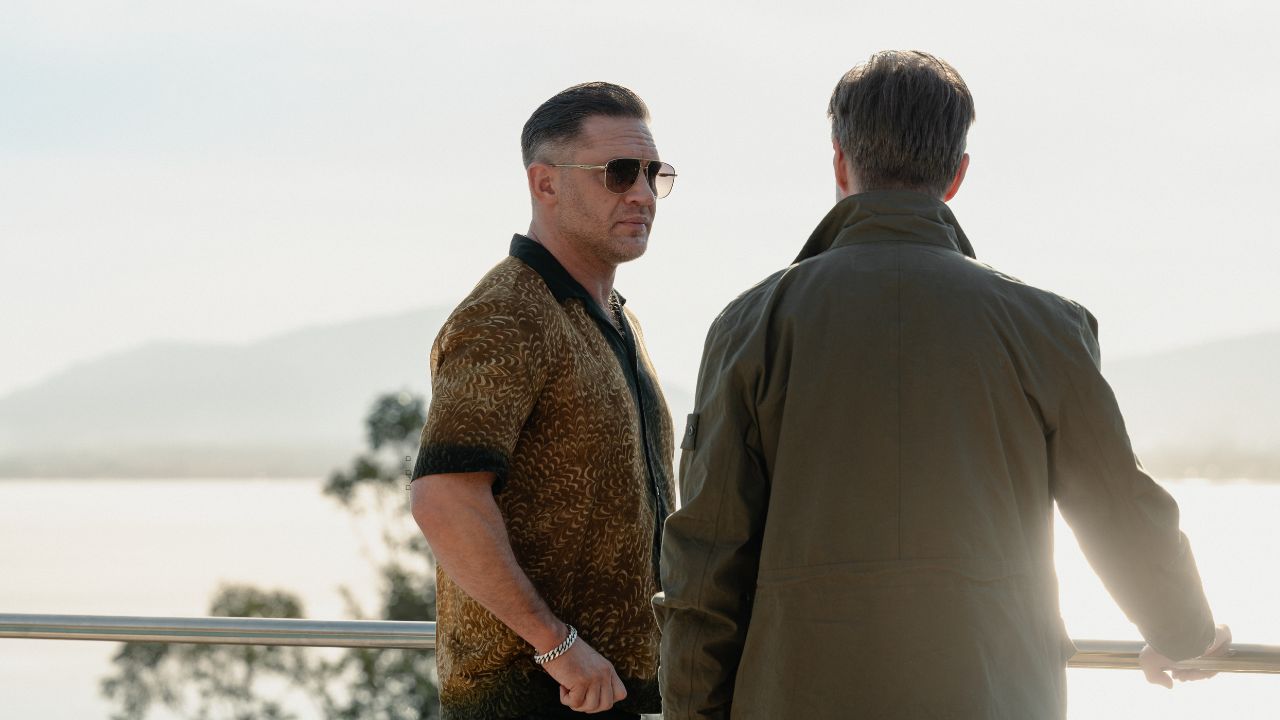
Sony Pictures has unveiled the trailer for the next Resident Evil, signaling yet another recalibration of Capcom’s horror juggernaut. The film is co-written by Shay Hatten and Zach Cregger, with Cregger also directing, an appointment that immediately tilts expectations toward more psychological. Production sits with Constantin Film, the long-time steward of the franchise, alongside Vertigo Entertainment’s Roy Lee and Miri Yoon, plus PlayStation Productions. The release is locked for September 18, a date that practically begs for late-summer screams.
Cregger’s filmography is an odd but compelling résumé for this universe. From the chaotic satire of Miss March to the deeply unsettling Barbarian and the more recent, Weapons, he has shown a knack for weaponizing unpredictability. Weapons, in particular, leaned into fragmented storytelling and ambient terror, qualities that align far more closely with the original game’s DNA. If anything, his involvement suggests a pivot back to locked doors, scarce ammo, and the quiet panic of something breathing just out of sight.
Every few years, Resident Evil returns, not out of nostalgia alone, but because the framework still holds: isolation, infection, and the breakdown of control.
The legacy of Resident Evil on screen
There have been six mainline films before this latest mutation, beginning with the 2002 original led by Milla Jovovich and Michelle Rodriguez. That film spawned a full-blown saga: Apocalypse (2004), Extinction (2007), Afterlife (2010), Retribution (2012), and The Final Chapter (2017). Each entry escalated the scale, more clones, bigger set pieces, louder endings, while steadily drifting from the claustrophobic terror that defined the games.
ADVERTISEMENT
Article continues below this ad
In 2021, Johannes Roberts attempted a tonal reset with Resident Evil: Welcome to Raccoon City, leaning harder into game fidelity, typewriters, mansion puzzles, and all. Across all iterations, the franchise has grossed over $1.2 billion globally, proving its resilience if not its consistency. The origin, of course, traces back to the 1990s PlayStation release by Capcom, which has since expanded into dozens of sequels, remakes, and now, titles like Resident Evil Requiem.
This next film has a clear mandate: hold onto the core of what made Resident Evil endure while making it work for a modern audience. Execution will decide everything.

ADVERTISEMENT
Article continues below this ad
Where do you stand? Should this new chapter stick close to the games, or continue pushing the cinematic universe forward? Share your take.
ADVERTISEMENT

Edited By: Hriddhi Maitra
More from Netflix Junkie on Hollywood News



ADVERTISEMENT