
'Pressure' Creates a Gripping World War II Epic Without Showing a Single Battlefield
Credits: Alex Bailey/Focus Features
Credits: Alex Bailey/Focus Features
Steven Spielberg's Saving Private Ryan revolutionized the war movie genre forever with its brutally raw depiction of the D-Day landings, creating a visceral standard no subsequent WWII film could escape. The Omaha Beach sequence was so graphically authentic it literally triggered PTSD in real-life veterans who had fought on those same Normandy shores in 1944.
The film became how the Western world understands D-Day, focusing entirely on soldiers' point of view as they charged through enemy fire, bleeding and dying in terrifying chaos.
Every war film since has struggled to measure up to Spielberg's Oscar-winning masterpiece, but Pressure enters the same battlefields with a psychological purview.
A new view to the war
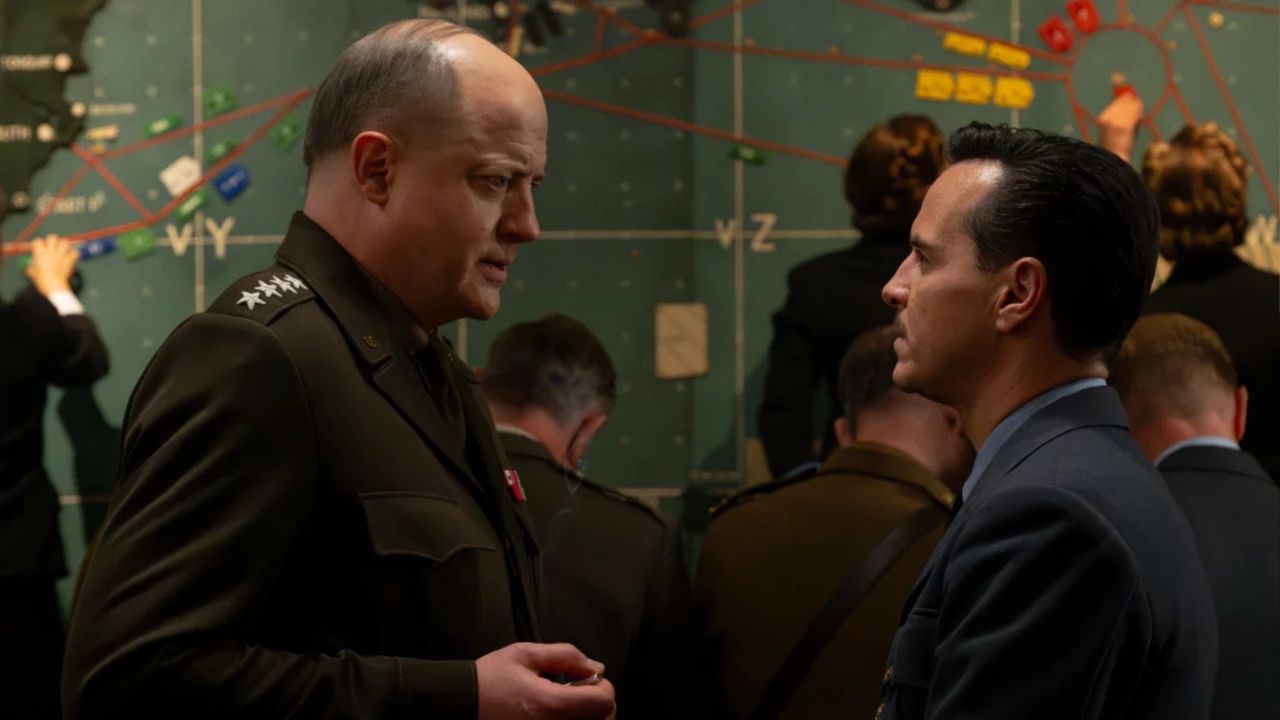
Director Anthony Maras's Pressure reinvents the WWII war film genre by placing the entire narrative inside the war room rather than on the bloody beaches of Normandy. Instead of following soldiers charging through enemy fire like Saving Private Ryan, the film examines the unseen burden carried by commanders responsible for sending thousands to their deaths.
The tension emerges not from bullets or explosions but from decisions that cannot be undone. The film reframes the true enemy as something far less predictable than opposing forces. Weather becomes the central antagonist, dictating the success or failure of the Allied invasion. Every forecast carries catastrophic consequences, turning shifting tides and cloud cover into instruments of fate.
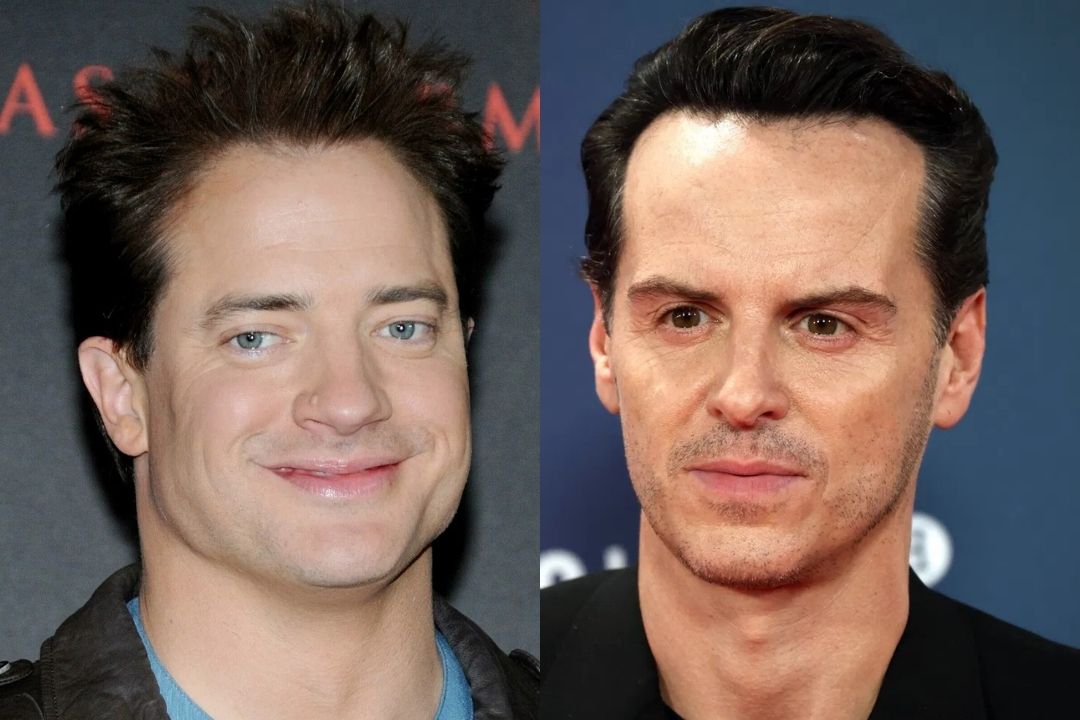
British meteorologist Dr. James Stagg, portrayed by Andrew Scott, becomes the unlikely centerpiece of the story. His storm warning forces the postponement of D-Day from June 5 to June 6, altering the course of history under immense pressure. At the same time, Brendan Fraser’s General Eisenhower grapples with relentless stress, smoking heavily and dealing with ulcers while haunted by the 800 accidental deaths during Exercise Tiger.
Yet the film’s realism extends beyond its premise, shaping the way its cast connected with history on a deeply personal level.
Brendan Fraser enters World War II via archives
Brendan Fraser immersed himself in WWII history to prepare for his portrayal of General Dwight D. Eisenhower in Pressure. Alongside the cast, he visited London’s Imperial War Museum, where he examined original Operation Overlord documents marked Top Secret. Holding these fragile, rusted pages gave Fraser a visceral sense of the immense responsibility carried by those in command.
The experience reshaped his understanding of D-Day, particularly the critical delay caused by unpredictable weather. Fraser noted that meteorology in 1944 relied on direct observation and handwritten records rather than advanced technology. This realization deepened his appreciation for the uncertainty leaders faced in the hours leading up to the invasion.
To capture Eisenhower’s mindset, Fraser studied recordings of the general’s ‘Order of the Day’ speech. He worked to balance the composed, authoritative tone with the emotional weight behind the words. Despite Eisenhower’s outward calm, the speech revealed the burden of sending thousands into battle, something Fraser found deeply affecting.

What do you think about Pressure taking a war story away from the battlefield and into the war room? Let us know in the comments.

Edited By: Hriddhi Maitra
