
Pope Leo XIV Quotes ‘The Lord of the Rings’ to Warn of AI’s War Risks
Credits: @waitalians via Instagram
Credits: @waitalians via Instagram
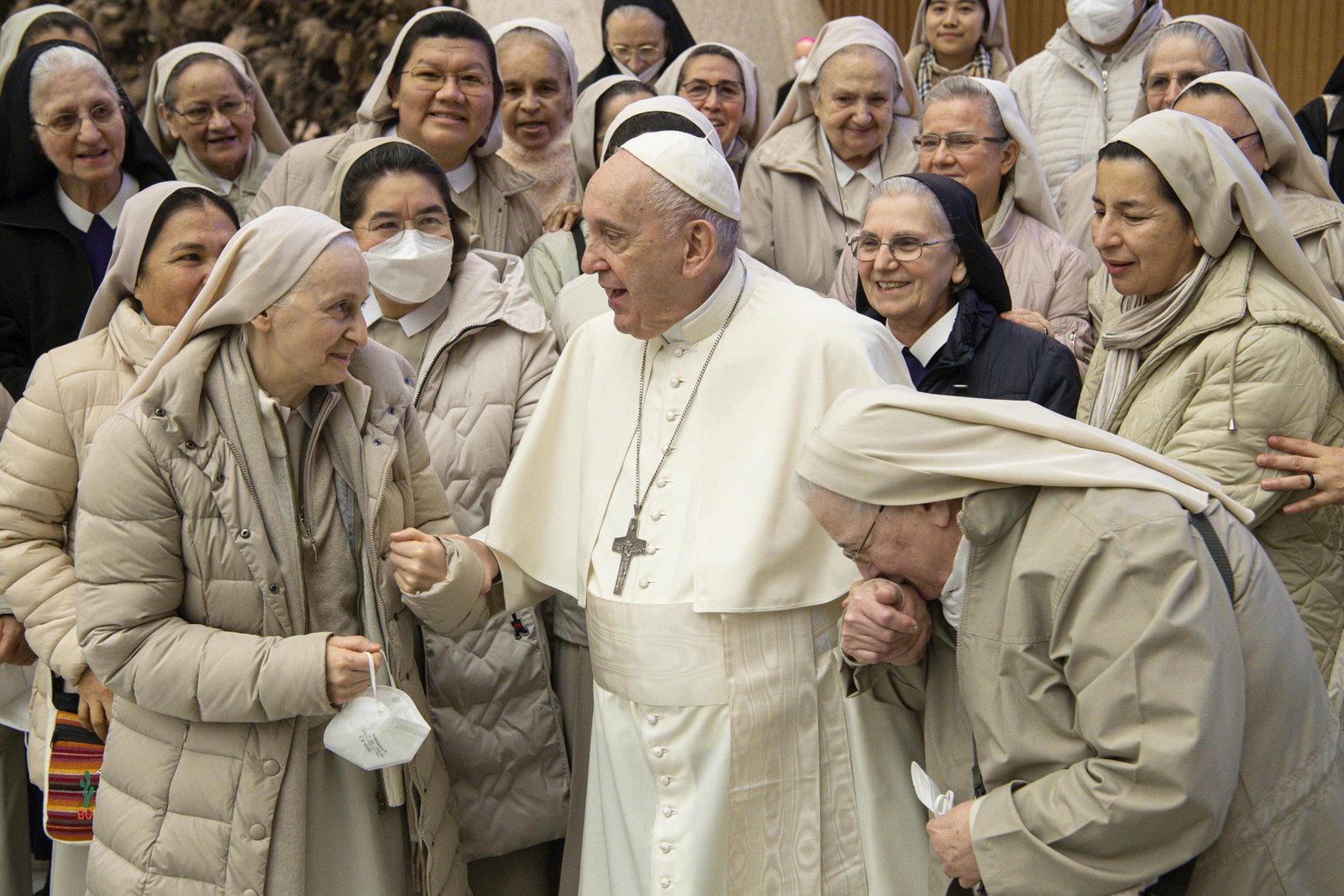
Popes have repeatedly stepped into the orbit of popular culture, from Pope John Paul II’s mass media image and papal travels to Pope Francis engaging comedians, Hollywood figures, and even appearing in documentaries filmed in the Sistine Chapel. These moments show how the papacy can use music, film, and social media to reach broad audiences while still speaking about ethics, justice, and the human condition.
This kind of dialogue between faith and fame is now taking a new form, with Pope Leo XIV turning to a beloved line from The Lord of the Rings to frame the moral stakes of artificial intelligence.
A Gandalf quote reframes the ethics of AI warfare
ADVERTISEMENT
Article continues below this ad
In his first encyclical, Magnifica Humanitas, Pope Leo XIV reaches beyond traditional theology and quotes the famous Gandalf line from The Lord of the Rings: “All we have to decide is what to do with the time that is given us,” using it to frame the Church’s warning about artificial intelligence and its role in modern warfare. The reference to Gandalf highlights how timeless moral dilemmas can find new relevance in technological eras.
It positions AI not as an inevitability, but as a test of human judgment. The pope presents artificial intelligence as a moral crossroads rather than a neutral innovation. By invoking J. R. R. Tolkien’s imagery, he emphasizes that tools can serve either restraint or domination depending on those who wield them.
Leo stresses that AI-powered weapons and autonomous systems must remain under strict human oversight. He warns that delegating life-and-death decisions to algorithms risks eroding accountability and dulling the ethical weight of conflict. The encyclical calls for international limits, responsible innovation, and a renewed focus on the value of human life in an age of accelerating technology.
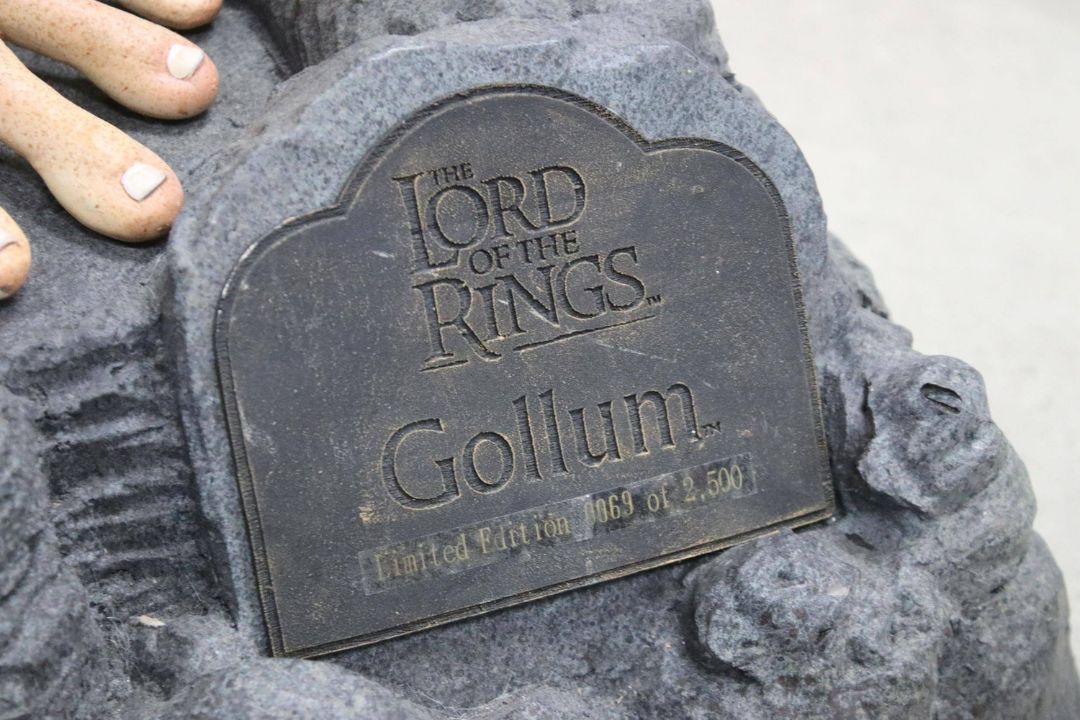
That blending of Middle-earth wisdom with modern anxieties reflects how Tolkien’s legacy continues to shape conversations far beyond fantasy.
A new Middle-earth vision looks back to move forward
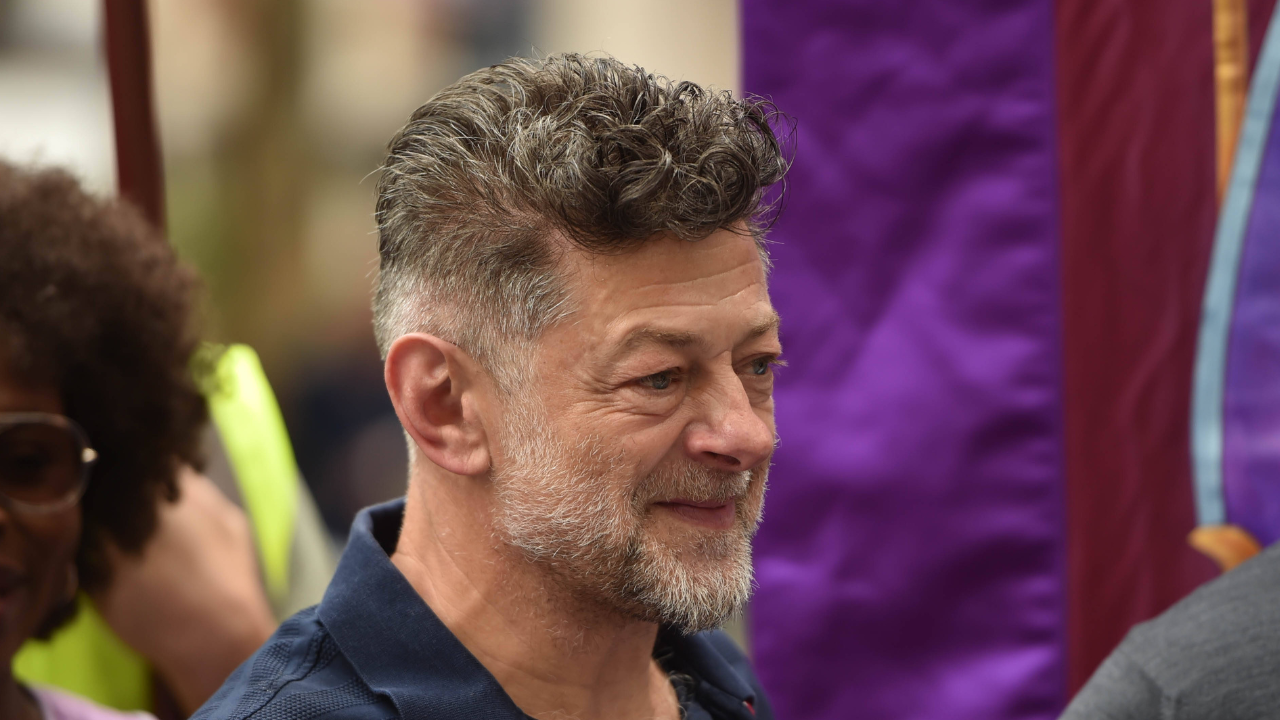
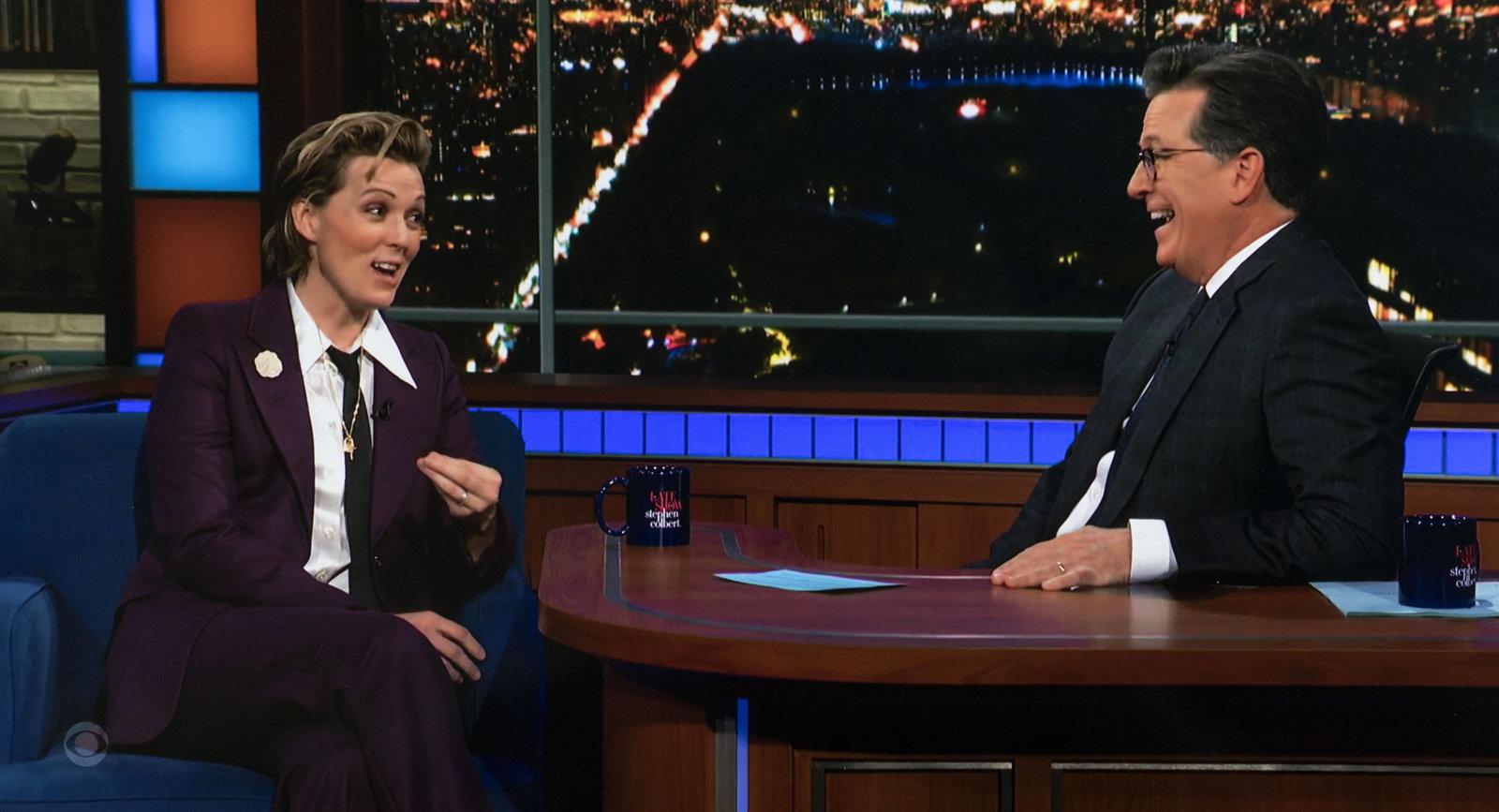
Stephen Colbert and his son Peter McGee are stepping into the world of blockbuster fantasy filmmaking with a fresh Middle-earth project. Rather than revisiting the sweeping battles of The Lord of the Rings, the concept looks toward quieter narrative spaces within The Fellowship of the Ring. This approach opens the door to a more reflective expansion of the saga.
ADVERTISEMENT
Article continues below this ad
The proposed story revisits the early journey of the hobbits, focusing on moments that earlier adaptations streamlined or omitted. By expanding those sections, the project aims to capture the slower rhythms and emotional textures that defined Tolkien’s writing. It offers a chance to explore character dynamics in greater depth while staying rooted in established lore.
At its core, the narrative centers on legacy and memory, following Sam’s daughter Elanor as she uncovers hidden truths about the War of the Ring. This generational perspective reframes the epic conflict through quieter, more personal stakes. It suggests a Middle-earth where stories are not just told, but rediscovered and reinterpreted over time.
ADVERTISEMENT
Article continues below this ad
What do you think about the Pope using The Lord of the Rings to address AI ethics and the continued expansion of Middle-earth stories? Let us know in the comments.
ADVERTISEMENT

Edited By: Hriddhi Maitra
More from Netflix Junkie on Hollywood News



ADVERTISEMENT