
'Pirates of the Caribbean' Director Once Called Out CGI in Modern Movies, Calls Them Video-Game Like
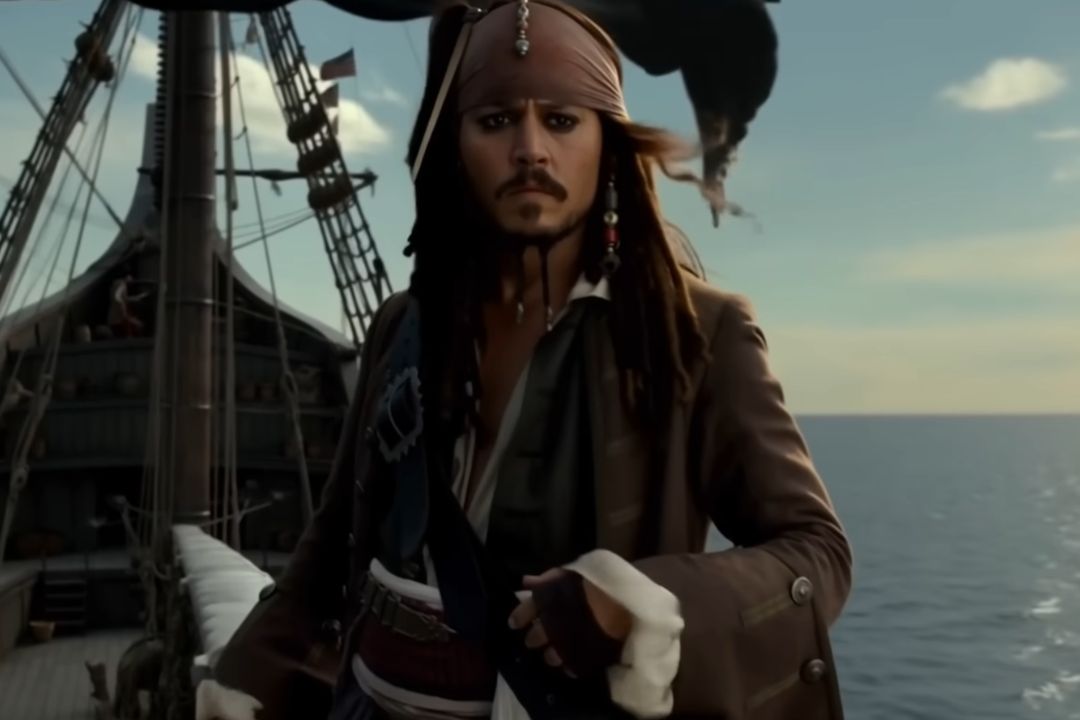
Credits: Pirates of the Caribbean 6 (2025) – News & Updates | Return of Jack Sparrow/ Ultimate Studios via YouTube/ Production-Walt Disney Pictures and Jerry Bruckheimer Films
Credits: Pirates of the Caribbean 6 (2025) – News & Updates | Return of Jack Sparrow/ Ultimate Studios via YouTube/ Production-Walt Disney Pictures and Jerry Bruckheimer Films
The cinematic landscape often feels like a digital mirage, but one director remains a master of tangible spectacle: Gore Verbinski. He does not just film a story; his style is defined by a frantic, kinetic energy balanced with a sweeping, epic scale grounded in physical reality. This commitment to the physical world has led him to question the reliance on modern CGI.
The director believes that the infusion of gaming technology into cinema has fundamentally altered how audiences perceive light and texture on screen.
The unreal aesthetic vs. cinematic reality
During an interview with But Why Tho? in late 2025, Gore Verbinski addressed the decline of modern visual effects while promoting his film, Good Luck, Have Fun, Don’t Die. He argued that the Unreal Engine, while excellent for interactive gaming, has introduced a specific aesthetic that lacks the photo-realism required for high-end cinema.
“So you have this sort of gaming aesthetic entering the world of cinema”, Gore Verbinski said. He mentioned this shift has created a divide between the heightened reality of superhero films and the grounded nature of traditional filmmaking. As per Verbinski, classic cinema remains superior because it utilized miniatures and paintings, which naturally interact with light.
“It works with Marvel movies where you know you’re in a heightened, unrealistic reality. I think it doesn’t work from a strictly photo-real standpoint”, Verbinski noted.
He explained that digital engines often fail to replicate subsurface scattering, which is how light penetrates and reflects off human skin. When speed is prioritized over hand-crafted animation, the result is the uncanny valley, in which characters appear almost human yet feel fundamentally wrong.

Specific examples from his filmography demonstrate how a hands-on approach to digital artistry creates a timeless cinematic experience.
A legacy of tactile terror and precision of Gore Verbinski
In Pirates of the Caribbean: Dead Man’s Chest, the character Davy Jones remains a gold standard for digital performance. Unlike modern CGI, his skin exhibits realistic subsurface scattering that reacts to the damp, oceanic environment. The textures feel organic and heavy, avoiding the floaty movements seen in many superhero films today.
The surreal desert sequence in At World's End utilized practical lighting to make thousands of crabs feel tangibly present. Similarly, in The Lone Ranger, the train sequences relied heavily on practical stunts and massive sets. This blend of real-world physics and digital enhancement creates a visceral tension that purely digital environments cannot replicate.
In his animated masterpiece Rango, Verbinski applied dirt to the digital lens to simulate a physical camera. In A Cure for Wellness, the sterile, eerie environments benefit from meticulous color grading and practical reflections. Even in The Ring, the visual effects serve the atmosphere, ensuring every frame feels purposefully constructed rather than software-generated. By prioritizing physical light over digital speed, Verbinski proves that true cinematic immersion requires a human touch.

What do you think about Gore Verbinski's thought on modern CGI? Let us know in the comments below.

Edited By: Hriddhi Maitra
