
Paul Schrader Reveals How Jake Gyllenhaal Inspired ‘The Basics of Philosophy’ Before Passing on the Film

via Imago
Credits: Imago
Paul Schrader arrives at Venice with The Basics of Philosophy, a film that feels unmistakably cut from the same severe, introspective cloth as much of his career. The cast is stacked, the story is pure Schrader, and yet the central character was first imagined with Jake Gyllenhaal in mind. So why did Gyllenhaal ultimately walk away from the film?
There is a particularly Schrader-like irony here: a movie about a man wrestling with the consequences of a buried transgression began with an actor who decided that the transgression was one he did not want to explore.
Jake Gyllenhaal was the spark behind Paul Schrader’s The Basics of Philosophy
In an exclusive Deadline interview, Paul Schrader explained that Jake Gyllenhaal passed on The Basics of Philosophy because the role Schrader ultimately created for him centered on a philosophy professor who had committed a sexual transgression against a piano student.
“It had a strange origin. I was talking with Jake Gyllenhaal and Jake wanted to do something, and I said, ‘you know, let me think about it’. …’So then I had to get back to Jake, and I said, ‘Jake, I think I came up with something, but I don’t think you’re going to want to do it because it’s about a pedophile’. Jake said, ‘No, I don’t suppose that would interest me’,” he recalled.
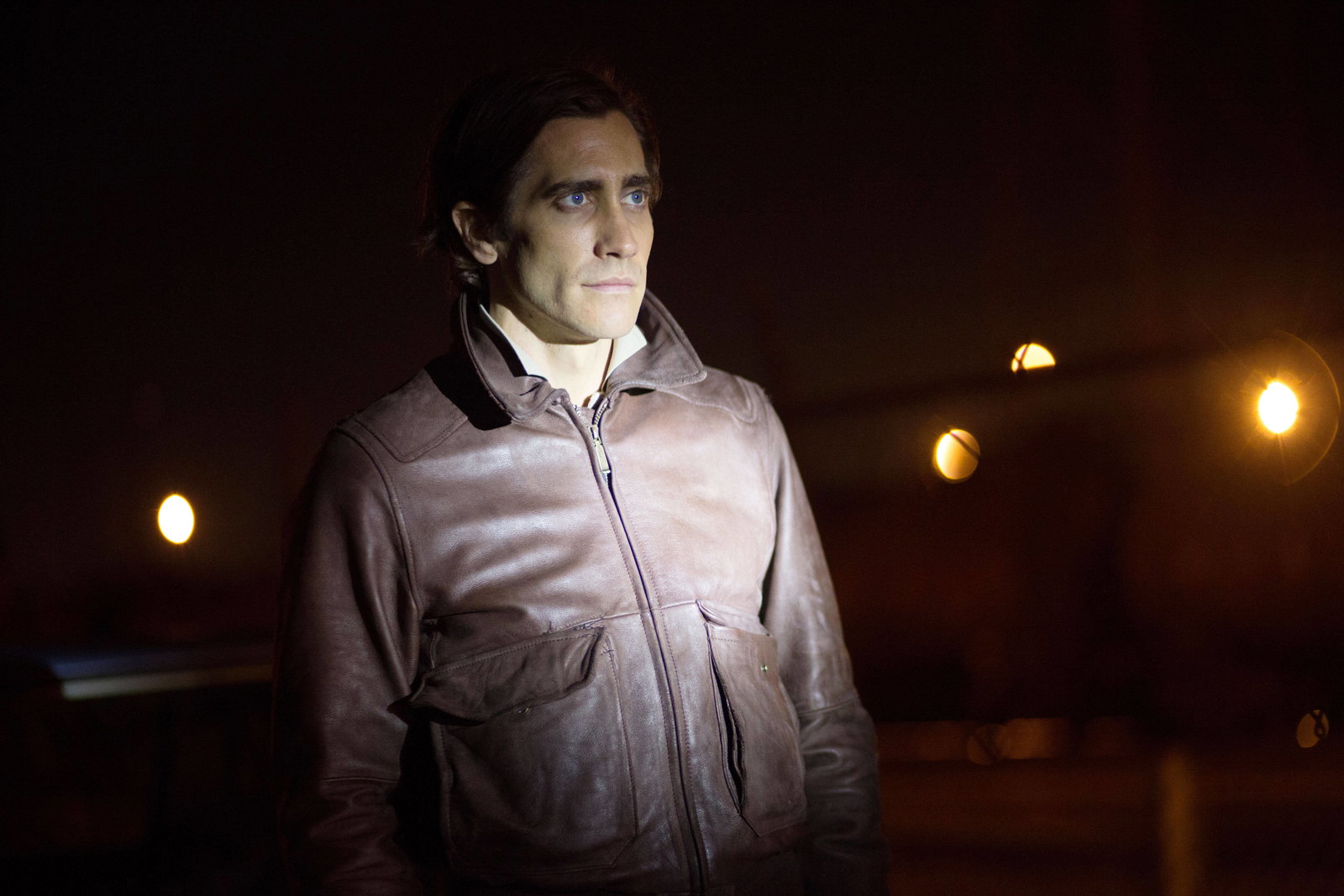
NIGHTCRAWLER, Jake Gyllenhaal, 2014. ph: Chuck Zlotnick Open Road Films Courtesy Everett Collection Courtesy Everett Collection !ACHTUNG AUFNAHMEDATUM GESCHÄTZT! PUBLICATIONXNOTxINxCANxCHNxFRAxITAxJPNxNORxPOLxRUSxESPxUKxUSA Copyright: xCourtesyxEverettxCollectionx MCDNIGH EC095
NIGHTCRAWLER, Jake Gyllenhaal, 2014. ph: Chuck Zlotnick Open Road Films Courtesy Everett Collection Courtesy Everett Collection !ACHTUNG AUFNAHMEDATUM GESCHÄTZT! PUBLICATIONXNOTxINxCANxCHNxFRAxITAxJPNxNORxPOLxRUSxESPxUKxUSA Copyright: xCourtesyxEverettxCollectionx MCDNIGH EC095
In other words, Gyllenhaal did not reject the project because of the philosophy professor or the Spinoza material. He simply had no interest in playing a character defined by that particular form of transgression.
What makes the story more intriguing is that Gyllenhaal's refusal did not make Schrader abandon the idea. Instead, the character became too compelling for the filmmaker to leave behind.
“But now that I had the idea, and it was a good idea, I had to write it, and so that’s how it came about,” Schrader told Deadline.
He also stressed that the philosophical dimension existed before the disturbing element entered the screenplay. That detail is crucial to understanding the film. Schrader was not simply building a provocative premise around a disgraced academic. He was starting with the kind of isolated, intellectually restless protagonist who has populated his cinema for decades, then placing that man inside an almost impossible moral contradiction.
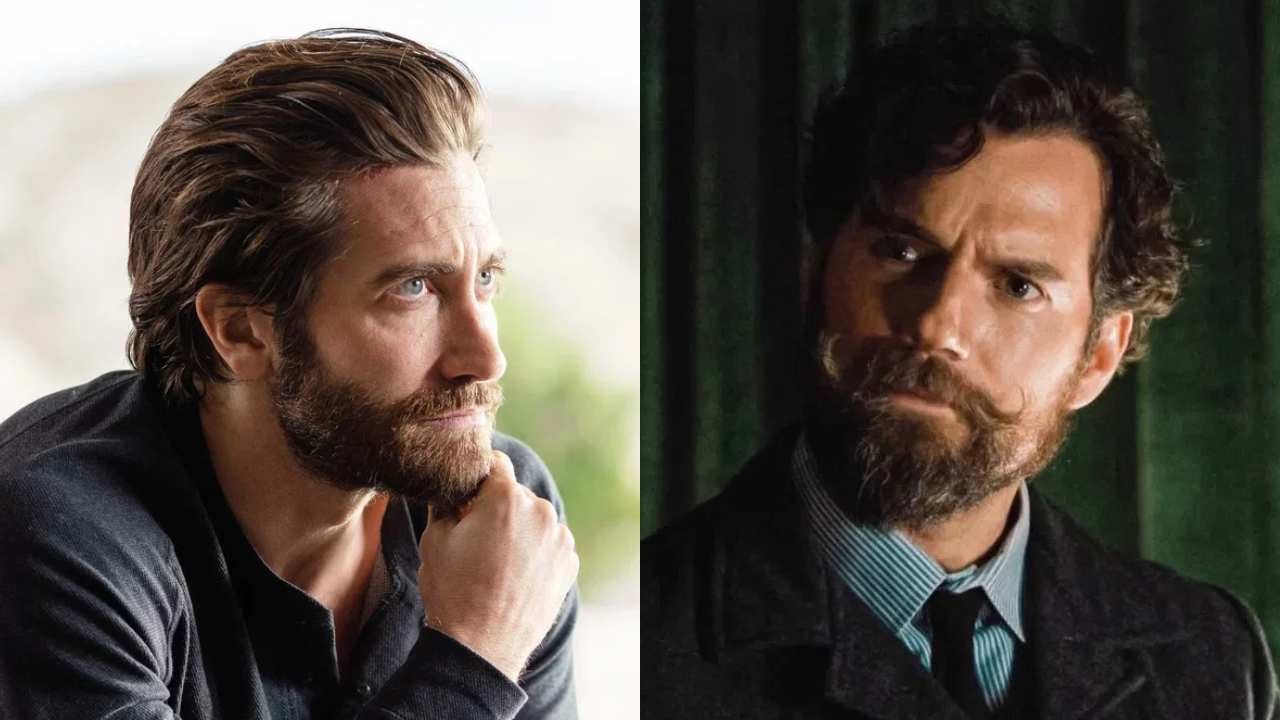
The result fits neatly into Schrader's long-running fascination with guilt, conscience, repression and the possibility of redemption, themes that have coursed through everything from Taxi Driver and First Reformed to The Card Counter. The Venice Film Festival itself describes the film as a continuation of Schrader's long-running story about an isolated, ruminative man hiding behind his professional identity.
The Basics of Philosophy turns guilt into a Schrader-Style existential trap
Now played by Jack Huston, John Jorissen is a philosophy professor at the fictional Ridgemont College, a small liberal arts institution in the American Midwest. He teaches an introductory philosophy course while working on a book about Dutch philosopher Baruch Spinoza, whose ideas about God, nature, freedom and human existence provide an especially pointed intellectual backdrop for a man whose own life is governed by repression and moral contradiction.
The film's dramatic engine starts when the person connected to Jorissen's buried transgression suddenly returns to his life. What follows is not designed as a conventional thriller so much as a psychological and spiritual descent, with guilt, desire and self-deception gradually eroding the orderly identity Jorissen has constructed. The cast gives Schrader plenty of texture to work with, including Sofia Boutella, Daniel Zovatto, Bill Pullman, Dana Delany, Shiloh Fernandez and Karl Glusman, who plays Spinoza.
Jake Gyllenhaal is moving into another fascinating chapter
Jake Gyllenhaal's decision to pass on Paul Schrader's film has not exactly left his career short of psychologically demanding material. He recently led Apple's Presumed Innocent as prosecutor Rusty Sabich, while also serving as an executive producer, and the series has been renewed for a second season built around a new case. His next major film role is in M. Night Shyamalan's Remain, a supernatural romantic thriller opposite Phoebe Dynevor that Warner Bros. has scheduled for February 5, 2027.

via Imago
Credits: Imago
Gyllenhaal may have declined the role, but his initial conversation with Schrader effectively helped set the entire film in motion. The Basics of Philosophy therefore arrives in Venice carrying an unusual piece of casting history: its protagonist was born from Schrader imagining Gyllenhaal in a role that the actor ultimately did not want, leaving Huston to step into one of the filmmaker's most morally combustible creations.

What do you think about Jake Gyllenhaal passing on The Basics of Philosophy? Who could have been his other friends? She said.

Edited By: Hriddhi Maitra
