
Paramount Rejects Shareholder Lawsuit Over Warner Bros. Discovery Merger, Denies Promises on CNN Coverage
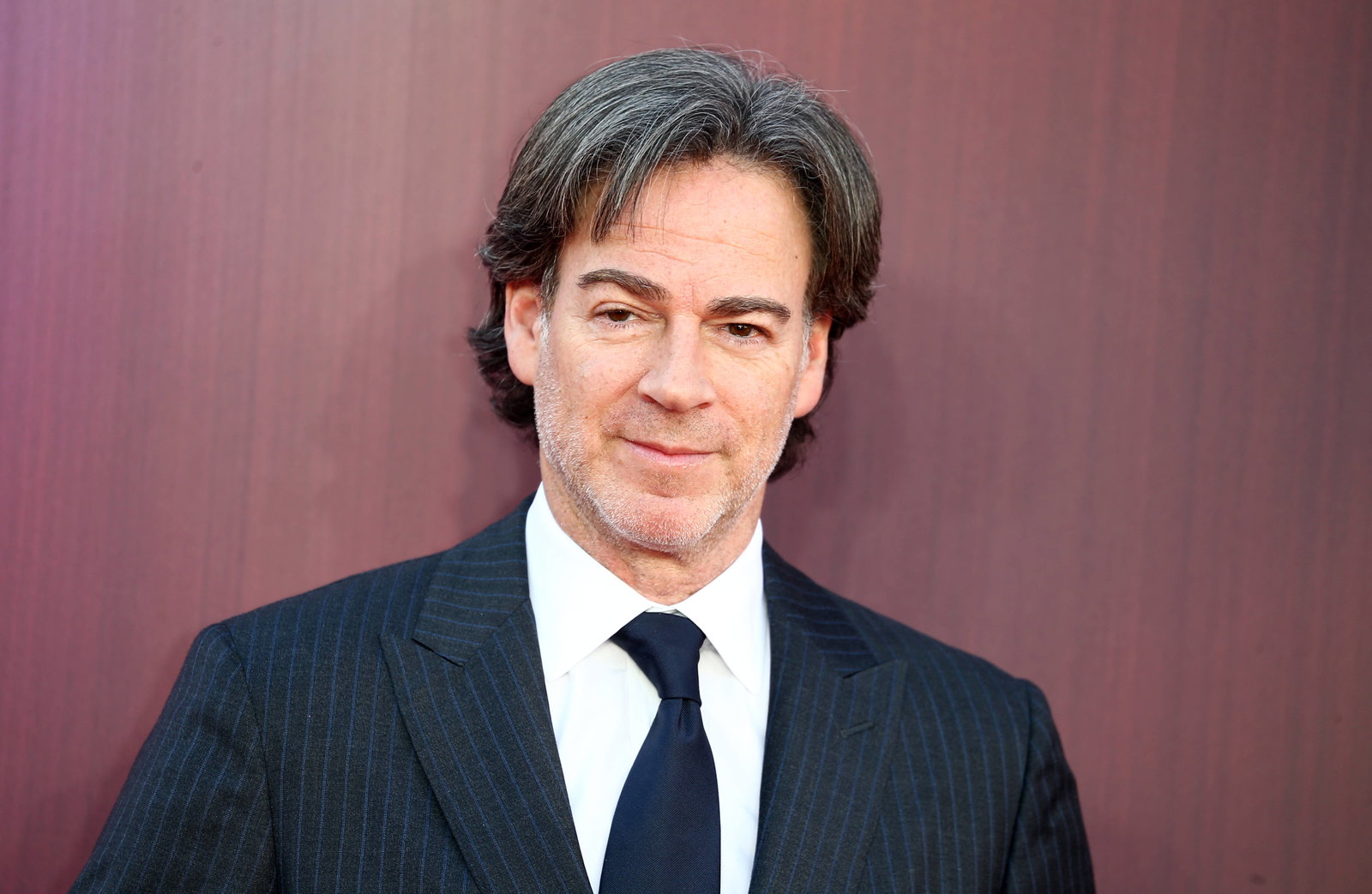
via Imago
Credits: Imago
Paramount has asked a judge to dismiss a shareholder lawsuit alleging it made misleading promises about CNN's coverage while pursuing its proposed merger with Warner Bros. Discovery. The high-stakes corporate battle over Hollywood's landscape continues to intensify as legal hurdles mount against the pending mega-merger. Paramount Skydance is facing sharp pushback from several fronts, including a newly surfaced derivative action that attacks the integrity of the transaction at its highest executive levels. Amidst a backdrop of escalating pressure from industry regulators and creative labor unions, the media giant is holding its ground, aggressively defending the strategic fundamentals of the combination.
The company maintains that the consolidation will ultimately foster greater consumer options and provide a more resilient financial foundation for modern journalism and cinematic storytelling.
Corporate leadership dismisses "recycled" bribery allegations
ADVERTISEMENT
Article continues below this ad
Paramount issued a firm dismissal of a derivative lawsuit filed in the Delaware Chancery Court by shareholder Paul Robbins. Backed by advocacy groups like the Freedom of the Press Foundation, the suit targets CEO David Ellison, Larry Ellison, and the board. It alleges a breach of fiduciary duty, claiming the Ellisons traded editorial independence for regulatory approval from the Trump administration, allegedly promising to reshape CNN’s news coverage and improperly settling a prior lawsuit against CBS's 60 Minutes.
Credits: CNN/Twitter
Credits: CNN/Twitter
A Paramount spokesperson strongly countered the claims on Wednesday, clarifying that the company has made no commitments to any state or federal government body regarding the future of CNN or any other news branch, beyond a steadfast dedication to truth-based journalism. Pointing back to the initial summer 2025 Skydance-Paramount transaction, the company reiterated that routine interactions with government officials fully complied with all anti-bribery laws. The entertainment powerhouse emphasized that the $110 billion Warner Bros. Discovery deal stands purely on its own economic merits.
However, political pushback is not the only threat facing the multi-billion-dollar deal, as the industry's creative backbone is now mounting a fierce defense of its own livelihoods.
Creative workforce takes legal stand against media monopsony
The corporate defense arrives as Hollywood's largest creative workforce aggressively seeks to derail the historic transaction. The Writers Guild of America (WGA) stepped into the legal arena by filing its own antitrust lawsuit to block the historic combination. According to details reported by The Hollywood Reporter, the guild argues that the proposed mega-deal creates an uncompetitive market that will severely diminish career opportunities for writers while choking off capital investment across the film and television sectors. The union has openly challenged executive promises that the combined entity would maintain a robust theatrical pipeline of 15 films annually, asserting that massive corporate debt would instead trigger widespread downsizing.
“With fewer competitors, a merged Paramount/WB entity would have both the incentive & ability to lower costs by suppressing writers’ wages & reducing output,” the comment read.
Credits: Paramount
Credits: Paramount
ADVERTISEMENT
Article continues below this ad
Combined with a parallel federal antitrust lawsuit spearheaded by 12 State Attorneys General led by California's Rob Bonta, Paramount faces a complex web of litigation as it pushes toward a definitive closing date. The overlapping legal challenges have intensified regulatory scrutiny, raising fresh uncertainty over the timeline and final approval of the proposed merger.
As Paramount fights back against both shareholder panic and labor resistance, the outcome of these legal battles will ultimately redefine the future of the entertainment industry. Whether the media giant can successfully weather this storm of antitrust and fiduciary complaints remains to be seen, but the struggle highlights the growing tension between corporate consolidation and creative independence.
ADVERTISEMENT
Article continues below this ad
Will the regulatory approvals clear, or will the combined force of state attorneys, guilds, and shareholders successfully block this $110 billion merger? Let us know in the comments!
ADVERTISEMENT

Edited By: Aliza Siddiqui
More from Netflix Junkie on Hollywood News



ADVERTISEMENT