
'One Battle After Another' Budget vs Box Office: Why the Award Season Front-Runner Lost the Screen War
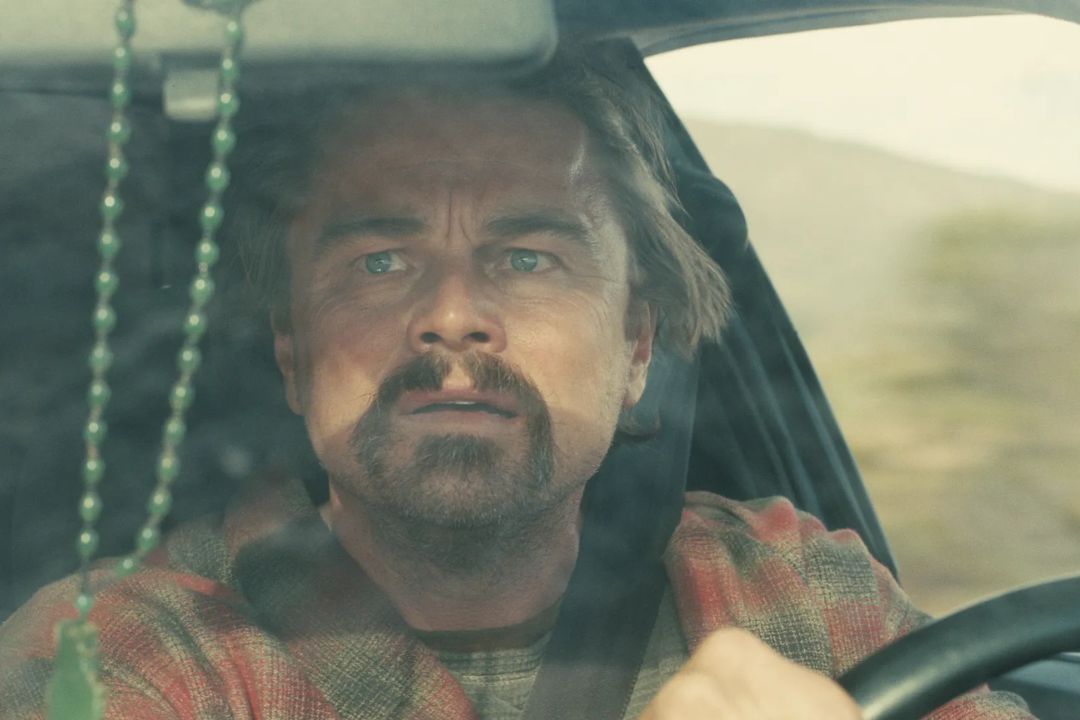
Awards season embraced One Battle After Another, so much so that they chased it down the street, waving ballots and compliments in equal measure. Paul Thomas Anderson's film emerged as a dominant presence, with the film stacking thirteen Academy Awards nominations and sweeping major wins at the BAFTA Awards.
The commercial response, however, told a colder story. Backed by a $175 million production budget, the film has earned roughly $208.7 million worldwide. While not entirely disastrous at the box office, it became an underperformer considering the production budget plus marketing, leaving Warner Bros. and Universal Pictures facing a rare prestige-driven financial disappointment.
That commercial fall, despite towering prestige, is not inexplicable and can be understood through several overlapping explanations.
ADVERTISEMENT
Article continues below this ad
1. One Battle After Another's astronomical production
The financial math for One Battle After Another was punishing from the start. With production estimates ranging between $130 million and $175 million, plus roughly $70 million in marketing, the film entered theaters already under immense commercial pressure.
Industry analysts estimated a worldwide gross of $300 to $400 million was required merely to reach breakeven.
Against that benchmark, the final tally exposed a gulf between ambition and return, transforming prestige into a costly exercise rather than a profitable cinematic event.
2. The film's vague and mysterious marketing
The marketing campaign leaned heavily into obscurity, withholding narrative clarity in favor of mood and provocation. Early trailers offered fragmented imagery and cryptic tones, leaving general audiences uncertain whether One Battle After Another was an action thriller, satire, or arthouse meditation.
3. Politically polarizing themes
The film’s narrative engages directly with radical political movements and includes depictions of attacks on Immigration and Customs Enforcement facilities. Critics described this material as needlessly divisive, particularly within a mainstream American theatrical landscape already sensitive to political polarization.
Rather than broadening appeal, the explicit ideological framing narrowed it. Large segments of the potential audience appeared unwilling to engage with a film perceived as confrontational rather than escapist. Ironically, that same urgency and seriousness may strengthen the film’s Best Picture case, even as theatrical habits continue to evolve.
4. Niche auteur appeal vs. blockbuster expectations
While Paul Thomas Anderson is widely revered, his reputation is rooted in challenging, character-driven cinema rather than mass-market spectacle. That distinction mattered when expectations were set at a blockbuster scale rather than auteur norms.
The mismatch between artistic identity and financial ambition created structural tension. A director celebrated for depth was suddenly tasked with delivering universality, a leap audiences were not prepared to make.
5. Shift in Leonardo DiCaprio's audience draw
ADVERTISEMENT
Article continues below this ad
The discussion around Leonardo DiCaprio and One Battle After Another has become unavoidable among box office analysts. While DiCaprio remains an A-list presence, recent openings suggest his appeal has shifted from mass 'must-see' events toward prestige-driven audiences. Analysts at SlashFilm point to openings closer to the $20 million range, far from his earlier commercial peaks.
That shift was reflected in turnout. The audience skewed heavily male, and nearly as many viewers cited Paul Thomas Anderson as their reason for attending as DiCaprio himself. His deliberately unpolished, washed-up anti-hero performance earned acclaim but lacked broad appeal.
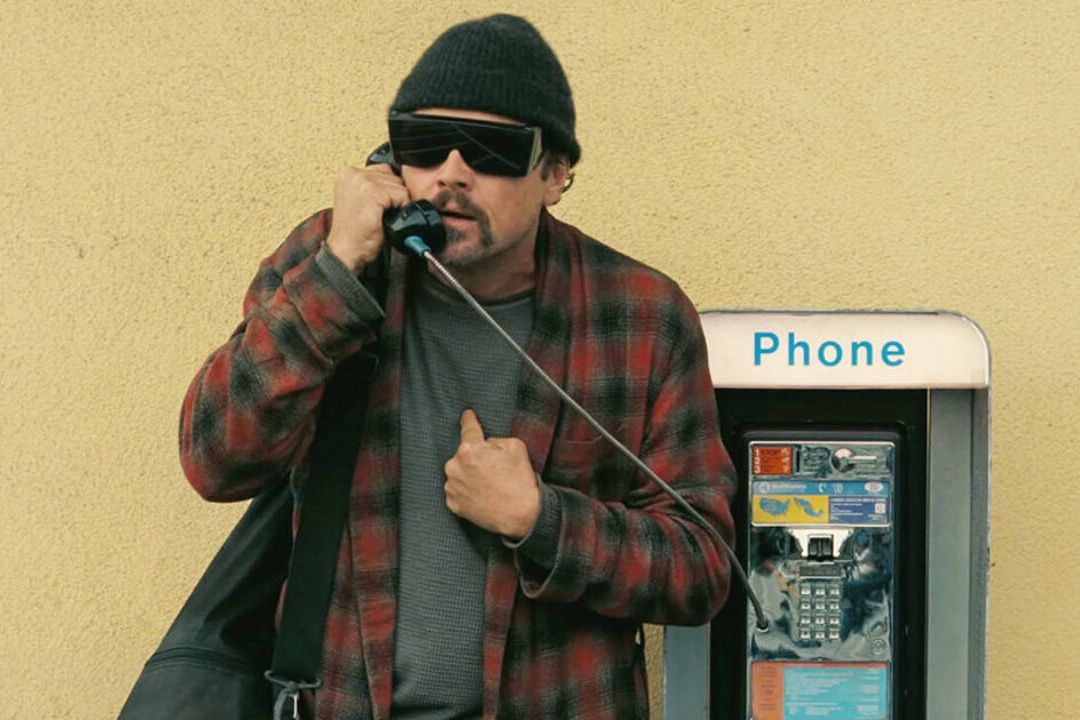
Leonardo DiCaprio's Salary for 'One Battle After Another': How Much Did The Star Make from The Film?
ADVERTISEMENT
Article continues below this ad
What do you think is the reason for One Battle After Another's box office disappointment? Let us know in the comments!
ADVERTISEMENT

Edited By: Itti Mahajan
ADVERTISEMENT
ADVERTISEMENT
