
Once United by Magic, Now Divided by Political Views- How JK Rowling, Emma Watson, and the Original 'Harry Potter' Cast Have Drifted Apart
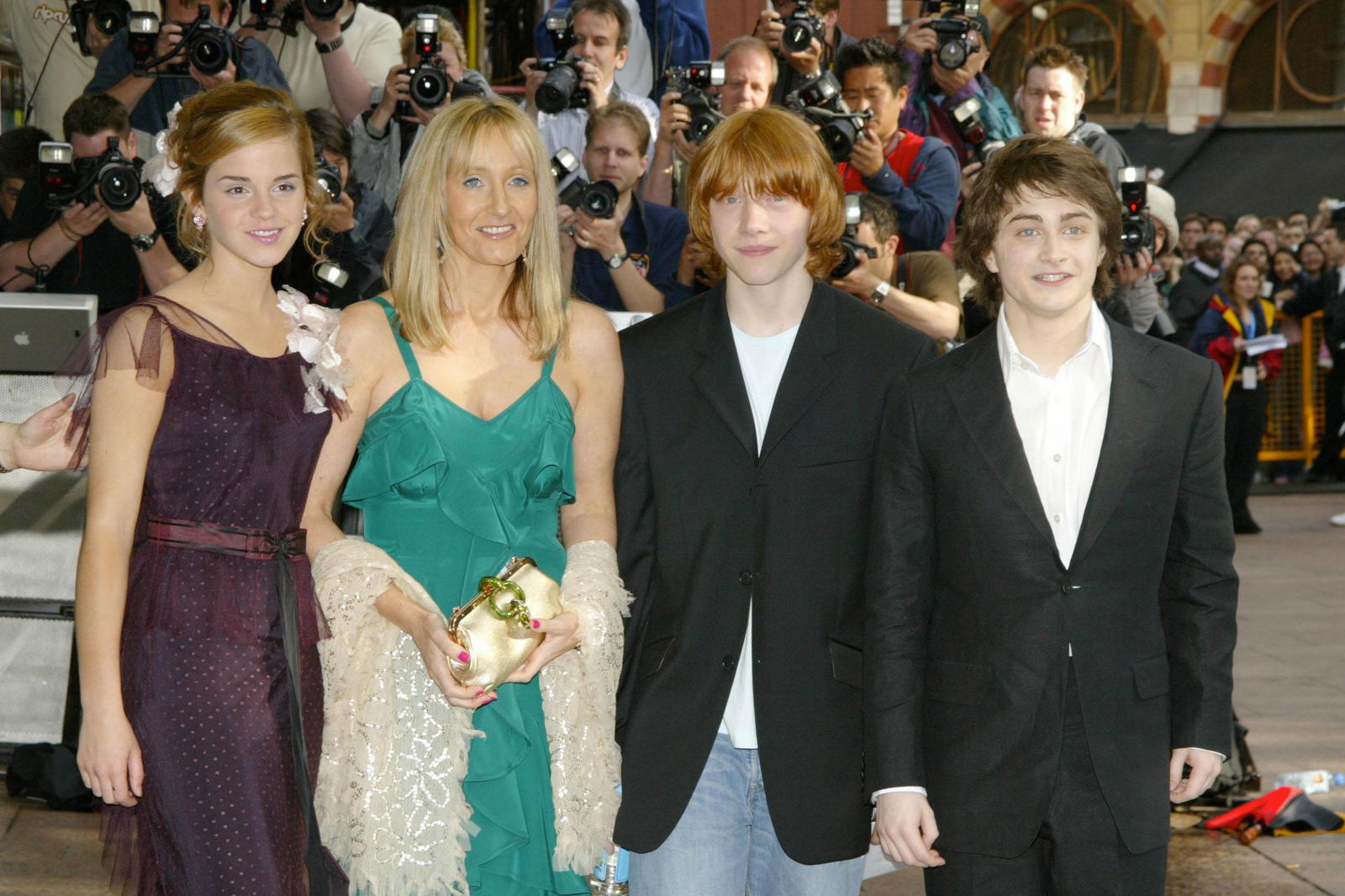
The Harry Potter books and films once appeared to create an unshakeable family that bridged imagination and reality. JK Rowling and her cast seemed inseparable, united by a shared journey that defined popular culture for nearly two decades. Yet as politics pushed its way into the spotlight, the ties that once felt indestructible began to fray. What began as a story of creative harmony has become a cautionary tale of how even the strongest bonds can buckle under ideological pressure.
Magic was definitely in the air and friendships started to feel as unbreakable as a Philosopher’s Stone. Rowling and her young stars were more than collaborators, they were a Hogwarts family, casting spells of charm and admiration wherever they appeared.
The golden era (2001–2019)
ADVERTISEMENT
Article continues below this ad
From 2001 to 2019, JK Rowling and her actors basked in what now looks like a golden age of mutual admiration. She described watching Daniel Radcliffe’s audition as “incredibly moving” and “like watching my son on screen,” according to The Telegraph. Rowling often said she felt protective of the young stars she had known since they were just ten years old. In 2007, Emma Watson surprised her with a Pride of Britain Award, a moment that confirmed Rowling’s unique bond with the cast, Radcliffe, Watson, and Rupert Grint.
Public appearances reinforced this harmony. Premieres were full of smiles, applause, and public declarations of admiration, with Rowling and her actors presenting the kind of united front rarely sustained in the film industry. The relationship was framed as familial, and for millions of fans, the Potter team seemed indestructible, a picture of creative symbiosis. It was a bond that looked as if it might last a lifetime — until politics intervened and Hogwarts’ united front cracked apart.
The turning point (2020)
The rupture came in June 2020 when JK Rowling posted tweets about transgender women that drew widespread backlash, reported by BBC News. Emma Watson responded swiftly to what present-day calls X: “Trans people are who they say they are and deserve to live their lives without being constantly questioned”. Daniel Radcliffe followed with an essay for The Trevor Project affirming Watson's words, “Transgender women are women,” while Rupert Grint added, “Trans women are women. Trans men are men.” Overnight, Rowling and her stars occupied opposite sides of a culture war.
The effect was more seismic than Cillian Murphy possibly joining Harry Potter. For the first time, the trio who once seemed like Rowling’s proudest protégés now openly challenged her worldview. Fans were stunned to see actors they grew up with rebuke the very author who had created their world. What might have remained a private disagreement became an international fracture. A group once defined by harmony suddenly became a public case study in how quickly political fault lines can rip through even the closest creative families.
The deepening rift (2020–2025)
Over the next five years, the rift only widened. In 2023, JK Rowling declared she would “never forgive” certain actors, the wrath of which Henry Cavill dodged by a hair's breadth, reportedly dismissing them as “little s----”. She accused them of “cosying up to a movement intent on eroding women’s hard-won rights” and argued that they had become “de facto spokespeople" for the world she considered herself the sole proprietor of. For Rowling, what seemed to sting most was not disagreement but what she framed as betrayal, having her cultural legacy undermined by its part-catalysts.
One pivotal moment came in 2022, when Emma Watson used her BAFTA stage time to say: “I’m here for all of the witches”. The line, delivered during a peak of threats against Rowling, was widely interpreted as a public rebuke. By then, reconciliation seemed unlikely. What had once been framed as a family bond had hardened into irreconcilable ideological opposition, played out on red carpets and in headlines rather than in private conversations.
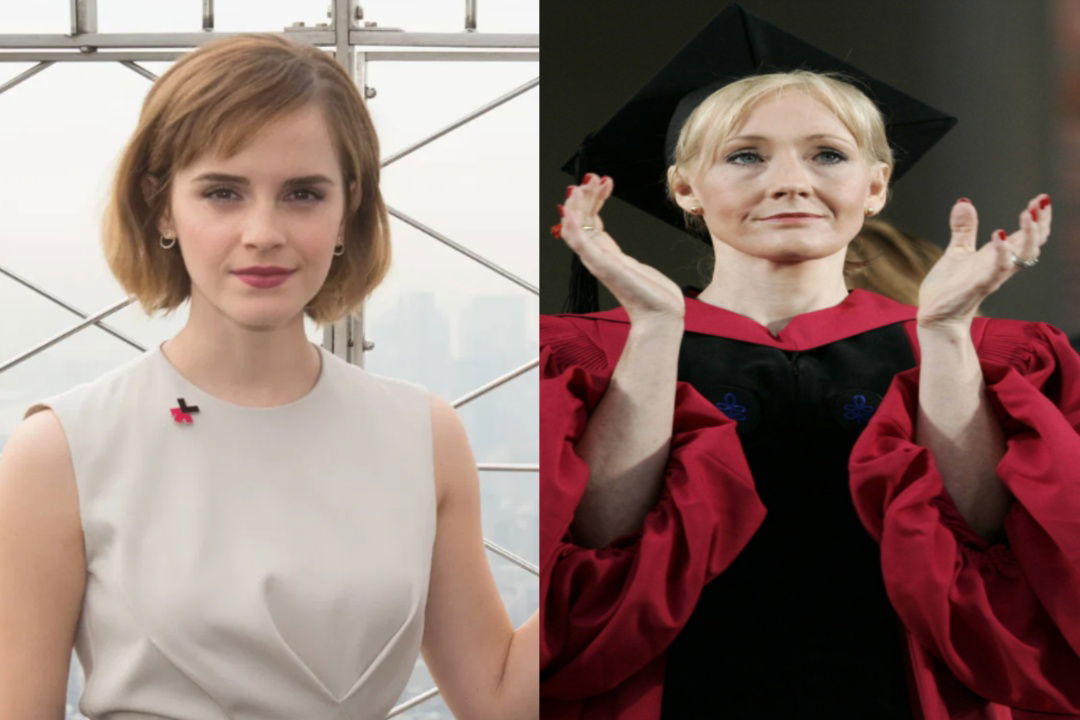
What started as an olive branch quickly turned into a blazing cauldron of words. Watson’s attempt at reconciliation collided with Rowling’s scorched-earth response, proving that even wands cannot mend this rift.
Recent escalation (September 2025)
By September 2025, even attempts at reconciliation collapsed spectacularly. On the On Purpose with Jay Shetty podcast episode, Emma Watson EXCLUSIVE: The Story She Has Not Shared Until Now, Watson reflected that she could still “treasure Jo and the person I had personal experiences with”. For a moment, this sounded like olive-branch diplomacy. But JK Rowling responded with a 700-word statement, calling Watson “ignorant of how ignorant she is.” She went further, revealing that Watson had once sent her a private note reading: “I’m so sorry for what you’re going through.”
Rowling also contrasted her own “poverty while writing the book that made Emma famous” with Watson’s privileged upbringing, which was certainly rebuked once she entered Hollywood with the idea of friendship. What began as a clash of principles now sounded more like personal grievances, layered with class resentment. The public airing of private notes ended any illusion of softening. With each exchange, the fracture widened into a chasm, leaving fans with little doubt that the golden family image was gone for good.
Cast divide
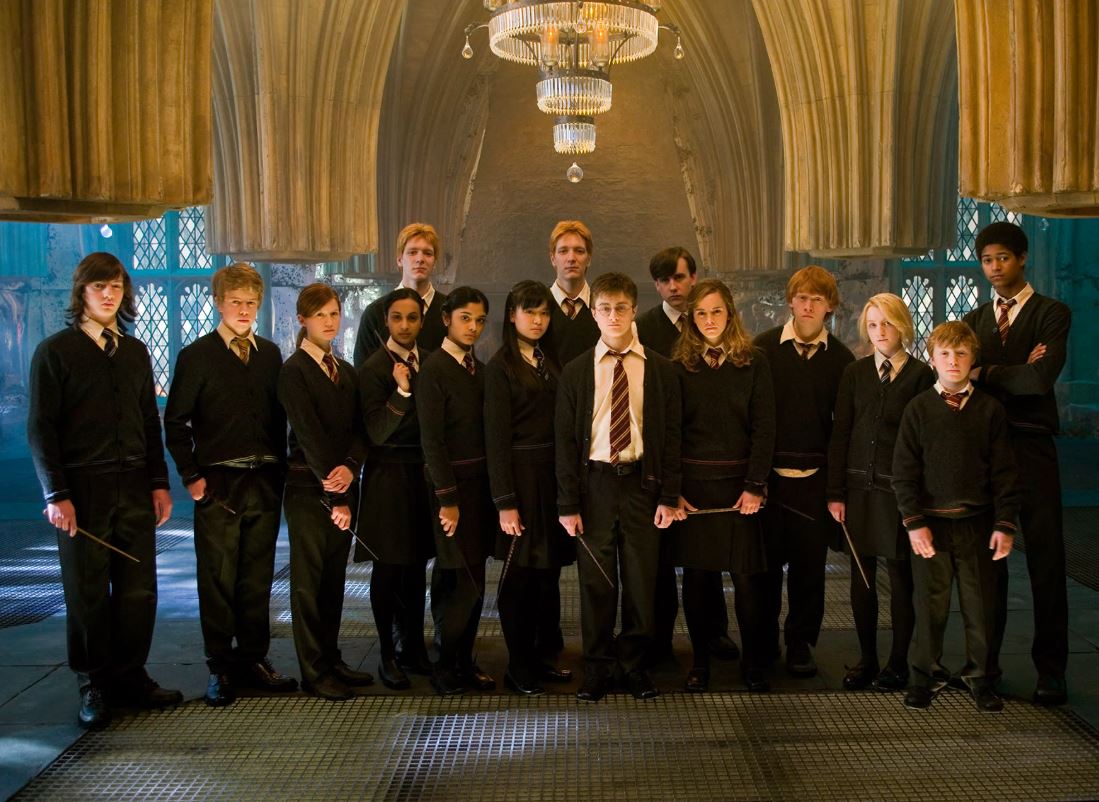
The rest of the cast, as seen in the Harry Potter movies, had largely taken sides. Robbie Coltrane said JK Rowling’s comments were not offensive, Ralph Fiennes called the abuse against her “disgusting,” and Helena Bonham Carter argued her views were shaped by personal experience rather than malice. Rowling has repeatedly stressed her “deep affection” for actors who remained “staunch throughout.” These defenders became her stalwarts, giving her at least partial loyalty within the Potter alumni circle.
Meanwhile, the core trio, Daniel Radcliffe, Emma Watson, and Rupert Grint, stayed firm in their support for transgender rights, joined by Eddie Redmayne and Bonnie Wright. Their position ensured that any chance of a true reunion would remain fantastical only. Director Chris Columbus admitted the divide has made even the idea of gathering the original family impossible. The dream of Hogwarts unity, once taken for granted, now exists only as a nostalgic memory for those who believed in its permanence.

For JK Rowling, the pen is mightier than any apology or public rebuke. Loyalty and principle are her Patronuses, shielding her from critics while highlighting exactly who remains in her corner—and who does not.
JK Rowling’s stand
For JK Rowling, the battle has never been about the franchise but about principle. She has insisted her criticisms of gender activism stem from concerns over women’s rights, not prejudice. Her defenders portray her as unfairly vilified, while her critics see her as betraying the values of inclusivity that Harry Potter came to represent. What is clear is that Rowling sees herself not just as an author under fire, but as a woman fighting for what she calls the preservation of “hard-won rights”.
ADVERTISEMENT
Article continues below this ad
The saga illustrates how quickly creative harmony can collapse under the strain of politics and personal grievance. JK Rowling, Daniel Radcliffe, Emma Watson, and Rupert Grint once represented unity: a cultural family bound by something larger than themselves. Today, that image is gone, replaced by sharp words, ideological divides, and wounds unlikely to heal. The wizarding world, once a symbol of togetherness, now mirrors the fractures of reality. For millions who grew up believing in its magic, this might remain the hardest truth to accept.
ADVERTISEMENT
Article continues below this ad
What do you feel about the south-forming rift taking shape between childhood's favorite icons? Let us know in the comments below.
ADVERTISEMENT

Edited By: Aliza Siddiqui
ADVERTISEMENT
ADVERTISEMENT
