
‘No One Gave Us Money’ - Dylan Brady Reveals the Frustrating Reality Behind Making His First Film
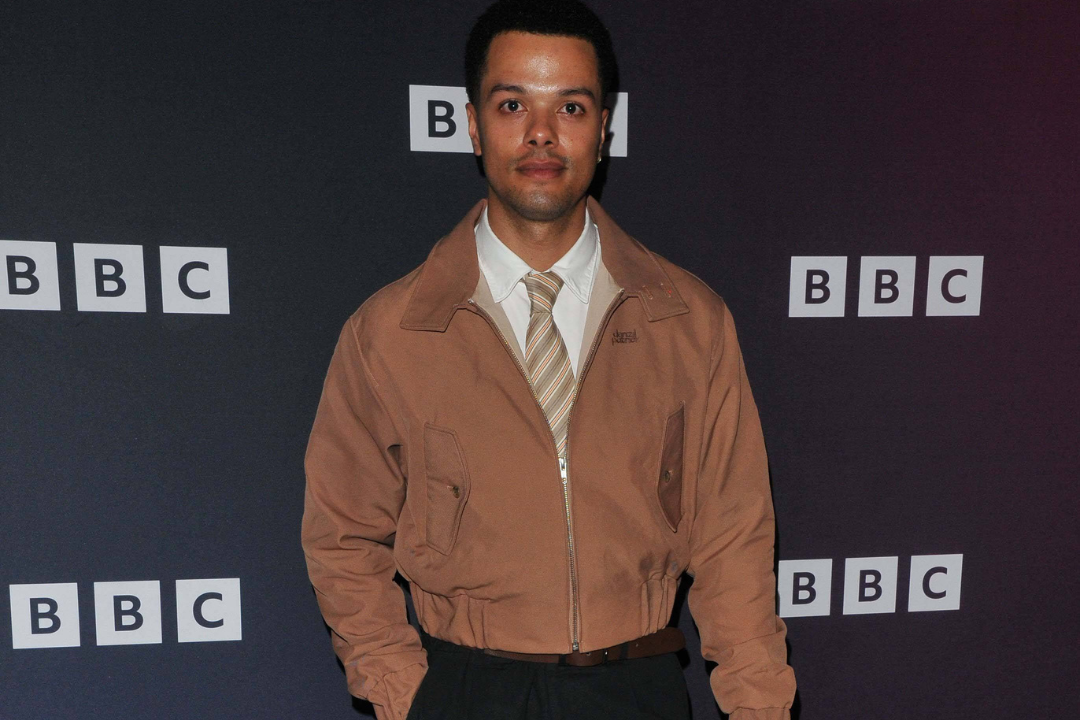
2 Weeks in August UK premiere Dylan Brady at the 2 Weeks in August UK premiere screening, Picturehouse Central, Corner of Great Windmill Street and Shaftesbury Avenue, on Wednesday 06 May 2026 in London, England, UK. CAP CAN CAN London UK Great Britain
Dylan Brady has discovered that artistic ambition is rarely accompanied by a generous cheque. Following his acclaimed feature debut in Sebastian and his turn in Mary & George, the actor is now making his directorial debut with Anon. The trouble? Nobody wanted to finance the complicated project, leaving Brady to discover that Hollywood loves a vision considerably more when someone else pays for it.
Anon marks Dylan Brady’s directorial debut, though finding financial backing for the ambitious project was a plot twist he could have done without.
Dylan Brady talks of the financial troubles of making ANON
Making an independent film is difficult enough; making one that refuses to play by conventional rules is practically an invitation to financial misery. As Film Updates reported, Dylan Brady faced precisely that predicament with ANON, his directorial debut, after spending several years trying to secure financing. The actor deliberately conceived the film as a response to what he considered increasingly sanitized, easily digestible queer cinema, but its complex storytelling proved a difficult sell to traditional studios.
“It was a real uphill struggle to get this film made. No one would give us any money to make it, and when you watch it, maybe you can understand why, because it’s difficult,” he admits.
ANON follows a closeted taxi driver in Derby navigating hidden desires and morally complicated territory, with a deliberately dark, murky narrative that refuses to offer audiences easy answers. That creative ambition, however, came with a rather inconvenient risk that investors do not like, a bold story.
“A bit of crowdfunding got us a tiny bit, but largely I had to save up the cash to do it from being an actor, and when I could finally pay for the film, I did.” he added.
Talking to Film Updates, Brady revealed that he ultimately financed the project largely through his acting earnings, turning years of rejection into a rather expensive exercise in creative independence.
However, much like Andrew Garfield taking risks with Artificial, Brady refused to let a lack of funding derail ANON. He pursued his vision regardless, and the financial constraints that nearly killed the project eventually became part of its visual identity.
How the budget constraints brought distinction to ANON
Dylan Brady discovered that an empty wallet could occasionally make a rather convincing cinematographer. When traditional financing failed to materialize for ANON, the filmmaker and cinematographer Michael Filocamo turned to dashcams, transforming a cost-cutting measure into the film's defining visual signature. What was initially intended as an occasional storytelling device became the primary means of capturing the closeted taxi driver's unsettling encounters, slashing production costs to roughly a third.
The solution came with its own mechanical headaches, requiring the cameras to be reprogrammed and every recording carefully managed. Yet the limitations proved unexpectedly useful, allowing Brady to blur the line between voyeurism and psychological storytelling. Rather than merely observing the passengers, audiences are drawn into the protagonist's troubled perspective, making ANON feel less like a conventional found-footage experiment and more like an exercise in cinematic unease.
What do you think of Dylan Brady's visual identity for ANON? Let us know in the comments!

Edited By: Adiba Nizami
