
Nicolas Cage’s Career Makes No Sense, And That’s Exactly Why It’s Brilliant: From Indie Darling to Hollywood Trainwreck
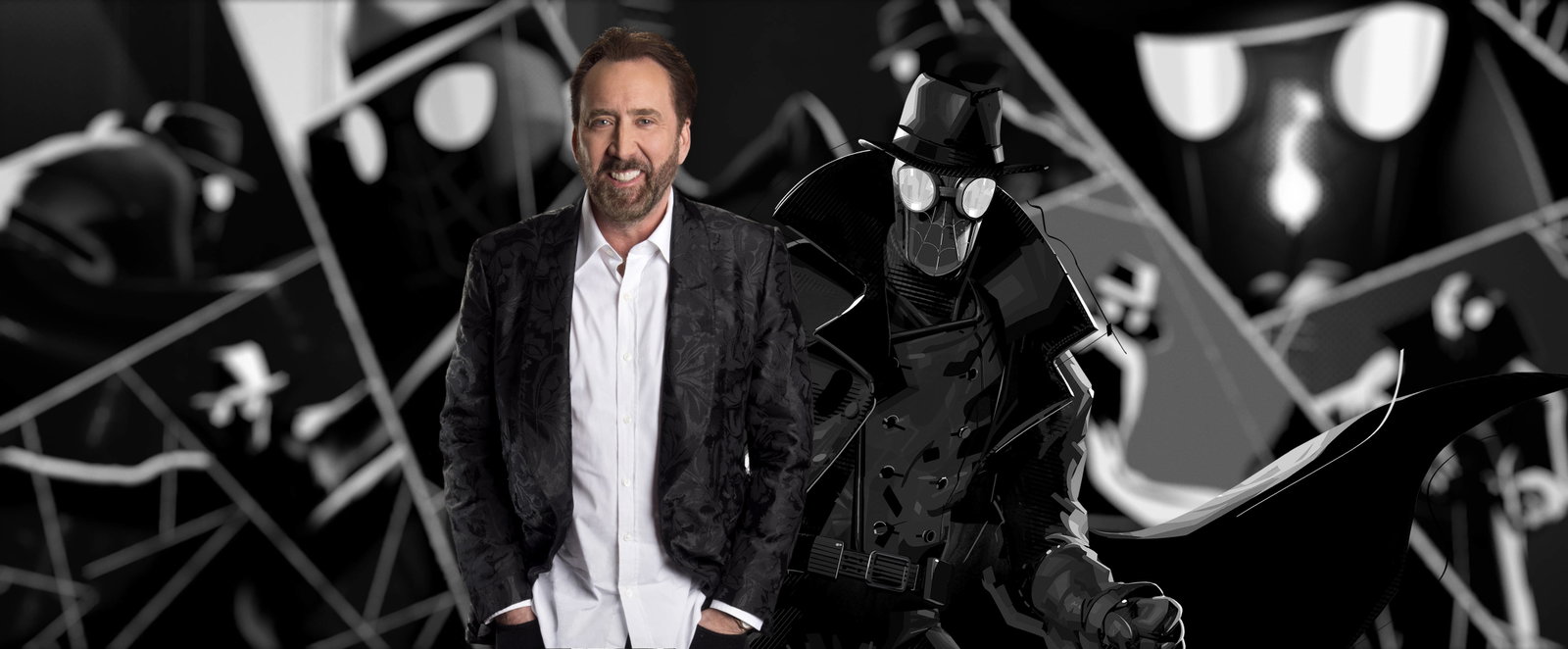
Spider-Man: Into the Spider-Verse (2018) - filmstill Nicolas Cage voices Spider-Man Noir Spider-Man: Into the Spider-Verse (2018) - - - EDITORIAL USE ONLY Copyright: xAlxPowersx
Spider-Man: Into the Spider-Verse (2018) - filmstill Nicolas Cage voices Spider-Man Noir Spider-Man: Into the Spider-Verse (2018) - - - EDITORIAL USE ONLY Copyright: xAlxPowersx
Nicolas Cage did not merely have a 2026; he practically stole it, wore it like a feathered hat, and demanded an encore. His first major live-action television role, Spider-Noir, turned him into a hard-boiled Ben Reilly, while the series scored 11 Emmy nominations. Then Cage revealed he had legally dropped 'Coppola' for 'Nick Cage', making his reinvention feel gloriously official.
For newer fans, it is the perfect excuse to discover Cage; longtime admirers can revisit the wonderfully weird career that made him unforgettable.
1. The quirky indie rebel (1982–1994)
Nicolas Cage spent the 1980s and early 1990s gleefully dodging the conventional Hollywood leading-man blueprint. Born Nicolas Kim Coppola, the nephew of Francis Ford Coppola, he changed his name after facing nepotism accusations, borrowing “Cage” from Marvel’s Luke Cage and composer John Cage. He was determined to build a reputation entirely his own.
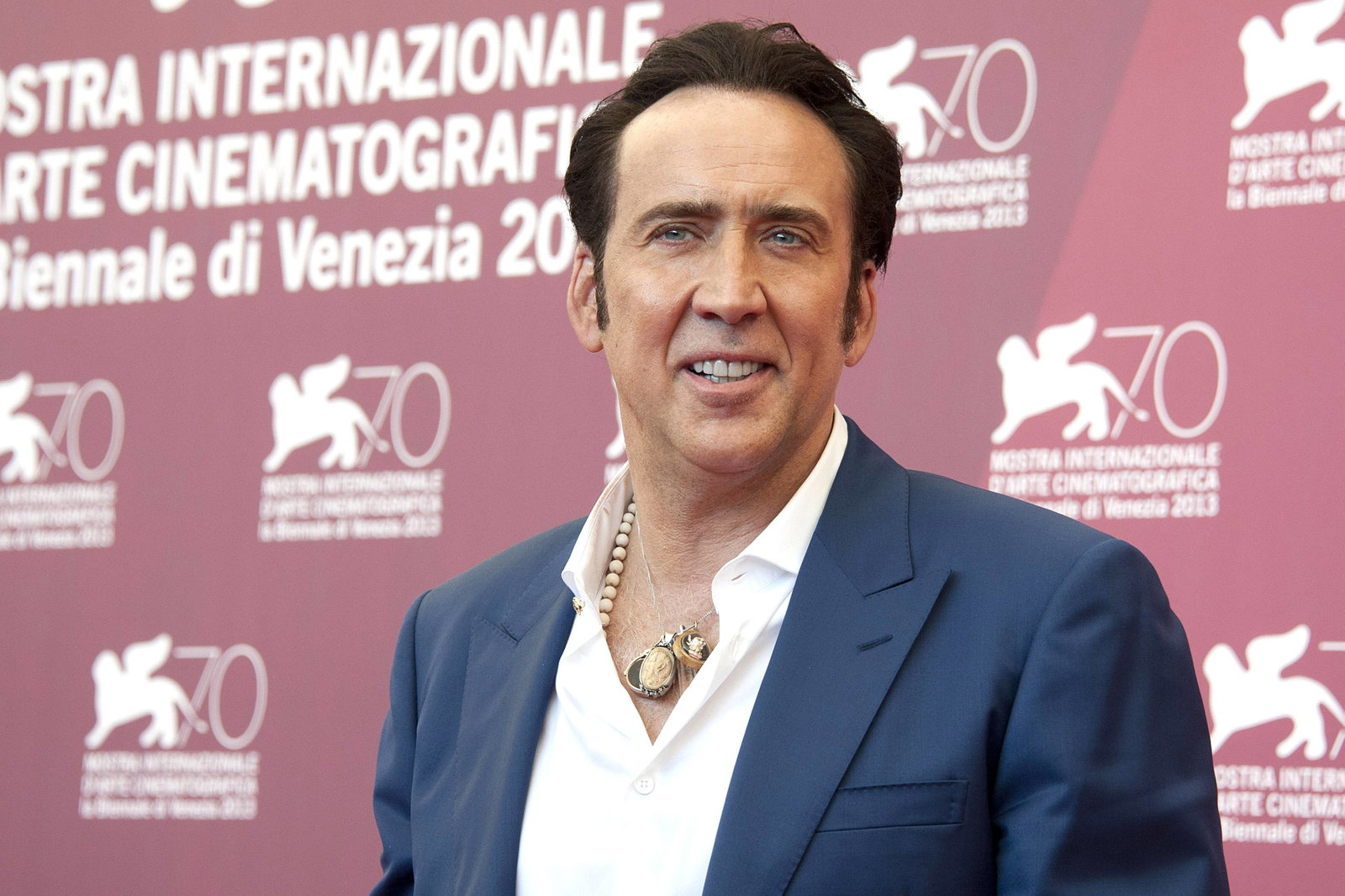
Nicolas Cage during the Joe photocall at the 70th Venice International Film Festival. August 30, 2013 Foto:xDaziramx xFuturexImage
Nicolas Cage during the Joe photocall at the 70th Venice International Film Festival. August 30, 2013 Foto:xDaziramx xFuturexImage
That rebellion soon reached his performances, with Cage developing his famously eccentric “Nouveau Shamanic” approach. He pulled two teeth without anesthesia for Birdy and ate a live cockroach for Vampire’s Kiss, because apparently ordinary preparation was far too pedestrian. Yet Raising Arizona and Moonstruck proved the chaos came with astonishing range.
2. The golden age (1995–2004)
Nicolas Cage reached the enviable stage of stardom where Hollywood could not decide whether to hand him an Oscar or blow something up. For Leaving Las Vegas (1995), Cage accepted a drastically reduced salary, studied alcoholics in hospitals, and recorded himself drinking. The result was devastatingly convincing and earned him the Academy Award for Best Actor.

Then came Jerry Bruckheimer, apparently determined to test how many explosions one Oscar winner could survive. Cage transformed himself for The Rock (1996), became the indestructible Cameron Poe in Con Air (1997), and swapped faces with John Travolta in Face/Off (1997). Just when Hollywood had him pegged as an action star, Adaptation (2002) arrived, earning Cage another Oscar nomination for playing Charlie and Donald Kaufman.
3. The great financial downward spiral (2005–2010)
Nicolas Cage went from Hollywood golden boy to cautionary tale with remarkable speed. His film choices increasingly favored expensive studio spectacles over the daring material that had once defined him, while his maximalist performances started attracting ridicule. The Wicker Man remake became the defining embarrassment, with Cage’s furious “Not the bees!” scene escaping the movie to become an enduring internet meme.
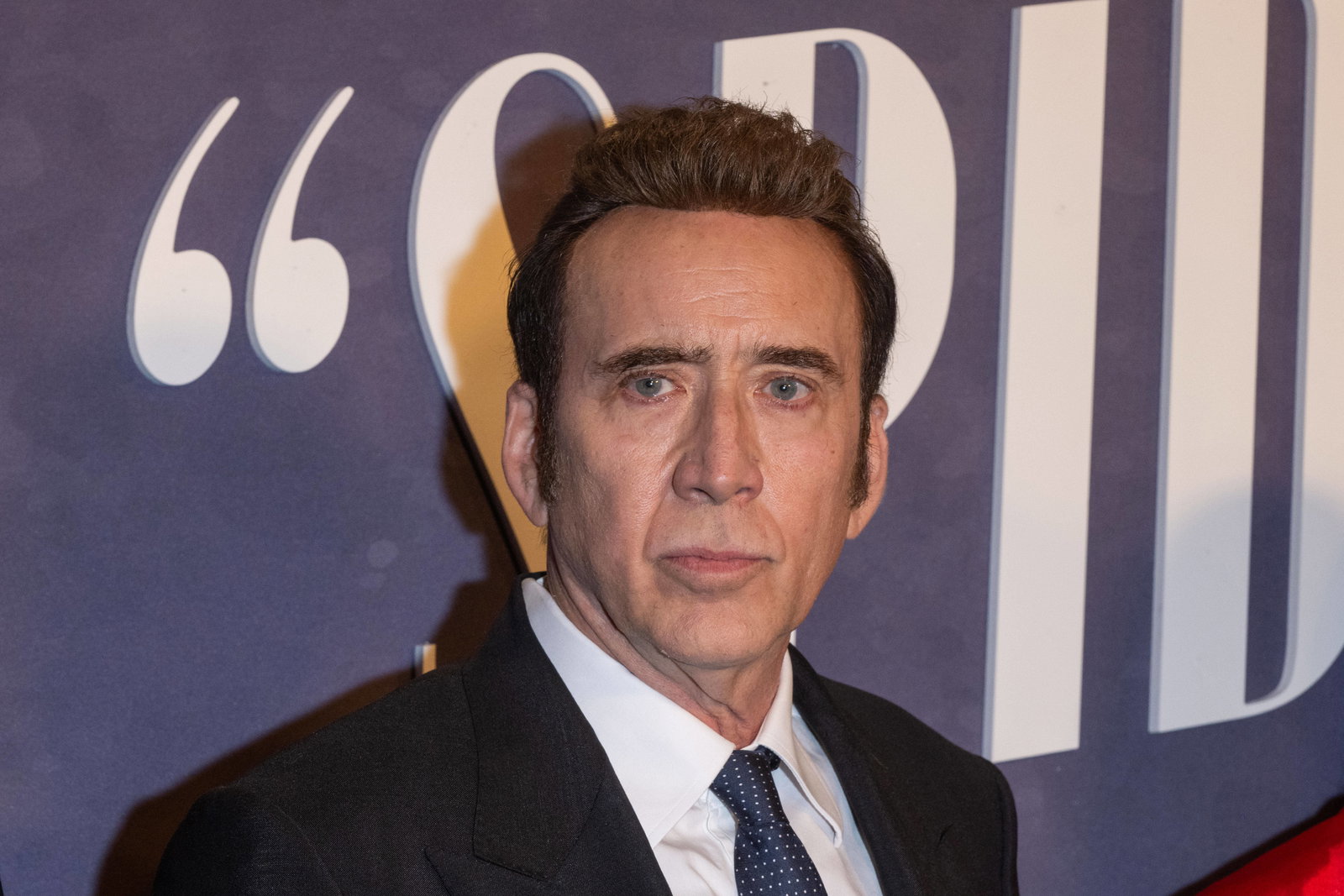
May 13, 2026, New York, United States: Nicolas Cage attends Prime Video s Spider-Noir world premiere at Regal Times Square on May 13, 2026 in New York City. New York United States - ZUMAs197 20260513_aaa_s197_672 Copyright: xRonxAdarx
May 13, 2026, New York, United States: Nicolas Cage attends Prime Video s Spider-Noir world premiere at Regal Times Square on May 13, 2026 in New York City. New York United States - ZUMAs197 20260513_aaa_s197_672 Copyright: xRonxAdarx
Off-screen, Cage was spending with the enthusiasm of a man who had mistaken unlimited money for a personality trait. He amassed 15 residences, including two European castles and the infamous LaLaurie Mansion, plus a private Bahamian island, exotic cars, rare comic books, and a $276,000 Tarbosaurus skull. When the 2008 property crash exposed severe financial mismanagement, Cage faced a $6.3 million IRS tax lien and tens of millions of dollars in private debt.
4. The VOD grindhouse phase (2011–2017)
Nicolas Cage responded to his financial wreckage in the least glamorous way imaginable: he went to work, and then kept going. Over seven years, he appeared in nearly 30 films, accepting direct-to-video and foreign-financed projects such as Drive Angry, a movie whose streaming platform is till a point of curiosity, Left Behind, and Arsenal to steadily attack his debts.
The strategy did little for his reputation, turning a former A-lister into a punchline for Hollywood gatekeepers. Cage, however, refused to phone it in, insisting that even the weakest scripts contained something worth exploring and treating every bargain-basement production as another workout for his craft.
5. The Cagennaissance (2018-present)
Nicolas Cage finally turned the career detour into a victory lap, paying off his IRS debts and returning to filmmakers willing to embrace his strangest instincts. Mandy unleashed his psychedelic fury, while Pig revealed a quieter, heartbreakingly restrained side that critics adored, proving that Cage could still surprise an audience without screaming.

via Imago
Credits: IMAGO / Future Image
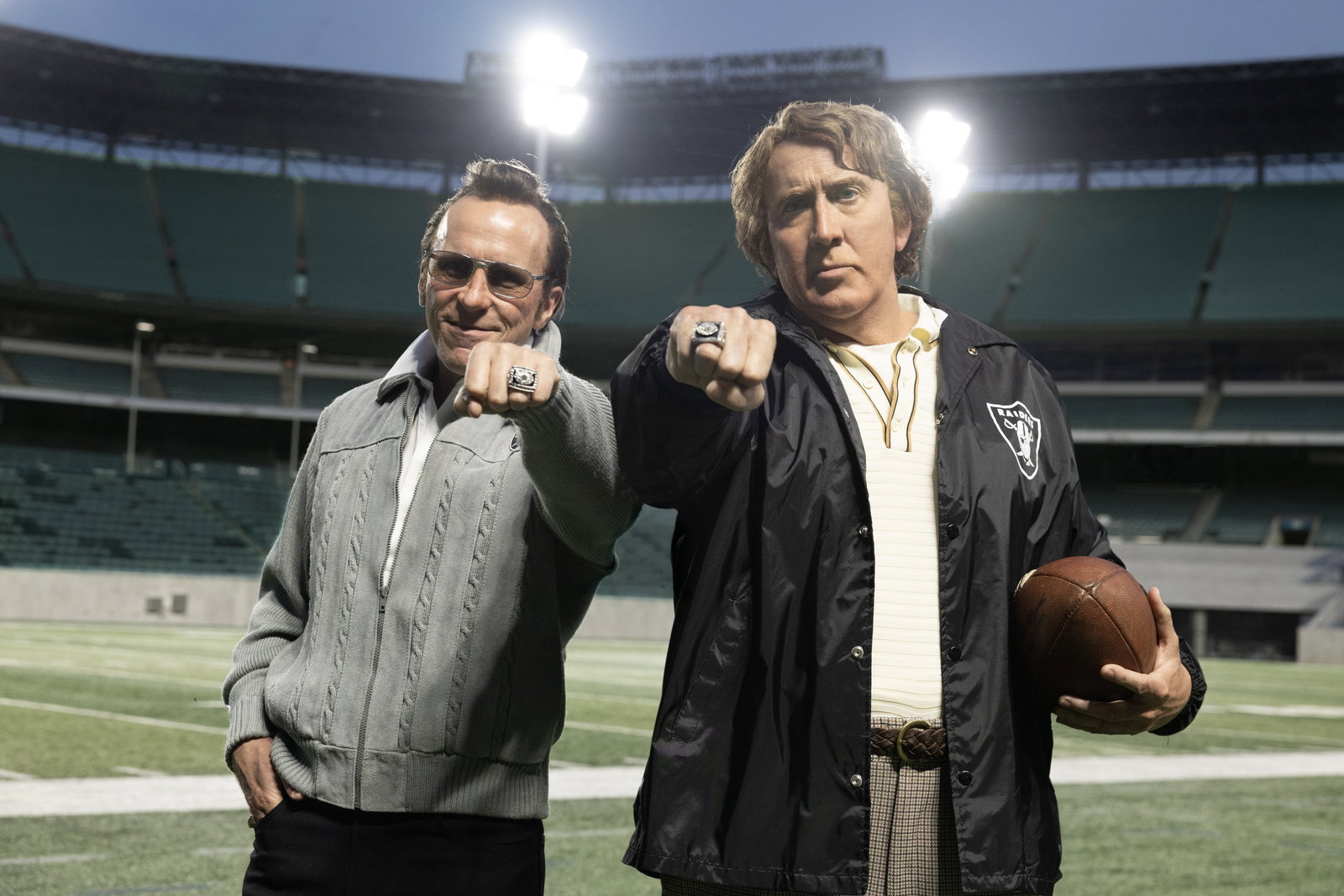
Then Cage made the ultimate joke of his own mythology in The Unbearable Weight of Massive Talent, playing a fictionalized version of himself, before earning a Golden Globe nomination for Dream Scenario. Longlegs made him an occult horror sensation in 2024, while Spider-Noir pushed him into prestige television in 2026, earning 11 Emmy nominations and opening another chapter with Madden on the horizon. After decades of reinvention, Nicolas Cage has transformed every career high, spectacular crash, bargain-bin detour, and artistic gamble into the very thing that made him impossible to replace.
Which era of Nicolas Cage's adventurous and unique career is your favorite? Let us know in the comments!

Edited By: Hriddhi Maitra
